Cultivation of the cotton Cotton
(Gossypium hirsutum predominantly) is the leading natural fibre crop worldwide, concentrated in tropical and subtropical regions of Asia, the Americas and Africa. International baselines project average production growth of about 1.6% per year up to 2031/32, closely tracking the expected increase in industrial use. Key global producers: China, India, United States, Brazil and Pakistan, which dominate both production and international trade.
In many of these countries, cotton is grown under irrigated, high‑input systems (fertilisers, pesticides) that deliver high yields but with major environmental impacts.
Nutritional reccomandations for cotton
Cotton has high requirements for:
- Nitrogen (N) – quantitatively the most important nutrient;
- Potassium (K) – second in quantity, essential for flowering, boll filling, fibre quality and tolerance to cold and drought.;
- Phosphorus (P) – crucial for root development and early crop establishment.
However it's importanto to avoid over-application of nitrogen because they can:
- Produce overly vegetative plants;
- Delay maturity and increase lodging risk;
- Increase susceptibility to pests and diseases;
- Reduce lint percentage and fibre quality.
SECONDARY NUTRIENTS
Sulphur (S): increasingly limiting where atmospheric deposition has declined; frequently applied with N and K fertilisers.
Calcium (Ca) and magnesium (Mg): important for soil structure and plant physiology, especially in acid or sandy soils.
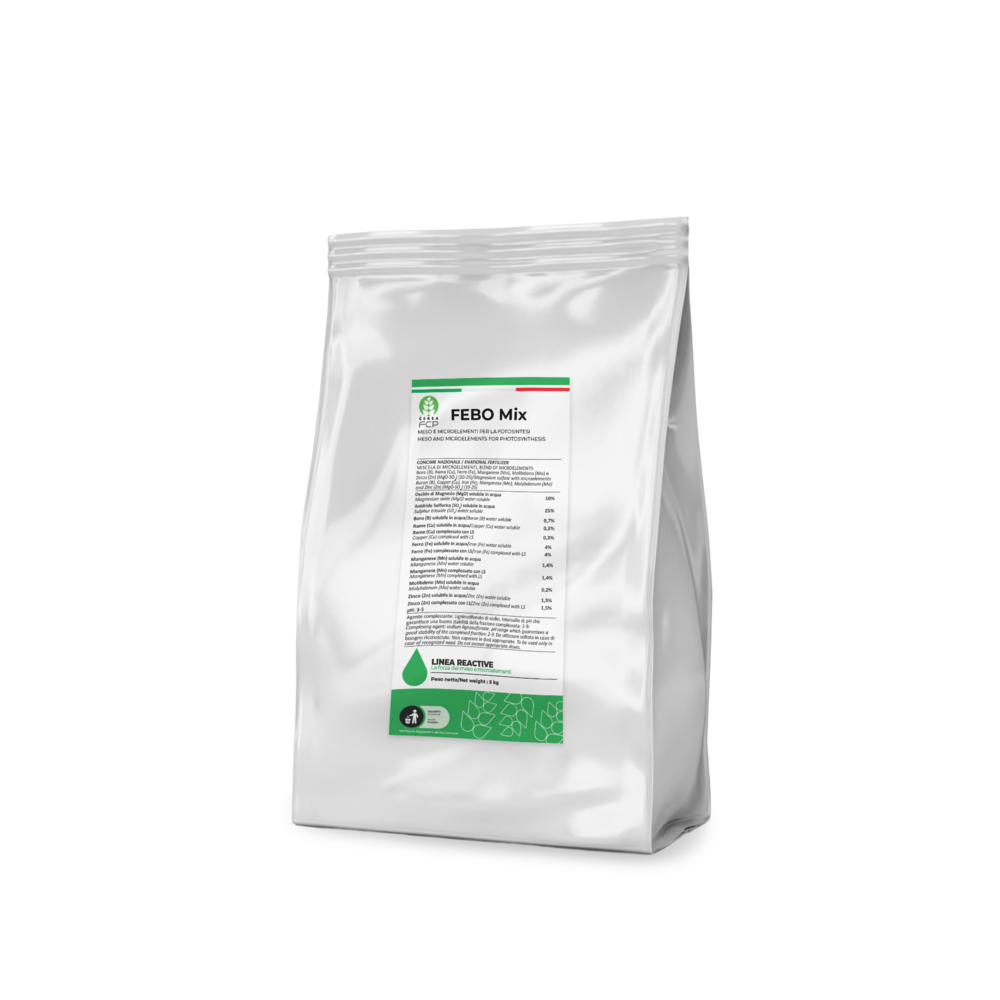
Boron (B) and zinc (Zn): critical for flowering and boll retention, often managed via seed treatments or targeted foliar applications.
Foliar applications for rapid correction of N, K, Mg, B, Zn deficiencies in critical stages (pre‑flowering, flowering, boll set) or to enhance photosynthetic activity under stress (drought, transient cold, root damage) are essential.