


Cultivation, quality, and nutrition of cucumber
Cucumber (Cucumis sativus L.) is one of the most important horticultural crops worldwide. China is by far the largest producer, while Spain leads in Europe.
Commercial demand is constant and growing, with multiple uses: fresh consumption, pickling (preserves), and industrial processing.
Nutritional advice for cucumber
- Phosphorus, especially when combined with humic acid extracts, promotes root development.
- The crop has a high calcium requirement, as deficiency causes blossom-end rot in fruits. Calcium also contributes to final product quality, including taste and shelf life, and should be applied consistently. Magnesium can be added to support photosynthesis.
- Potassium applications help increase and even out flowering.
- It is good practice to use products containing microbial consortia to rejuvenate tired soils and combat phytopathologies.
Below you can find the most effective strategies for proper cucumber fertilization.

PRODUCT POSITIONING BY PHENOLOGICAL PHASE - MIDDLE EAST LINE
Products used in this phase


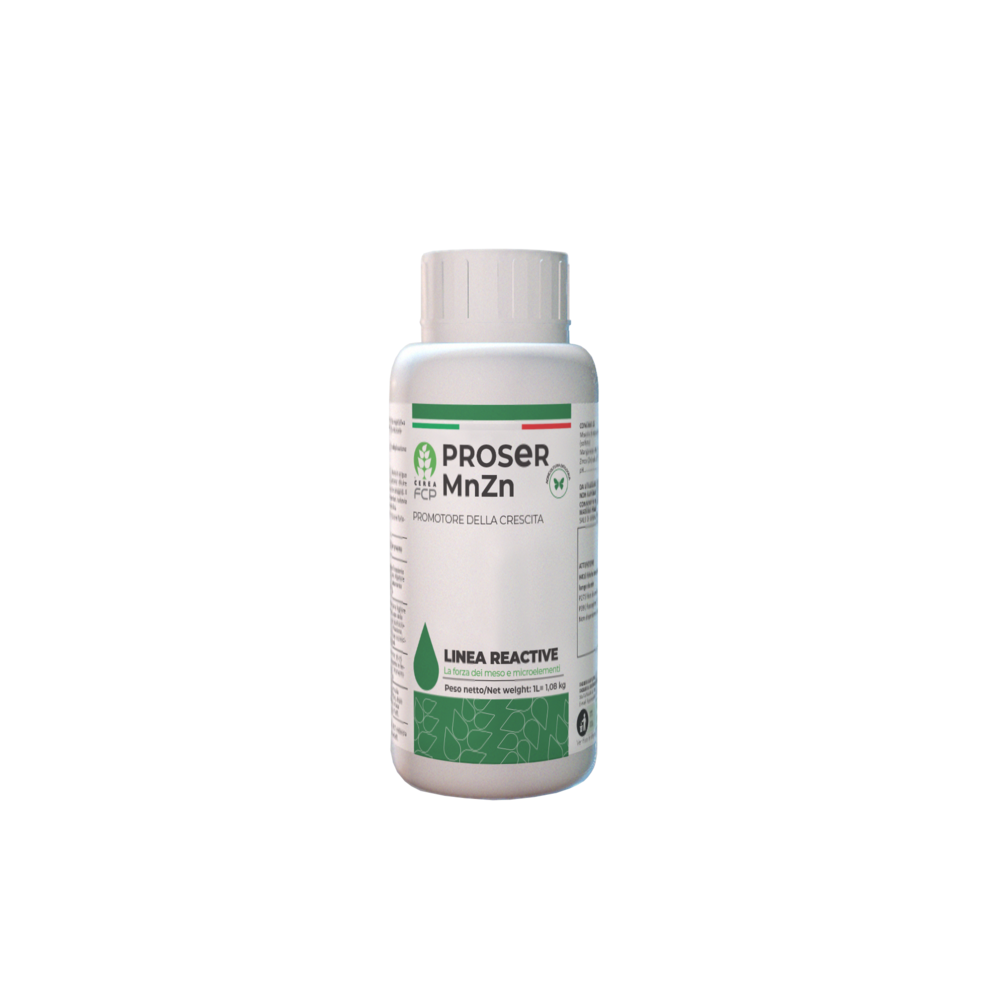
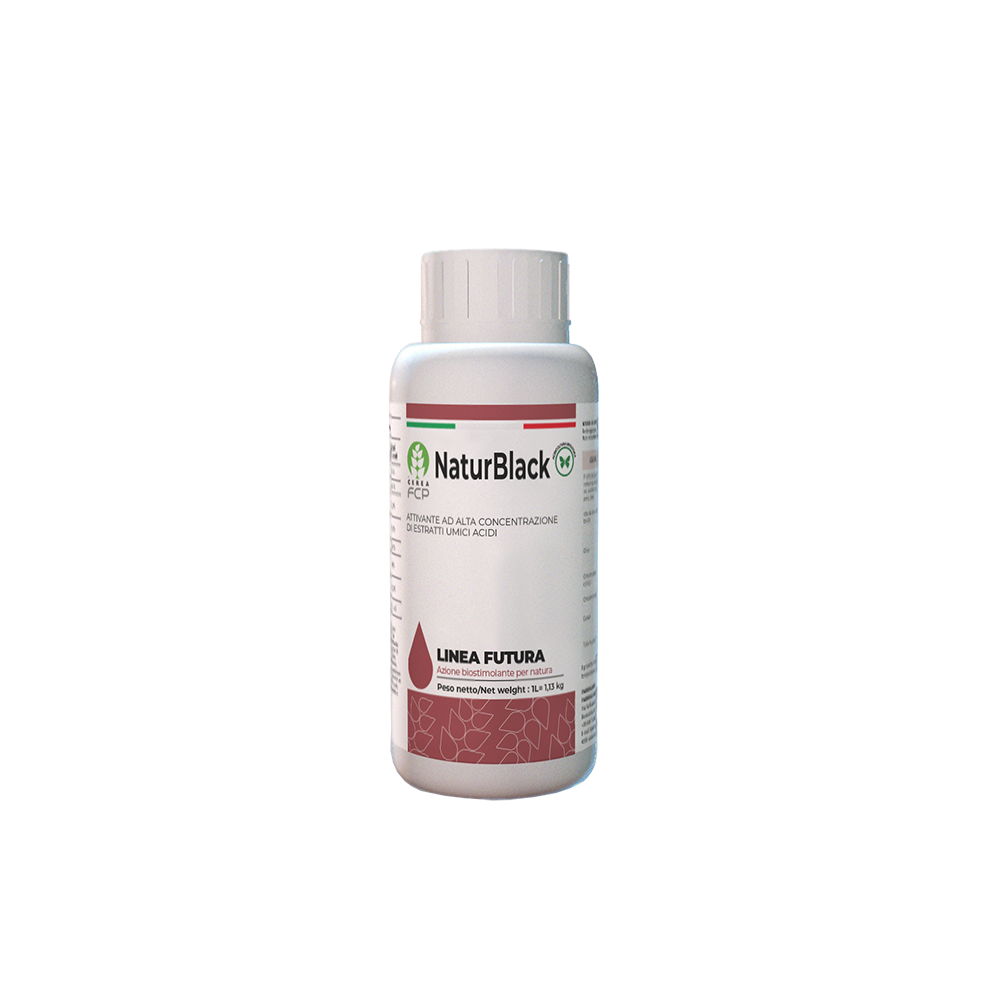
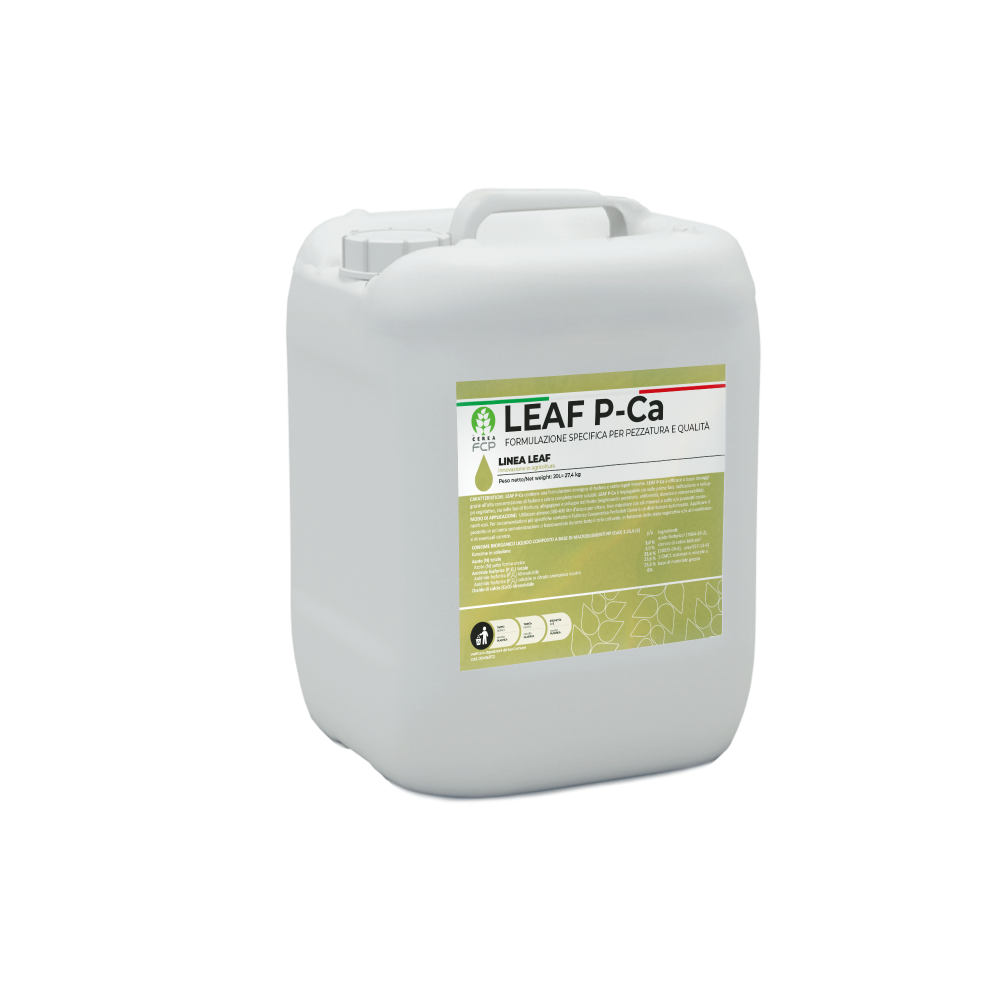
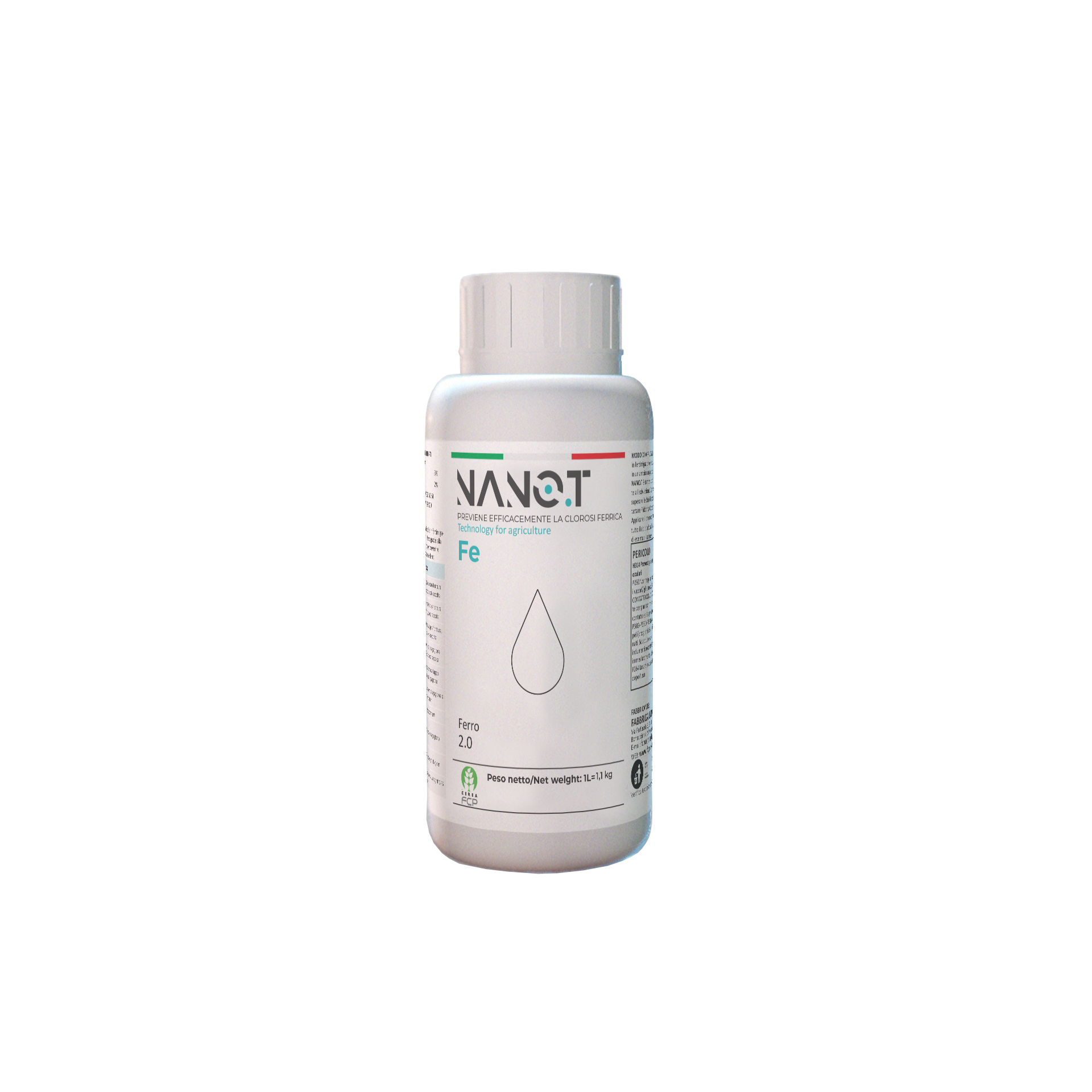


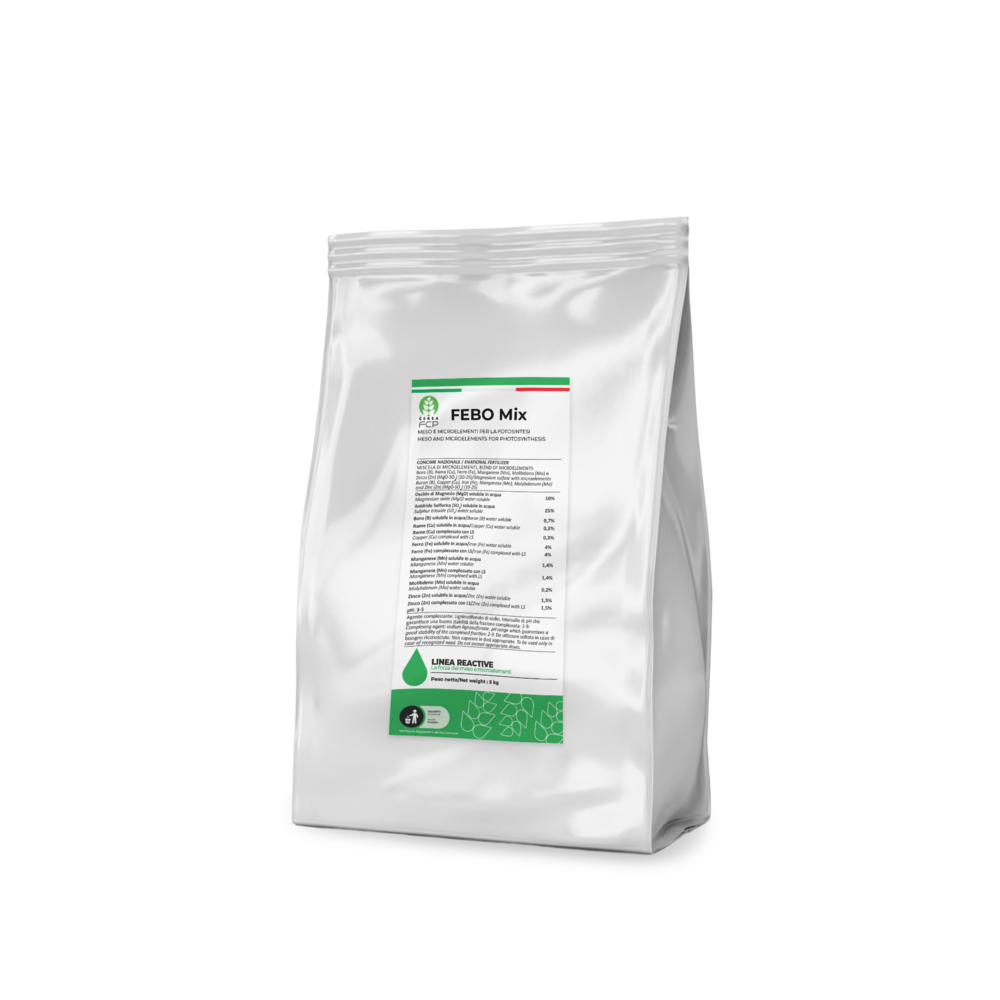
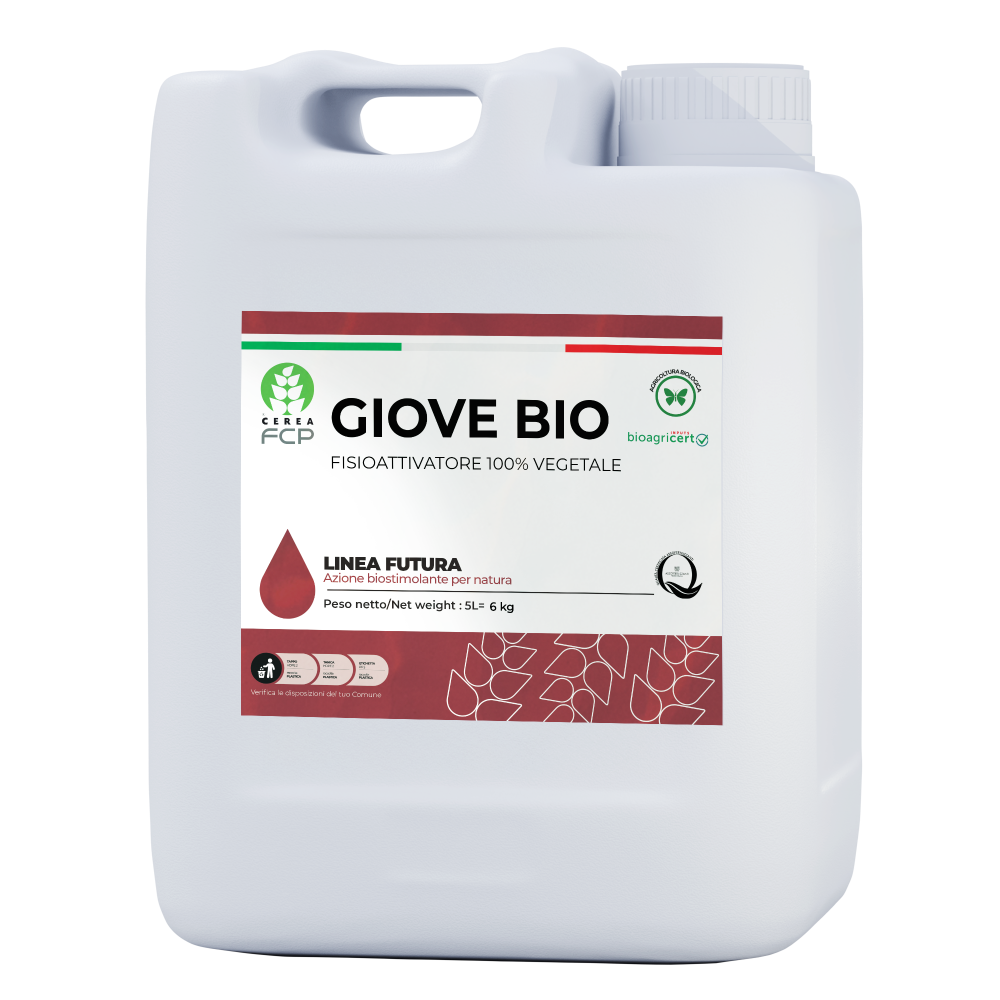

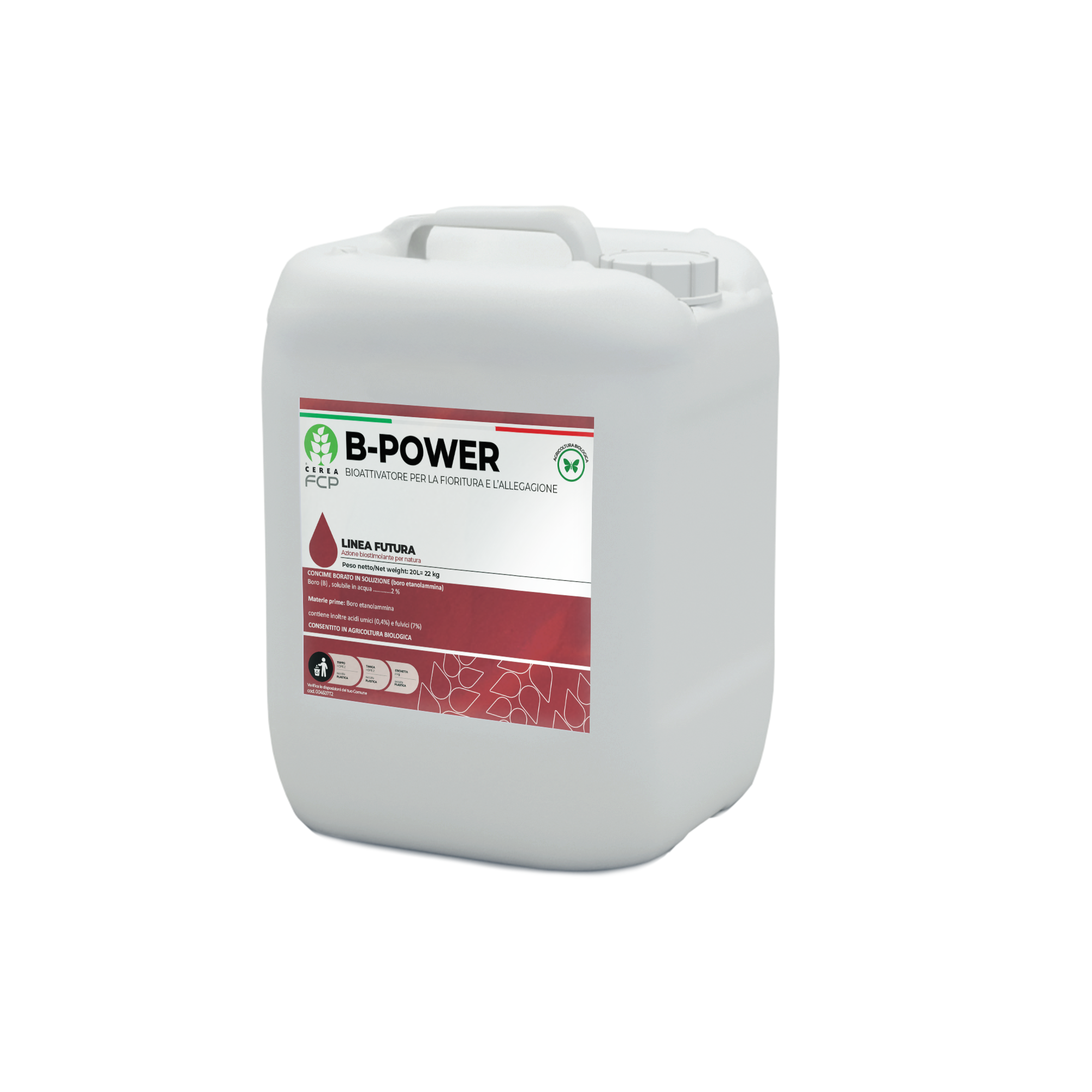

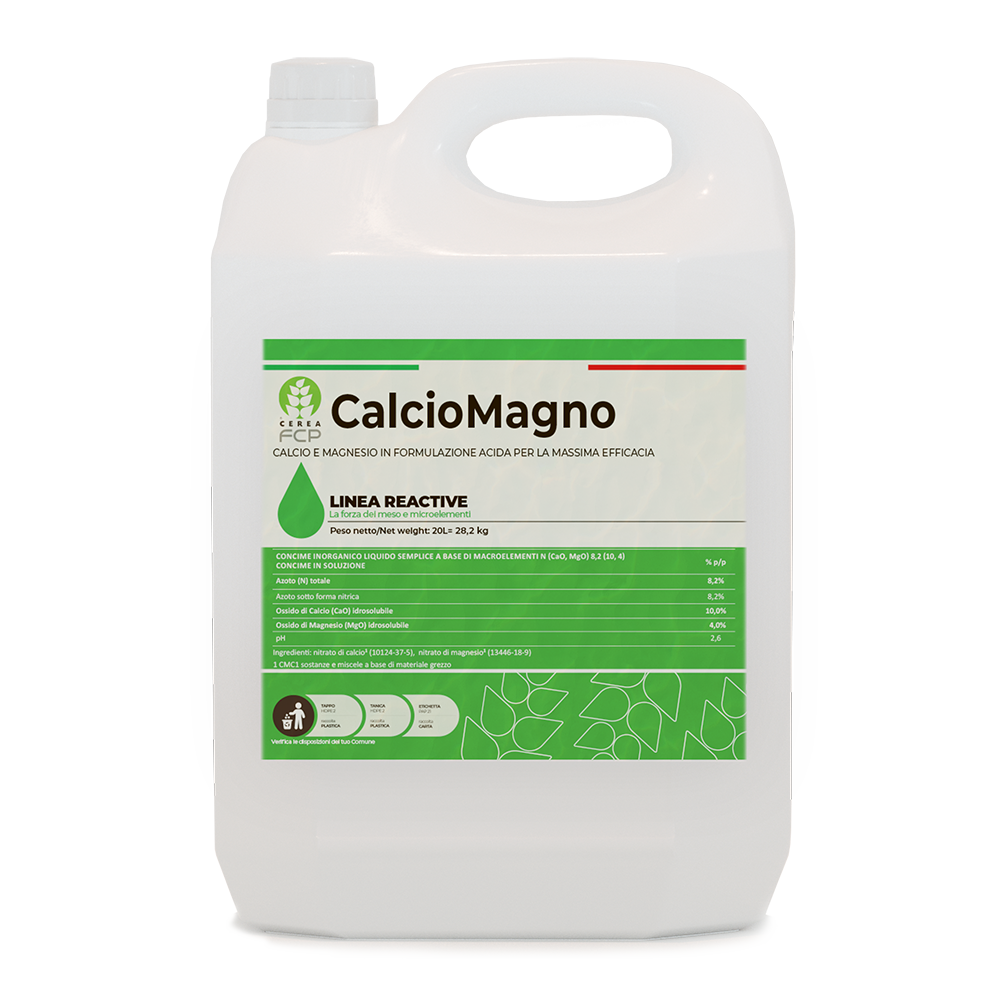


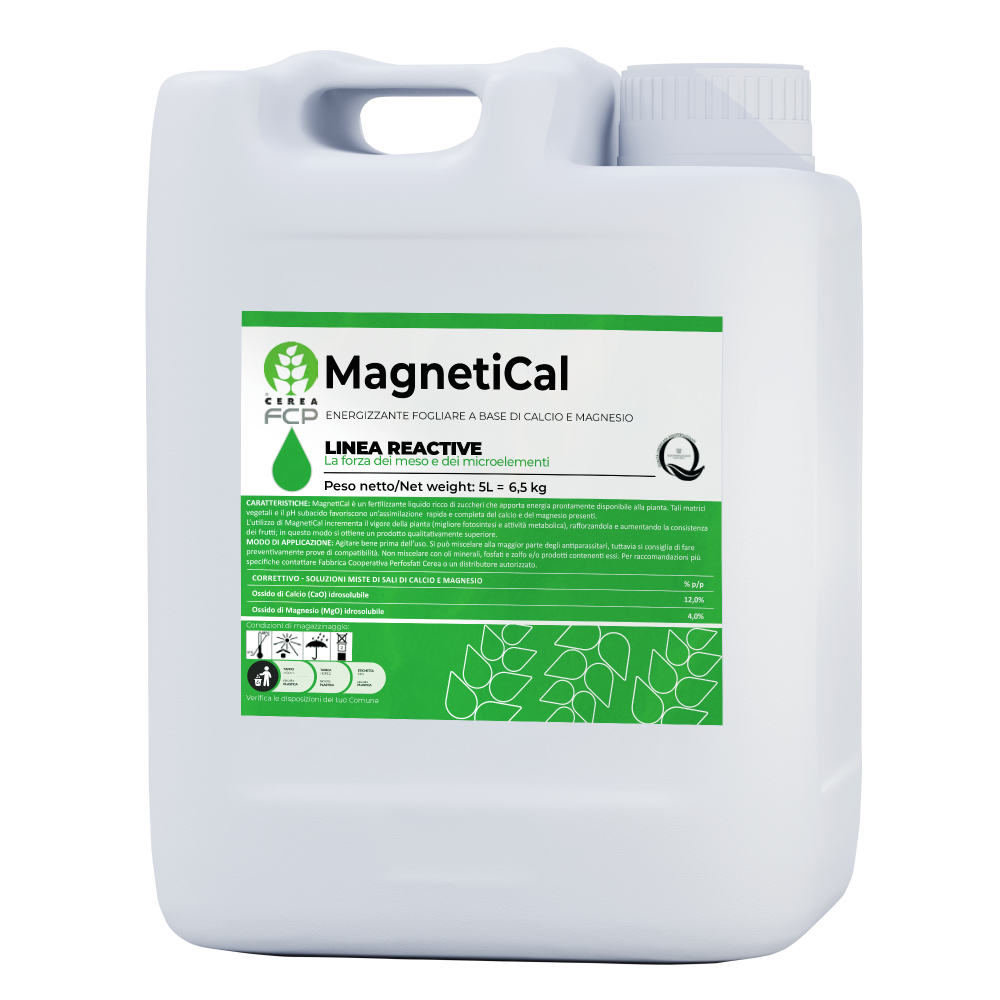
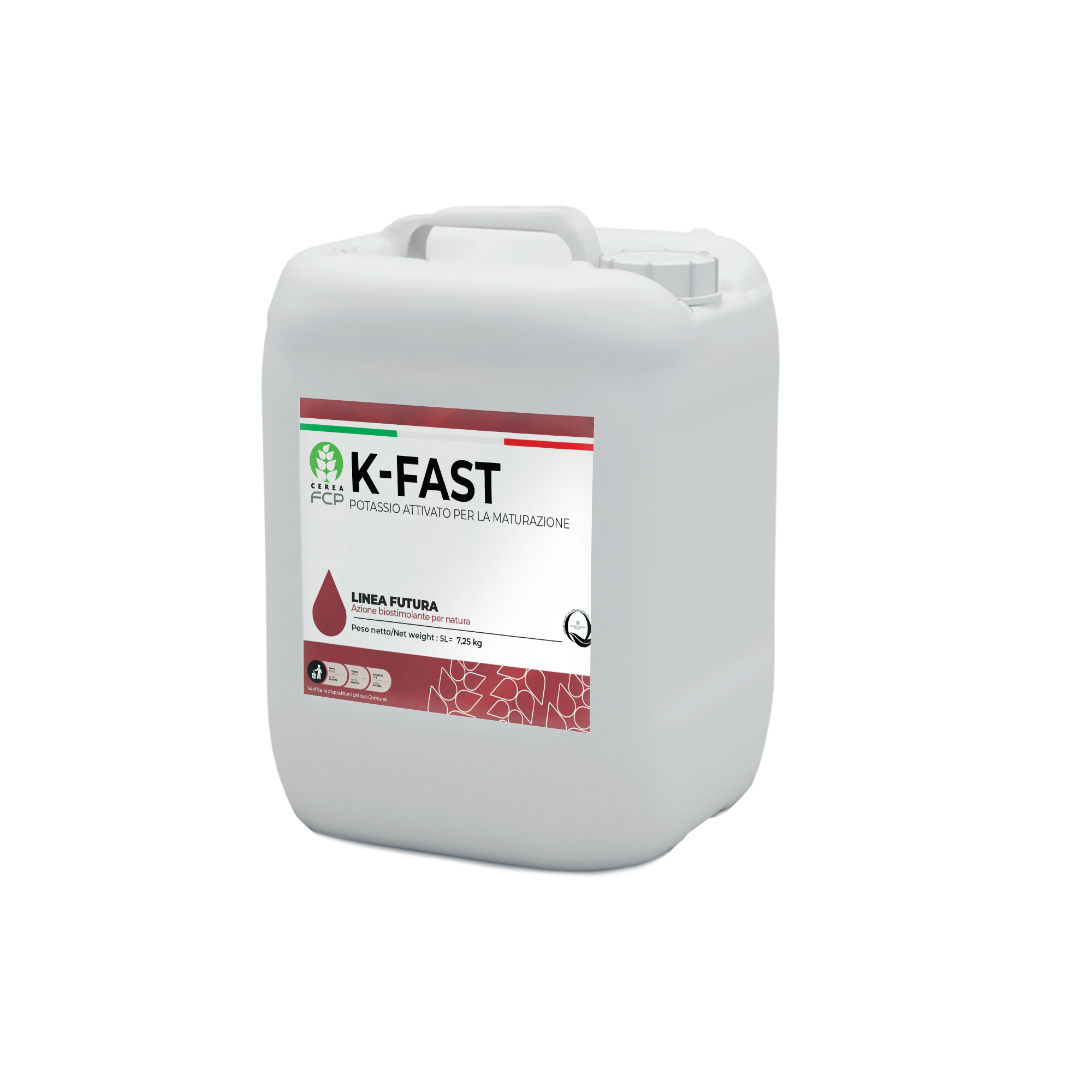
For problems of iron chlorosis, we recommend interventions with Nano.T Fe via the roots. Dosage based on the soil's iron chlorosis index.
To strengthen the plant and make it more resistant to biotic and abiotic stress, we recommend using Nano.T Cu foliarly every 15 days from vegetative development onwards.
In saline, sodic, calcareous soils with an alkaline pH, add CALCITO at a dose of 10 l/ha every 25-30 days.
To create favorable environments for maintaining healthy leaves, shoots, and fruits, use Nano.T Total and A-Myco.
To create favorable environments for healthy leaves, shoots, and fruits, use Nano.T Total and A-Myco. To create favorable environments for healthy root systems, use Mycovix.

Need assistance?