



Cultivation and Fertilization of the Lemon Tree
The lemon (Citrus limon) offers remarkable commercial potential thanks to its versatility in the food, pharmaceutical, and cosmetic industries.
Italy ranks among the leading European producers, with Sicily accounting for over 80% of the national cultivation area, followed by Calabria and Campania.
Adaptability and Cultivation Areas
The lemon tree adapts well to various cultivation systems, from open-field planting to container growing, allowing production even in northern regions when adequate winter protection is provided. The crop has a very long productive lifespan, with yields that can continue to increase over several decades.
Italian lemon exports have shown steady growth, with Germany representing one of the main importing countries.
Main Challenges in Lemon Cultivation
One major issue is iron chlorosis, a common physiological disorder in several tree crops. It is caused by the plant’s difficulty in absorbing iron from the soil, particularly in calcareous conditions.
Iron chlorosis can significantly affect the foliage, reducing the plant’s ability to carry out chlorophyll synthesis efficiently. Special attention should also be given to protection against fungi, insects, and slugs/snails; therefore, it is advisable to create environments that help maintain healthy leaves, shoots, and fruits.
Nutritional Advice for the Lemon Tree
It is recommended to apply organic matter during the base fertilization phase, including nitrogen, phosphorus, and potassium, to improve soil structure and stimulate microbial activity.
Flowers and fruits should be supported with phosphorus and potassium, integrating essential micronutrients—particularly boron and calcium—along with amino acid-based biostimulant products.
Follow our guidelines for dosage and application methods, specifically aimed at reducing iron chlorosis, increasing fruit set, and improving fruit quality and shelf life.

PRODUCT POSITIONING BY PHENOLOGICAL PHASE - MIDDLE EAST LINE

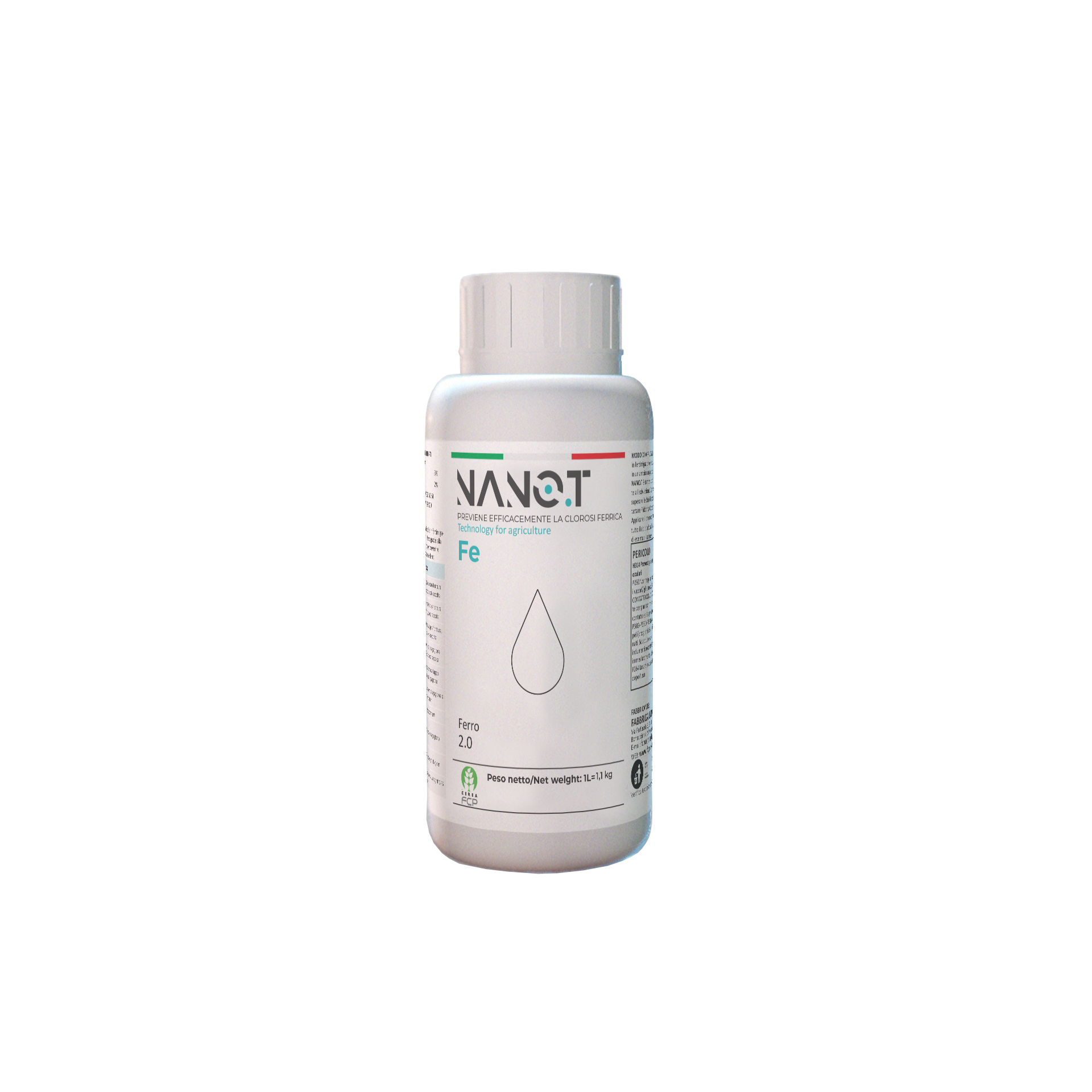




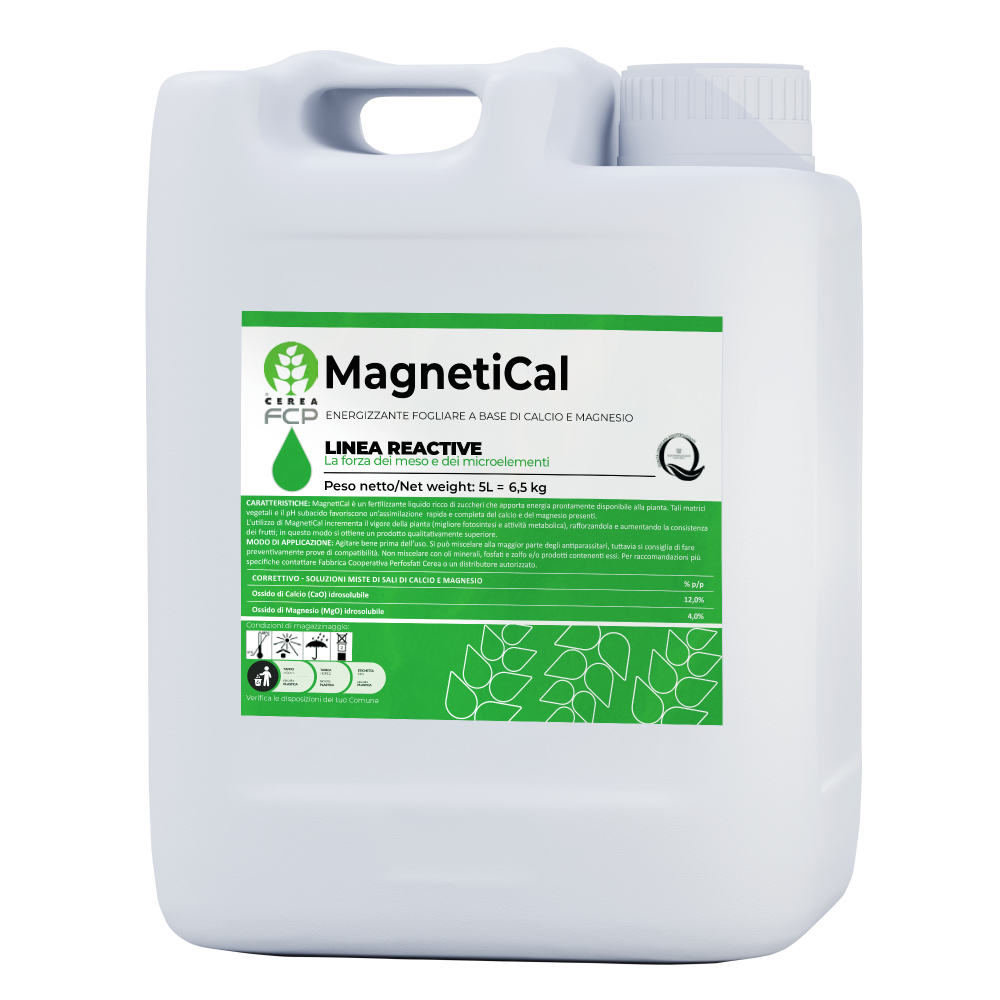


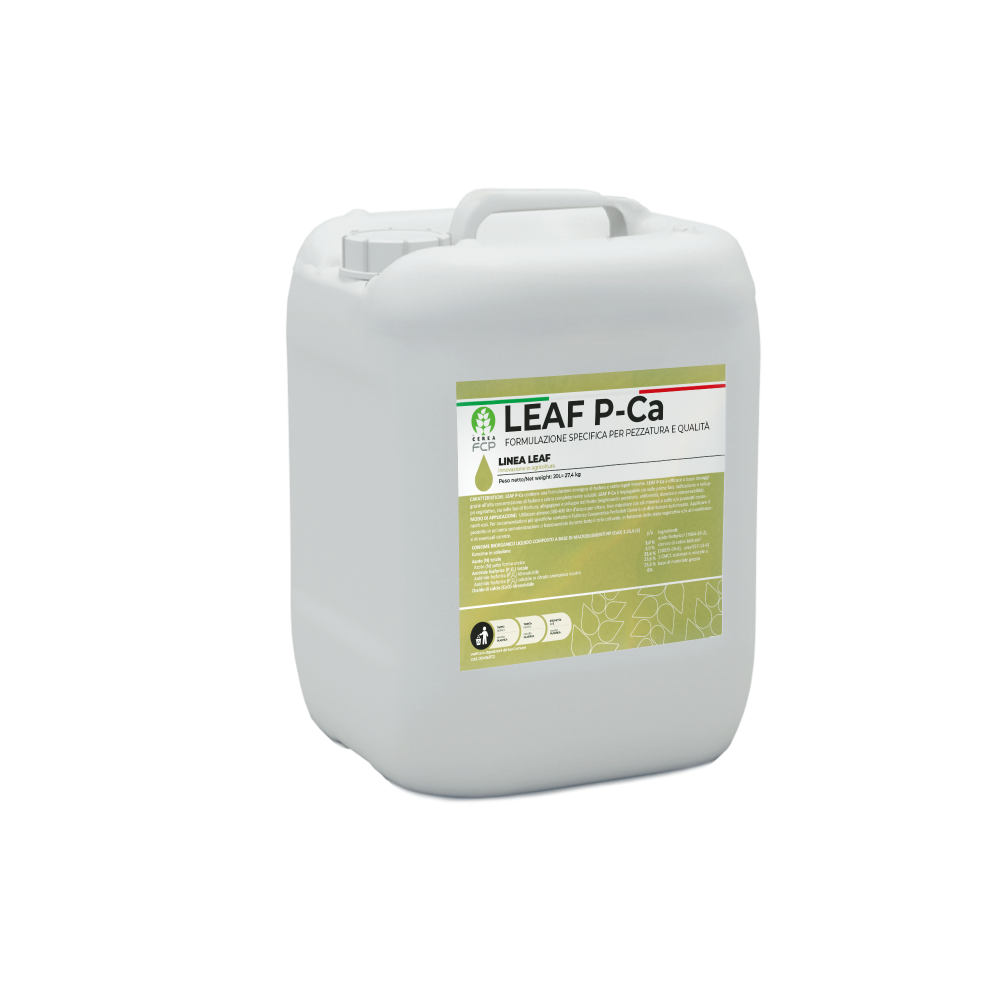
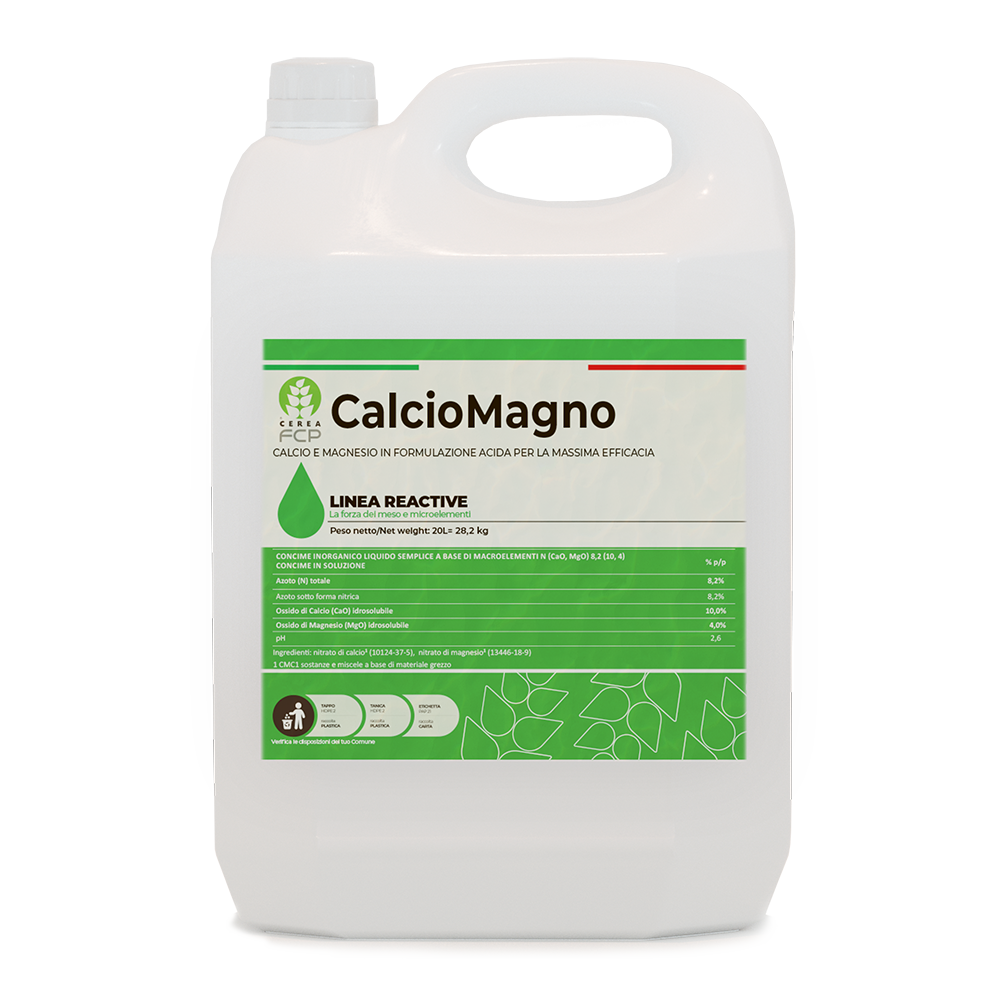
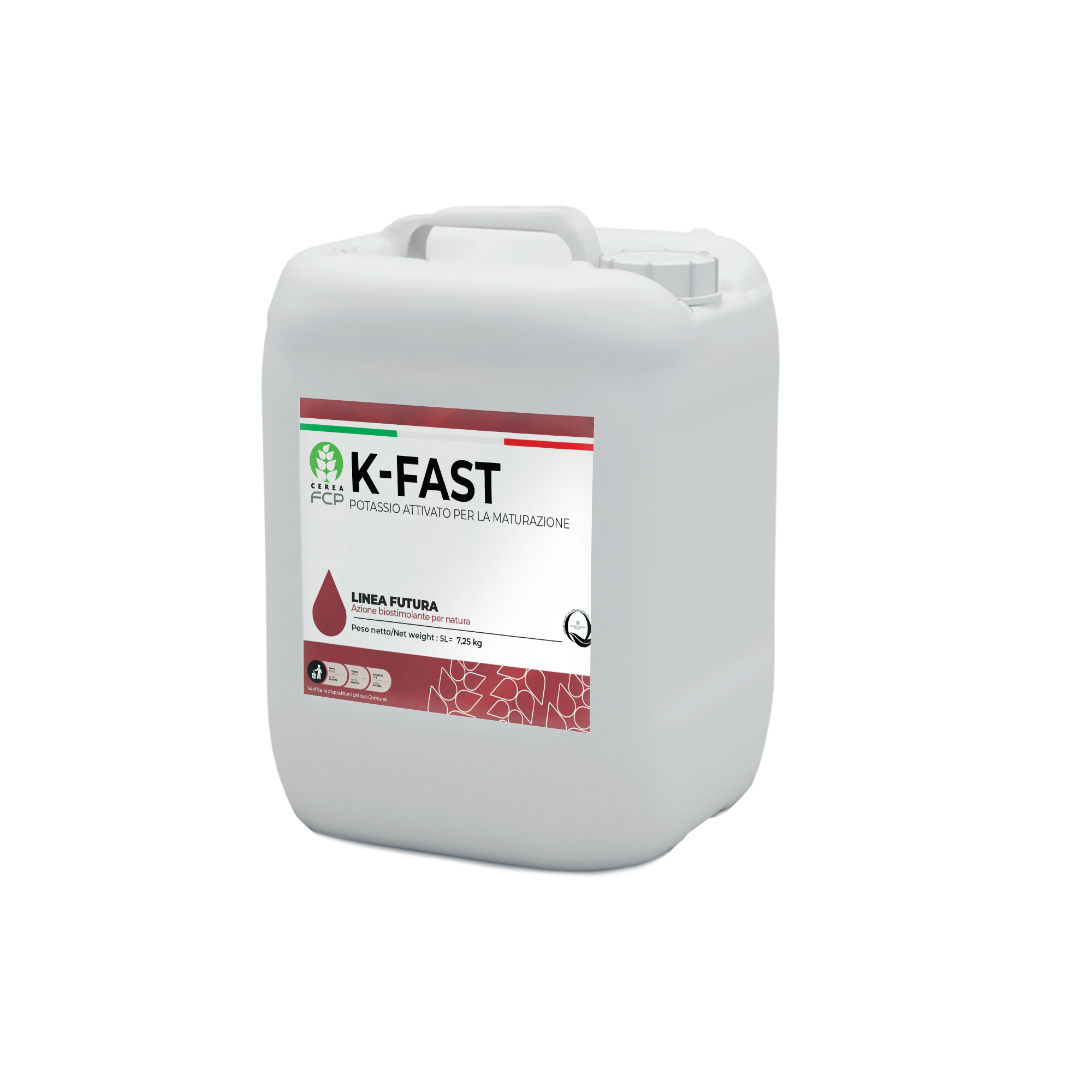

في حالات الإصابة بالكلوروز الناتج عن نقص الحديد، نوصي باستخدام Nano.T Fe عن طريق الجذور، على أن يتم تحديد الجرعة وفقًا لمؤشر الكلوروز المرتبط بالحديد في التربة.
ولتعزيز قوة النبات وزيادة مقاومته للإجهادات الحيوية وغير الحيوية، نوصي باستخدام NanoT.Cu رشًا ورقيًا كل 15 يومًا ابتداءً من مرحلة النمو الخضري.
وفي الترب المالحة أو الصودية أو الجيرية ذات الرقم الهيدروجيني القلوي، يُنصح بإضافة CALCITO بمعدل 10 لتر/هكتار كل 25–30 يومًا.
ولتهيئة بيئة مناسبة للحفاظ على صحة الأوراق والبراعم والثمار، يُنصح باستخدام Nano.T Total و A-Myco.
كما يُنصح باستخدام Mycovix لتهيئة بيئة ملائمة لنمو نظام جذري صحي وقوي.
Need assistance?