



Cultivation and Fertilization of the Mandarin
The mandarin (Citrus reticulata) is one of the most appreciated and widely cultivated citrus fruits in Italy, with significant productive potential.
It is a small fruit tree that rarely exceeds 3–4 meters in height. It has a deep root system which, once fully developed, gives the plant remarkable strength and resilience.
Soils and Cultivation Areas
The plant requires well-drained, fertile, and slightly acidic soils.
In Italy, the areas cultivated with clementines and mandarins account for about one-fifth of the country’s total citrus groves, with production mainly concentrated in Sicily and Calabria.
Main Challenges in Mandarin Cultivation
Like other crops, the mandarin is subject to the phenomenon of alternate bearing, meaning it alternates years of abundant fruiting with years of lower production. This intrinsic characteristic cannot be significantly altered but can be mitigated through appropriate fertilization practices.
Wind poses a significant threat: strong gusts can cause the loss of all the leaves, making it necessary to protect the plants with windbreak nets or hedges.
Particular attention should be given to protecting against fungi, insects, and snails/slugs; therefore, it is advisable to create conditions that help maintain the health of leaves, shoots, and fruits.
Nutritional Recommendations for Mandarin
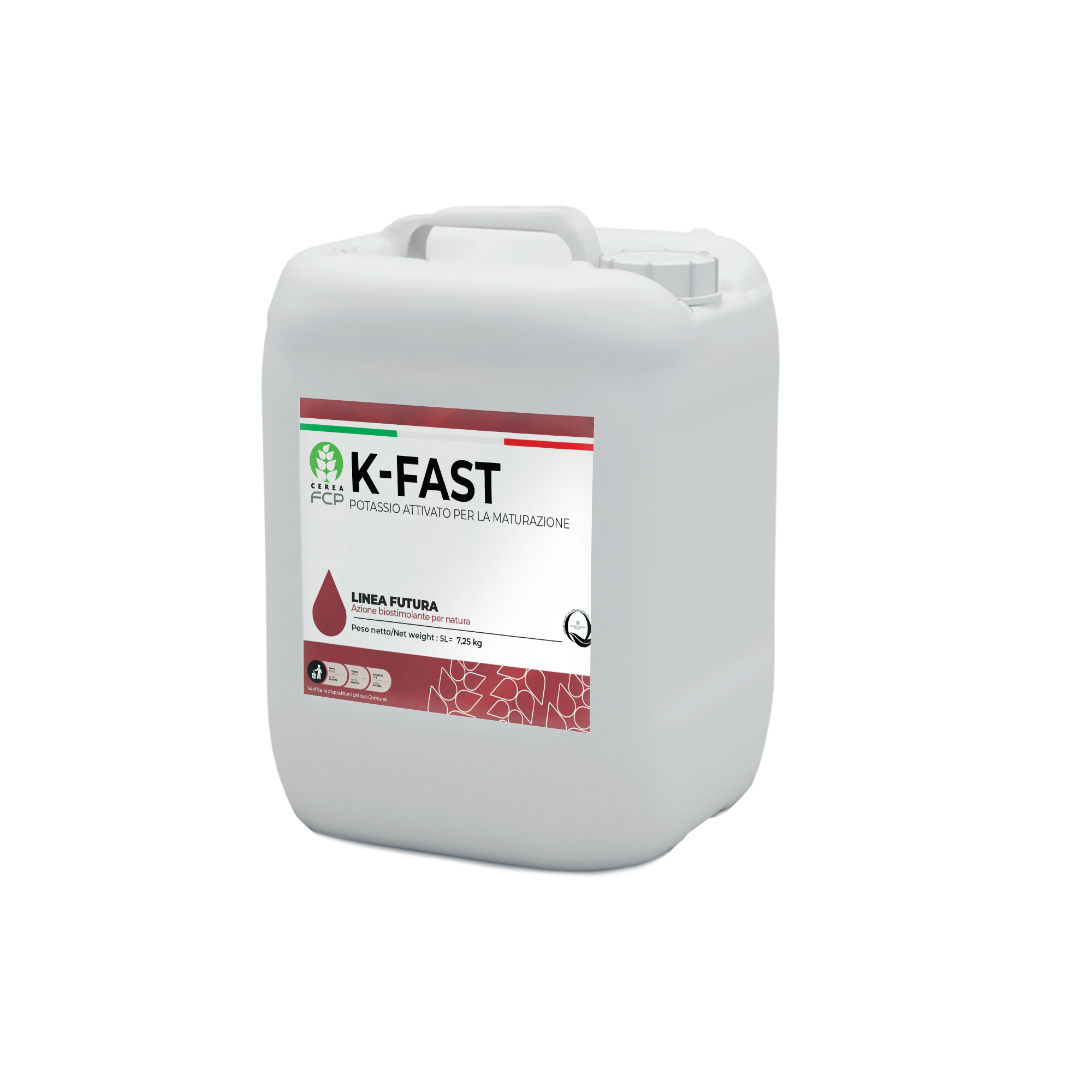
The mandarin, like other citrus fruits, has a high demand for nitrogen (N) and potassium (K), distributed at various stages of the crop cycle. The supply of phosphorus remains important to support flowering.
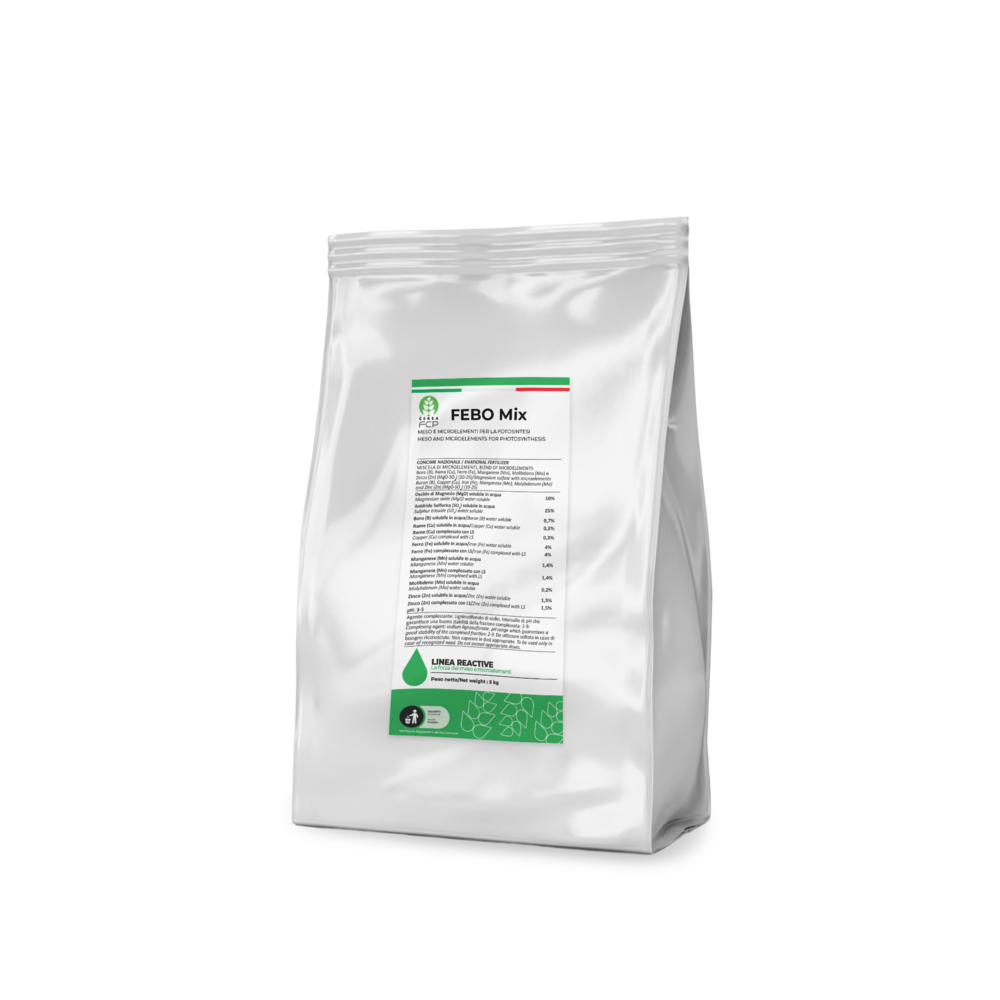
Micronutrients, particularly iron, are required in small amounts but are essential to prevent deficiencies that cause chlorosis, stunted growth, and low productivity.
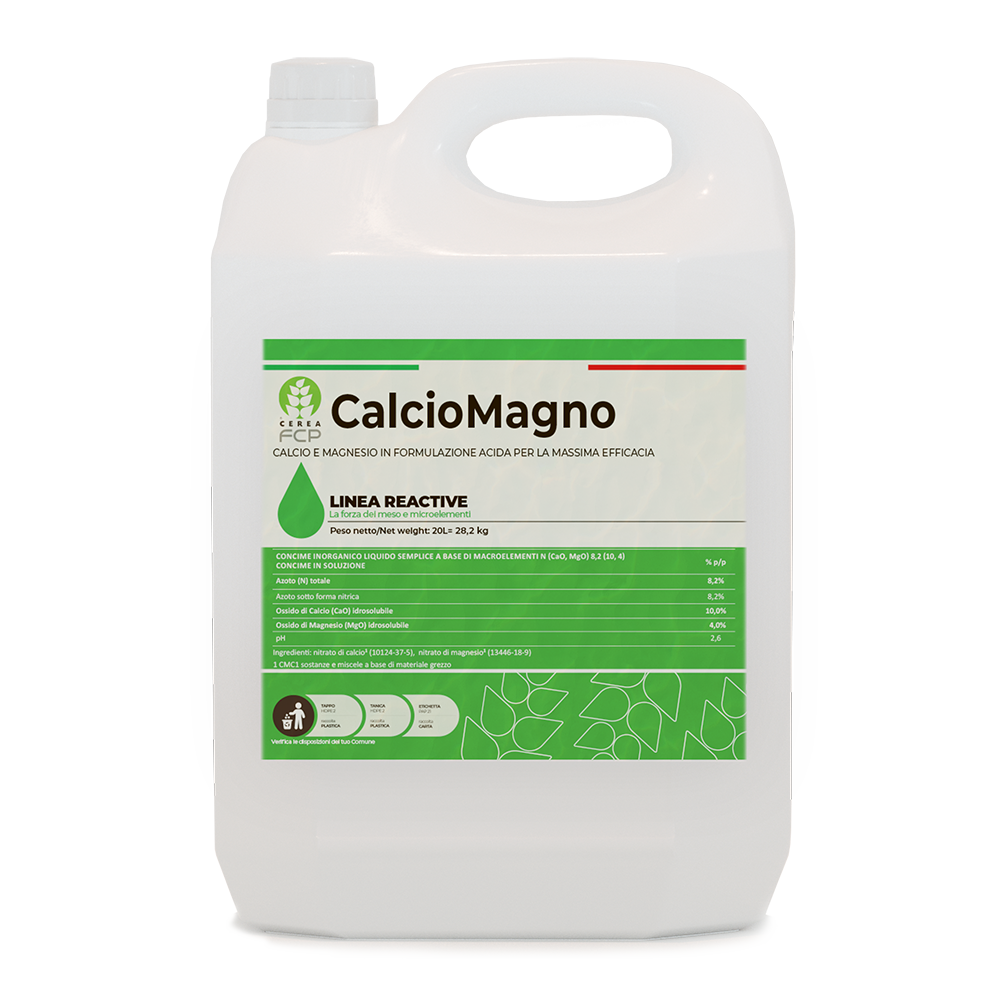
It is also important to supplement boron and calcium at the end of March or in April to support the development of flowers and young shoots. Fertilizers based on amino acids and with biostimulant action help reduce stress and improve the fruit’s quality parameters.
Follow our recommendations regarding dosages and application methods, specifically aimed at reducing iron chlorosis, increasing fruit set, and improving overall quality and shelf life.

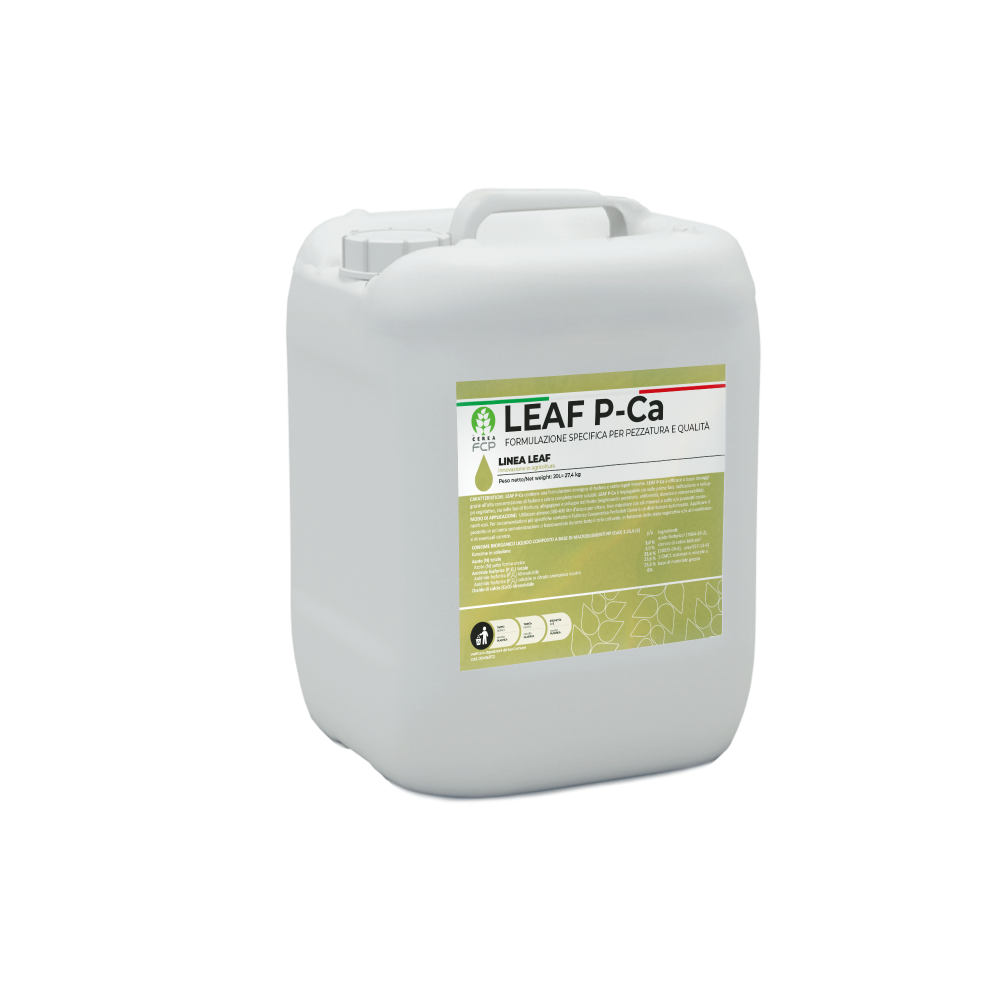
PRODUCT POSITIONING BY PHENOLOGICAL PHASE - MIDDLE EAST LINE

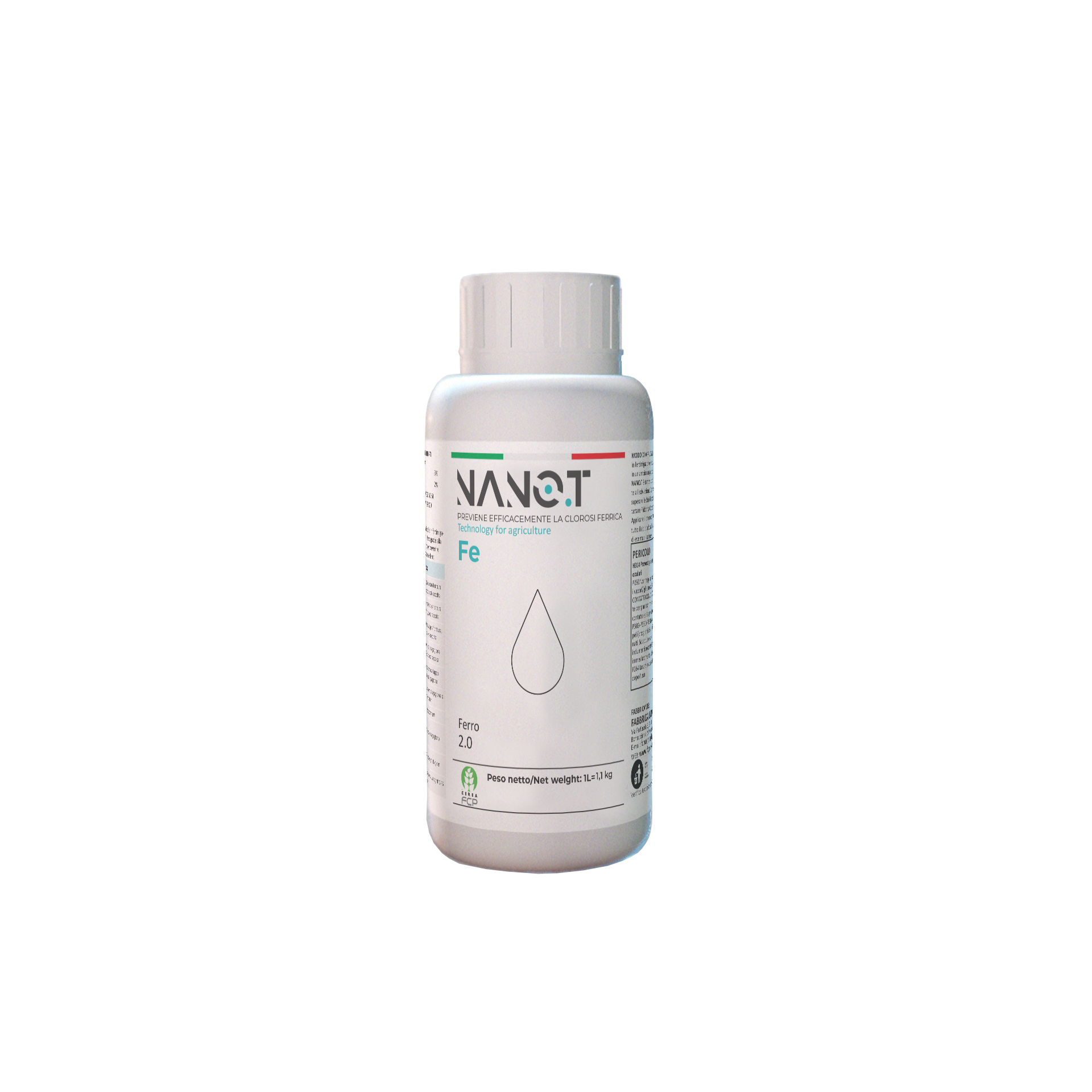








في حالات الإصابة بالكلوروز الناتج عن نقص الحديد، نوصي باستخدام Nano.T Fe عن طريق الجذور، على أن يتم تحديد الجرعة وفقًا لمؤشر الكلوروز المرتبط بالحديد في التربة.
ولتعزيز قوة النبات وزيادة مقاومته للإجهادات الحيوية وغير الحيوية، نوصي باستخدام NanoT.Cu رشًا ورقيًا كل 15 يومًا ابتداءً من مرحلة النمو الخضري.
وفي الترب المالحة أو الصودية أو الجيرية ذات الرقم الهيدروجيني القلوي، يُنصح بإضافة CALCITO بمعدل 10 لتر/هكتار كل 25–30 يومًا.
ولتهيئة بيئة مناسبة للحفاظ على صحة الأوراق والبراعم والثمار، يُنصح باستخدام Nano.T Total و A-Myco.
كما يُنصح باستخدام Mycovix لتهيئة بيئة ملائمة لنمو نظام جذري صحي وقوي.