



Cultivation of melon
China dominates the global melon market, contributing nearly 50% of total production, followed by Turkey and India. Italy is also a major producer, with mostly open-field cultivation throughout the country, featuring different types such as netted, smooth, yellow, and winter melons.
Common challenges include fungal diseases, other pathogens, and sunburn of the rind, which can promote rot and require discarding affected fruits.
Nutritional advice for melon
- Post-transplant phase: Promote root establishment and limit negative effects from adverse climate conditions, such as temperature fluctuations or drought periods.
- Flowering and fruit set: Stimulate the plant with seaweed extracts, microelements, and plant-based amino acids to maximize yields.
- Calcium and phosphorus: Strengthen plant tissues and cell walls, reducing cracking and improving shelf life. Using products with beneficial microbial pools helps regenerate exhausted soils and combat pathogens.
- Potassium: Supplied in the correct form (without nitrogen) it is essential for producing fruits with high sugar content.
Below are the most effective strategies for proper melon fertilization.

PRODUCT POSITIONING BY PHENOLOGICAL PHASE - MIDDLE EAST LINE
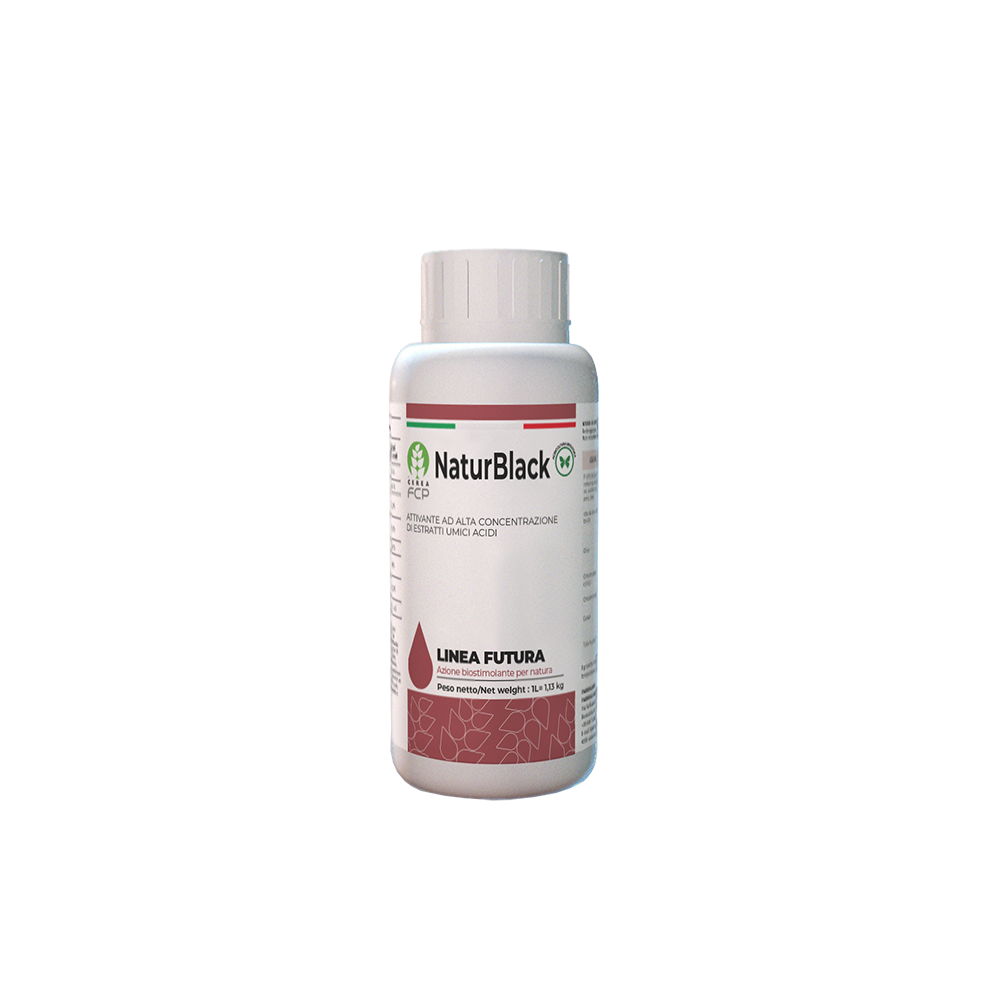
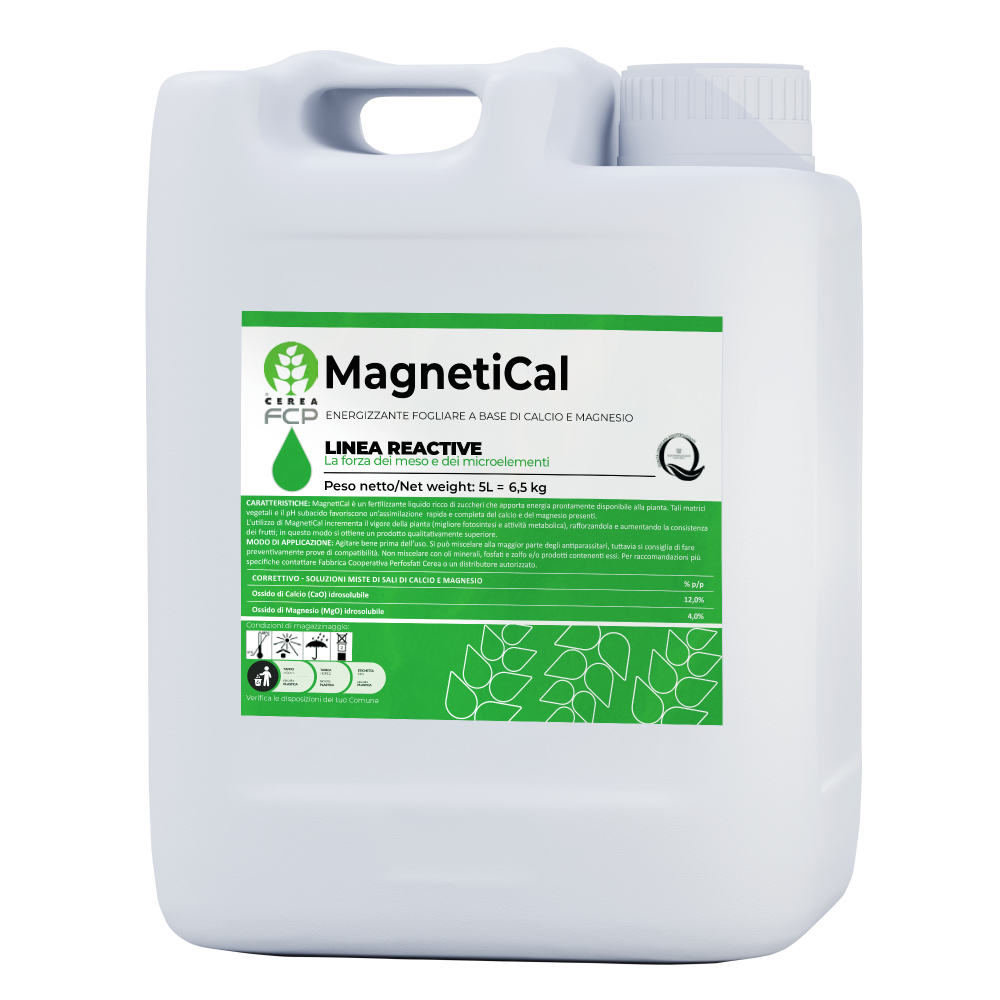
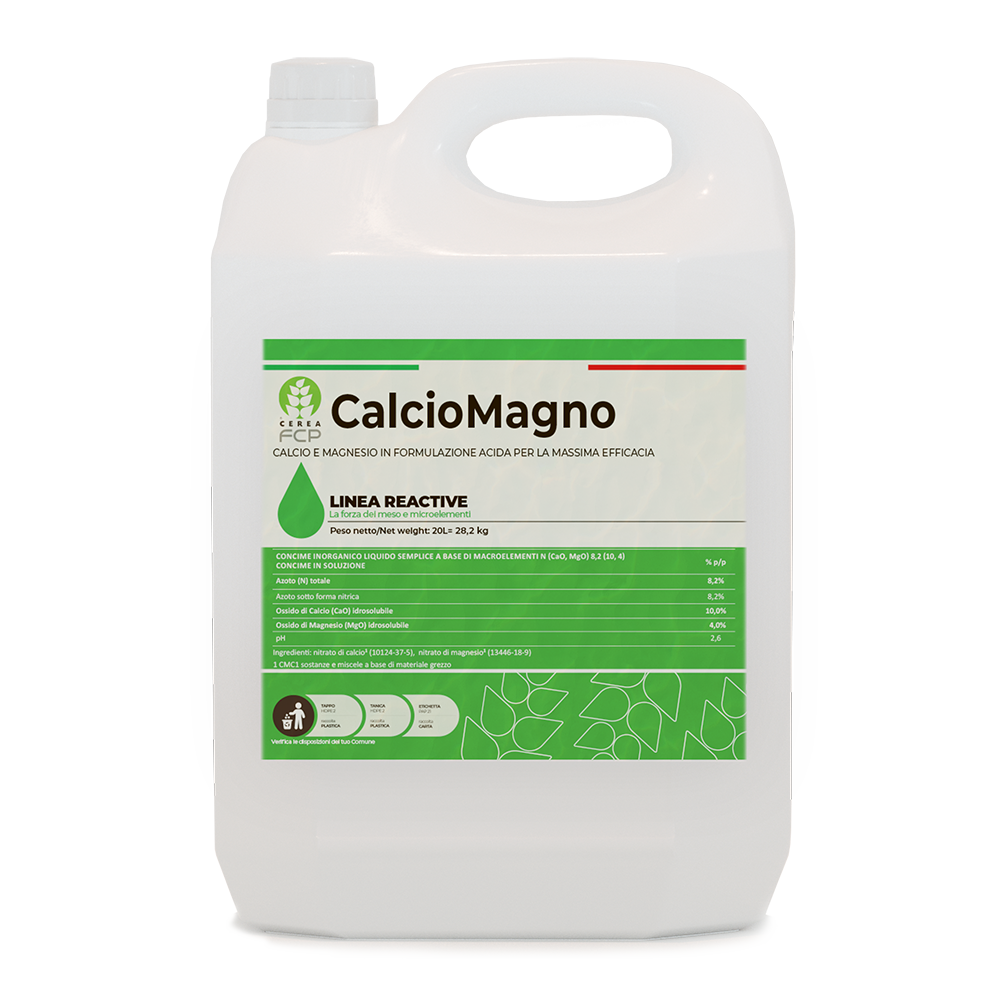
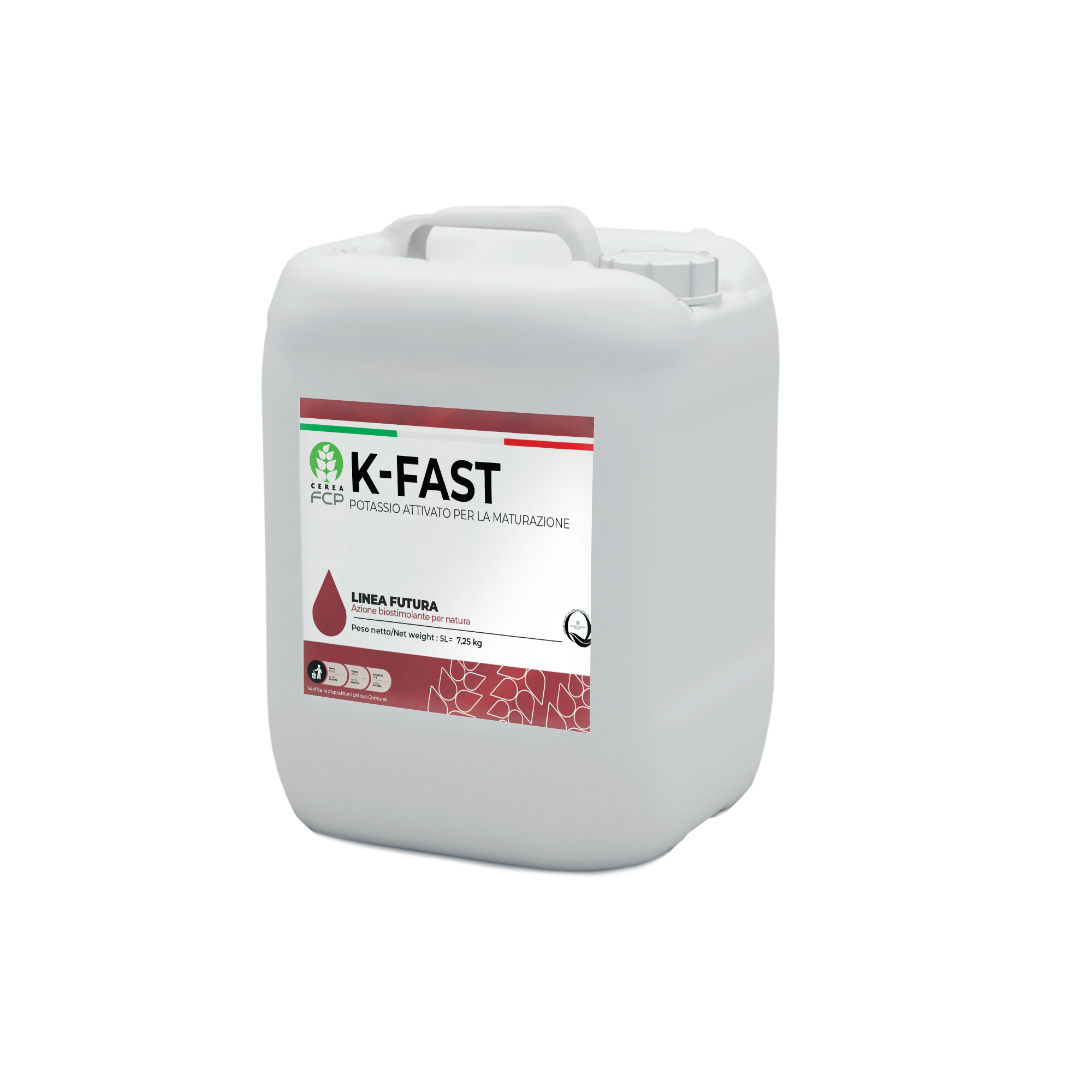
Products used in this phase


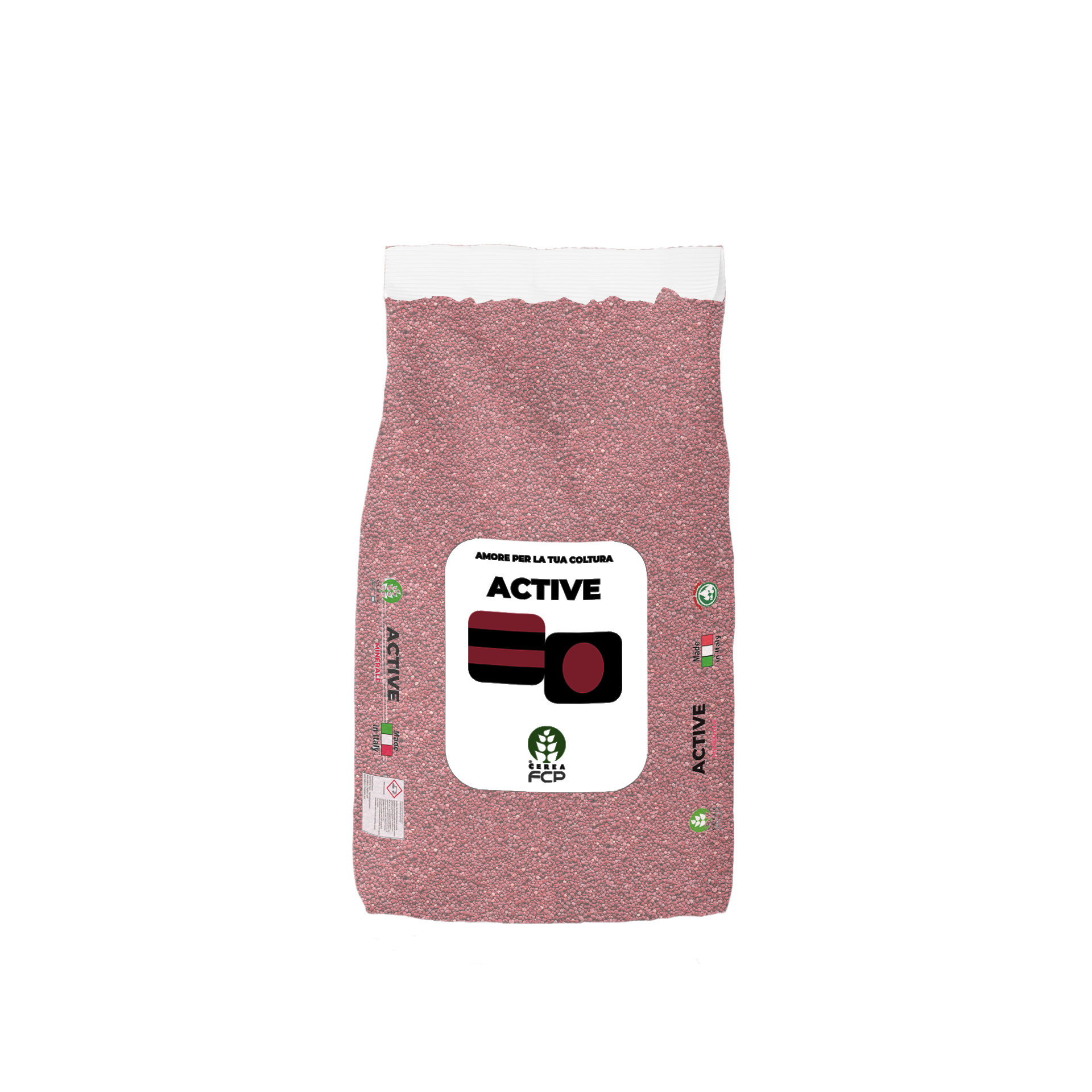
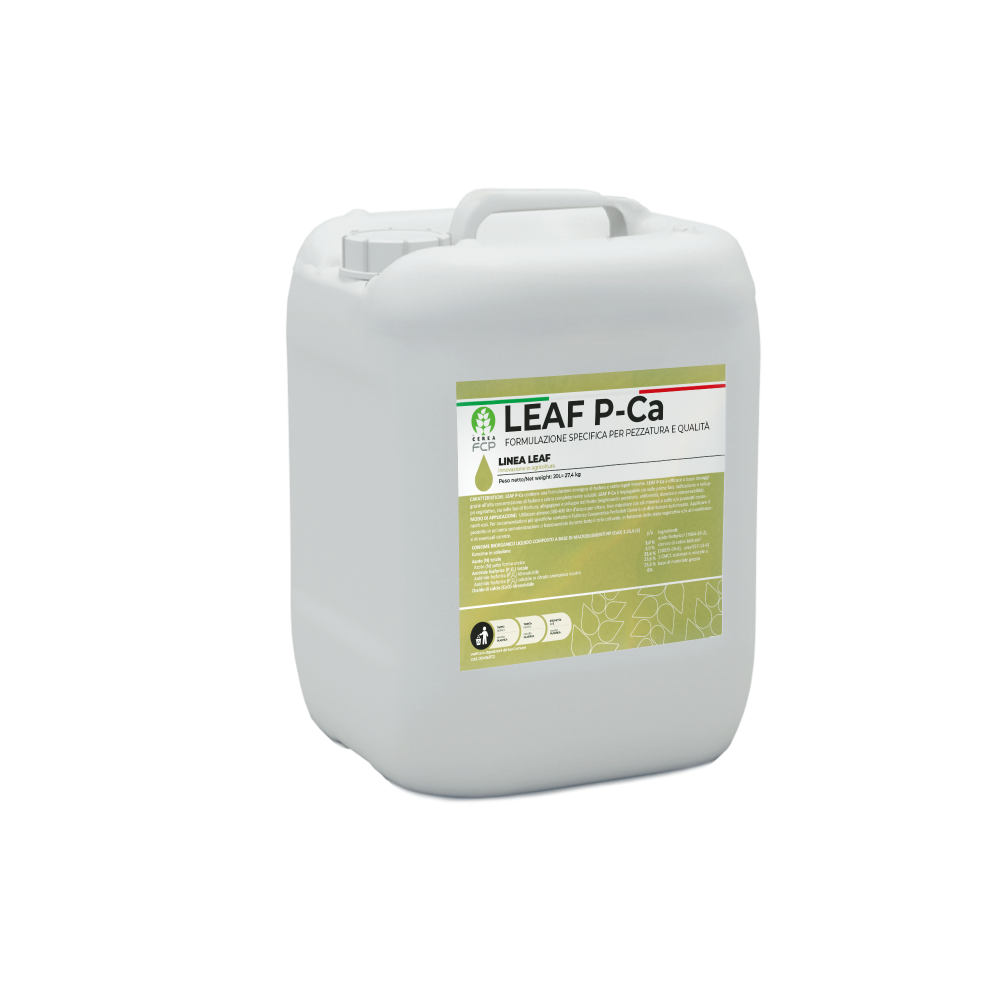
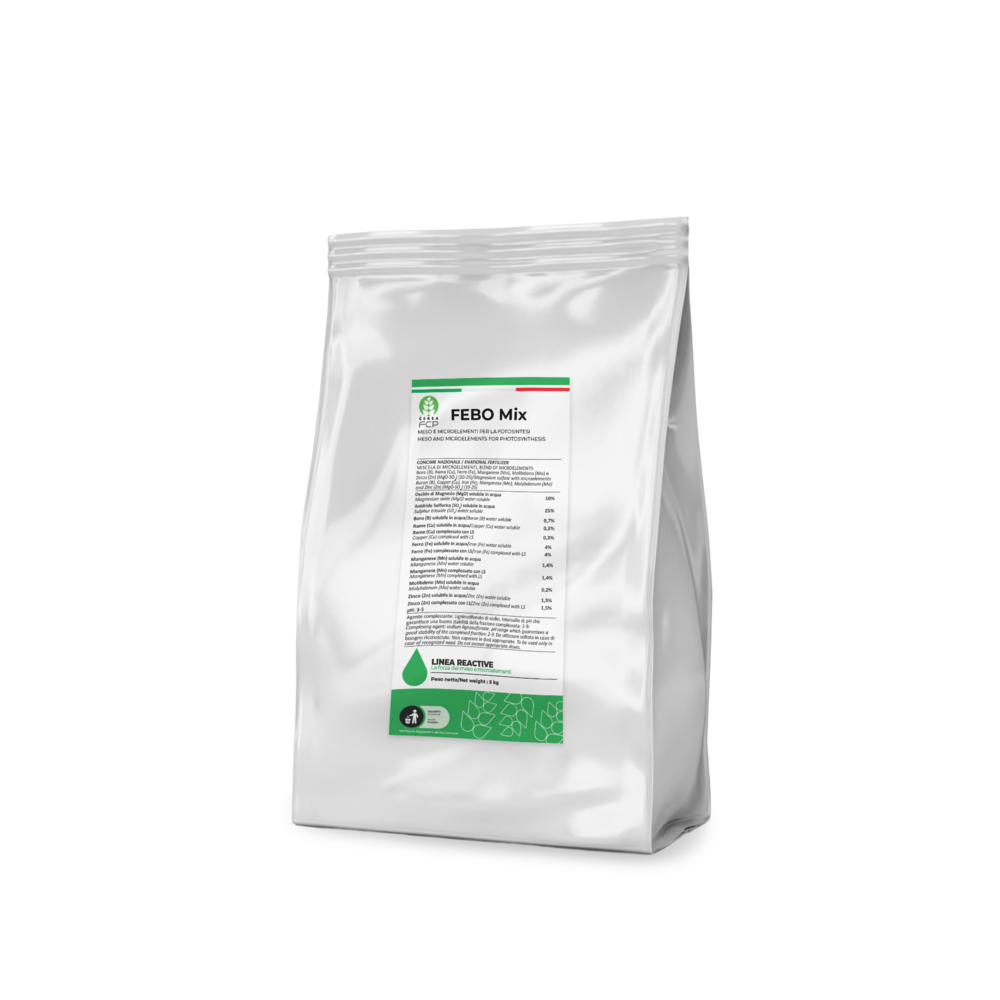

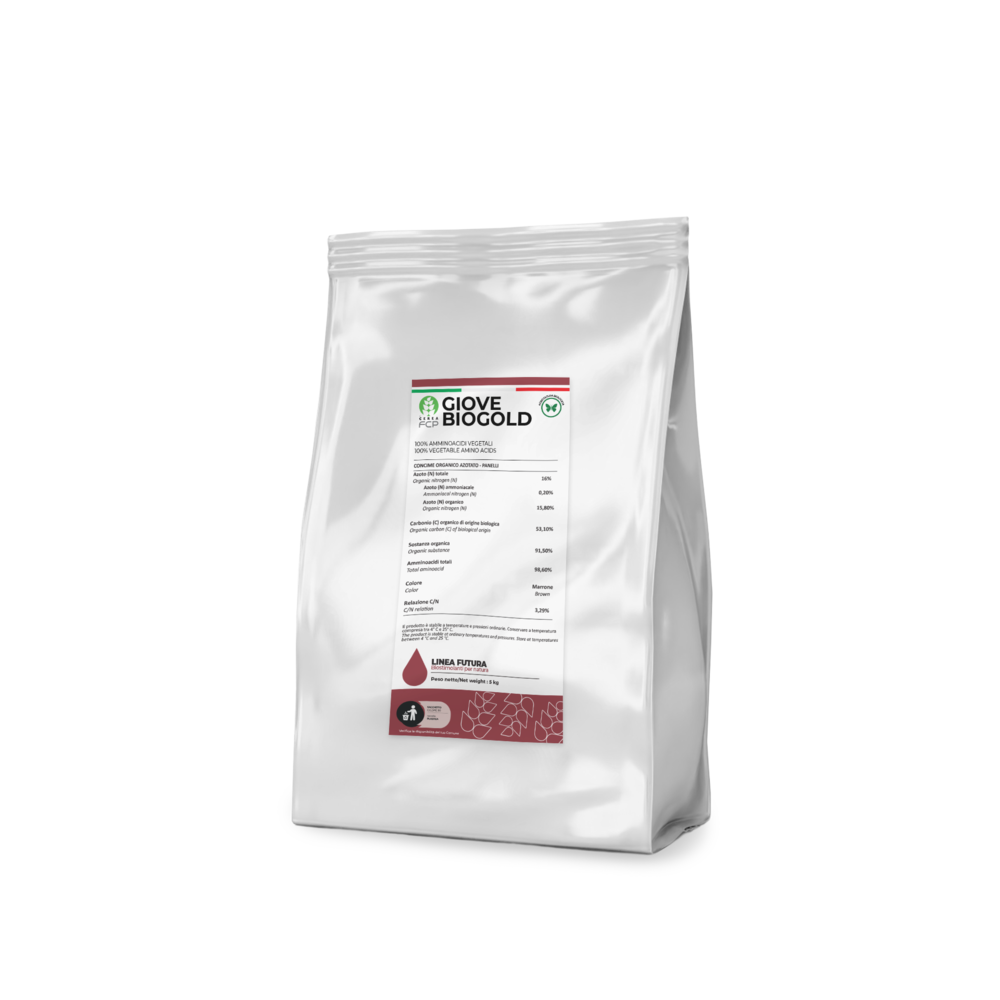







في حالات الإصابة بالكلوروز الناتج عن نقص الحديد، نوصي باستخدام Nano.T Fe عن طريق الجذور، على أن يتم تحديد الجرعة وفقًا لمؤشر الكلوروز المرتبط بالحديد في التربة.
ولتعزيز قوة النبات وزيادة مقاومته للإجهادات الحيوية وغير الحيوية، نوصي باستخدام NanoT.Cu رشًا ورقيًا كل 15 يومًا ابتداءً من مرحلة النمو الخضري.
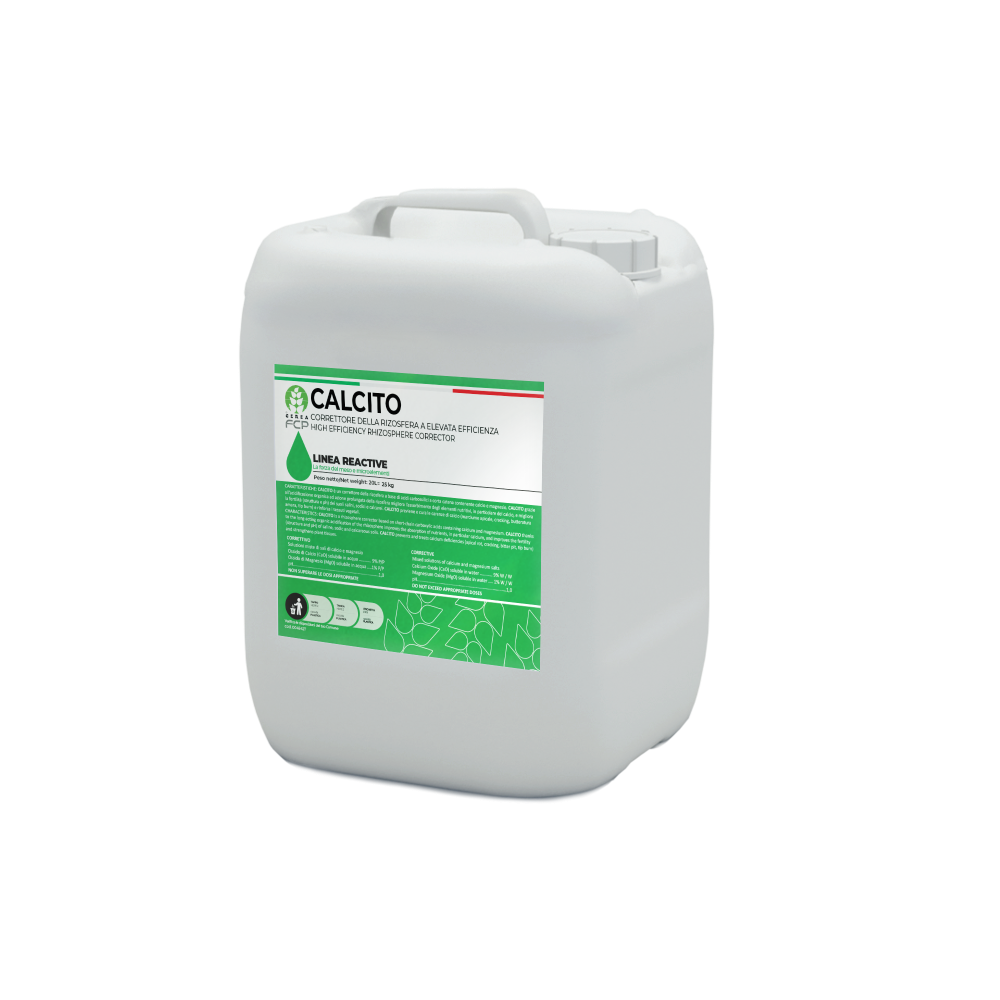
وفي الترب المالحة أو الصودية أو الجيرية ذات الرقم الهيدروجيني القلوي، يُنصح بإضافة CALCITO بمعدل 10 لتر/هكتار كل 25–30 يومًا.
ولتهيئة بيئة مناسبة للحفاظ على صحة الأوراق والبراعم والثمار، يُنصح باستخدام Nano.T Total و A-Myco.
كما يُنصح باستخدام Mycovix لتهيئة بيئة ملائمة لنمو نظام جذري صحي وقوي.

Need assistance?