


Cultivation and Fertilization of the Oil Olive
For oil olives, the goal is to maximize lipid accumulation in the pulp, which under optimal conditions represents 10–30% of the fruit’s fresh weight, as well as to optimize the number of olives produced.
The olive tree (Olea europaea) is an extraordinarily resilient species, capable of adapting to difficult soil and climatic conditions, poor and sloping terrains, and long periods of drought.
Nutritional Recommendations for the olive tree
The addition of organic matter is one of the most important aspects of olive fertilization. It improves soil structure, increases water-holding capacity, enhances soil microbial biodiversity, reduces erosion, and serves as a slow-release nutrient reservoir.
It is essential to promptly replenish the plant’s reserves by supplying macronutrients lost during fruit harvest. Organo-mineral fertilizers are recommended, though mineral products with a good ammoniacal nitrogen content can also be used to promote vegetative recovery. However, excessive nitrogen should be avoided, as it can reduce fruit quality and increase susceptibility to peacock spot.
Among the macronutrients, potassium should be consistently supplied up to harvest time, as it promotes oil accumulation in the drupes. During pre-flowering, products containing organic nitrogen and high concentrations of amino acids can stimulate flowering, helping to mitigate alternate bearing and alleviate climatic or phytosanitary stress.
In summary, olive oil groves—compared to table olive groves—tolerate higher nitrogen levels and allow fertilization strategies more focused on maximizing productivity and lipid content.
Below, you’ll find the most effective strategies for proper OLIVE FERTILIZATION for olive oil production, promoting balanced vegetative growth, improved fruit set, and enhanced oil yield.
PRESS THE GREEN BUTTON TO DOWNLOAD THE TECHNICAL LINE IN ENGLISH, BUTTON 2 IS FOR THE ONE IN FRENCH
APPUYEZ SUR LE BOUTON VERT POUR TÉLÉCHARGER LA FICHE TECHNIQUE EN ANGLAIS, LE BOUTON 2 POUR CELLE EN FRANÇAIS.

PRODUCT POSITIONING BY PHENOLOGICAL PHASE - MIDDLE EAST LINE






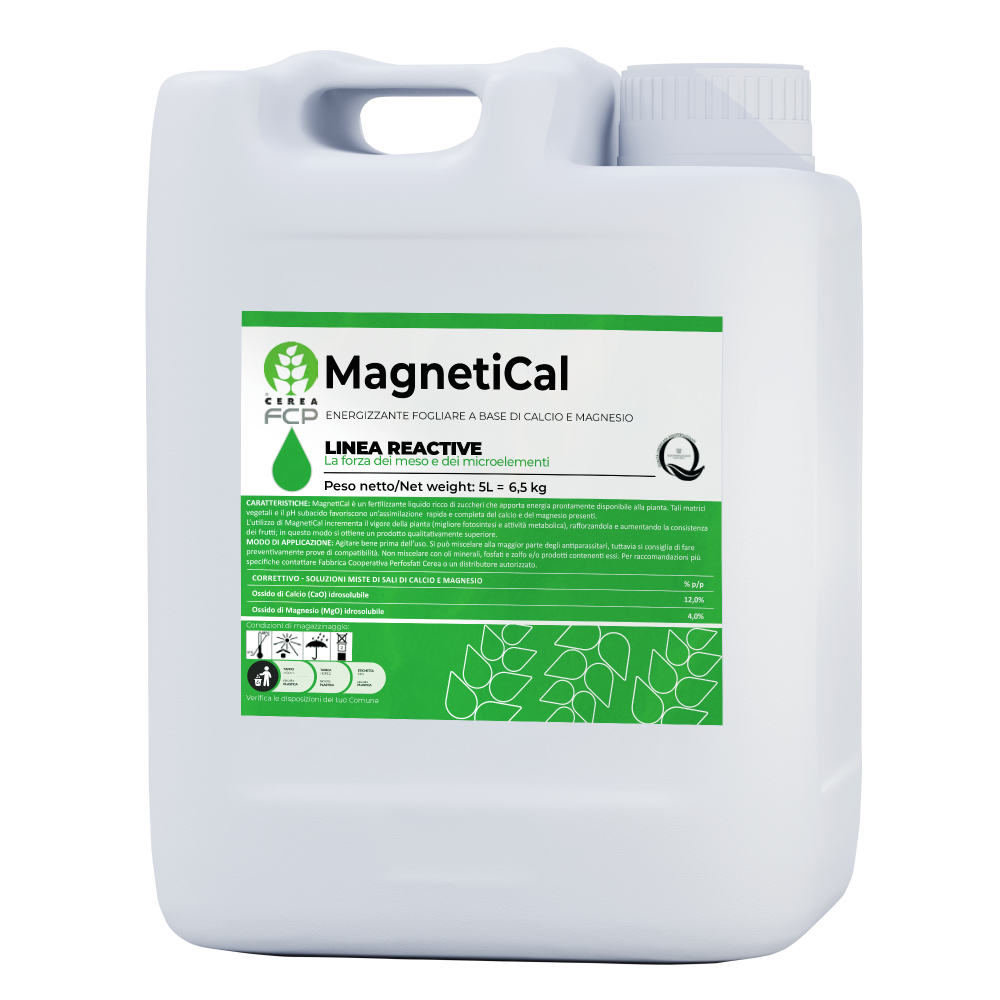
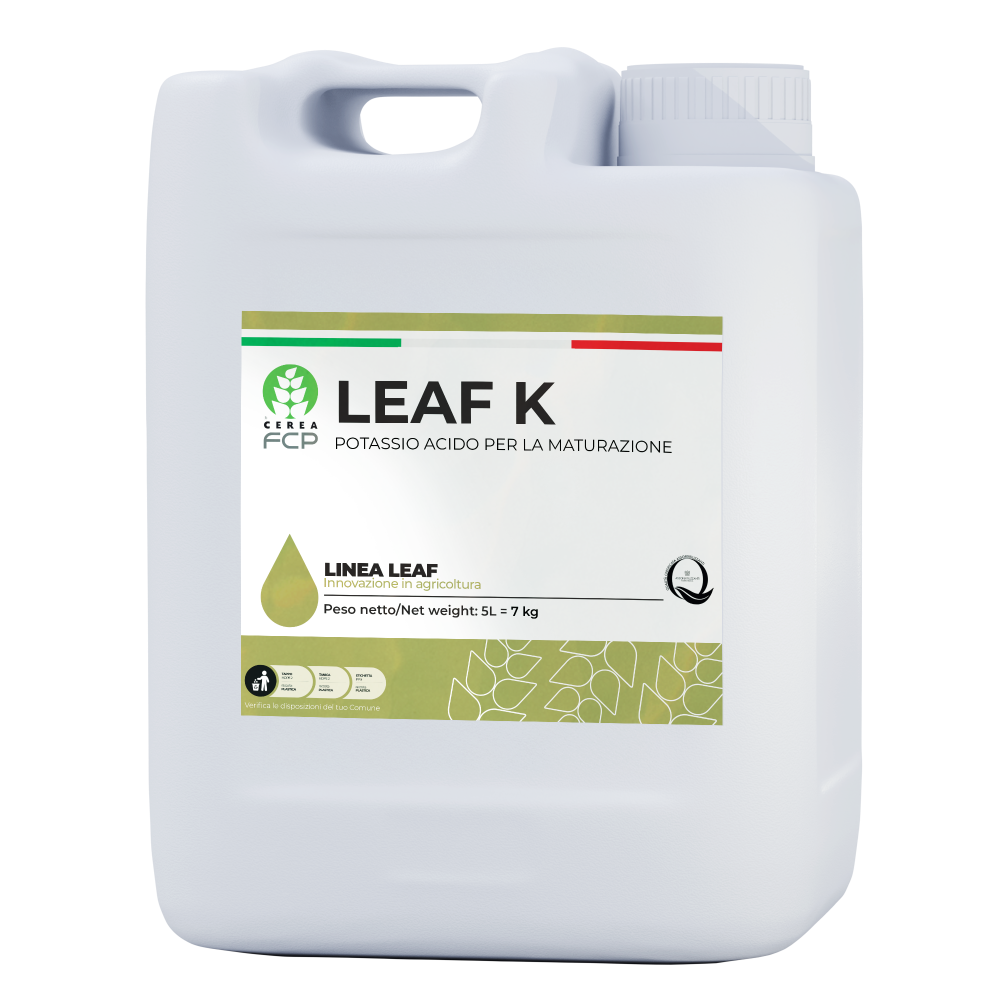

في حالات الإصابة بالكلوروز الناتج عن نقص الحديد، نوصي باستخدام Nano.T Fe عن طريق الجذور، على أن يتم تحديد الجرعة وفقًا لمؤشر الكلوروز المرتبط بالحديد في التربة.
ولتعزيز قوة النبات وزيادة مقاومته للإجهادات الحيوية وغير الحيوية، نوصي باستخدام NanoT.Cu رشًا ورقيًا كل 15 يومًا ابتداءً من مرحلة النمو الخضري.
وفي الترب المالحة أو الصودية أو الجيرية ذات الرقم الهيدروجيني القلوي، يُنصح بإضافة CALCITO بمعدل 10 لتر/هكتار كل 25–30 يومًا.
ولتهيئة بيئة مناسبة للحفاظ على صحة الأوراق والبراعم والثمار، يُنصح باستخدام Nano.T Total و A-Myco.
كما يُنصح باستخدام Mycovix لتهيئة بيئة ملائمة لنمو نظام جذري صحي وقوي.


Main Challenges in Oil Olive Cultivation
The spread of Xylella fastidiosa represents the most serious phytosanitary threat to olive cultivation in various Italian regions.
Another major issue in oil olive production is peacock spot, a fungal disease caused by Spilocaea oleaginea. It appears as circular grayish or dark green spots on leaves, surrounded by a yellow halo of varying size; when widespread, it compromises photosynthesis. Copper-based protective treatments are essential to contain infections.
A further critical issue is alternate bearing, especially in orchards that are not properly managed from a nutritional standpoint.
Need assistance?