



Cultivation and Fertilization of the Orange Tree
The orange (Citrus × sinensis) is one of the most widely cultivated citrus species in the world. In Italy, it finds optimal growing conditions mainly in southern regions and coastal areas with mild climates. The ideal soil is loose or medium-textured, fertile, well-drained, and has a pH between 6.5 and 7.5.
Italian oranges are distinguished by their high organoleptic quality, long-lasting productivity—often spanning several decades—and their ability to stabilize soils and preserve landscapes.
However, the effects of climate change are causing increasingly irregular flowering and ripening patterns. Moreover, the widespread presence of calcareous soils has led to the occurrence of iron chlorosis in many citrus orchards. Special attention should also be given to protection against fungi, insects, and slugs/snails; therefore, it is advisable to create environments that help maintain healthy leaves, shoots, and fruits.
Nutritional Advice for the Orange Tree
Targeted and balanced fertilization is essential to support production, improve fruit quality, and increase resistance to environmental stress.
Key Nutrients
- The use of organo-mineral NPK fertilizers ensures a constant and sustainable supply of nutrients.
- Iron (Fe): a crucial element for preventing and controlling iron chlorosis. It should be applied regularly, depending on the soil’s active lime content.
- Calcium (Ca): important after flowering to improve peel firmness and extend fruit shelf life.
- Boron (B), Magnesium (Mg), Manganese (Mn), Zinc (Zn), and Copper (Cu): essential micronutrients to be supplied via foliar application or fertigation to stimulate flowering and fruit set.
Use of Biostimulants
The integration of biostimulants based on free amino acids promotes rapid absorption and translocation of nutrients, enhancing the plant’s resilience during periods of stress (heat, drought, or temperature fluctuations).
Follow our guidelines for dosage and application methods, specifically aimed at reducing iron chlorosis, increasing fruit set, and improving fruit quality and shelf life.

PRODUCT POSITIONING BY PHENOLOGICAL PHASE - MIDDLE EAST LINE

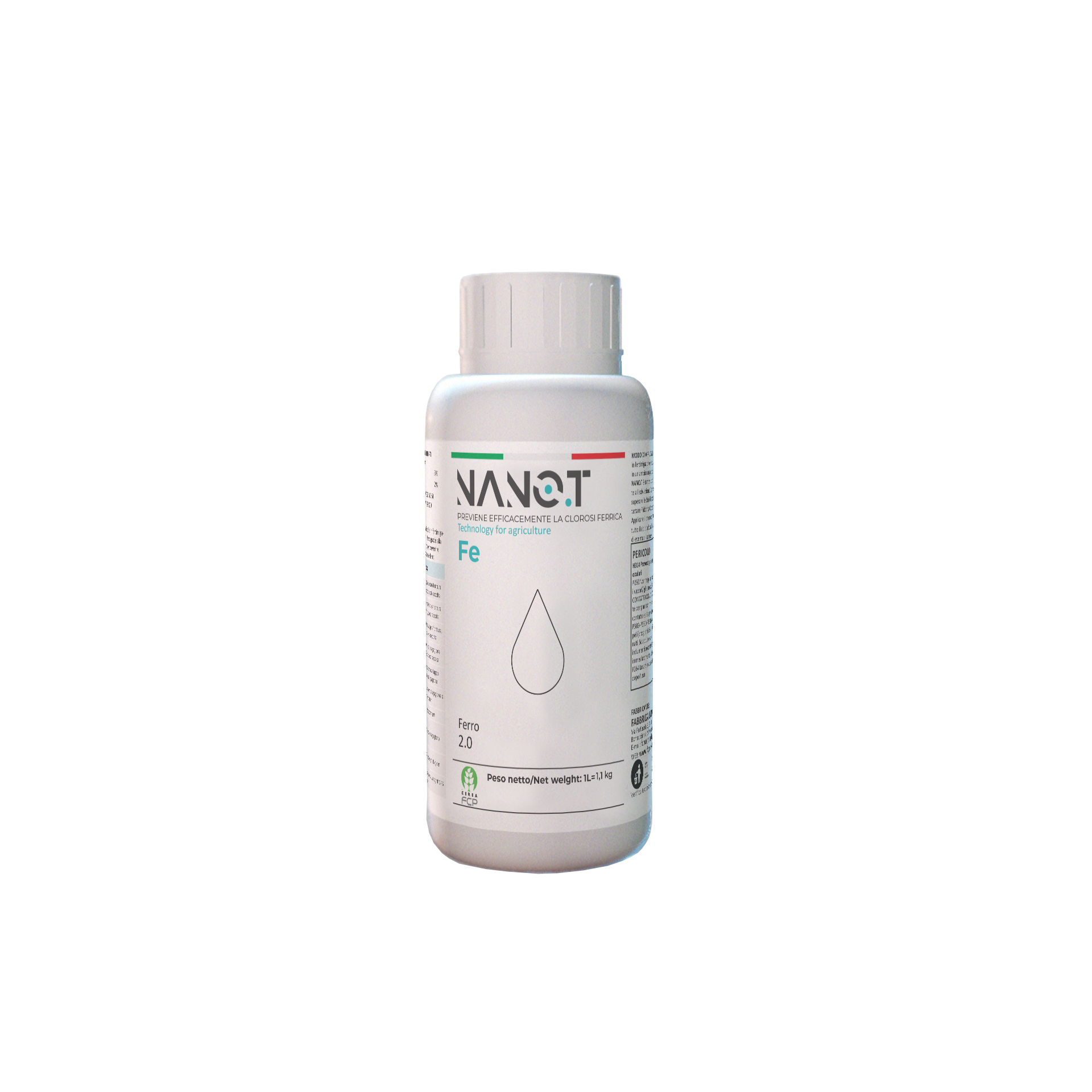



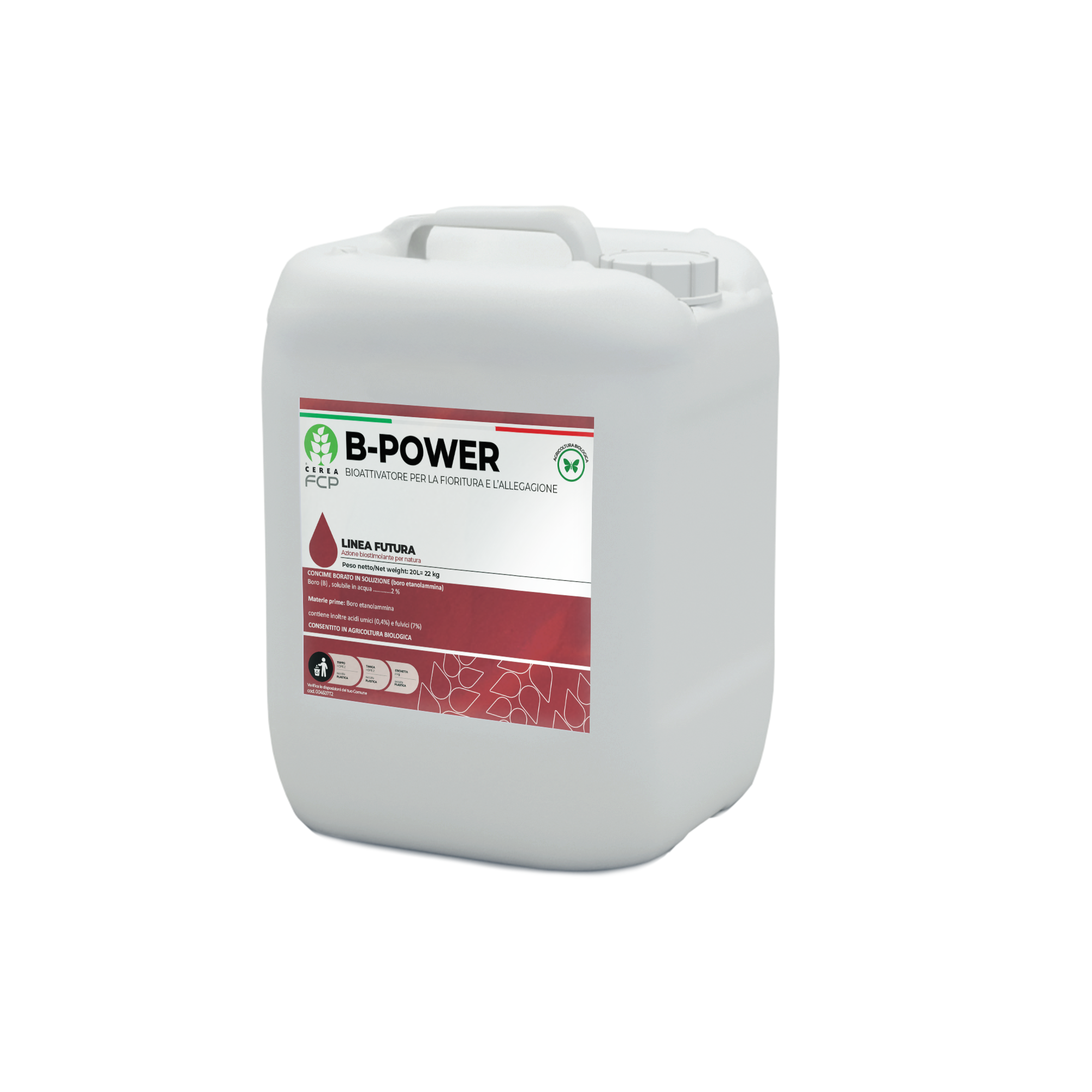

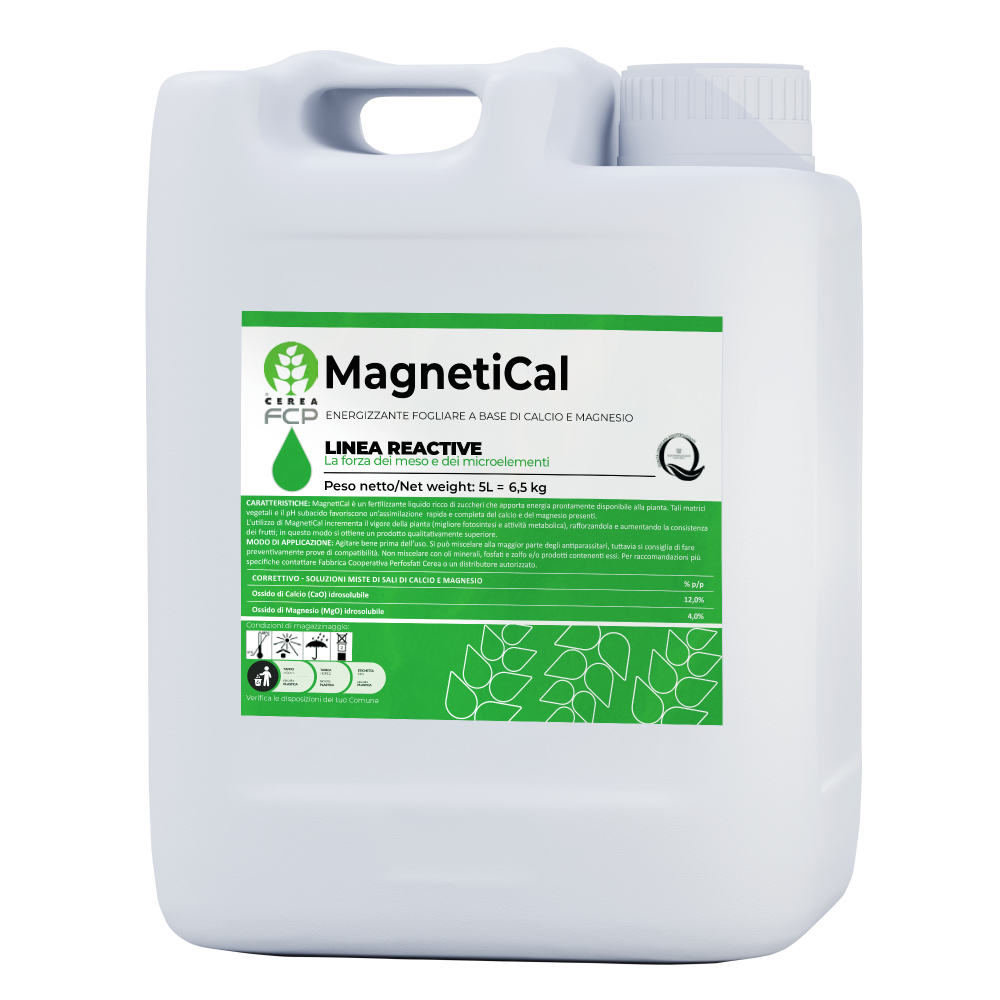


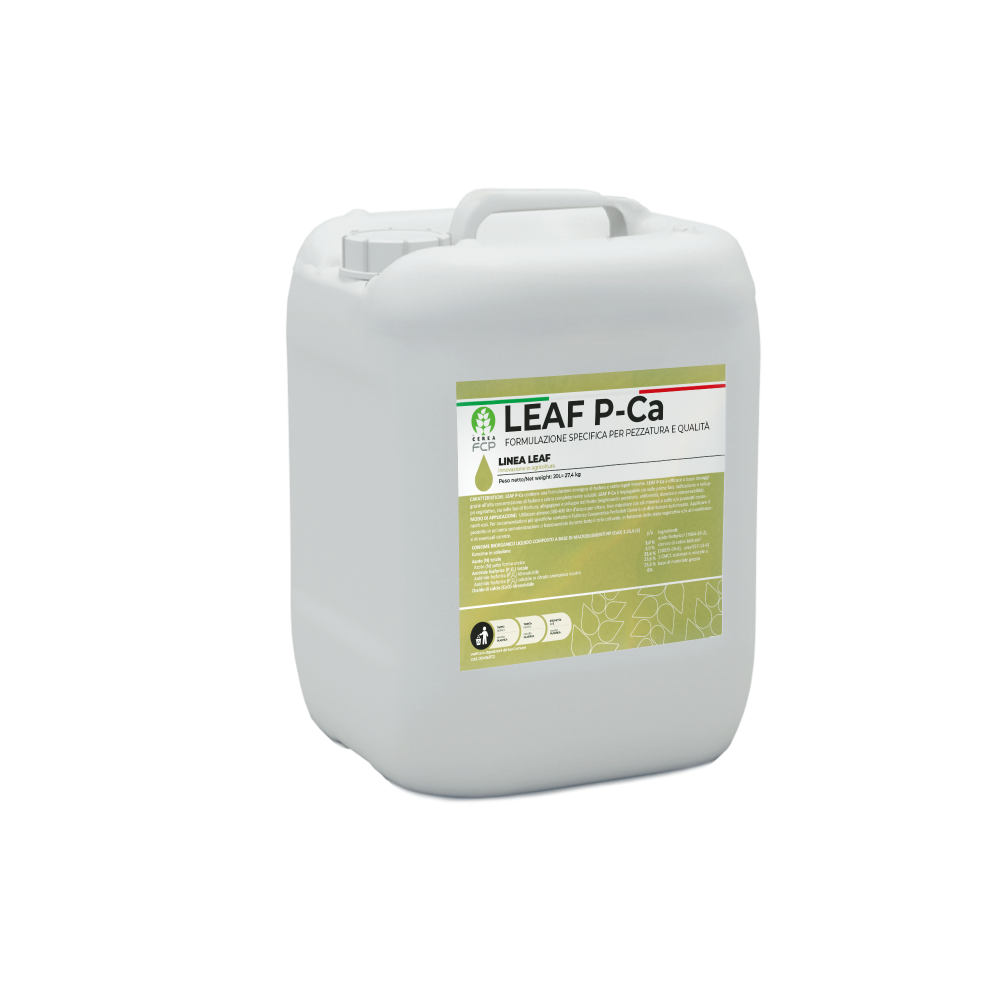
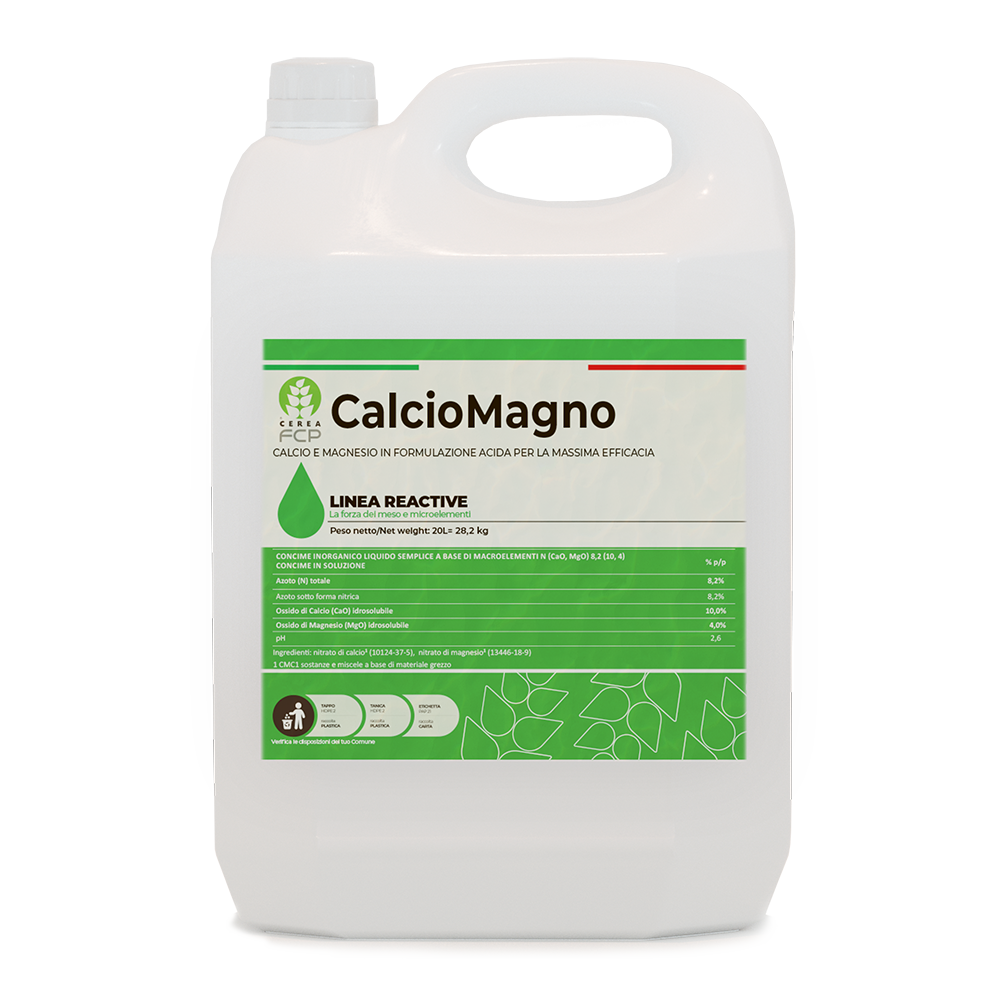
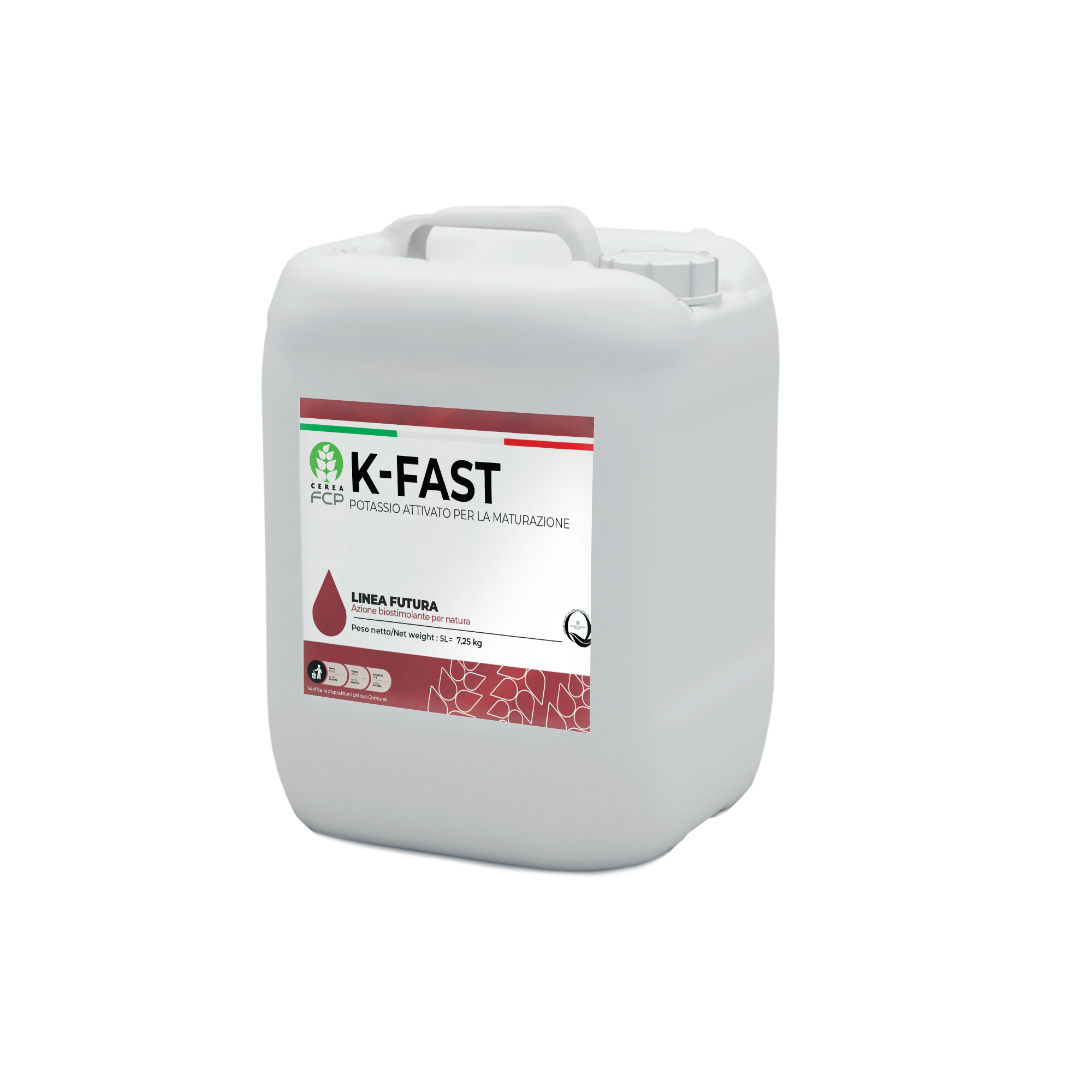

في حالات الإصابة بالكلوروز الناتج عن نقص الحديد، نوصي باستخدام Nano.T Fe عن طريق الجذور، على أن يتم تحديد الجرعة وفقًا لمؤشر الكلوروز المرتبط بالحديد في التربة.
ولتعزيز قوة النبات وزيادة مقاومته للإجهادات الحيوية وغير الحيوية، نوصي باستخدام NanoT.Cu رشًا ورقيًا كل 15 يومًا ابتداءً من مرحلة النمو الخضري.
وفي الترب المالحة أو الصودية أو الجيرية ذات الرقم الهيدروجيني القلوي، يُنصح بإضافة CALCITO بمعدل 10 لتر/هكتار كل 25–30 يومًا.
ولتهيئة بيئة مناسبة للحفاظ على صحة الأوراق والبراعم والثمار، يُنصح باستخدام Nano.T Total و A-Myco.
كما يُنصح باستخدام Mycovix لتهيئة بيئة ملائمة لنمو نظام جذري صحي وقوي.
Need assistance?