


The cultivation of pepper
The pepper market is dominated by a few countries representing three-quarters of global production: China, Mexico, Indonesia, Turkey, and Spain, with China leading by a wide margin.
From a nutritional standpoint, peppers are rich in vitamin C. Agronomic challenges include blossom-end rot, flower drop under high temperatures, and fruit cracking. Some varieties are also particularly sensitive to nematodes.
Nutritional advice for pepper
- Base fertilization should include adequate phosphorus (P) and potassium (K), while nitrogen should be supplied in appropriate doses, as excess nitrogen promotes excessive vegetative growth at the expense of fruiting and fruit quality.
- Pepper grows slowly and is subject to stress in early development stages. Root growth should be stimulated using products containing humic acids or amino acids combined with calcium (essential during fruit set and development) and magnesium.
- Pre-harvest potassium application enhances the fruit’s organoleptic qualities.
- Products containing microbial pools are recommended to regenerate tired soils and counteract pathogens.
Follow these strategies to optimize pepper fertilization and achieve high-quality, healthy fruits.

PRODUCT POSITIONING BY PHENOLOGICAL PHASE - MIDDLE EAST LINE
Products used in this phase


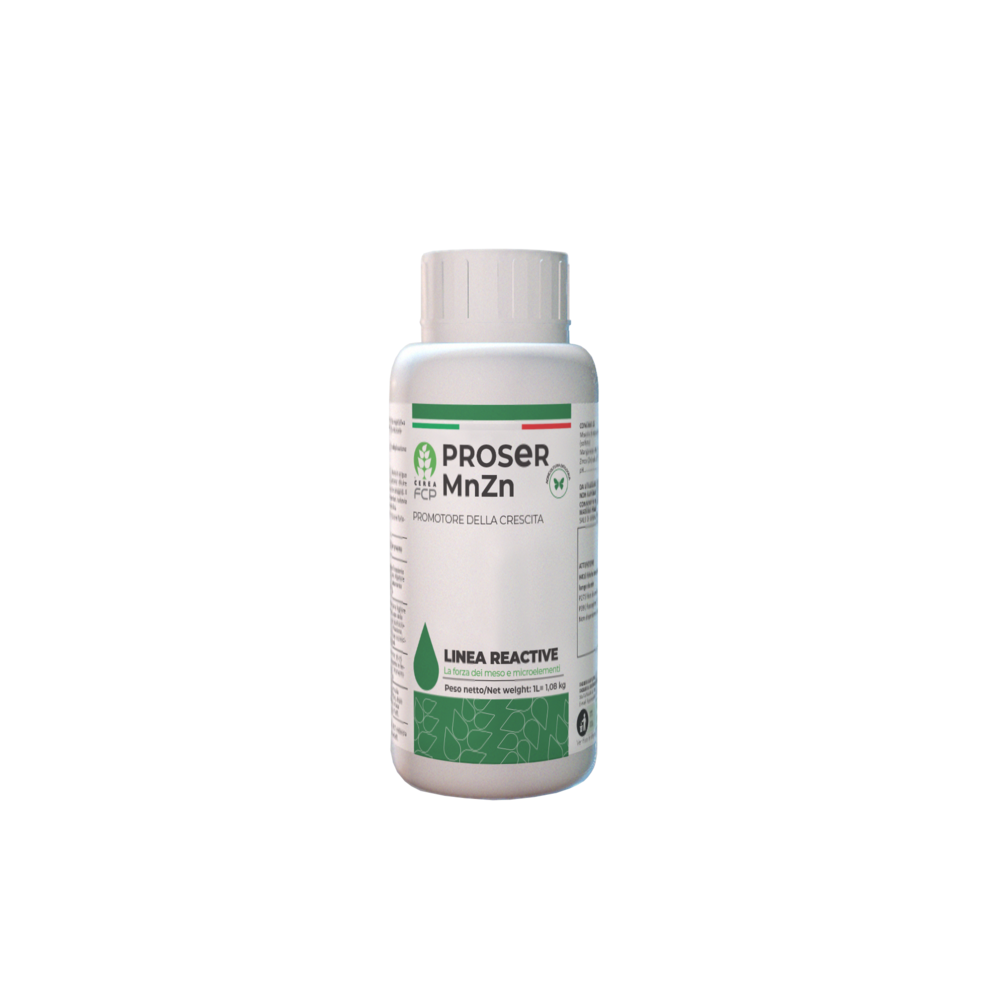
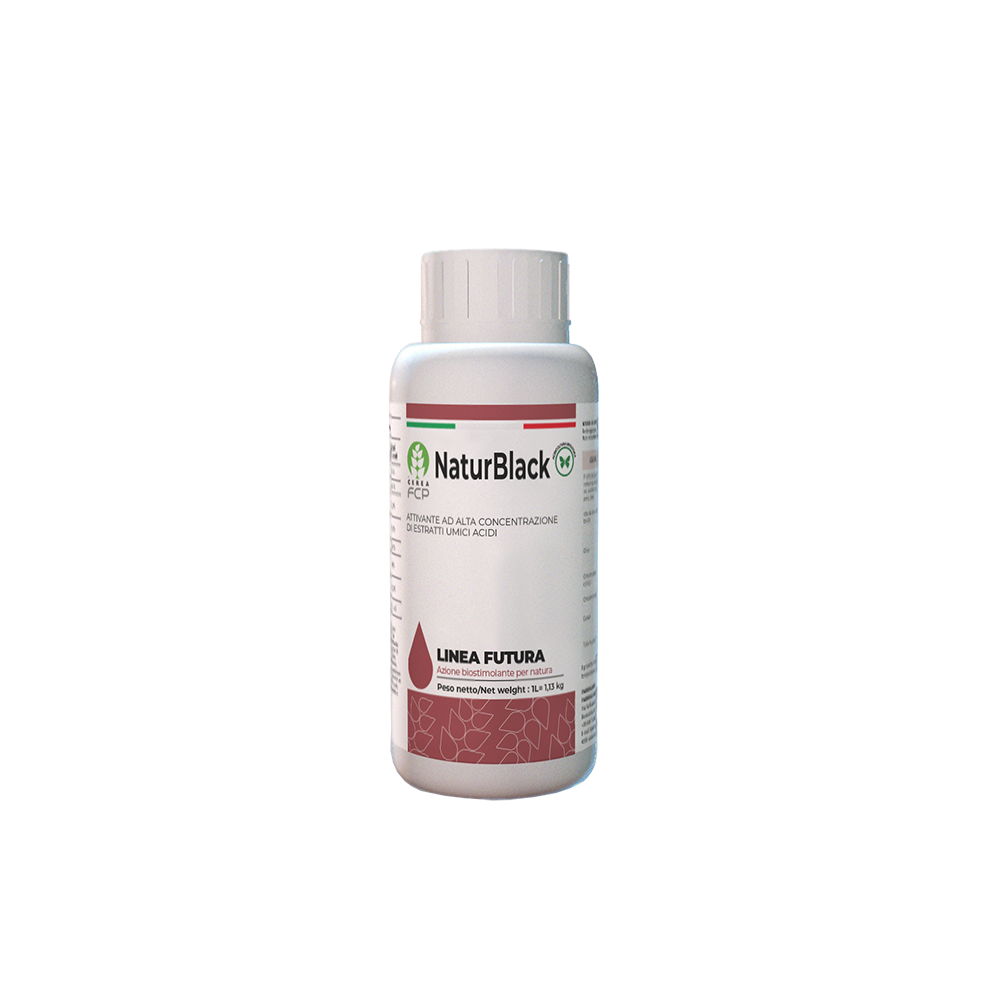
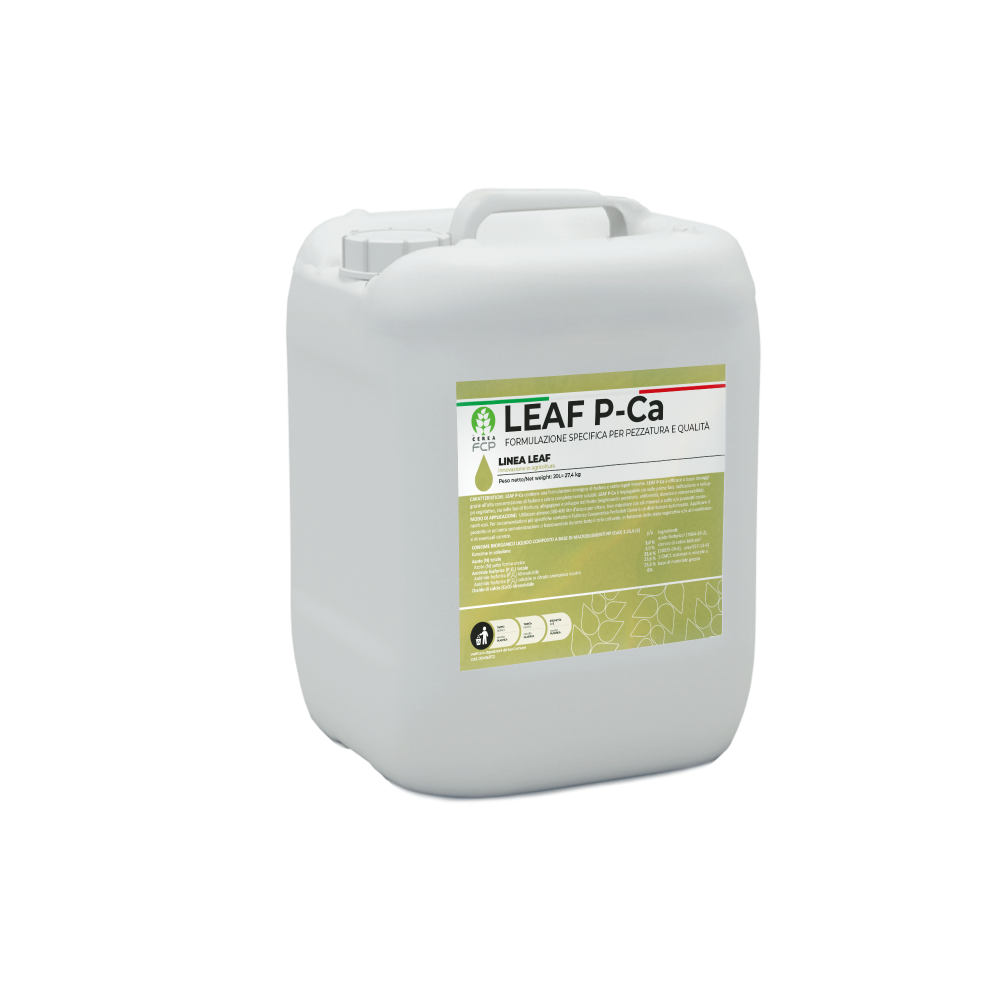


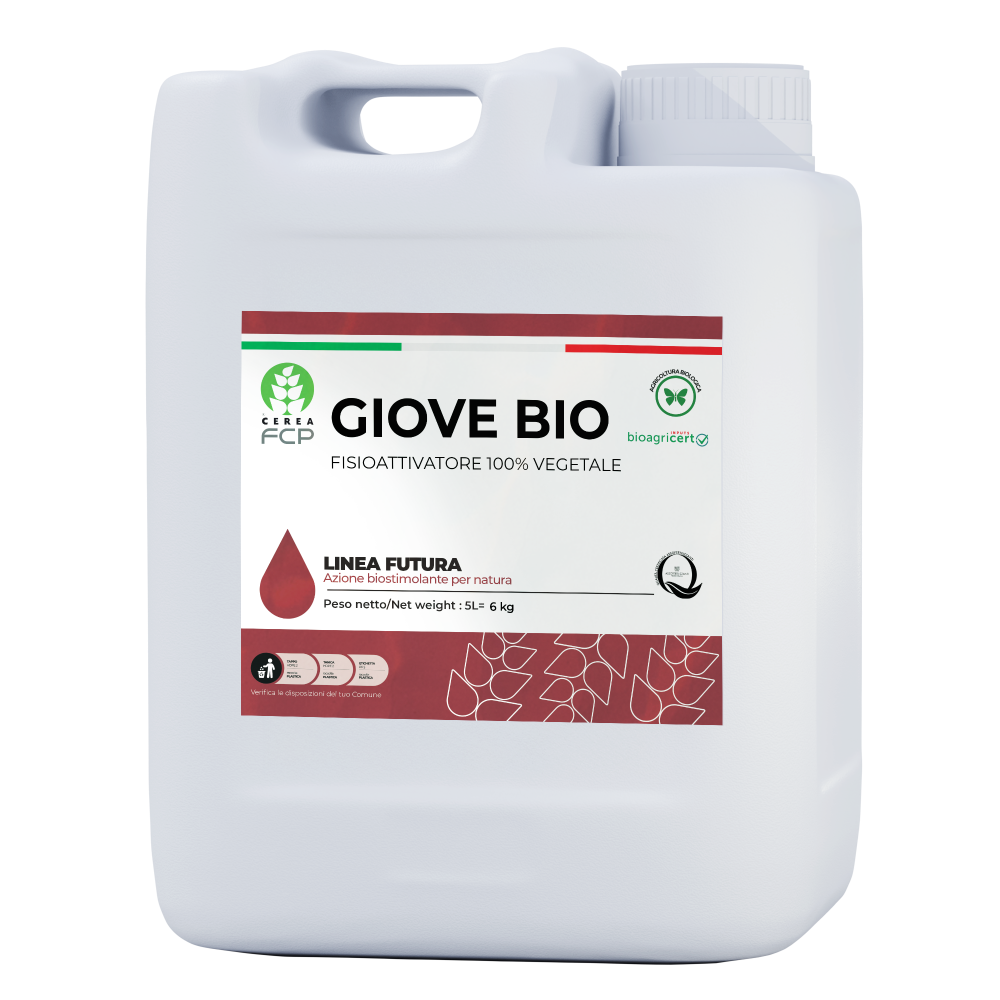
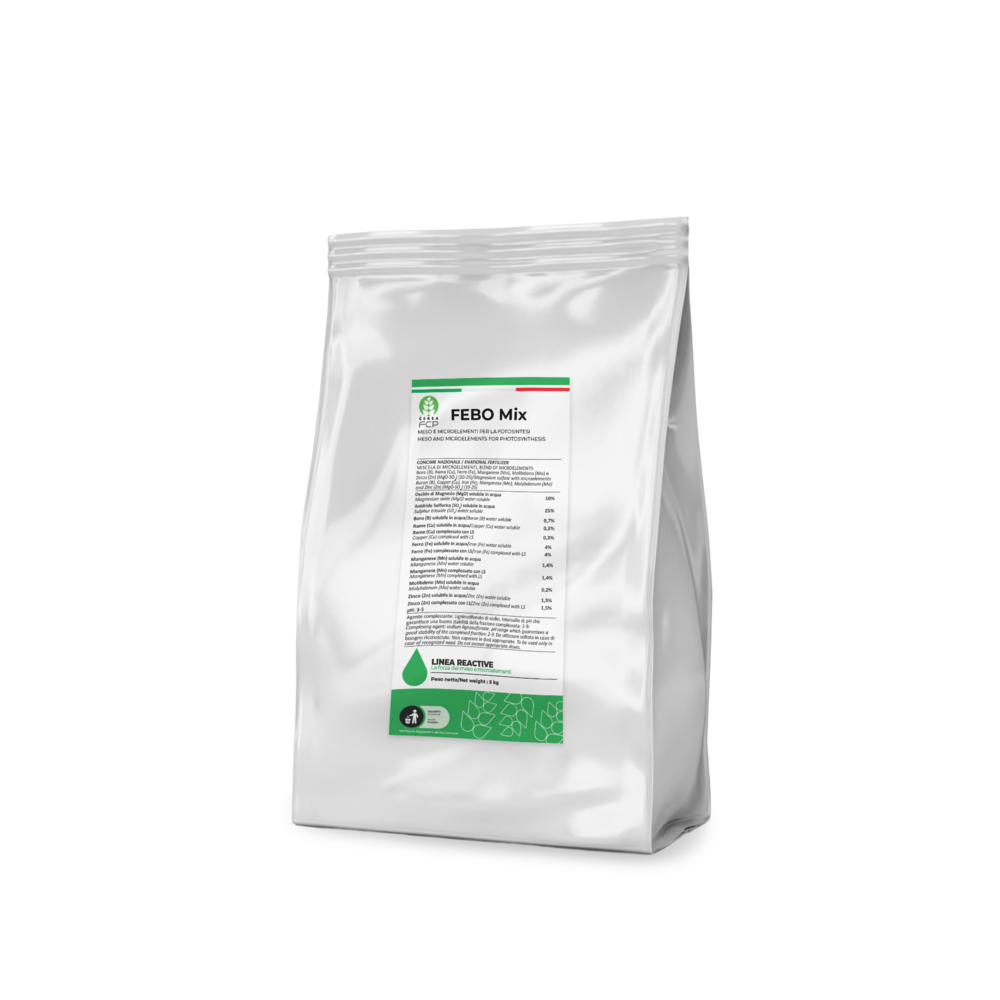

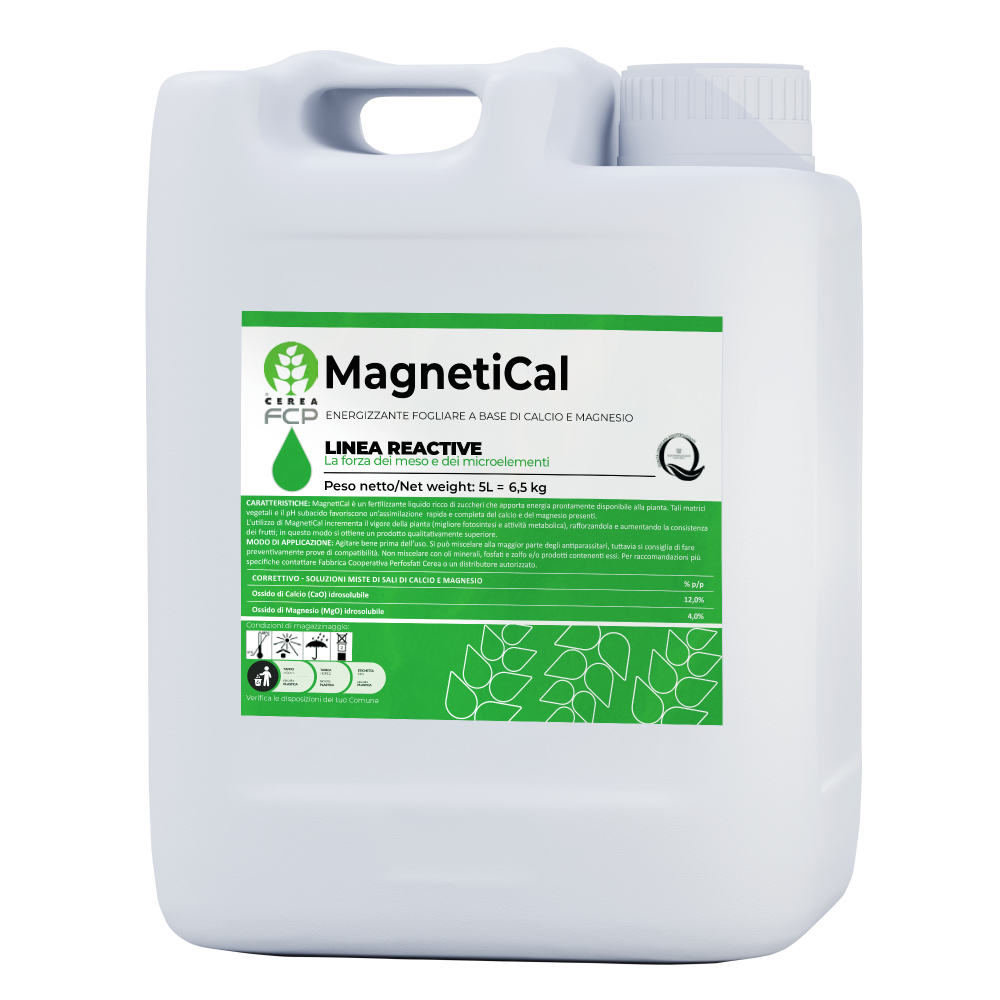

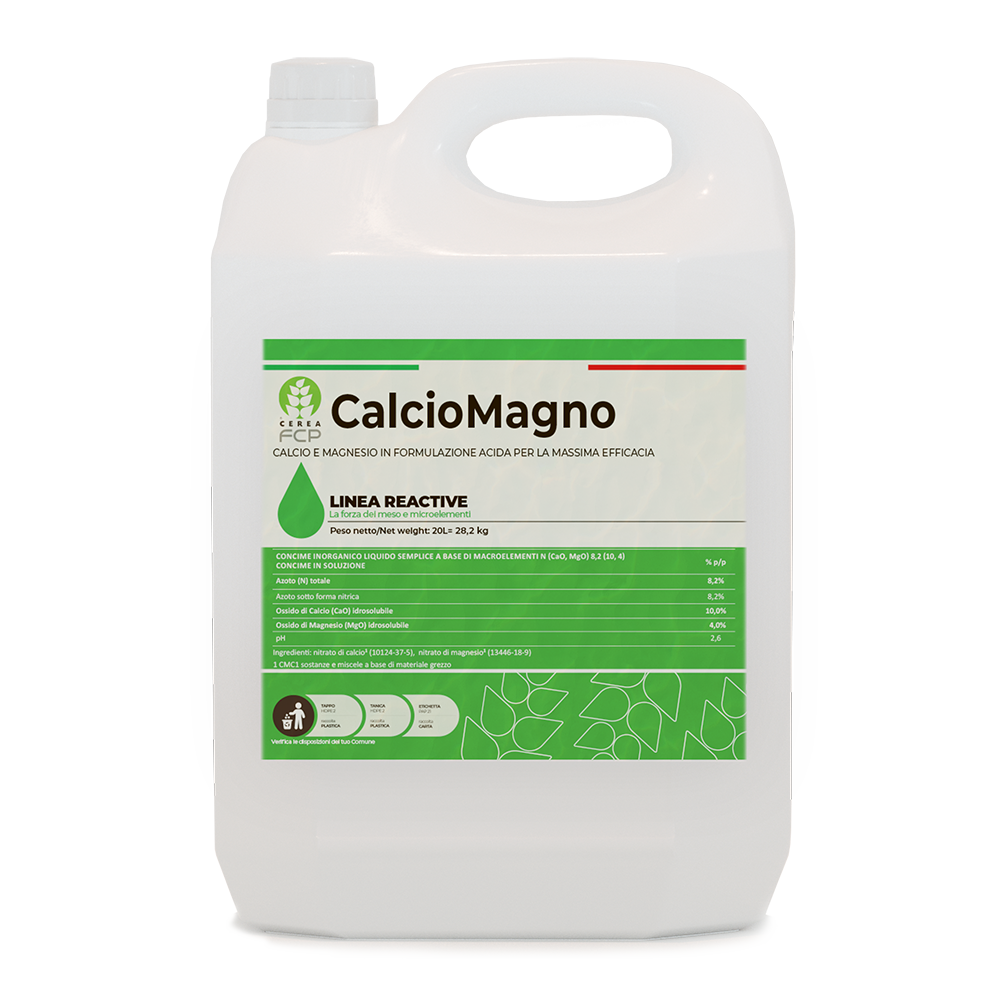

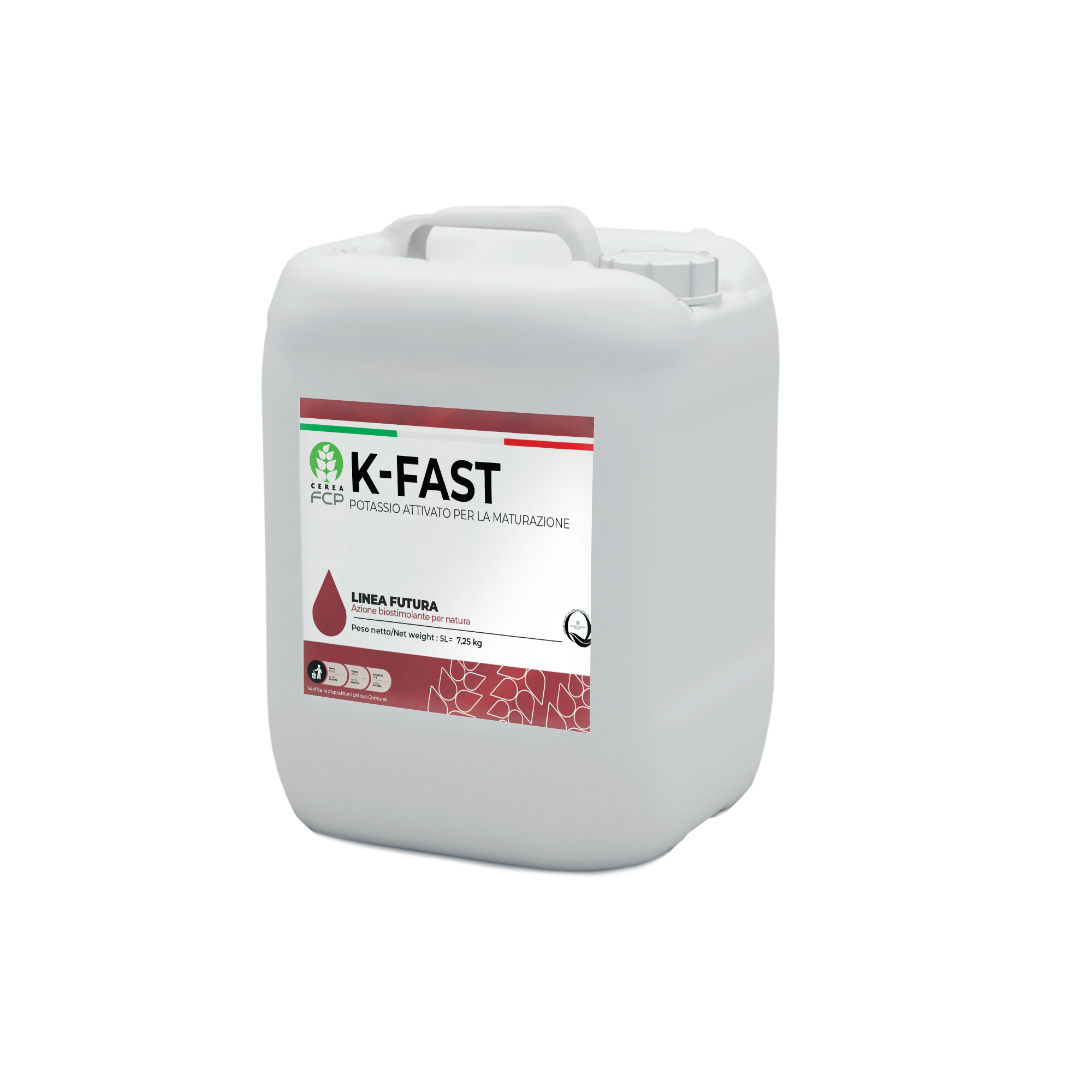

في حالات الإصابة بالكلوروز الناتج عن نقص الحديد، نوصي باستخدام Nano.T Fe عن طريق الجذور، على أن يتم تحديد الجرعة وفقًا لمؤشر الكلوروز المرتبط بالحديد في التربة.
ولتعزيز قوة النبات وزيادة مقاومته للإجهادات الحيوية وغير الحيوية، نوصي باستخدام NanoT.Cu رشًا ورقيًا كل 15 يومًا ابتداءً من مرحلة النمو الخضري.
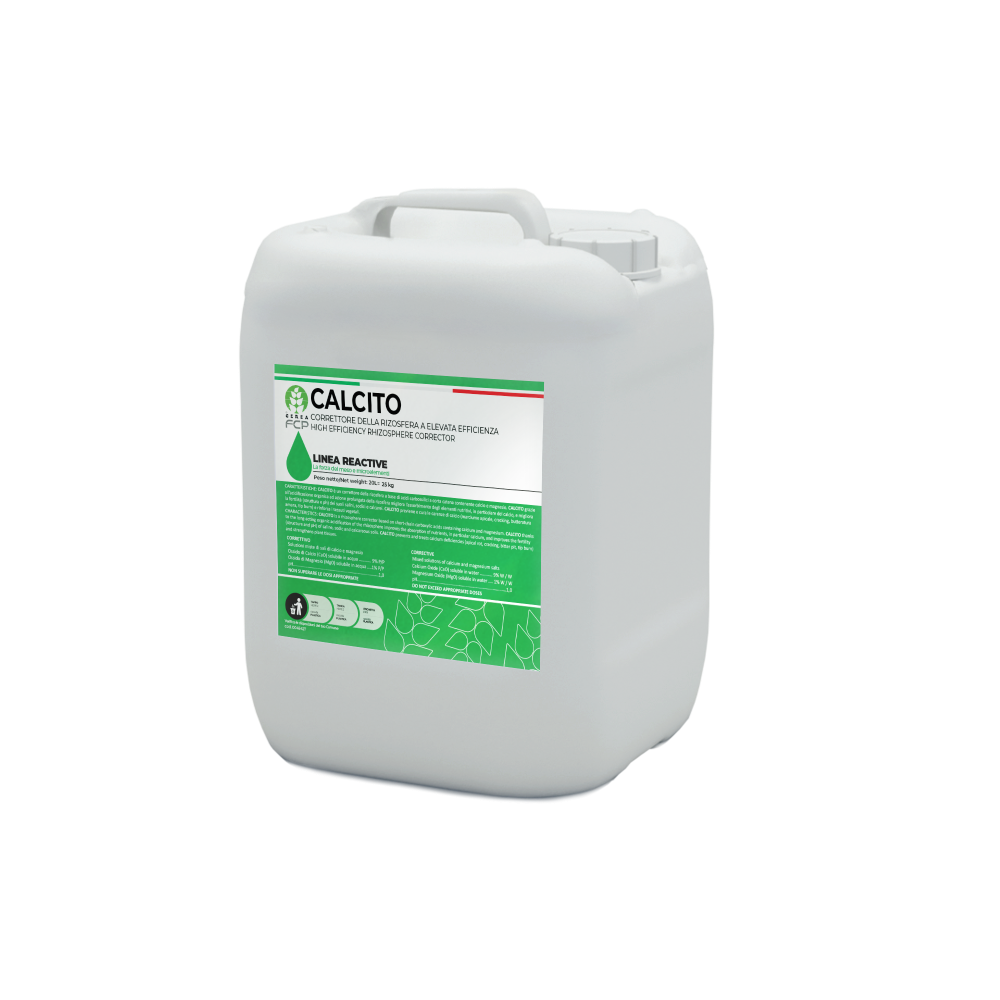
وفي الترب المالحة أو الصودية أو الجيرية ذات الرقم الهيدروجيني القلوي، يُنصح بإضافة CALCITO بمعدل 10 لتر/هكتار كل 25–30 يومًا.
ولتهيئة بيئة مناسبة للحفاظ على صحة الأوراق والبراعم والثمار، يُنصح باستخدام Nano.T Total و A-Myco.
كما يُنصح باستخدام Mycovix لتهيئة بيئة ملائمة لنمو نظام جذري صحي وقوي.

Need assistance?