



Pomegranate cultivation and fertilization
Pomegranate (Punica granatum L.) is an ancient fruit native to a region spanning from Iran to the Himalayas in northern India. The leading producers are India, China, and Iran, which together account almost 76% of world production. The crop requires relatively minimal inputs compared to many other fruit trees, making it economically viable for smallholder farmers. Pomegranates are highly valued for their rich nutritional content, combining modest caloric value with significant levels of vitamins, minerals, fiber, and beneficial phytochemicals.
PRODUCT POSITIONING BY PHENOLOGICAL PHASE - MIDDLE EAST LINE

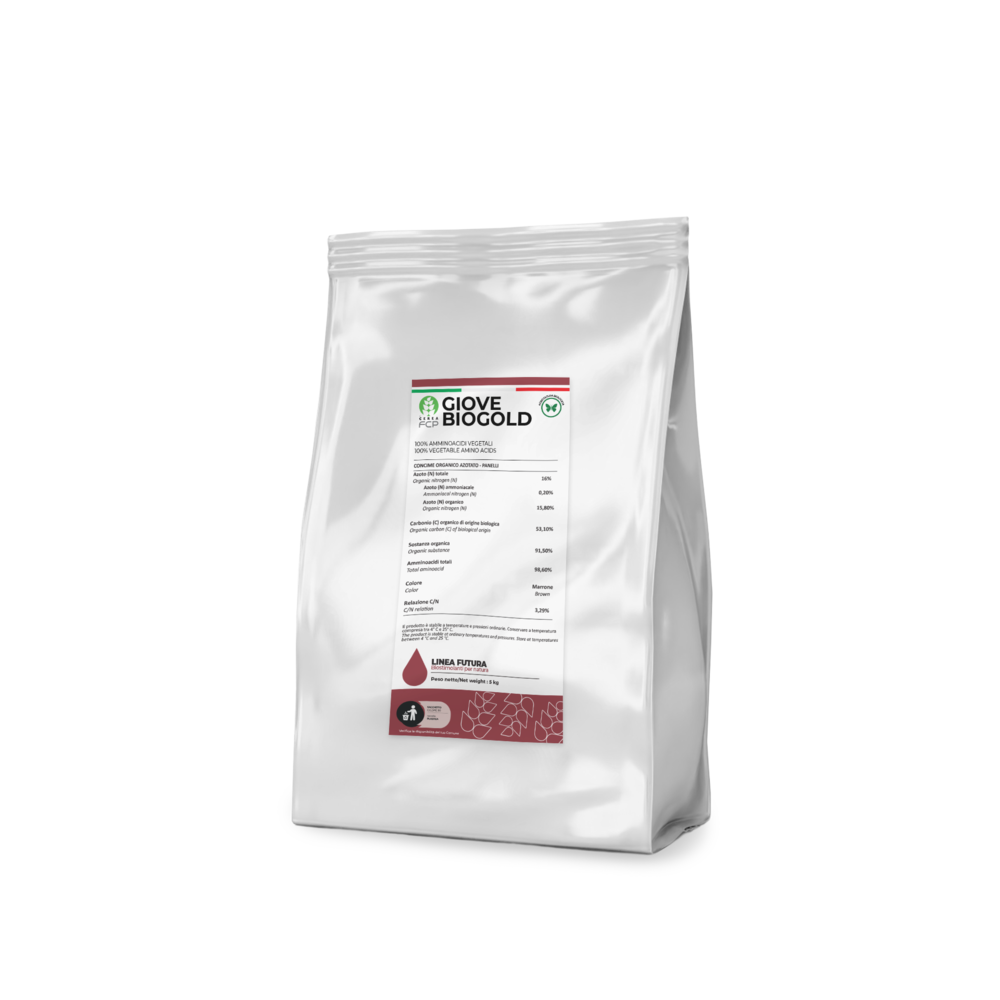


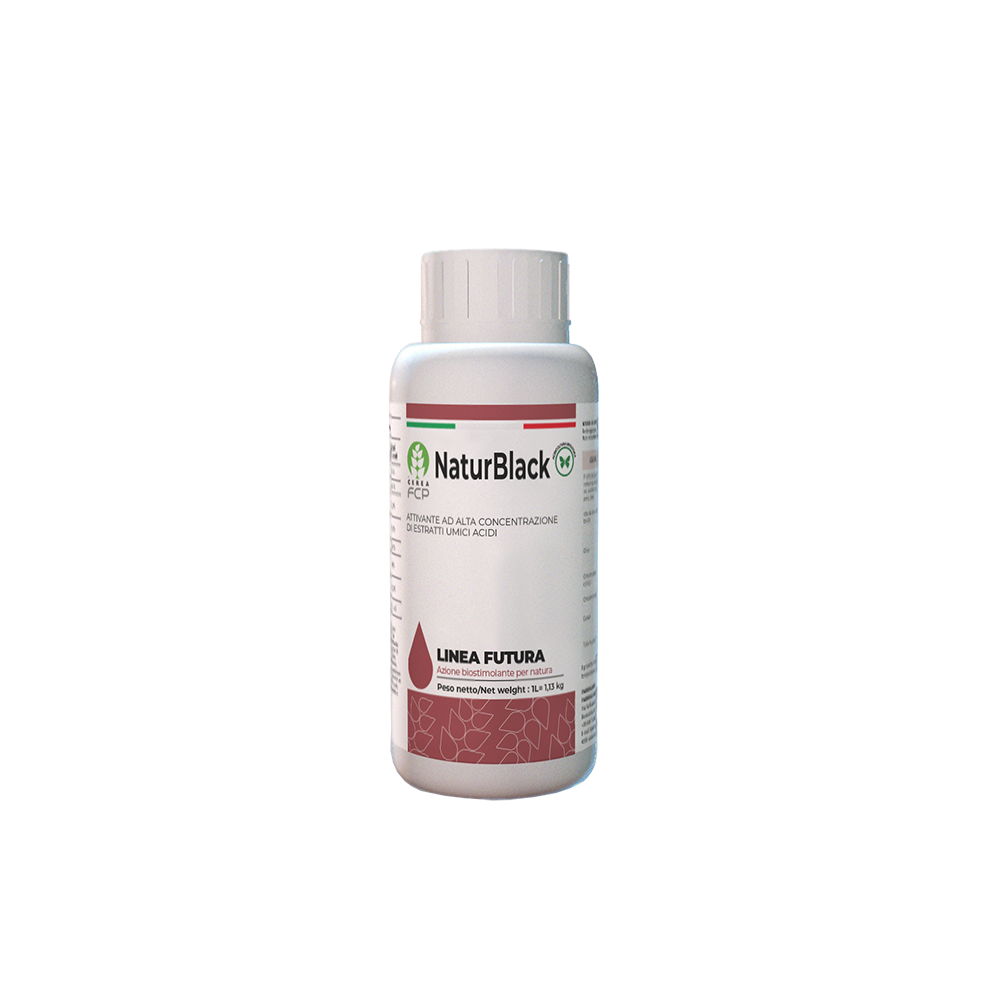
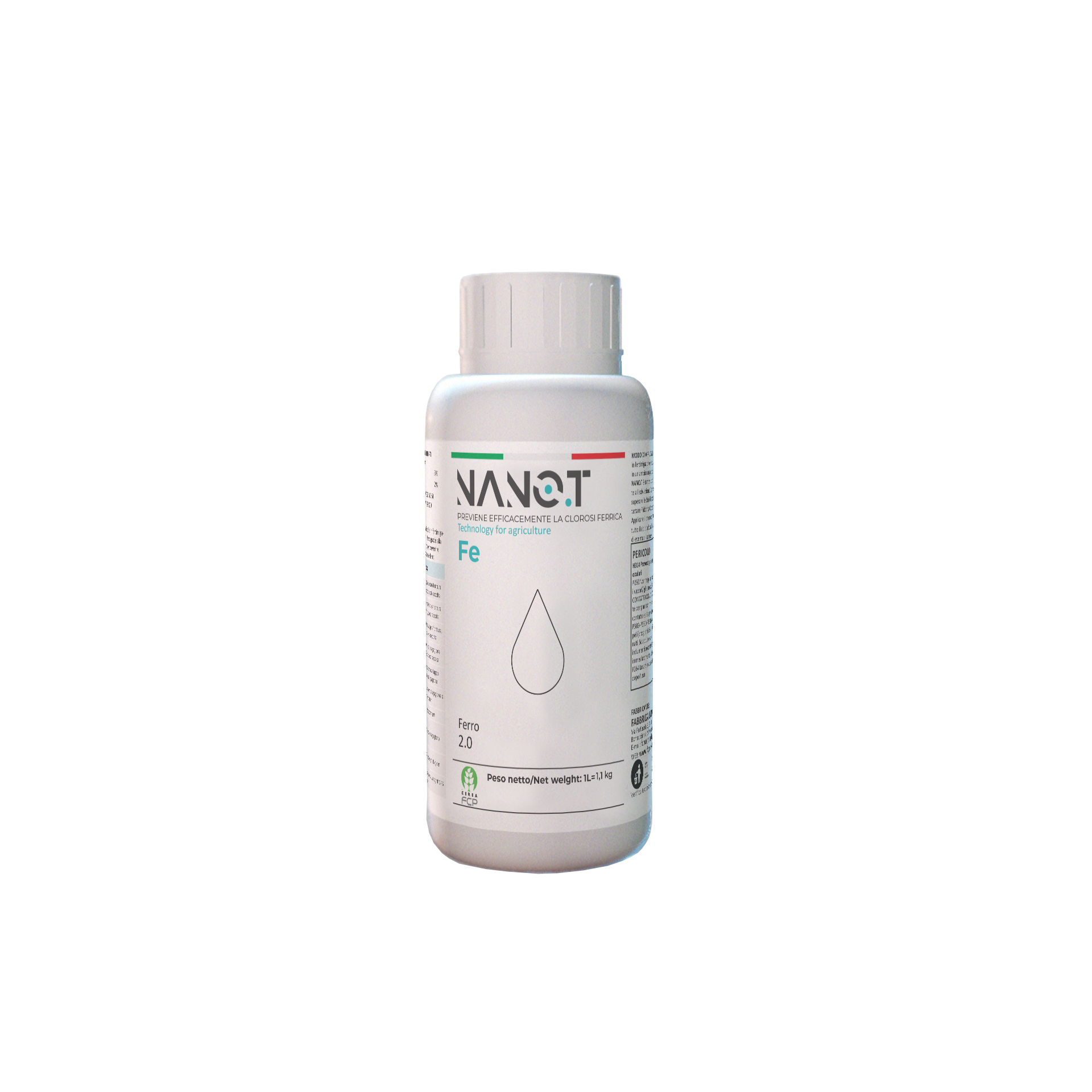

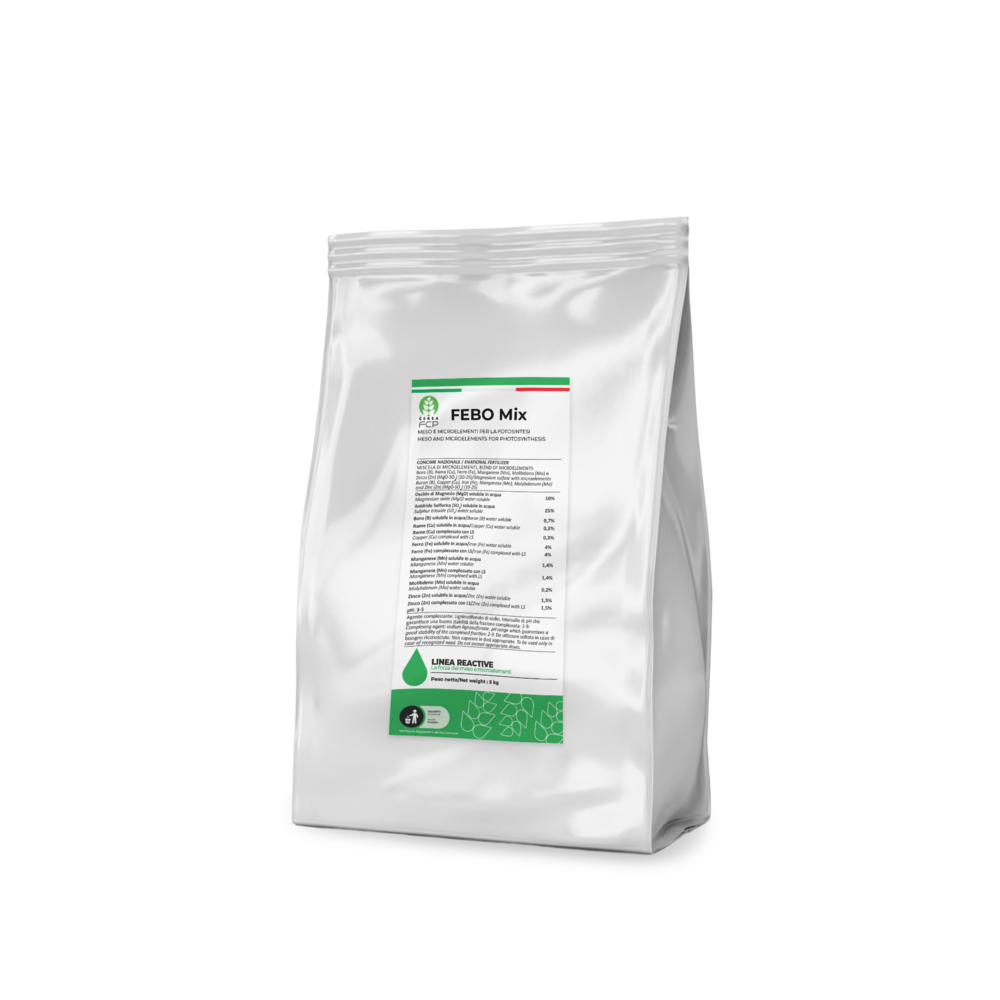


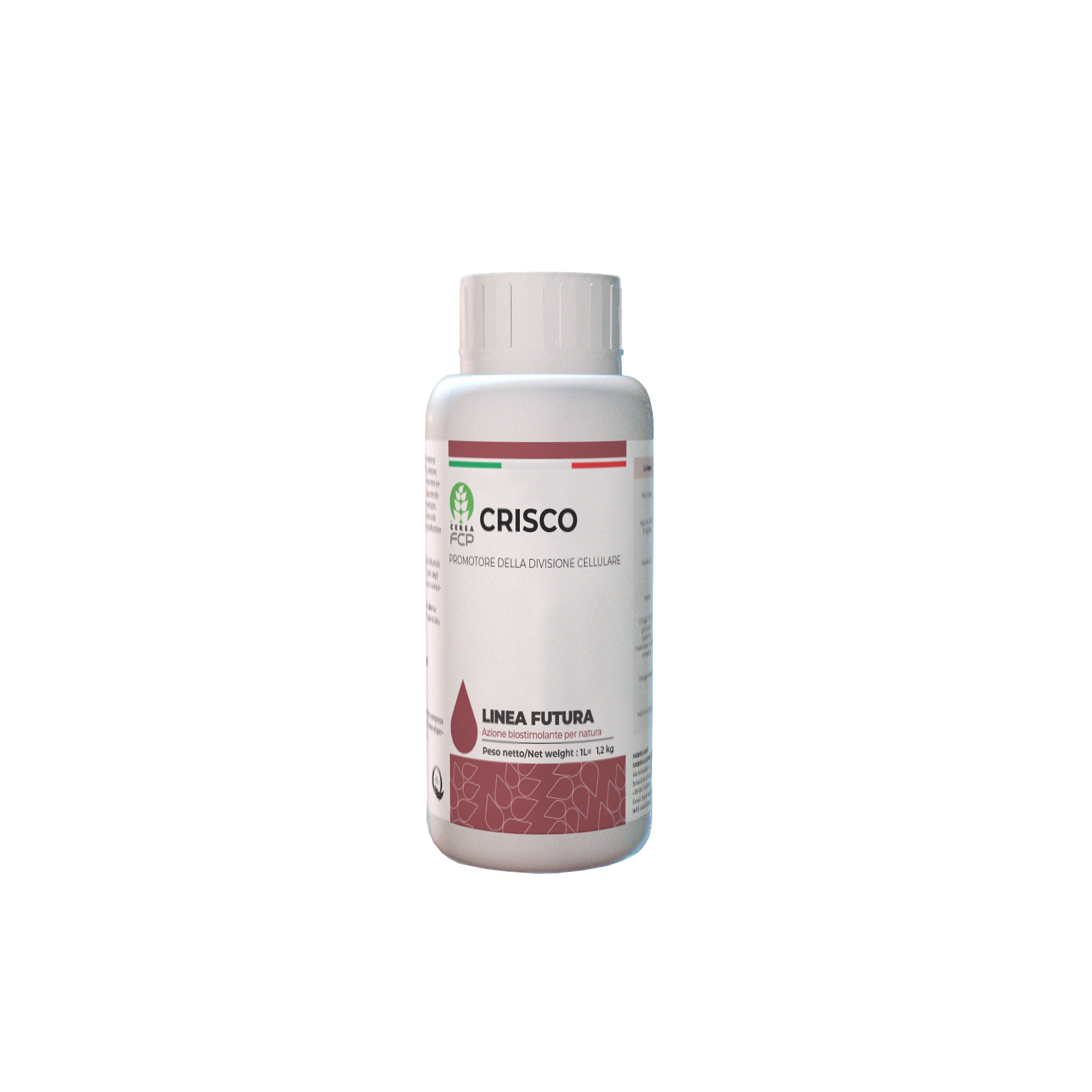
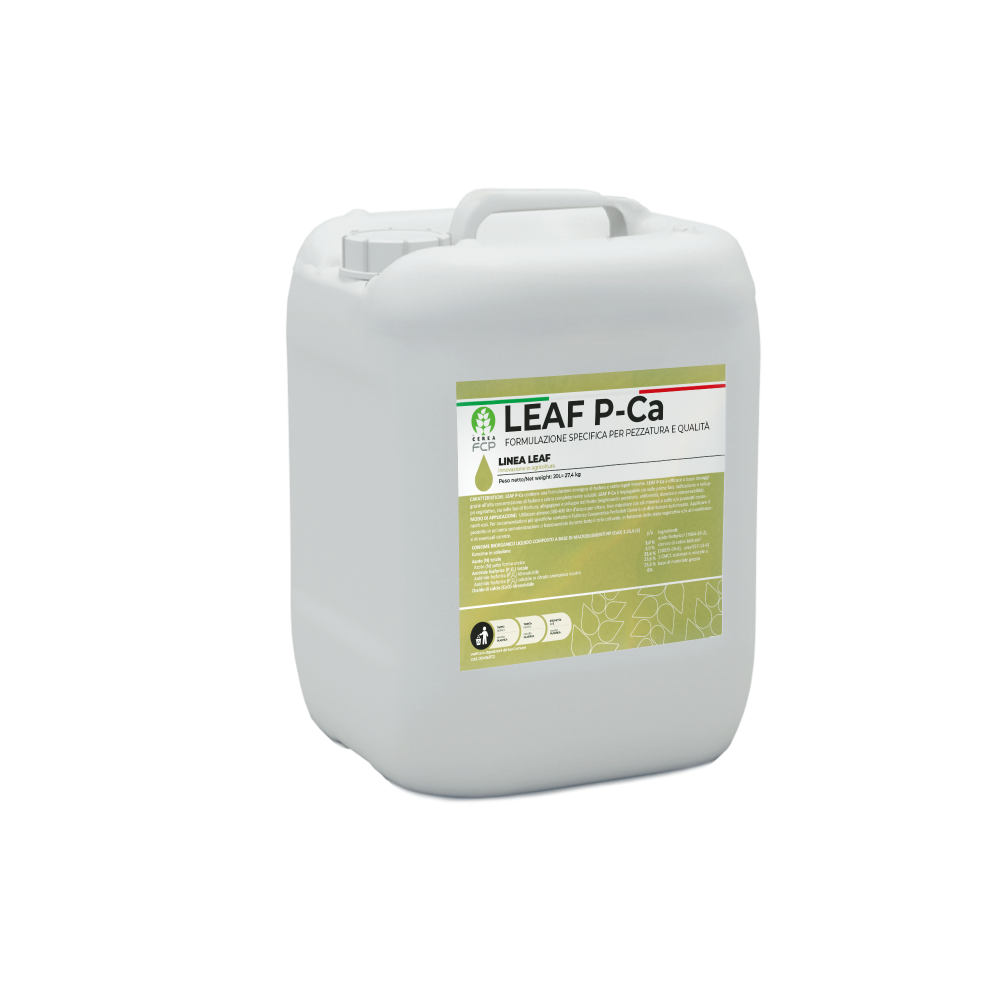


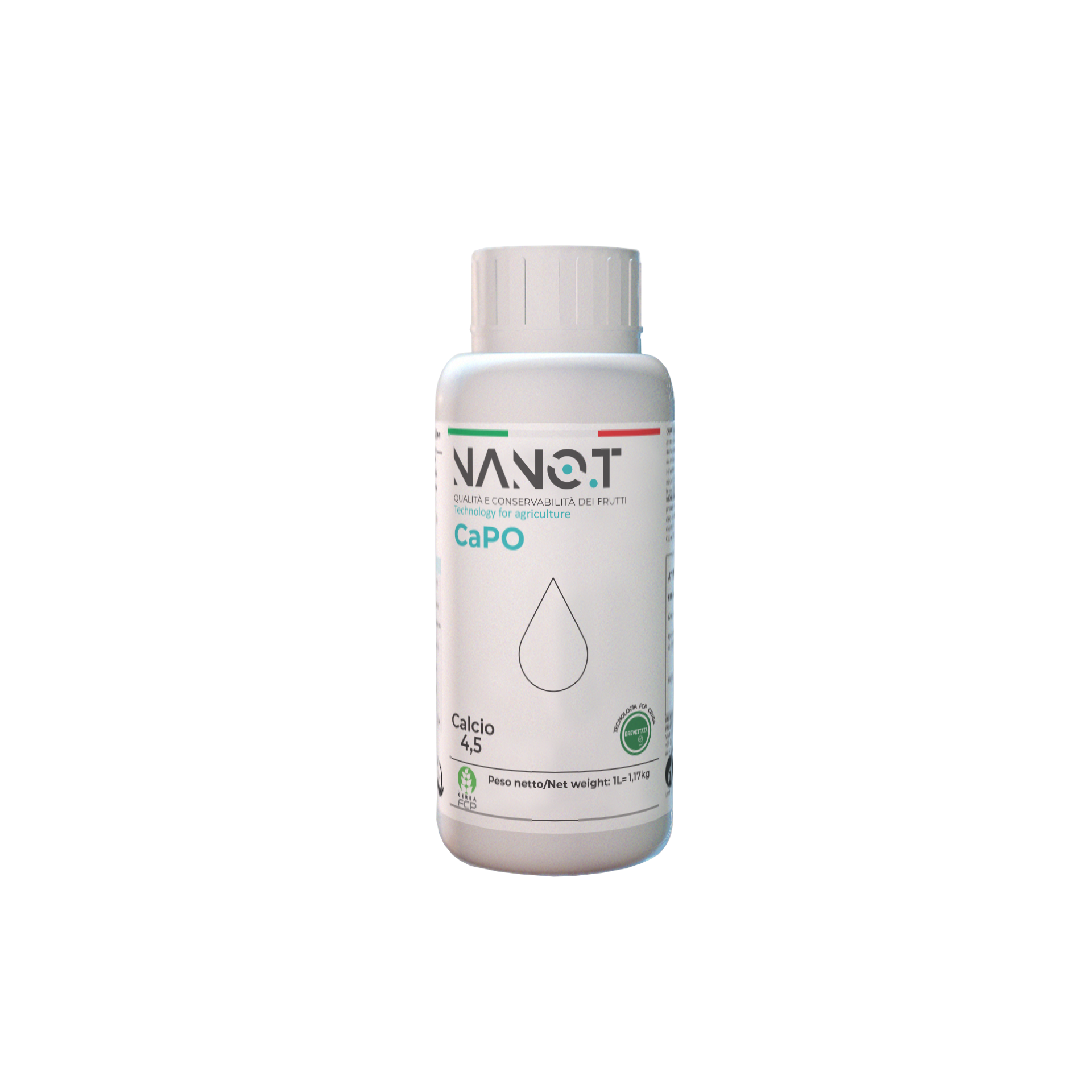
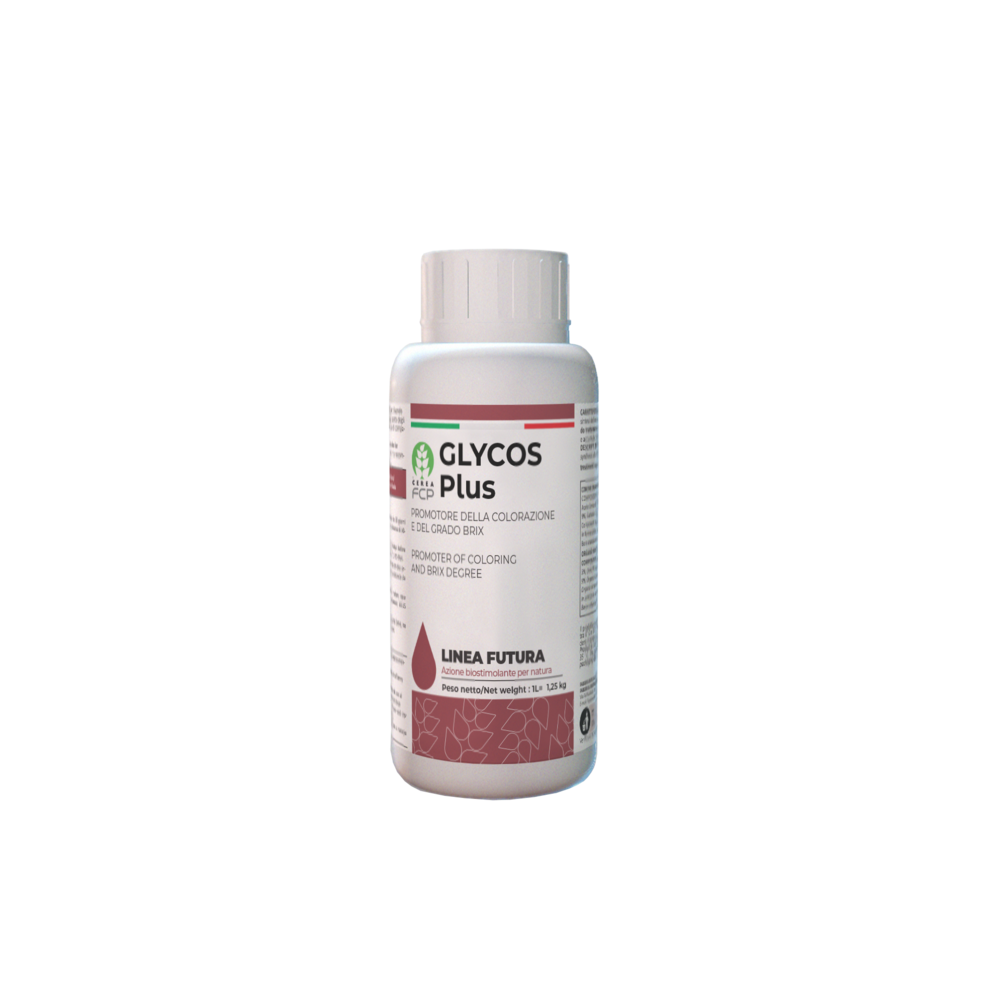
في حالات الإصابة بالكلوروز الناتج عن نقص الحديد، نوصي باستخدام Nano.T Fe عن طريق الجذور، على أن يتم تحديد الجرعة وفقًا لمؤشر الكلوروز المرتبط بالحديد في التربة.
ولتعزيز قوة النبات وزيادة مقاومته للإجهادات الحيوية وغير الحيوية، نوصي باستخدام NanoT.Cu رشًا ورقيًا كل 15 يومًا ابتداءً من مرحلة النمو الخضري.
وفي الترب المالحة أو الصودية أو الجيرية ذات الرقم الهيدروجيني القلوي، يُنصح بإضافة CALCITO بمعدل 10 لتر/هكتار كل 25–30 يومًا.
ولتهيئة بيئة مناسبة للحفاظ على صحة الأوراق والبراعم والثمار، يُنصح باستخدام Nano.T Total و A-Myco.
كما يُنصح باستخدام Mycovix لتهيئة بيئة ملائمة لنمو نظام جذري صحي وقوي.


Adaptability and agronomic characteristics of the Pomegranate tree
Pomegranate cultivation presents numerous advantages that make it an attractive crop, particularly for arid and semi-arid regions experiencing climate challenges. Fruit cracking represents one of the most serious physiological disorders affecting pomegranate, causing substantial economic losses by rendering fruits unmarketable. Other important criticisms are: sunburn disease, bacterial blight disease and some insects like larvae of anar butterfly.
Nutritional advice for Pomegranates
Proper nutrient management is critical for achieving high yields and quality fruit while preventing physiological disorders like fruit cracking.
Main nutrients
Nitrogen application depending on soil conditions, tree age, and productivity level. Excessive nitrogen can delay fruiting, increase cold sensitivity and cracking risk, so balanced application is essential. • Calcium and phosphorus are particularly critical for preventing fruit cracking and improving fruit quality. Recent studies have revealed that nano-calcium fertilizers applied as foliar sprays, which significantly increase fruit quality while reducing cracking. Products containing amino acids that are precursors of colouring and ripening are useful for obtaining fruits with more intense and homogeneous pigmentation.
Need assistance?