



Cultivation of potato
Potato is an extremely important crop in global agriculture, ranking fourth after rice, wheat, and corn. China, followed by India, is the largest producer worldwide, while in Europe, Ukraine, Germany, and France have the largest cultivated areas.
Italy grows a wide variety of cultivars, both commercial and traditional, including varieties with DOP and IGP designations and others of local cultural and gastronomic significance.
Potatoes are an excellent source of complex carbohydrates, dietary fiber, vitamins (B1, B3, B6, C), minerals (potassium, manganese, phosphorus), and antioxidants. They are naturally fat-free and can be an important component of balanced diets.
Critical issues include late blight and wireworms, making fungicide treatments, proper crop rotation, and the use of antagonistic microorganisms important.
Nutritional advice for potato
- Nitrogen: Essential but must be carefully managed; excess nitrogen promotes vegetative growth at the expense of tuber formation, delays maturity, and reduces tuber quality and starch content.
- Phosphorus: Promotes root development. Using microgranules at planting ensures rapid and uniform emergence. Phosphorus also remains important during tuber formation and enlargement to obtain numerous and uniform-sized tubers.
- Potassium: Potassium is critical for potato quality and should be applied mainly before planting.
- Calcium and magnesium: Support photosynthesis, improve tuber flesh and skin strength, and increase resistance during handling.
Follow recommended dosages and application methods to achieve uniform tuber size, higher yields, and better storability.

PRODUCT POSITIONING BY PHENOLOGICAL PHASE - MIDDLE EAST LINE



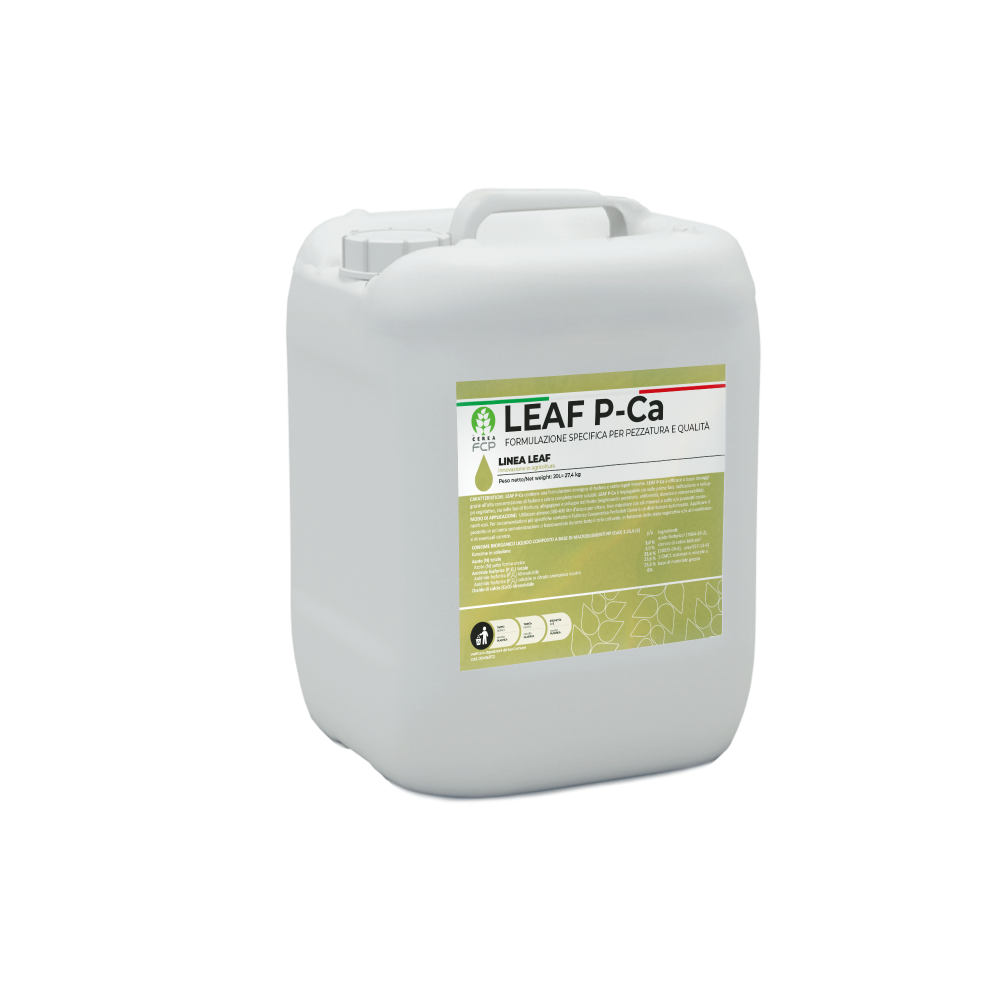


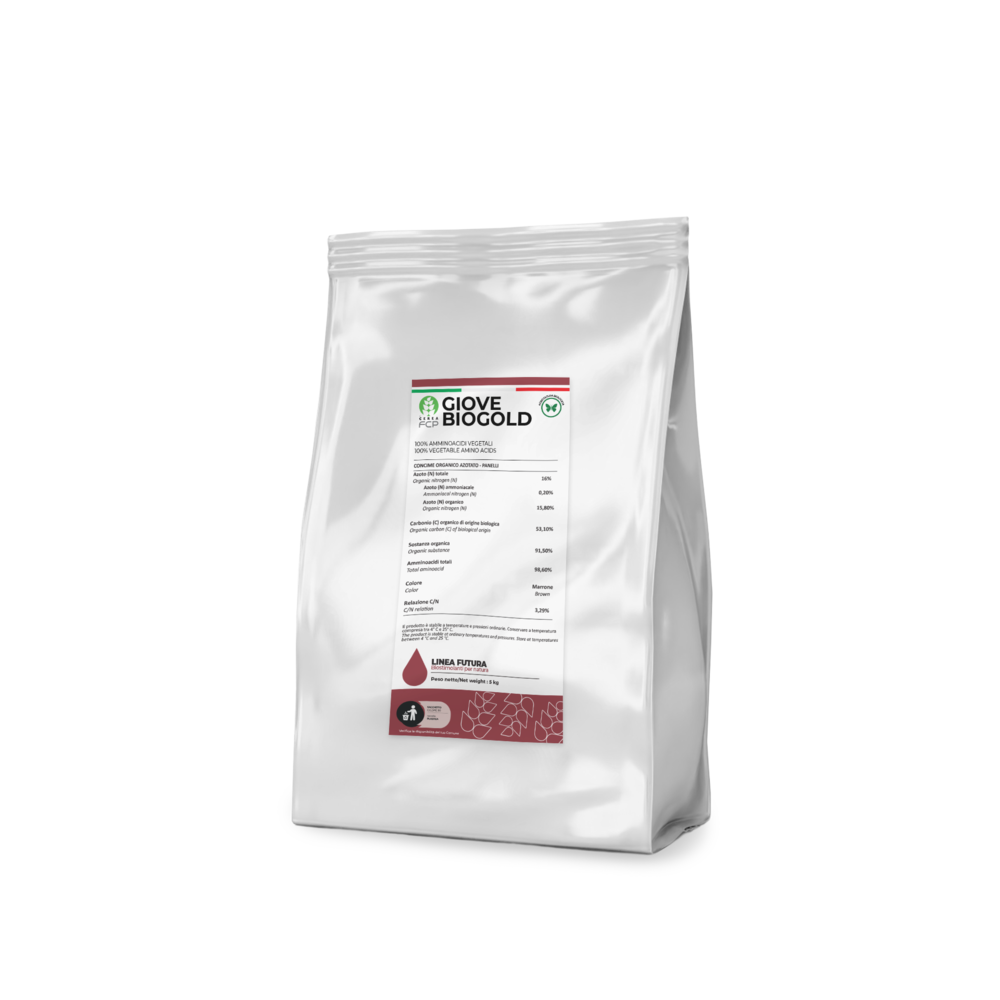



في حالات الإصابة بالكلوروز الناتج عن نقص الحديد، نوصي باستخدام Nano.T Fe عن طريق الجذور، على أن يتم تحديد الجرعة وفقًا لمؤشر الكلوروز المرتبط بالحديد في التربة.
ولتعزيز قوة النبات وزيادة مقاومته للإجهادات الحيوية وغير الحيوية، نوصي باستخدام NanoT.Cu رشًا ورقيًا كل 15 يومًا ابتداءً من مرحلة النمو الخضري.
وفي الترب المالحة أو الصودية أو الجيرية ذات الرقم الهيدروجيني القلوي، يُنصح بإضافة CALCITO بمعدل 10 لتر/هكتار كل 25–30 يومًا.
ولتهيئة بيئة مناسبة للحفاظ على صحة الأوراق والبراعم والثمار، يُنصح باستخدام Nano.T Total و A-Myco.
كما يُنصح باستخدام Mycovix لتهيئة بيئة ملائمة لنمو نظام جذري صحي وقوي.

Need assistance?