


PROCESSING TOMATO
The right fertilizer for every type of crop.

Processing tomato cultivation
The global production of processing tomatoes represents one of the most important horticultural sectors worldwide. The major producers of processed tomato products are California (USA), Italy, and China, followed by Spain and Portugal.
Nutritional advice for processing tomato
- Start with a base fertilization of NP or NPK depending on soil conditions to promote root establishment and post-transplant recovery.
- Fertigation is critical, as it allows splitting nutrient applications according to phenological stages, combined with foliar applications that support fruit set, ripening, and anti-stress functions.
- Nitrogen should be carefully managed in fertigation, as excess can cause excessive vegetative growth at the expense of flowering.
- Potassium applied in the correct form (without nitrogen) is essential for high sugar content, improved color, and uniform ripening.
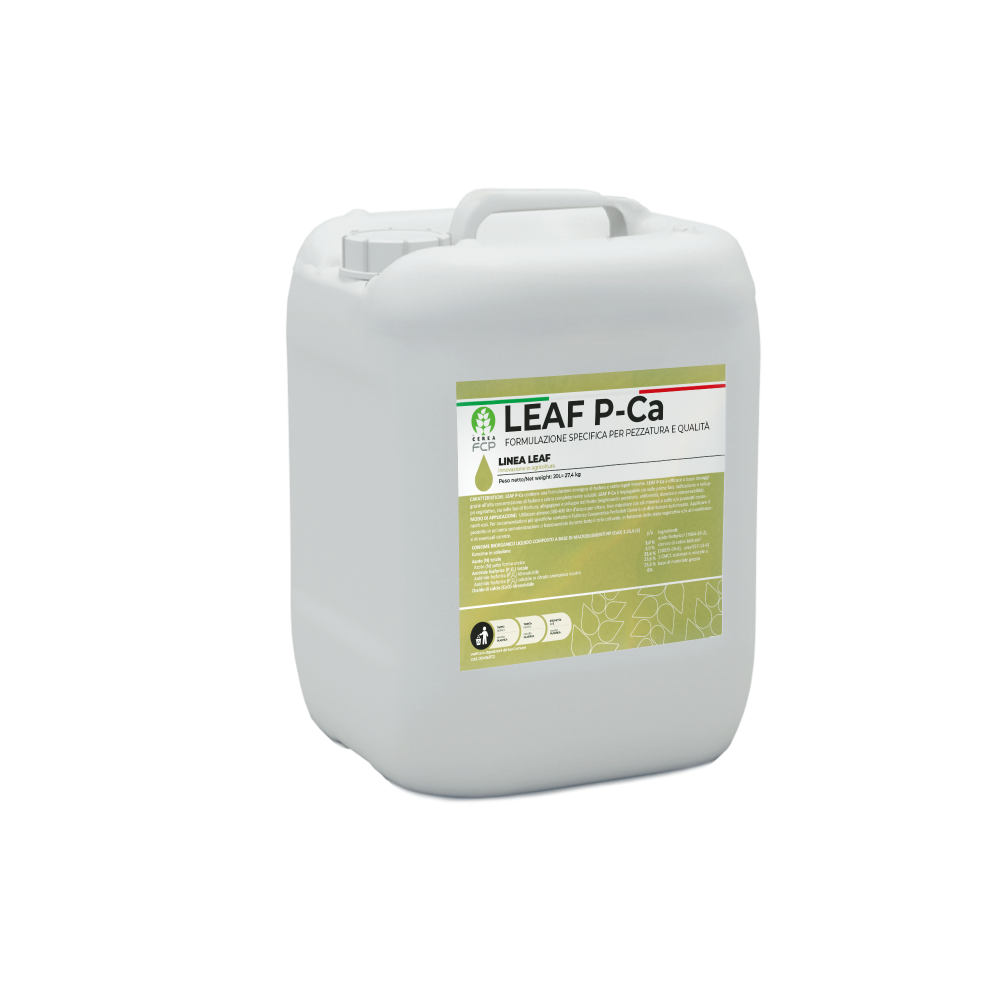
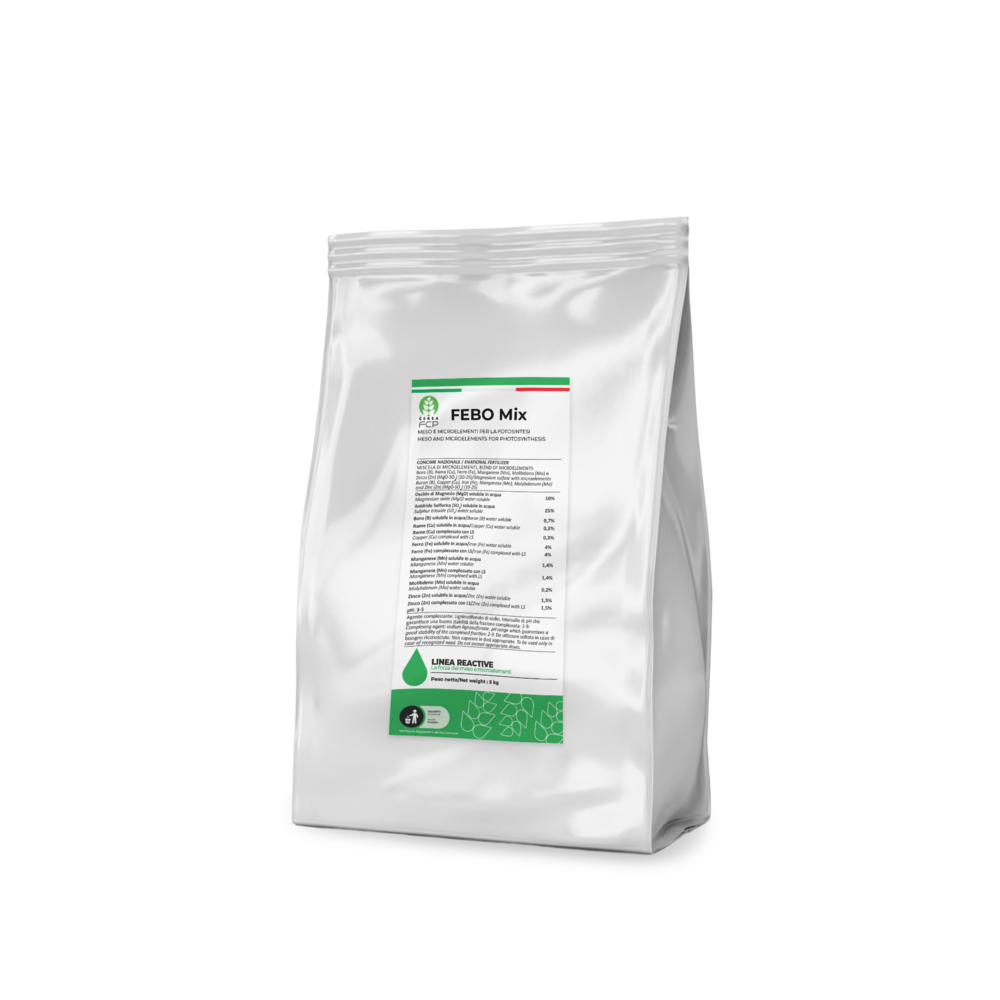
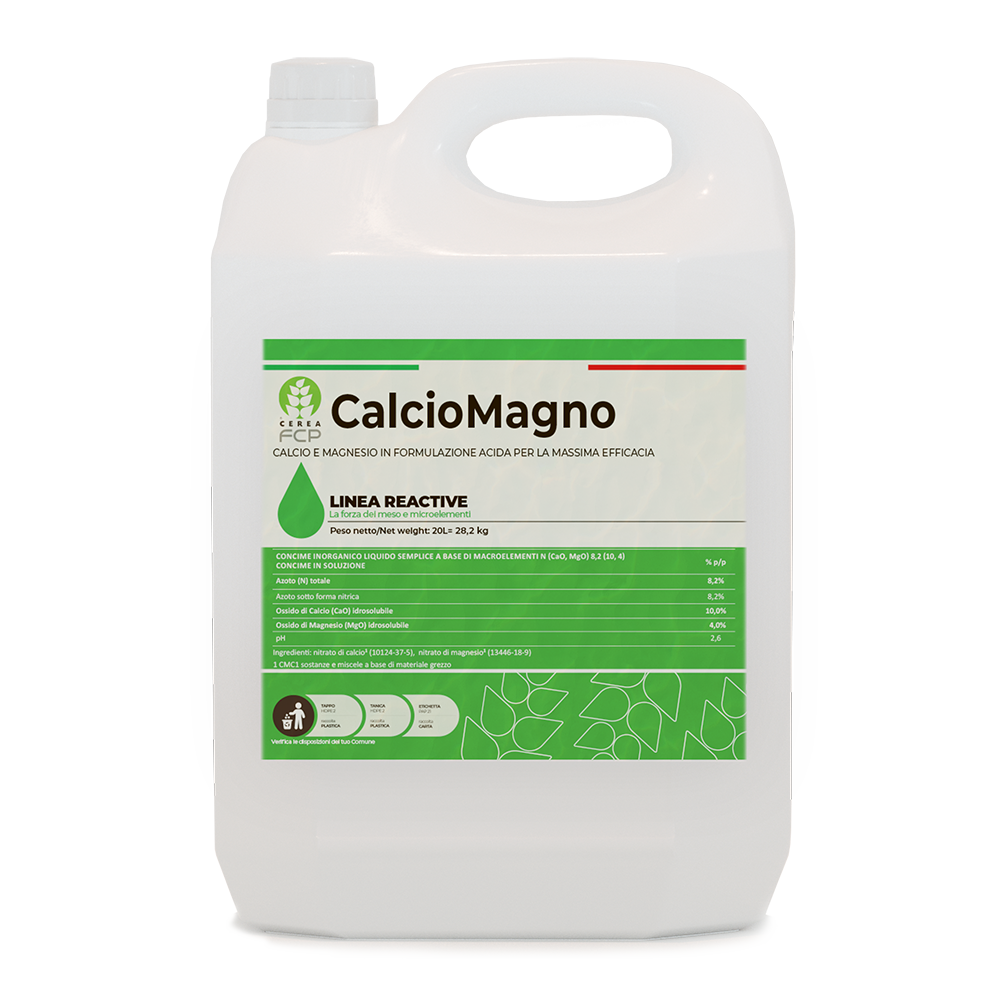
- Among mesoelements, calcium is particularly important for preventing blossom-end rot and ensuring fruit firmness. Magnesium is essential for photosynthetic activity.
Follow these strategies to optimize processing tomato cultivation and achieve high-quality, resilient fruits.

PRODUCT POSITIONING BY PHENOLOGICAL PHASE - MIDDLE EAST LINE









في حالات الإصابة بالكلوروز الناتج عن نقص الحديد، نوصي باستخدام Nano.T Fe عن طريق الجذور، على أن يتم تحديد الجرعة وفقًا لمؤشر الكلوروز المرتبط بالحديد في التربة.
ولتعزيز قوة النبات وزيادة مقاومته للإجهادات الحيوية وغير الحيوية، نوصي باستخدام NanoT.Cu رشًا ورقيًا كل 15 يومًا ابتداءً من مرحلة النمو الخضري.
وفي الترب المالحة أو الصودية أو الجيرية ذات الرقم الهيدروجيني القلوي، يُنصح بإضافة CALCITO بمعدل 10 لتر/هكتار كل 25–30 يومًا.
ولتهيئة بيئة مناسبة للحفاظ على صحة الأوراق والبراعم والثمار، يُنصح باستخدام Nano.T Total و A-Myco.
كما يُنصح باستخدام Mycovix لتهيئة بيئة ملائمة لنمو نظام جذري صحي وقوي.


Cultivation conditions and challenges
Processing tomato faces numerous phytosanitary issues, including fungal diseases, insects, viruses, and bacterial infections. Agronomic challenges include flower abortion induced by high temperatures and sunscald on the upper fruit clusters.
High yields require minimizing harvest waste by ensuring the first clusters are healthy and the last are mature with intense color. A high Brix degree is also economically important for the producer.
Need assistance?