



Cultivation and Fertilization of Table Grapes
Italy is Europe’s leading producer of table grapes (Vitis vinifera), a strategic sector of the national agri-food industry despite increasing competition from Peru and Chile.
Nutritional Recommendations for Table Grapes
Achieving phenological synchronization with large clusters and uniform berry size requires careful calibration of nitrogen inputs.
Biostimulant products rich in seaweed extracts help stimulate rachis elongation and berry enlargement without compromising color or sugar content.
Special attention should be given to potassium supply before flowering, as this nutrient is crucial for blooming and determines the final sugar concentration. Combined with calcium, potassium enhances stress resistance and improves postharvest shelf life.
In combination with potassium, the use of amino acid-based products is also recommended to improve and standardize berry skin coloration.
To mitigate stress and nutrient deficiencies, foliar applications of copper-based nanonutrients or fertigation treatments with iron-based formulations are effective in preventing and controlling iron chlorosis.
To remain competitive in an increasingly demanding market, nutrient management must be rational, targeted, and adapted to each phenological stage.
Follow our guidance on dosages and application methods to enhance photosynthetic activity, manage iron chlorosis, and promote color development and fruit storability — without compromising flavor and sweetness.

PRODUCT POSITIONING BY PHENOLOGICAL PHASE - MIDDLE EAST LINE
Products used in this phase


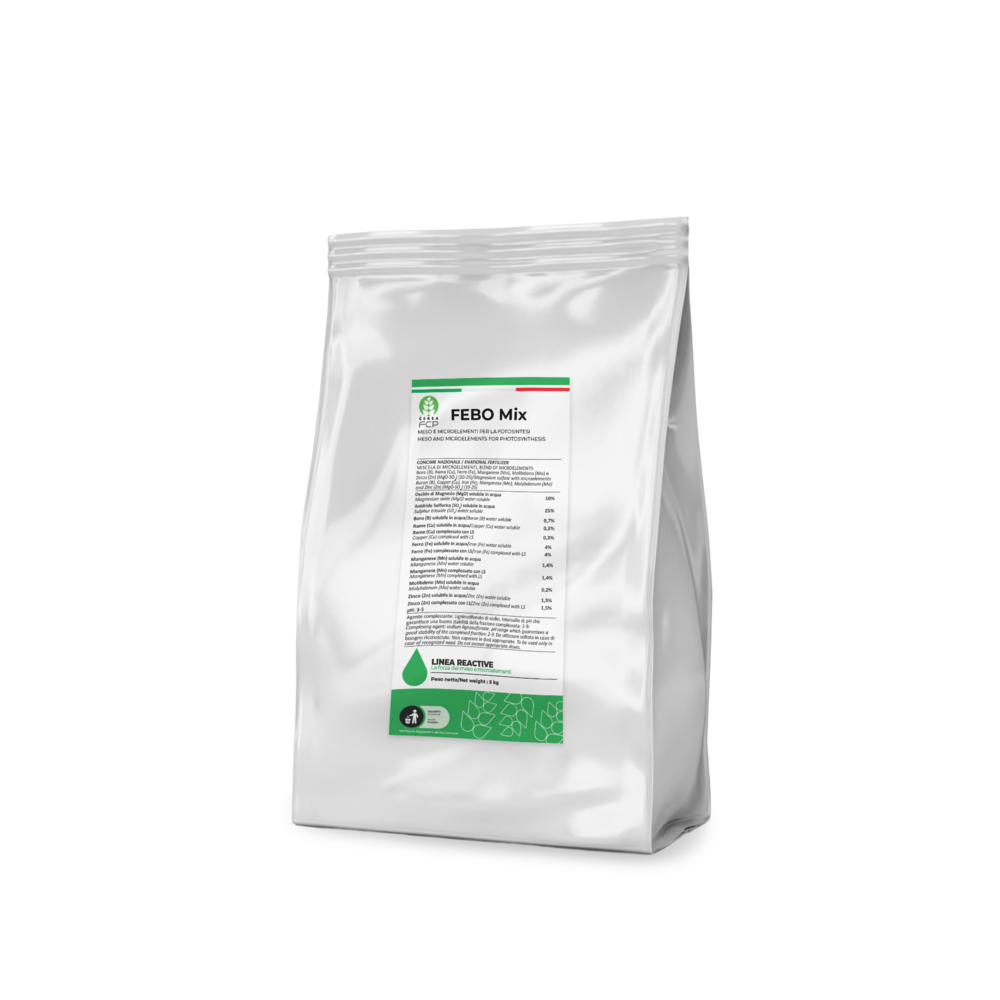
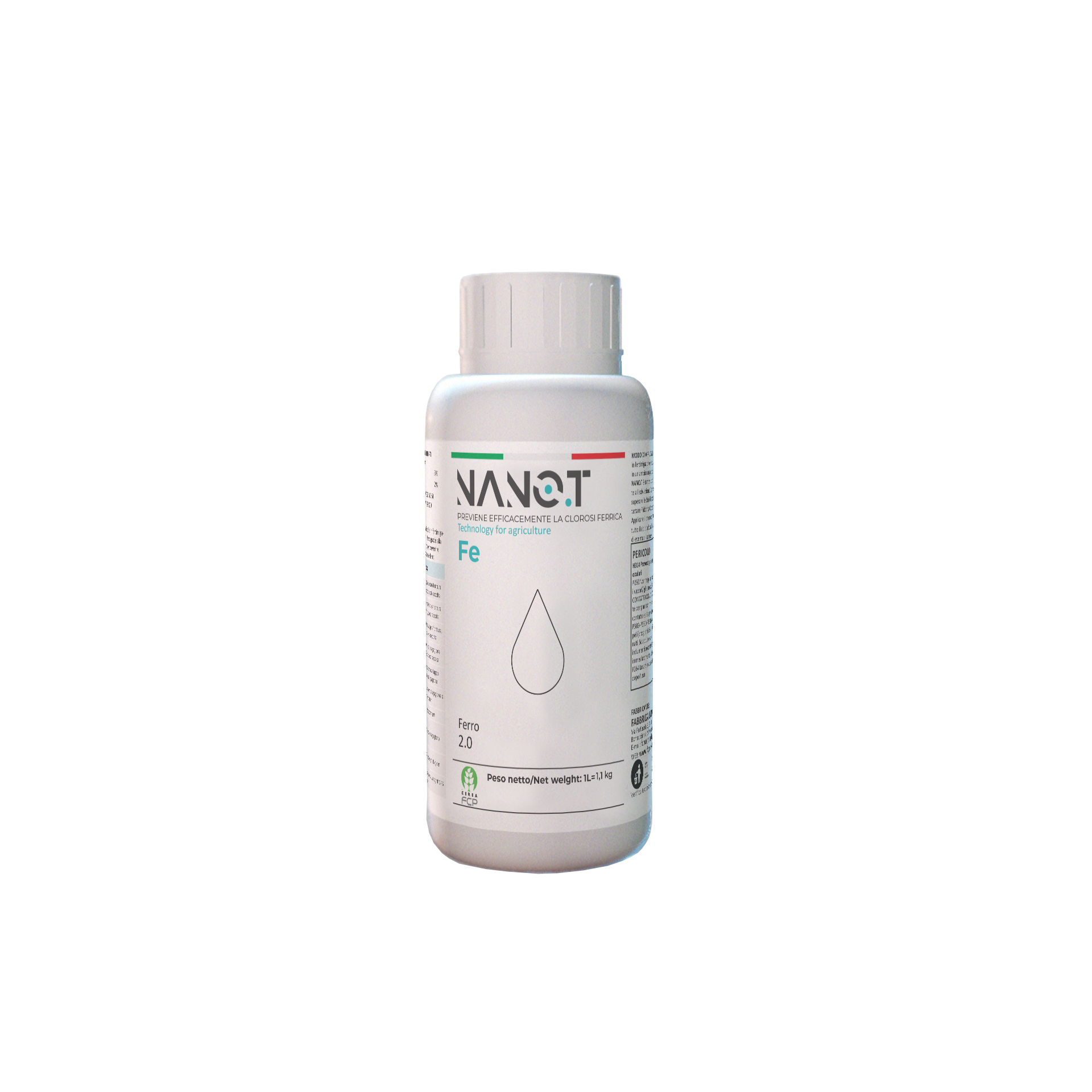






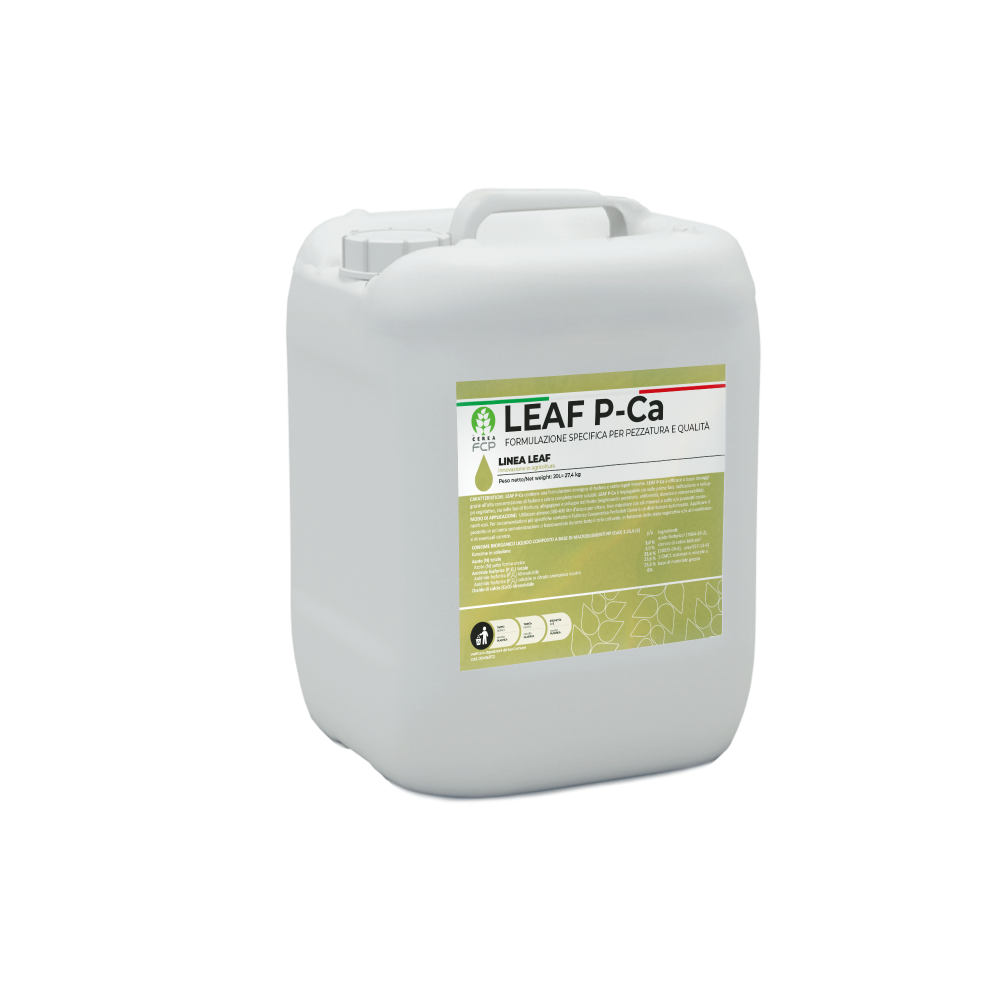
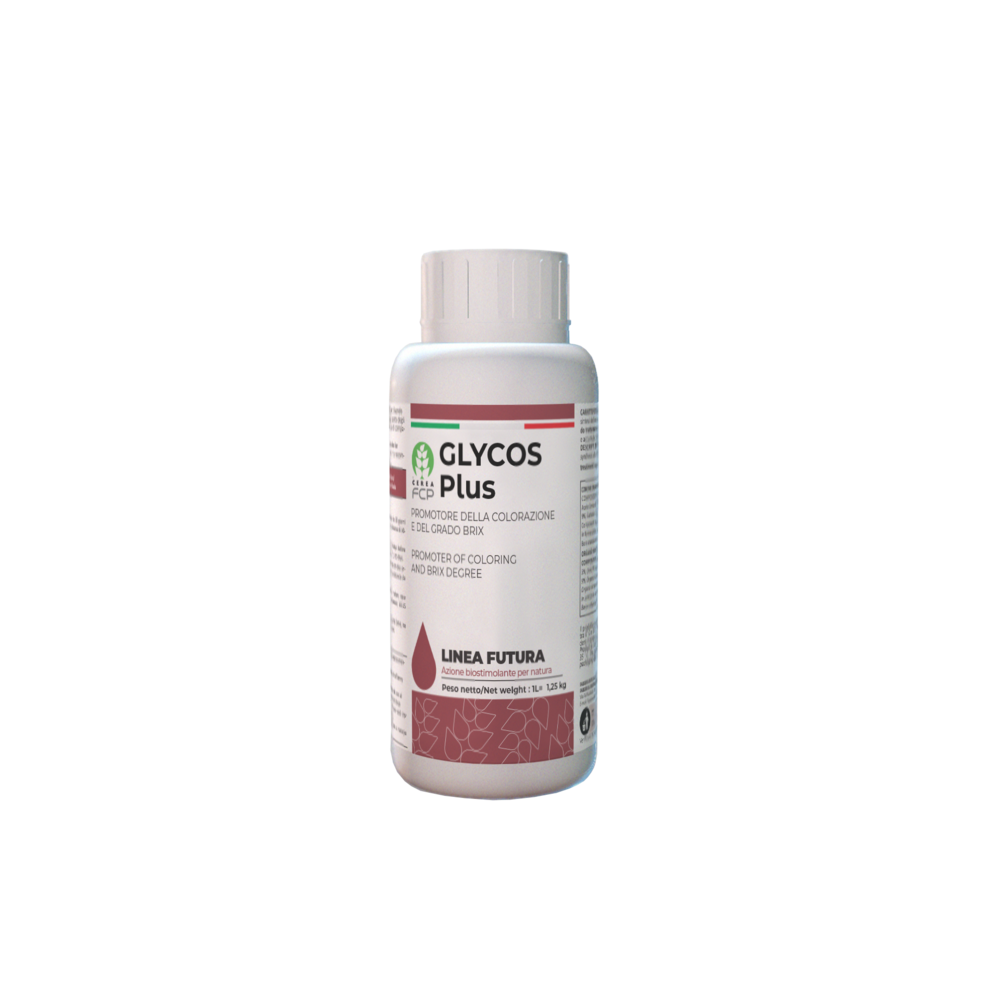



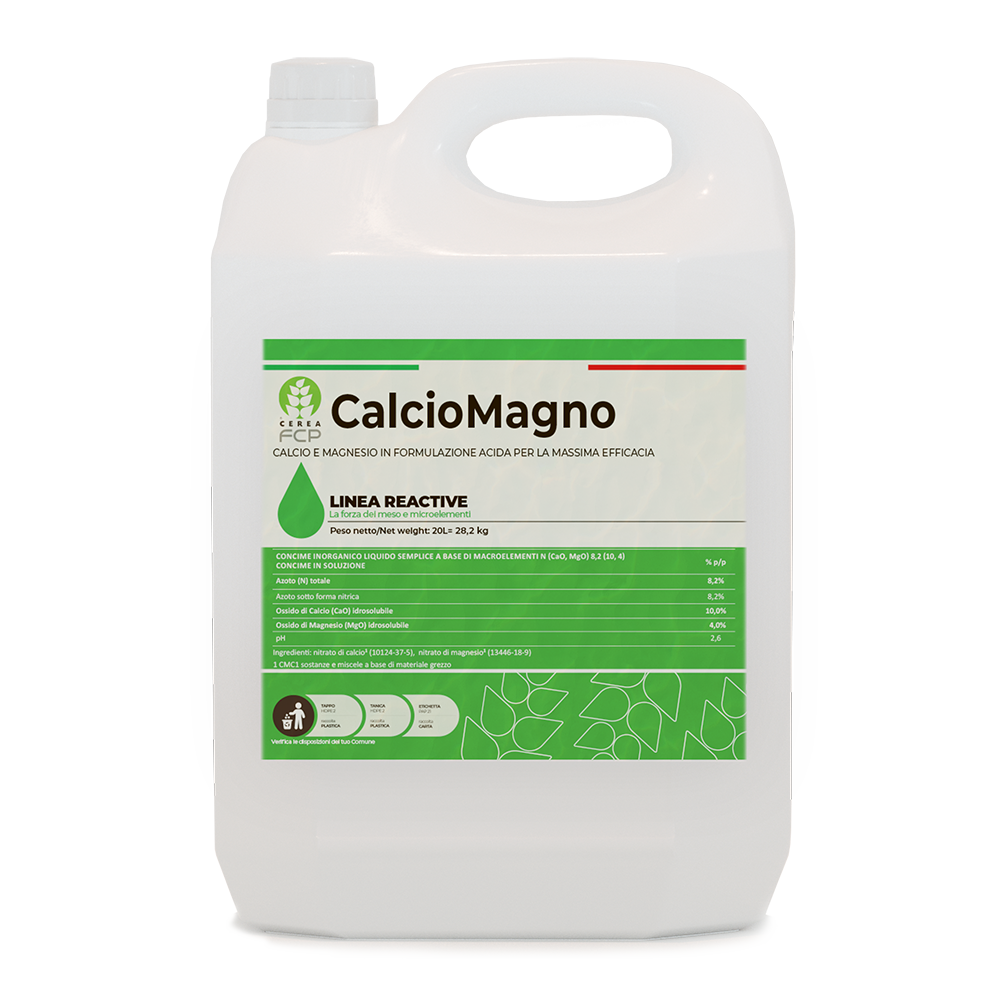
في حالات الإصابة بالكلوروز الناتج عن نقص الحديد، نوصي باستخدام Nano.T Fe عن طريق الجذور، على أن يتم تحديد الجرعة وفقًا لمؤشر الكلوروز المرتبط بالحديد في التربة.
ولتعزيز قوة النبات وزيادة مقاومته للإجهادات الحيوية وغير الحيوية، نوصي باستخدام NanoT.Cu رشًا ورقيًا كل 15 يومًا ابتداءً من مرحلة النمو الخضري.
وفي الترب المالحة أو الصودية أو الجيرية ذات الرقم الهيدروجيني القلوي، يُنصح بإضافة CALCITO بمعدل 10 لتر/هكتار كل 25–30 يومًا.
ولتهيئة بيئة مناسبة للحفاظ على صحة الأوراق والبراعم والثمار، يُنصح باستخدام Nano.T Total و A-Myco.
كما يُنصح باستخدام Mycovix لتهيئة بيئة ملائمة لنمو نظام جذري صحي وقوي.


Characteristics and Main Challenges
A distinctive feature of table grape cultivation is its wide varietal range, which allows growers to extend the marketing season, ensuring a continuous supply of fresh fruit and reducing competition among producers.
Among the major phytosanitary threats are fungal diseases such as downy mildew and powdery mildew. Control strategies are diverse, but protective copper-based treatments remain the most traditional and effective.
A key physiological issue is rachis desiccation, a disorder directly linked to nutritional imbalances, which some studies associate with iron deficiency. This condition leads to rachis drying and berry drop, causing significant production losses.
Need assistance?