



Zucchini cultivation
Zucchini (Cucurbita pepo) is widely cultivated in many countries, primarily China and India. Italy is among the European leaders along with Spain, with most production in open fields.
The domestic market absorbs almost the entire Italian production. Italy also stands out for its extraordinary varietal diversity: from the dark “Milanese” zucchini of the North, to the light “Emilian” types, to Lazio and Tuscany zucchinis with flowers, and the striped Romanesco-Florentine varieties.
Zucchini is a fast-growing plant that prefers warm climates, with a staggered flowering pattern ensuring continuous production. Both the fruit and the flowers have an interesting and profitable market.
Nutritional Advice for Zucchini
- Apply a base fertilization with NPK formulations emphasizing nitrogen and potassium.
- Phosphorus applied through fertigation is important post-transplant to stimulate rooting and support flowering.
- The highest nutrient uptake occurs during flowering and fruit enlargement, when the plant accumulates maximum dry matter.
- During these stages, calcium and magnesium combined with microelements and amino acids are crucial to ensure good fruit firmness.
- The use of microbial pools is recommended to regenerate tired soils and counteract phytopathologies.
Below, you will find the most effective strategies for optimal zucchini fertilization.

PRODUCT POSITIONING BY PHENOLOGICAL PHASE - MIDDLE EAST LINE
Products used in this phase




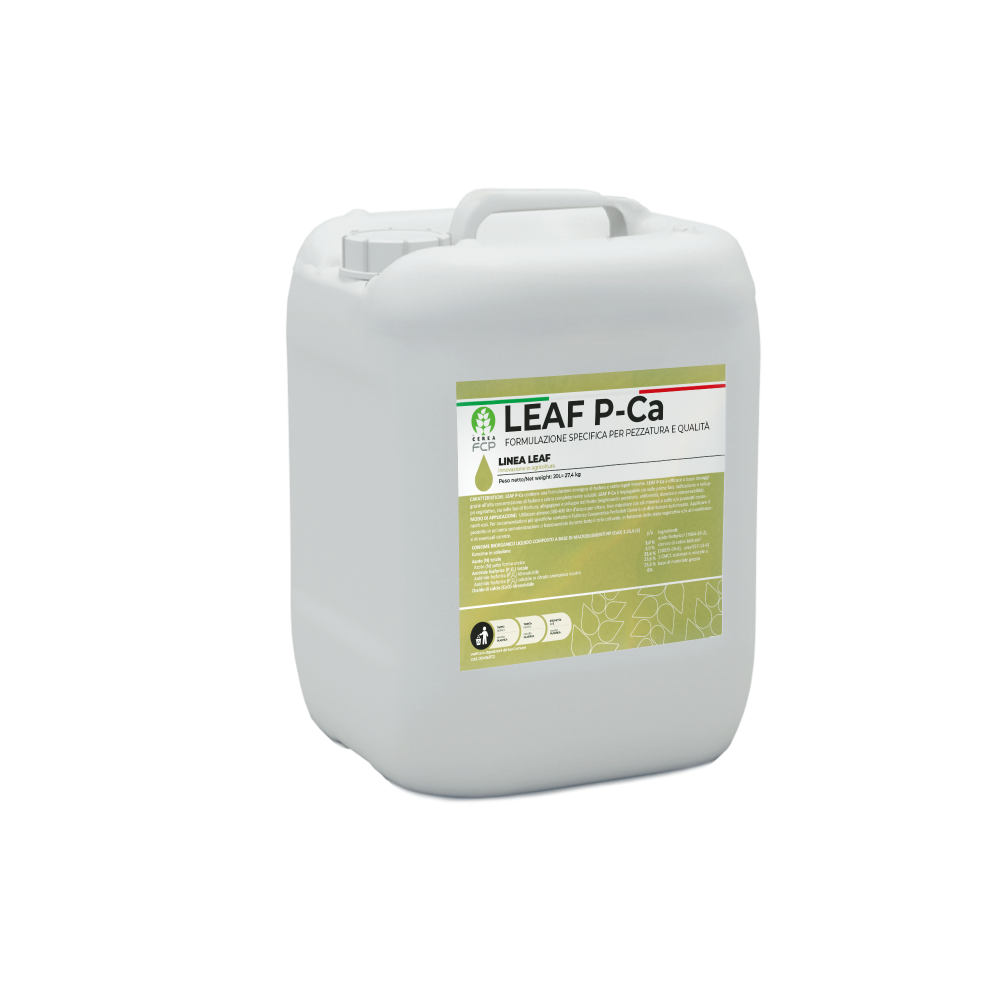
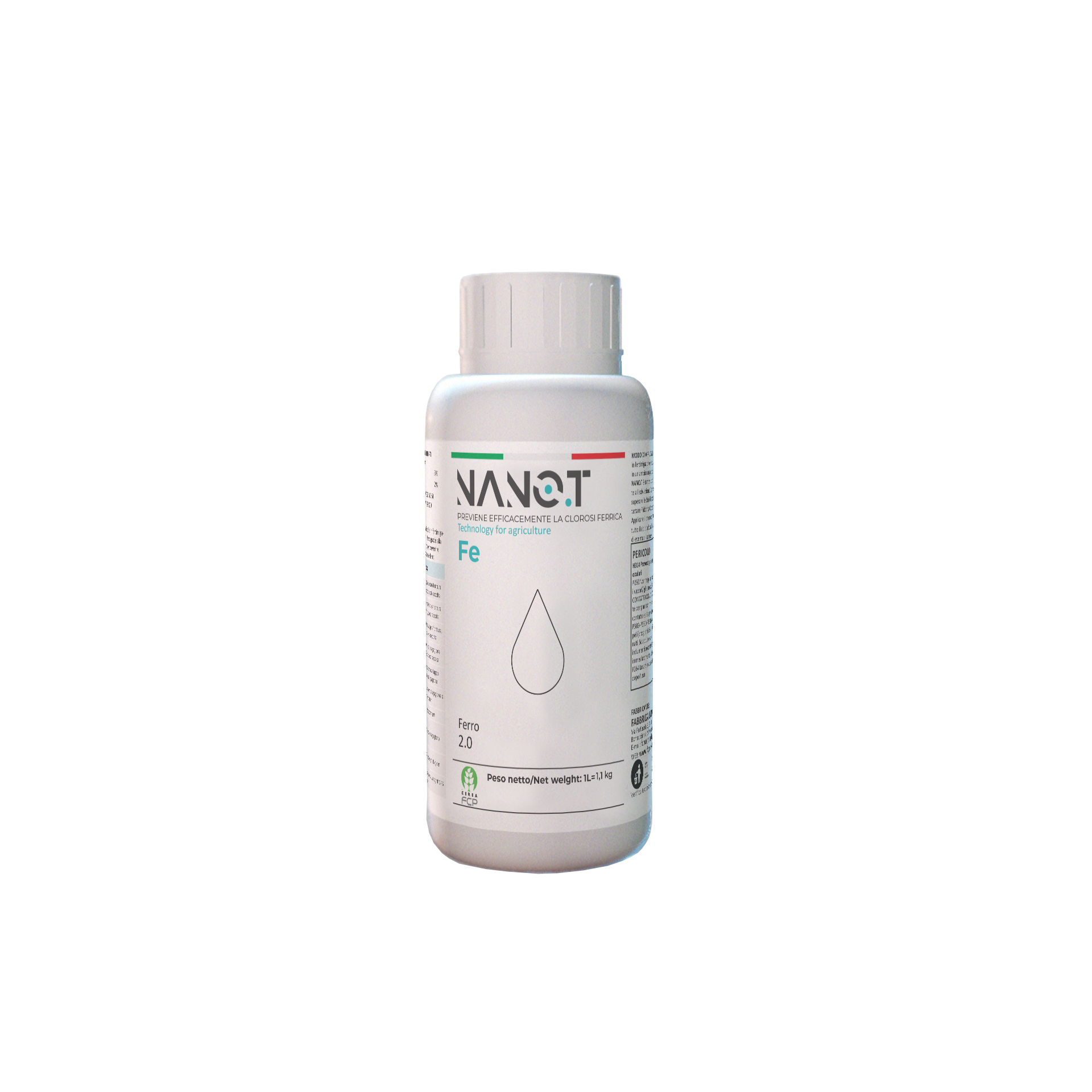


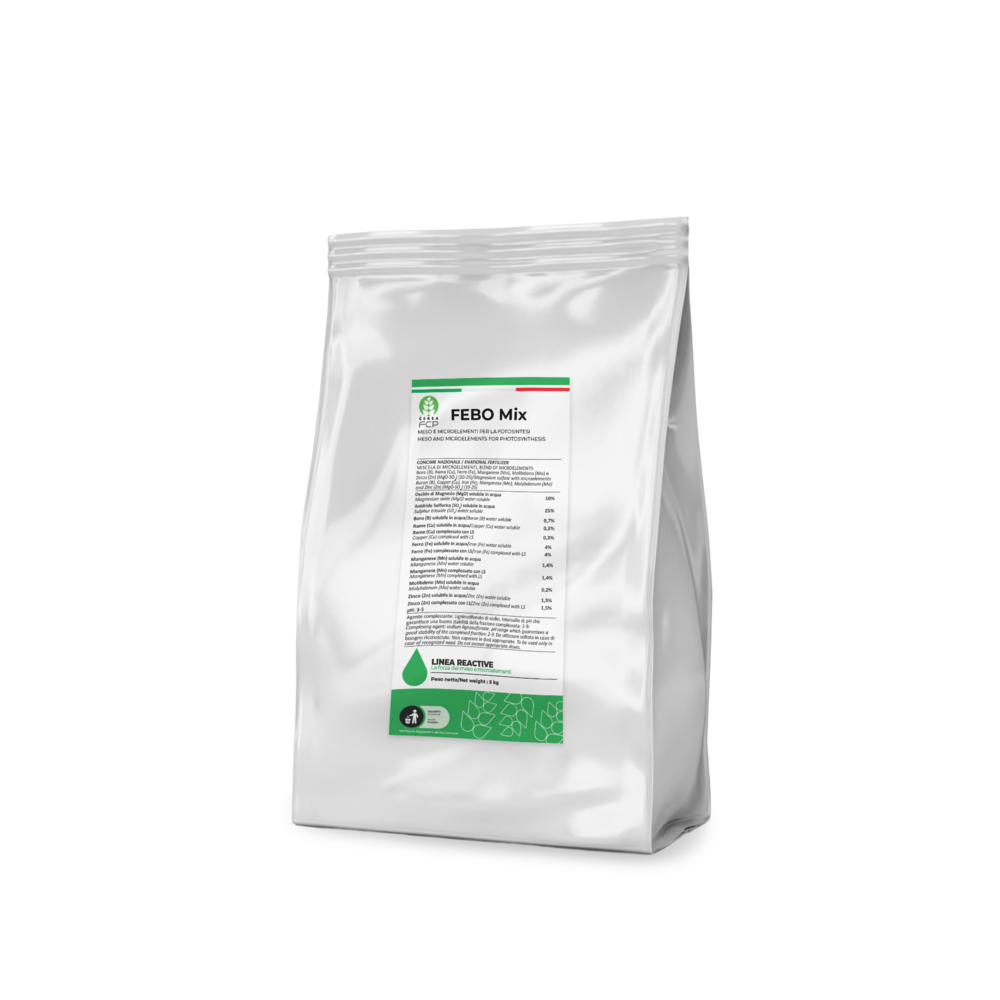

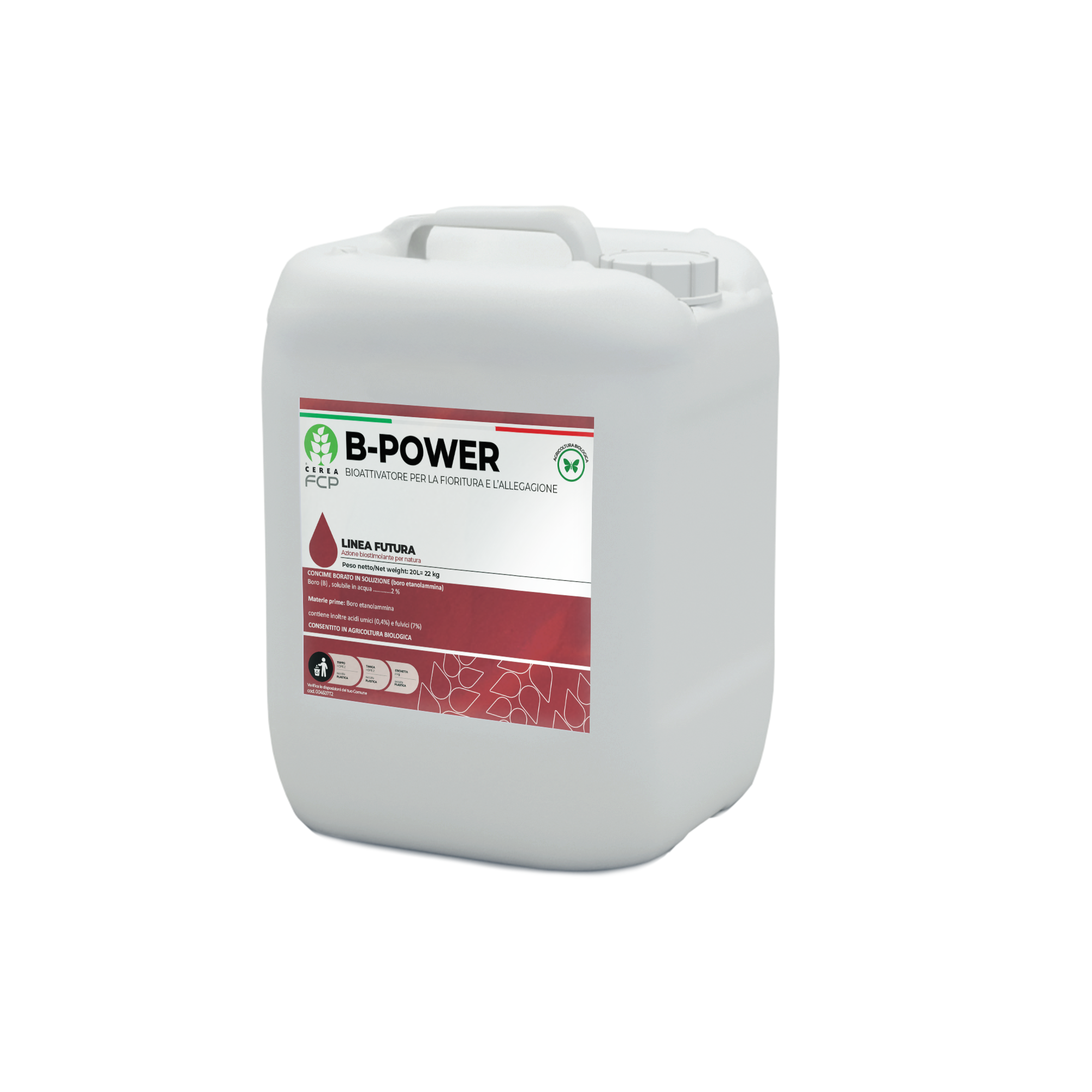


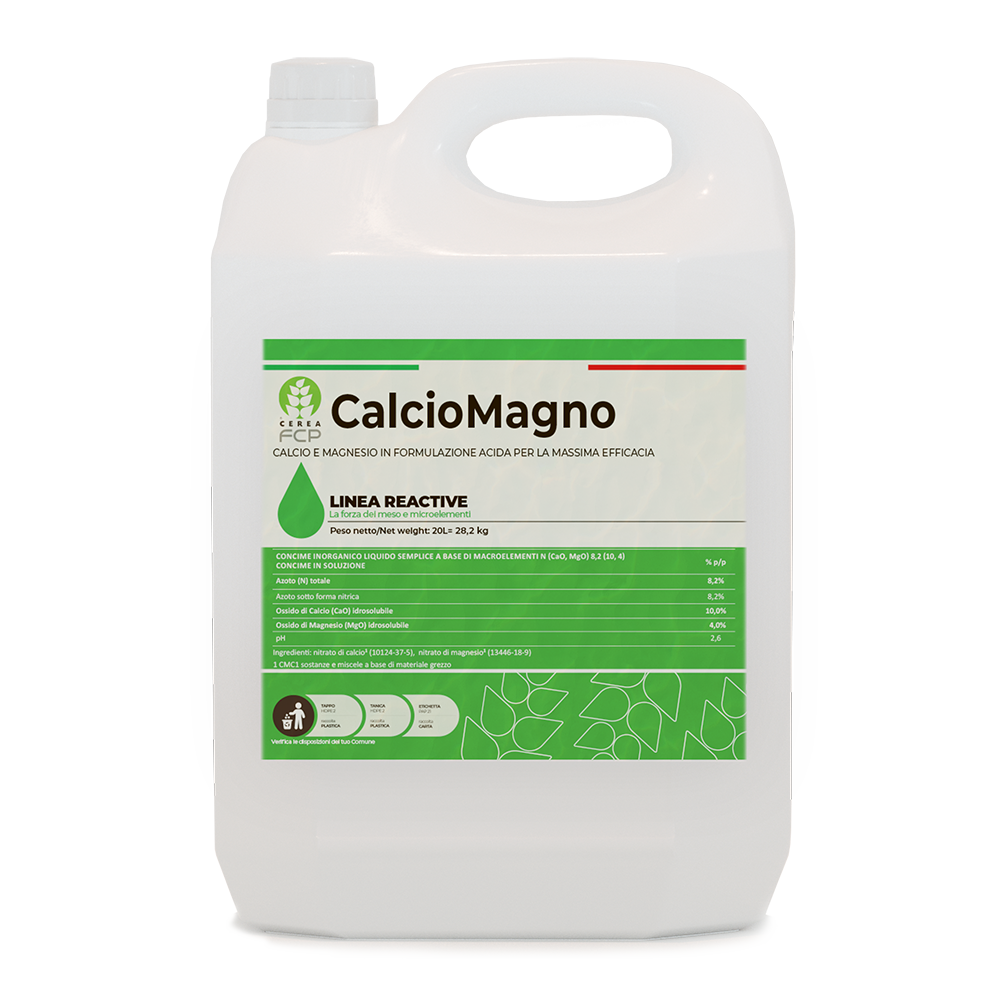
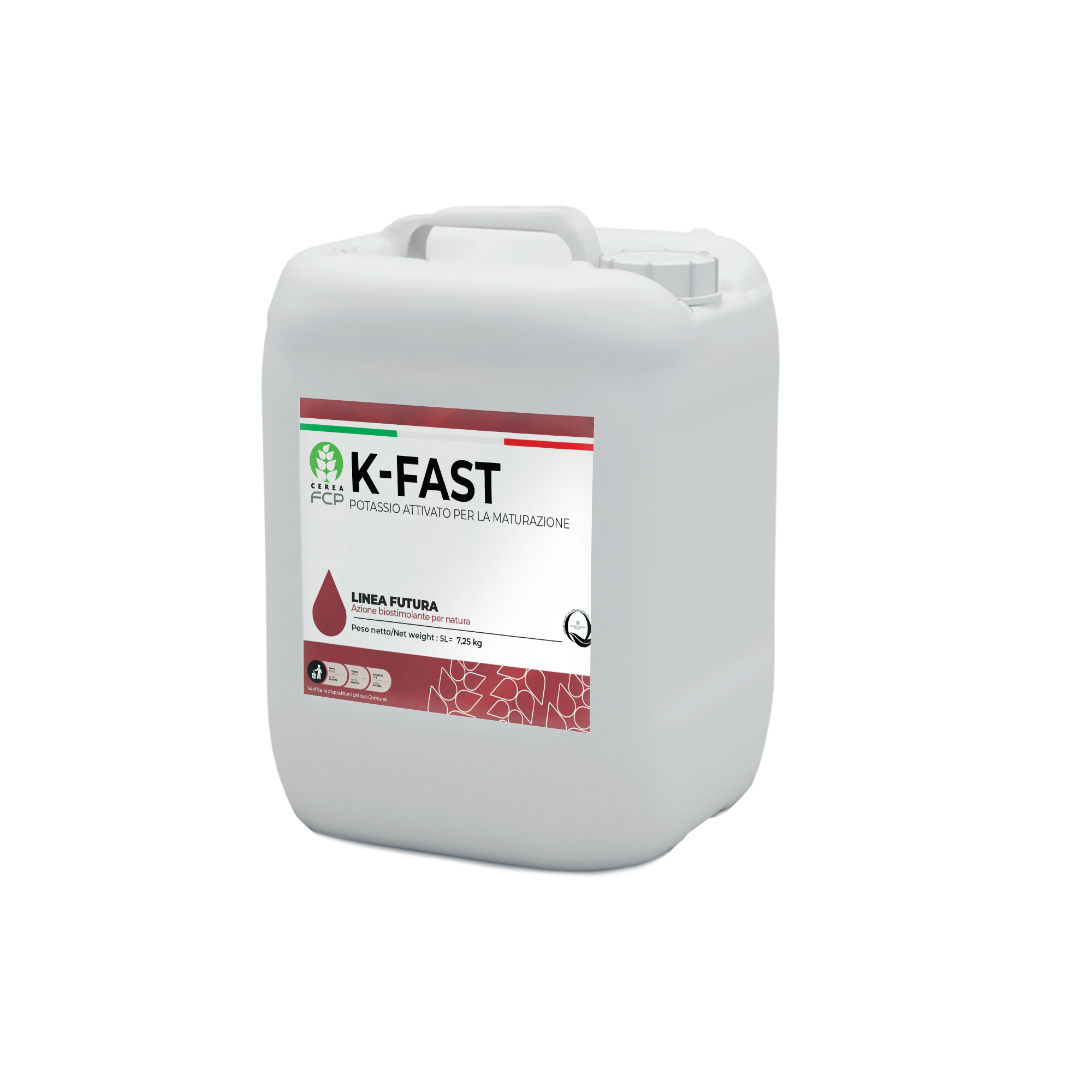
في حالات الإصابة بالكلوروز الناتج عن نقص الحديد، نوصي باستخدام Nano.T Fe عن طريق الجذور، على أن يتم تحديد الجرعة وفقًا لمؤشر الكلوروز المرتبط بالحديد في التربة.
ولتعزيز قوة النبات وزيادة مقاومته للإجهادات الحيوية وغير الحيوية، نوصي باستخدام NanoT.Cu رشًا ورقيًا كل 15 يومًا ابتداءً من مرحلة النمو الخضري.
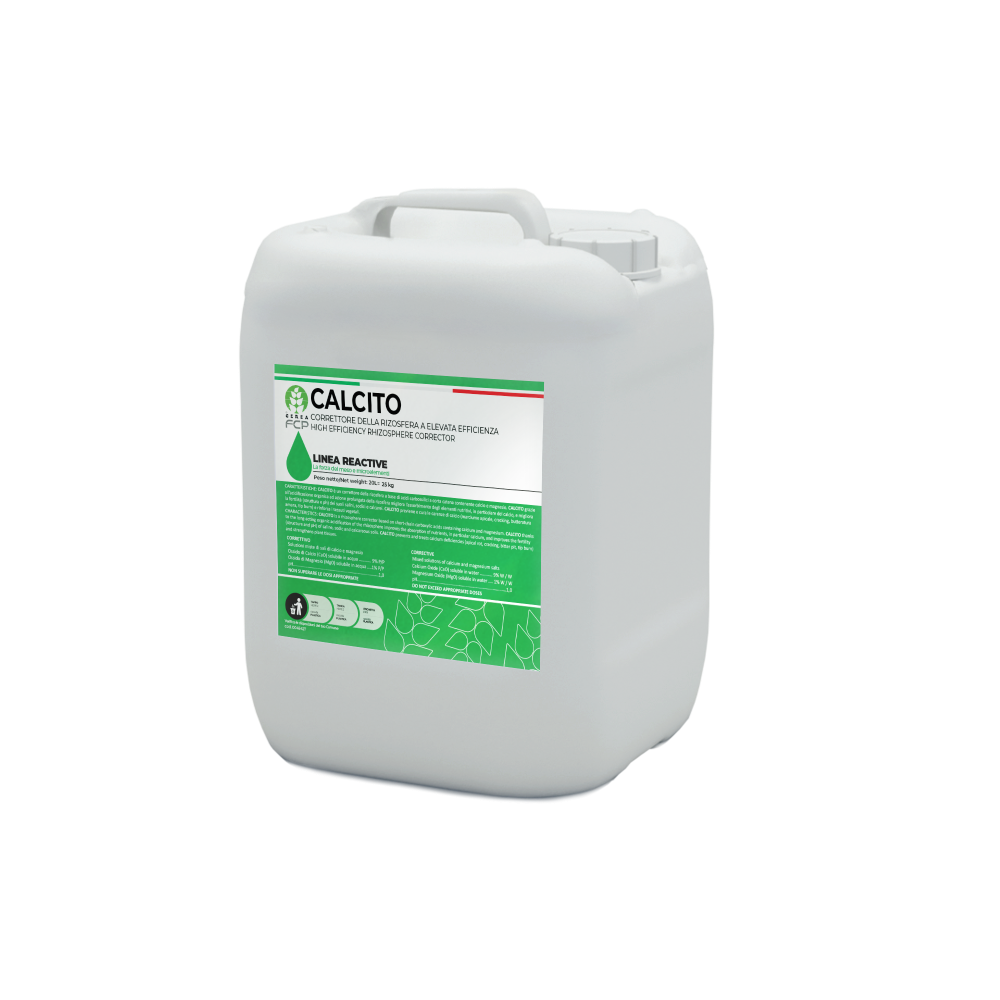
وفي الترب المالحة أو الصودية أو الجيرية ذات الرقم الهيدروجيني القلوي، يُنصح بإضافة CALCITO بمعدل 10 لتر/هكتار كل 25–30 يومًا.
ولتهيئة بيئة مناسبة للحفاظ على صحة الأوراق والبراعم والثمار، يُنصح باستخدام Nano.T Total و A-Myco.
كما يُنصح باستخدام Mycovix لتهيئة بيئة ملائمة لنمو نظام جذري صحي وقوي.


Main challenges
Main challenges include fungal diseases (especially downy mildew and powdery mildew), viruses transmitted by aphids and whiteflies, and nematodes.
Need assistance?