



التوزيع الجغرافي للإنتاج العالمي
· يُزرع المانجو (Mangifera indica L.) تجاريًا بين خطي عرض 37° شمالًا و33° جنوبًا، في المناطق الاستوائية وشبه الاستوائية بمختلف أنحاء العالم.
· تتصدر الهند الإنتاج العالمي، حيث تسهم بنحو 46% من إجمالي الإنتاج، تليها كل من الصين، وتايلاند، وإندونيسيا، وباكستان، والمكسيك، وبنغلاديش، والبرازيل، ومصر، ونيجيريا.
· في أوروبا، برزت صقلية كمركز رئيسي لإنتاج المانجو، حيث ارتفعت المساحة المزروعة من 10 هكتارات فقط عام 2004 إلى أكثر من 1200 هكتار حاليًا، مدفوعة بارتفاع درجات الحرارة في مناخ البحر المتوسط.
إمكانات المحصول
· يمثل المانجو نحو نصف إجمالي إنتاج الفاكهة الاستوائية عالميًا، مما يعكس الطلب المتزايد والمستمر من المستهلكين.
· يتيح التوسع في زراعة المانجو في مناطق متوسطية غير تقليدية، مثل صقلية، فرصًا اقتصادية واعدة؛ إذ تُباع ثمار المانجو بأسعار تتراوح بين 3 و5 يورو/كجم، مقارنة بأسعار أقل بكثير لمحاصيل الحمضيات التقليدية، مما يجعلها أكثر ربحية لكل هكتار.
· ورغم أن التغير المناخي يُشكل تحديًا للمحاصيل المتوسطية التقليدية، فإنه يفتح في المقابل فرصًا زراعية جديدة أمام زراعة المانجو، مما يجعلها خيارًا استراتيجيًا لتنويع الإنتاج والتكيف مع التغيرات المناخية، خاصة في المناطق الهامشية لزراعة الحمضيات.
إدارة تغذية المانجو
يجب أن تعتمد إدارة تغذية المانجو على المراحل الفينولوجية للنبات، بحيث ينتقل التركيز من التغذية المعتمدة على النيتروجين لتعزيز النمو الخضري في الأشجار الصغيرة، إلى برنامج تغذية متوازن يعتمد على النيتروجين والفوسفور والبوتاسيوم والكالسيوم والمغنيسيوم (N-P-K-Ca-Mg) لدعم الإزهار، وعقد الثمار، وتحسين جودة الثمار في الأشجار المثمرة.
للحصول على ثمار عالية الجودة، يُوصى باستخدام كبريتات البوتاسيوم (SOP) بدلًا من كلوريد البوتاسيوم (MOP) خلال مرحلة امتلاء الثمار، إذ يساهم البوتاسيوم في زيادة حجم الثمار ووزنها وتحسين مظهرها وجودتها، في حين قد يؤثر الكلوريد سلبًا في نمو النبات وجودة الثمار.
ويُعد التسميد الأرضي أو عبر الري (Fertigation) الوسيلة المثلى لإمداد النبات بمعظم العناصر الغذائية الكبرى، مثل النيتروجين، بينما تحقق العناصر الصغرى أفضل النتائج عند تطبيقها رشًا على الأوراق خلال مرحلة التزهير.
كما تتجه الأبحاث الحديثة إلى تطوير تركيبات نانوية للعناصر الصغرى بهدف رفع كفاءة امتصاص العناصر الغذائية وتقليل معدلات استخدامها، بما يدعم تطبيقات الزراعة الدقيقة ويُحسن كفاءة إدارة التغذية النباتية.

توزيع المنتجات حسب المرحلة الفينولوجية – خط الشرق الأوسط

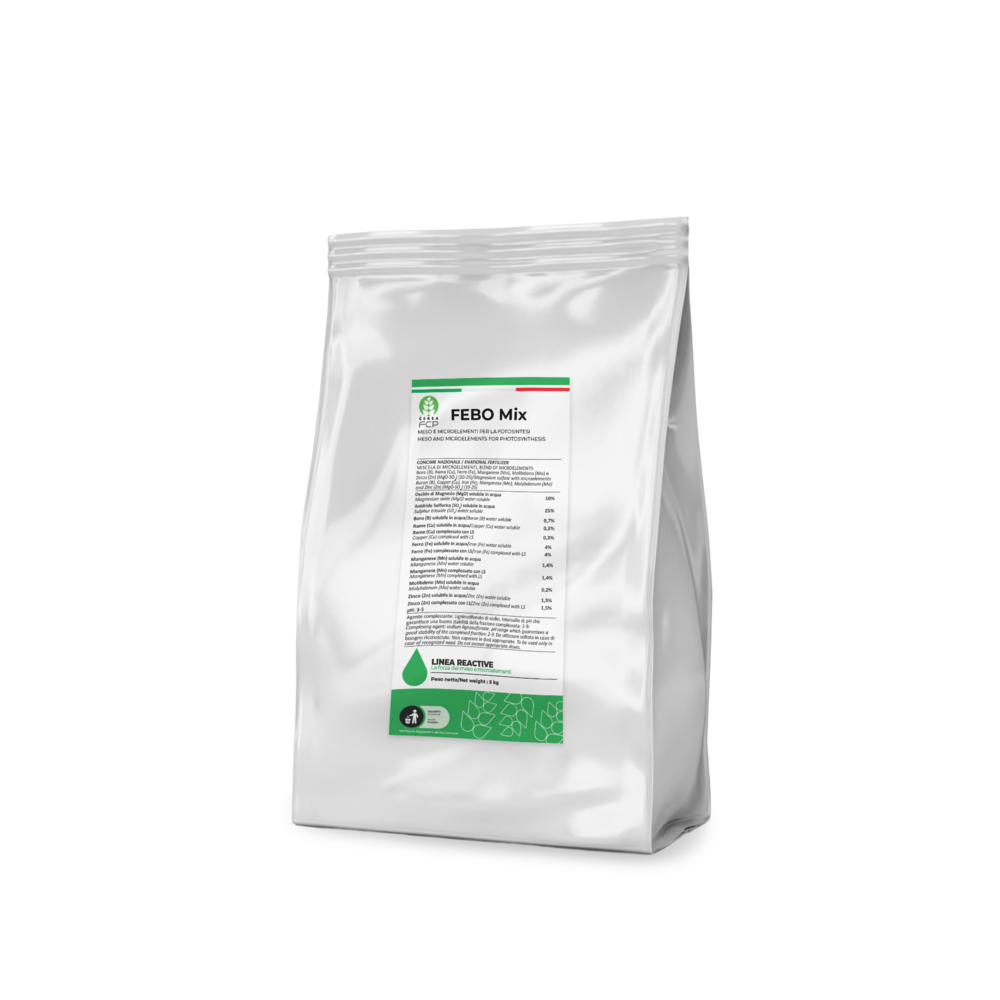

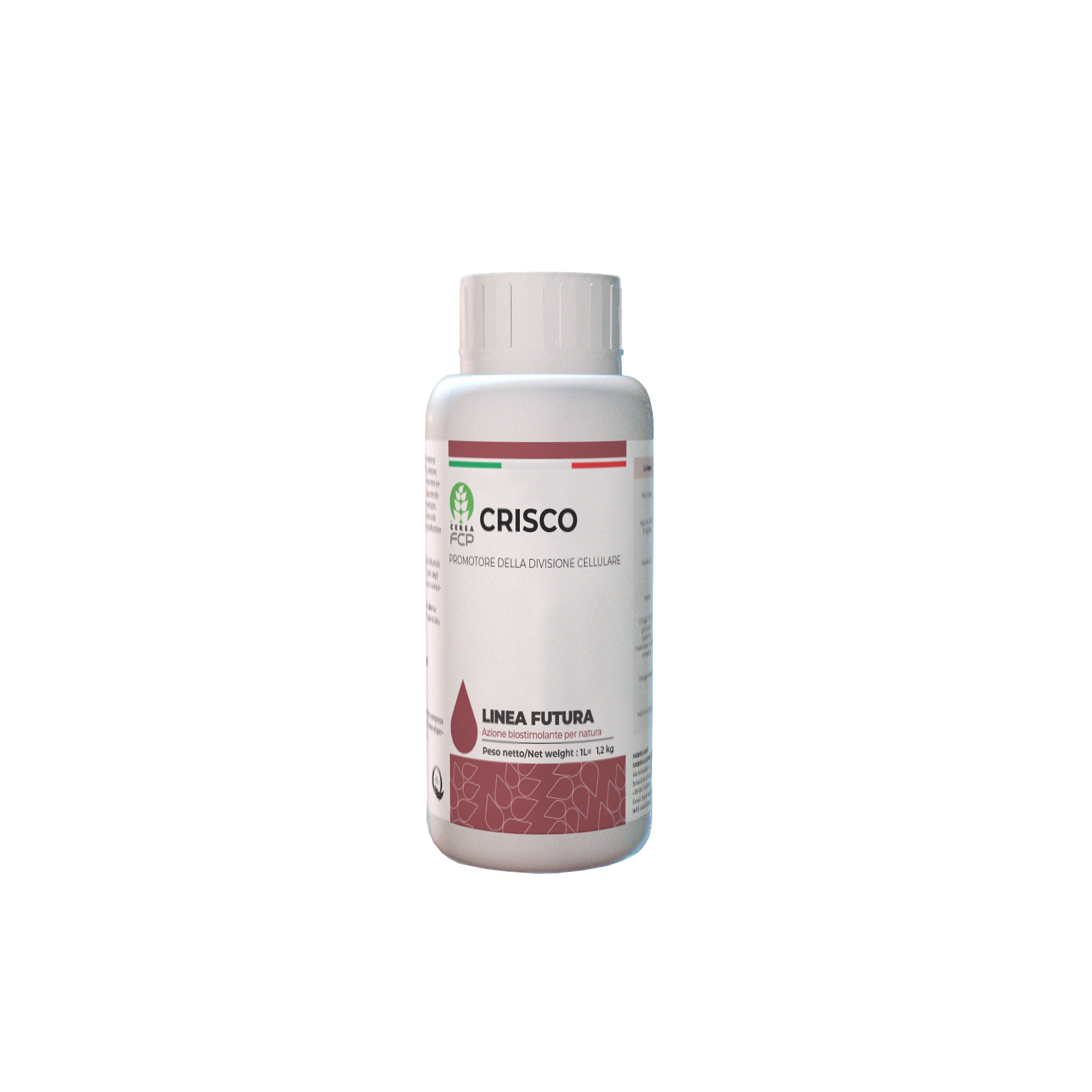



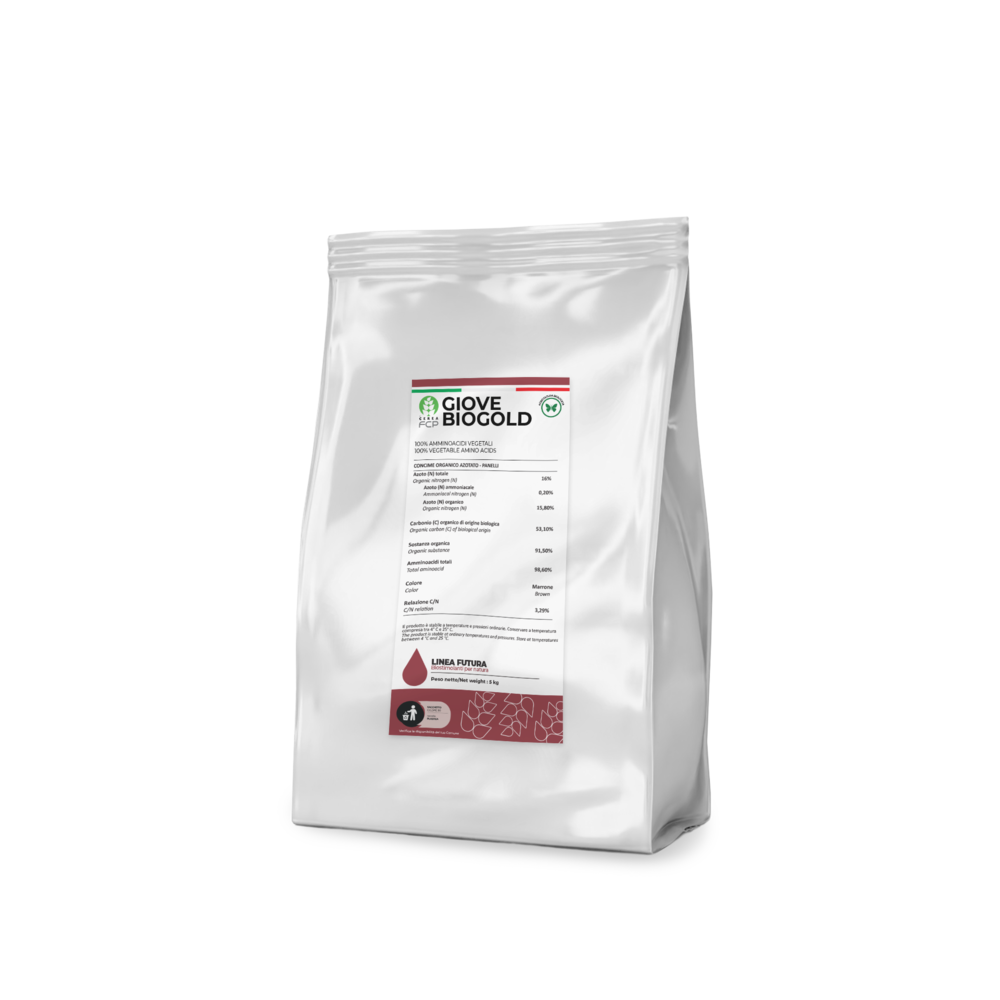
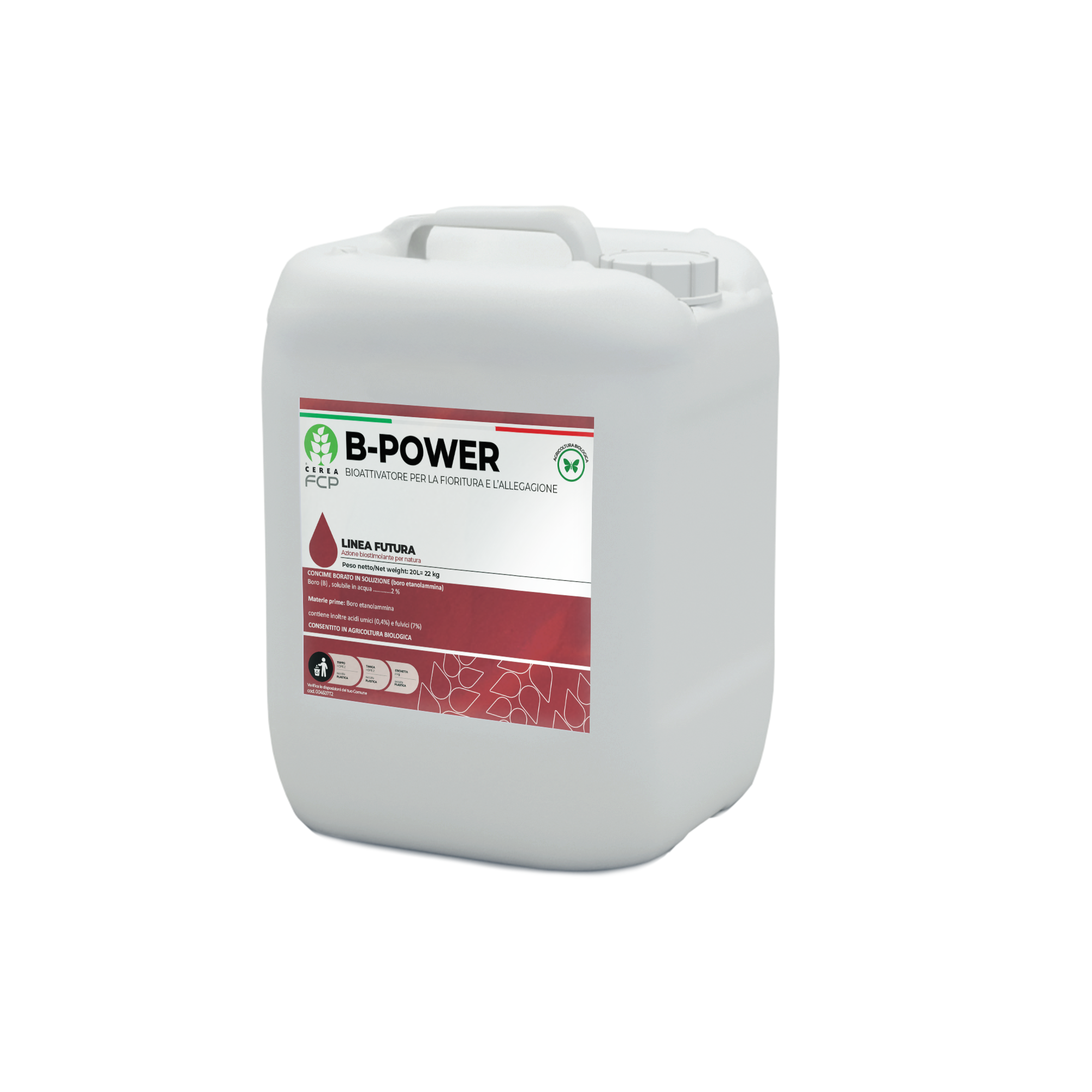



في حالات الإصابة بالكلوروز الناتج عن نقص الحديد، نوصي باستخدام Nano.T Fe عن طريق الجذور، على أن يتم تحديد الجرعة وفقًا لمؤشر الكلوروز المرتبط بالحديد في التربة.
ولتعزيز قوة النبات وزيادة مقاومته للإجهادات الحيوية وغير الحيوية، نوصي باستخدام NanoT.Cu رشًا ورقيًا كل 15 يومًا ابتداءً من مرحلة النمو الخضري.
وفي الترب المالحة أو الصودية أو الجيرية ذات الرقم الهيدروجيني القلوي، يُنصح بإضافة CALCITO بمعدل 10 لتر/هكتار كل 25–30 يومًا.
ولتهيئة بيئة مناسبة للحفاظ على صحة الأوراق والبراعم والثمار، يُنصح باستخدام Nano.T Total .

هل تحتاج إلى مساعدة؟

أهم التحديات
· يتعرض المانجو لما يقارب 400 نوع من الآفات، بالإضافة إلى العديد من مسببات الأمراض الفطرية. وتُعد الأنثراكنوز، والبياض الدقيقي، و التقرح البكتيري، وتشوه المانجو، والجرب، والعفن السخامي من أكثر الأمراض تأثيرًا من الناحية الاقتصادية.
· يُعد التدهور المفاجئ لأشجار المانجو، الناتج بشكل رئيسي عن الفطر Ceratocystis fimbriata والحشرات الناقلة له، من التهديدات العالمية المتزايدة، إذ يؤدي إلى موت سريع وغالبًا غير قابل للعلاج للأشجار.
· تتسبب ذبابة الفاكهة وسوسة البذور في أضرار مباشرة للثمار وتراجع جودتها، مما يزيد من صعوبة إدارة البساتين والالتزام بالاشتراطات الصحية النباتية اللازمة للتصدير.
· تُعد لفحة الشمس (Sunburn) التهديد الرئيسي لجودة الثمار خلال فصل الصيف في مناطق البحر المتوسط، مما يستدعي استخدام شبكات أو أنظمة تظليل لحماية الثمار.