



Cultivation and Fertilization of Durum Wheat
Durum wheat (Triticum durum Desf.) is one of the most important cereal crops for Italy and the entire Mediterranean region, serving as the key raw material for the production of pasta, bread, and other baked goods.
Italy remains a global leader, exporting more than half of its production to over 200 countries. However, domestic production is still insufficient to meet the demands of the processing industry.
Nutritional Recommendations for Durum Wheat
The use of organo-mineral NP fertilizers is recommended (potassium is generally sufficient in Italian soils), as they improve soil structure, microbiological fertility, and phosphorus efficiency, thanks to the humic acids that enhance its absorption by the plant.
Sulfur deserves special attention since, in combination with nitrogen, it is essential to ensure high yields and grain quality. Specifically, sulfur helps to:
● Maximize nitrogen efficiency
● Improve grain quality and protein content
Below you will find the most effective strategies for proper fertilization of durum wheat to achieve a high-quality product.

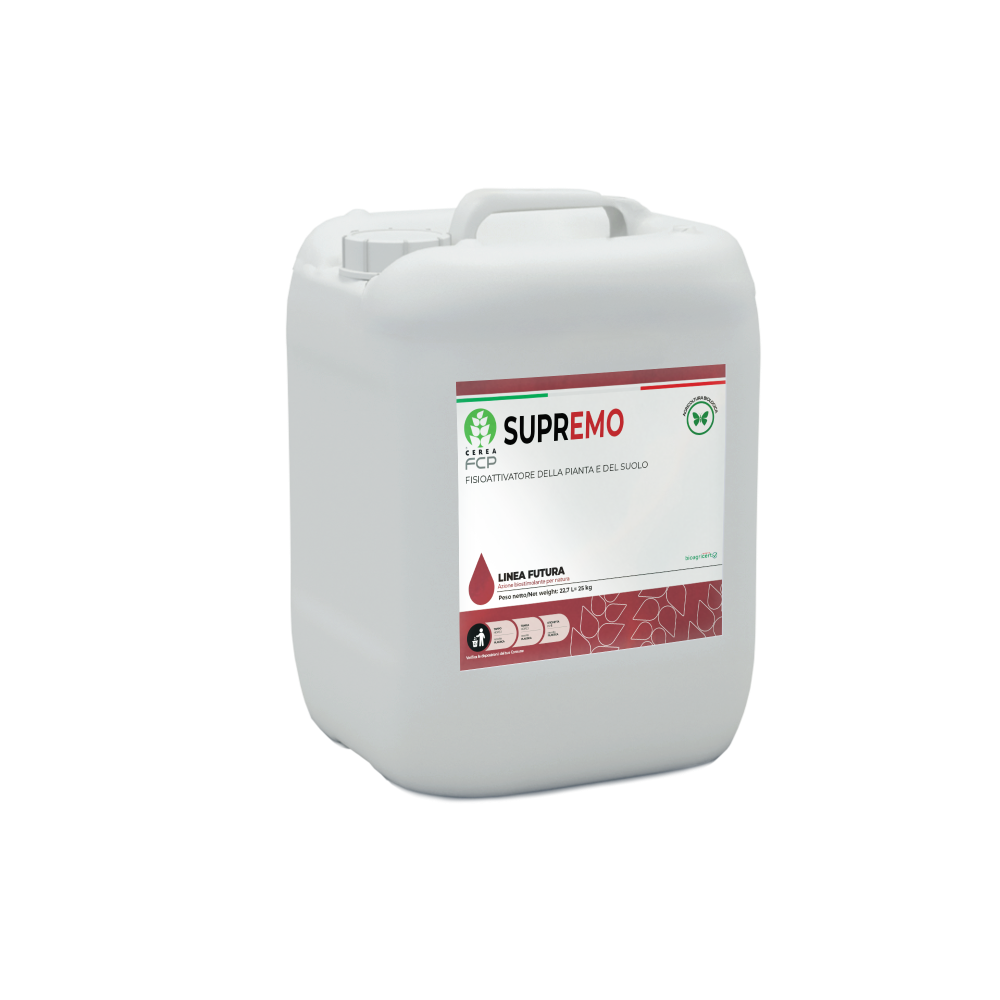
PRODUCT POSITIONING BY PHENOLOGICAL PHASE - TRADITIONAL LINE





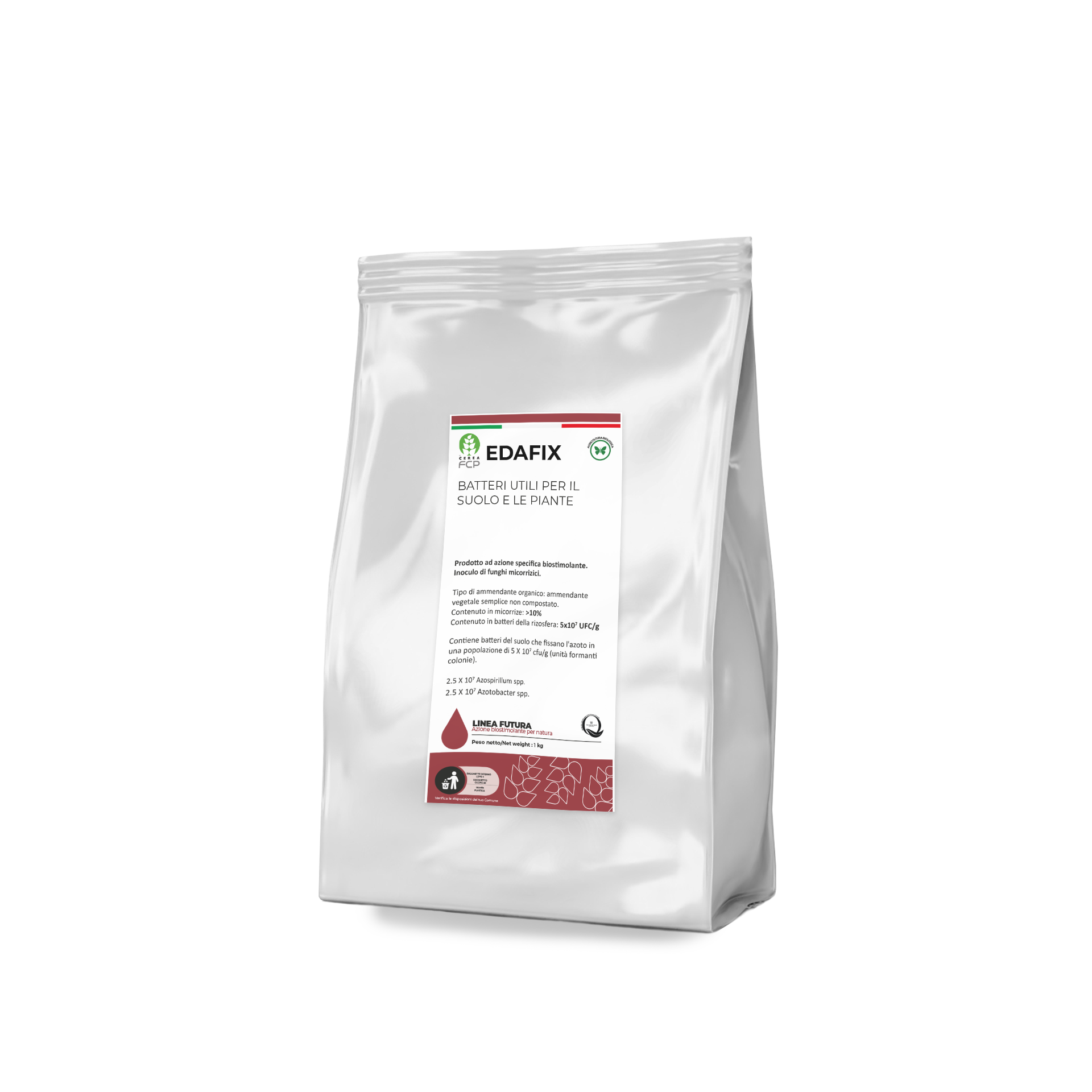

PRODUCT POSITIONING BY PHENOLOGICAL PHASE - ORGANIC LINE



Climatic Conditions and Challenges
Durum wheat thrives in areas with mild winters, limited and irregular spring–summer rainfall, low air humidity, and high temperatures during the ripening phase. It performs best in medium to heavy, clayey soils with good structure and high water-holding capacity.
Durum wheat leaves behind only modest amounts of crop residue in the soil, and yields can decline significantly even after a single year of continuous cultivation. Crop rotation is therefore recommended.
Climate change is creating increasingly difficult challenges. Water stress, particularly during critical stages from flowering to maturity, causes significant yield losses.
Need assistance?
Split fertilization is essential for achieving good yields in durum wheat. Pre-sowing fertilization is important to support the plant throughout the long winter period. An organo-mineral NP fertilizer such as Granoro ensures the availability of nitrogen and phosphorus during this time. For top dressing, it is advisable to intervene during the stem elongation and booting stages. In particularly poor soils, an additional application at tillering (late winter) is recommended to avoid growth limitations. Cerea Slow 33, based on nitrogen and sulfur, provides steady nutrition and is ideal for the first top dressings. Cereas 38 offers the right N-to-S ratio to nourish the ear during the later stages (booting stage).
Nitrogen and sulfur are the key elements for improving wheat quality. Nitrogen not only increases yield but also enhances test weight. Split applications are essential, as nitrogen should be supplied following the crop’s uptake curve to achieve the best results. Sulfur is crucial for increasing grain protein content; therefore, top dressings containing sulfur (such as Cerea Slow) are recommended.
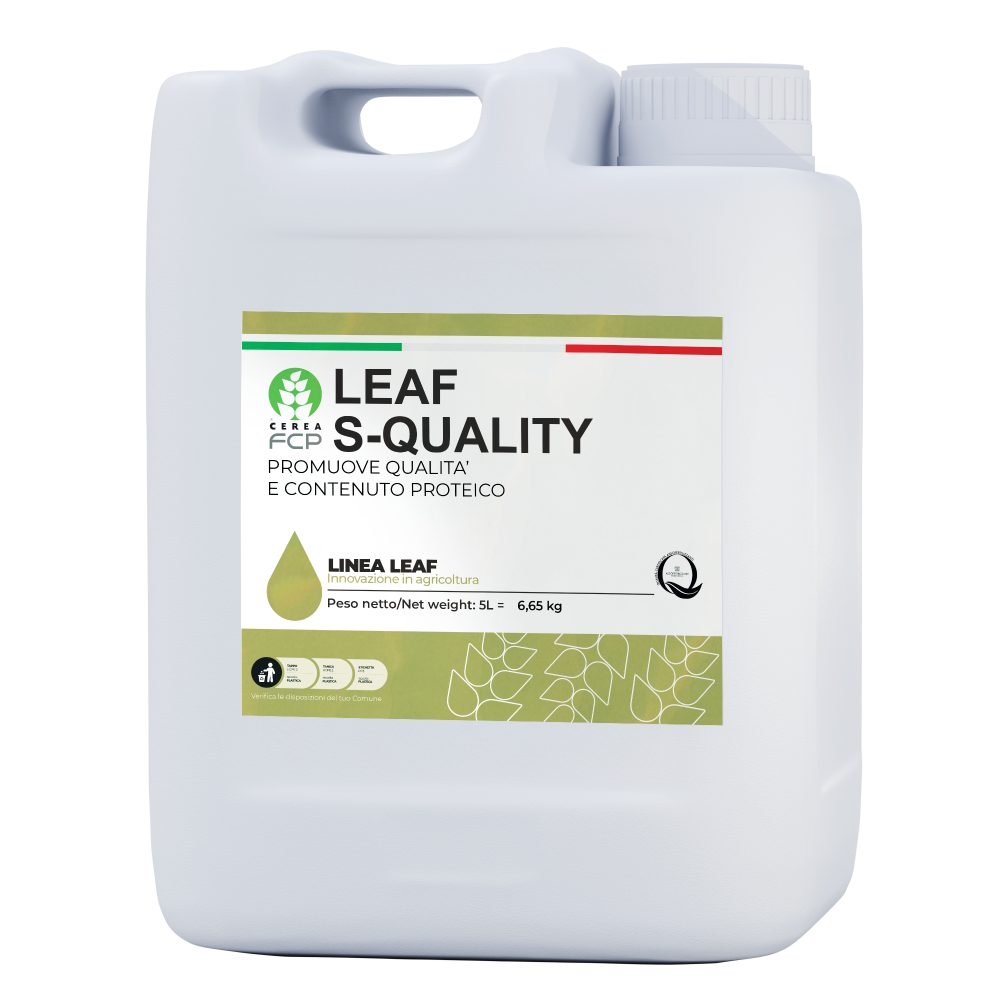
To further improve grain quality, specific foliar products can be applied alongside crop protection treatments. Leaf N Fast enhances photosynthesis and plant activity, while Leaf S Quality, applied during heading, promotes protein synthesis while also nourishing the plant.
Yes, pre-sowing fertilization is essential for increasing crop yield. During the first weeks after germination, the plant relies on the seed’s stored nutrients, but without pre-sowing fertilization, it remains undernourished throughout the long winter period. The use of an organo-mineral NP fertilizer such as Granoro offers several advantages: it improves soil structure, increases microbiological fertility, and provides long-lasting phosphorus and nitrogen availability, supporting tillering and overall crop vigor.