Sustainability for FCP Cerea

Our Social Sustainability Projects.
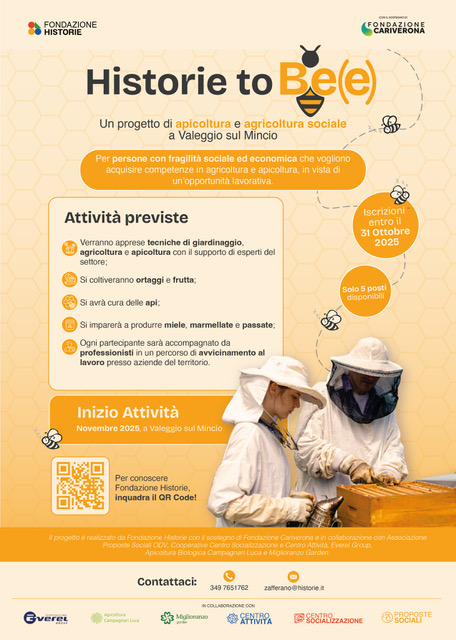
Historie to be(e)
PROJECT TITLE
Historie to be(e)
SCOPE OF INTERVENTION
Community empowerment through the promotion of autonomy, participation and collective well-being, promoting social interactions and inclusion
PROJECT DESCRIPTION
Renovate the entire plot of land (approximately 6,000 m2) by introducing a series of agricultural and beekeeping activities. Eight people with disabilities, experiencing economic hardship, and experiencing material and social deprivation will be directly involved, supported by the organization. This will offer them concrete opportunities to acquire skills and abilities related to agriculture, beekeeping, and teamwork (meeting deadlines, cooperation), which can be applied in their careers.
COMPLETION TIMELINE
September 2025 – December 2026


Our Environmental Sustainability Projects.
To improve its environmental sustainability in recent years, FCP Cerea has worked in various areas:
Improving the carbon footprint
In 2025, we planted approximately 600 bare-root poplars (Tucano R3F1 clone) near the factory. These are an excellent choice for sequestering large quantities of carbon dioxide and improving the climate balance of agricultural land and anthropized environments, with performance far superior to most traditional agricultural crops. This new generation of plants shows up to 15% higher productivity than traditional ones with the same inputs (water, fertilizers) and is capable of absorbing 30 to 40 times more CO₂ than the emissions produced by the cultivation itself. Approximately 80 Italica Nigra cypress poplars were also planted, chosen for their rapid growth and good resistance to environmental stress, factors that contribute to stable sequestration over time.
Reduction of these emissions through the use of energy produced by photovoltaic systems
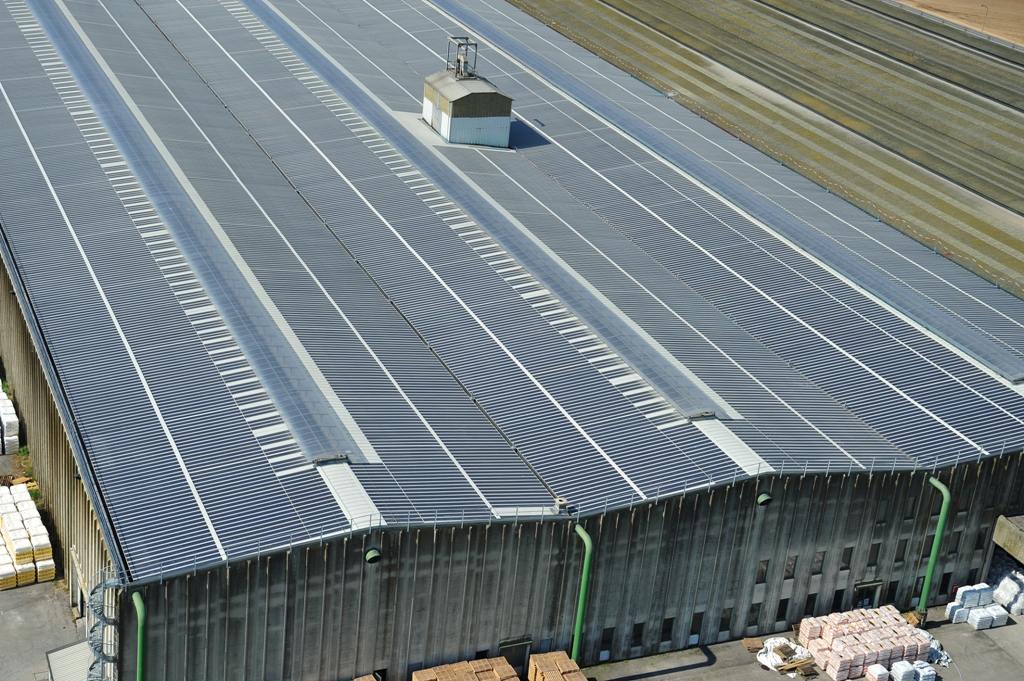
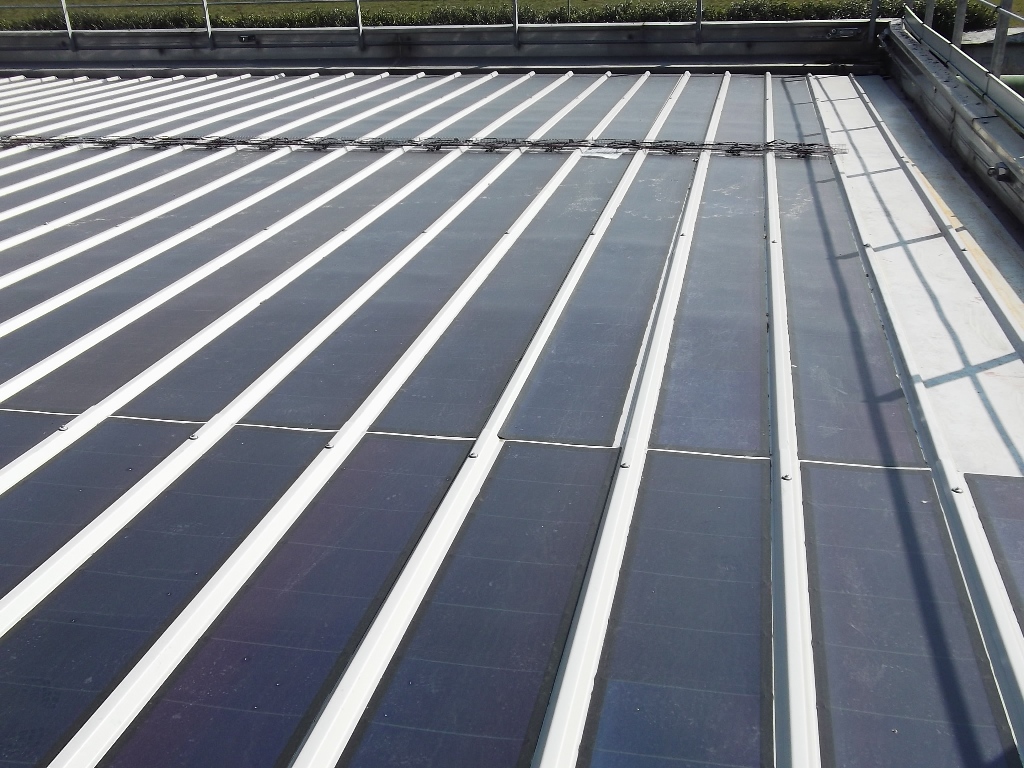
On the factory's pitched roofs, we installed a 0.8 MWh medium-voltage system composed of over 6,000 amorphous silicon photovoltaic modules covering an area of 1,684 m2. This system not only significantly reduces CO₂ emissions, but also allows the company to be more competitive and to achieve more stable economic planning over time.