


How to improve phosphorus availability and absorption
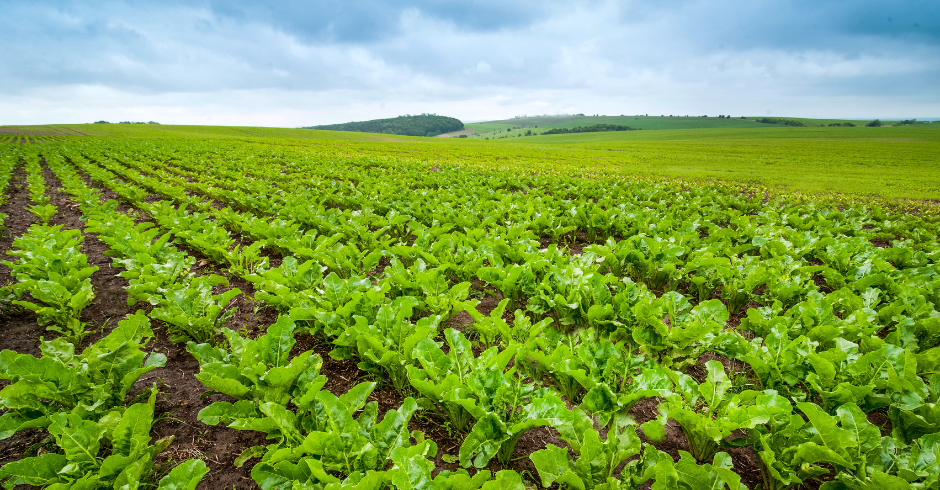
Phosphorus is an essential element for the plant. Its deficiency can cause serious consequences in its growth and productivity. Furthermore, phosphorus is characterized by poor soil mobility and low use efficiency. In light of these peculiarities, a correct contribution is essential not only in the tract explored by the roots but also in the phenological phase in which its absorption is most important.
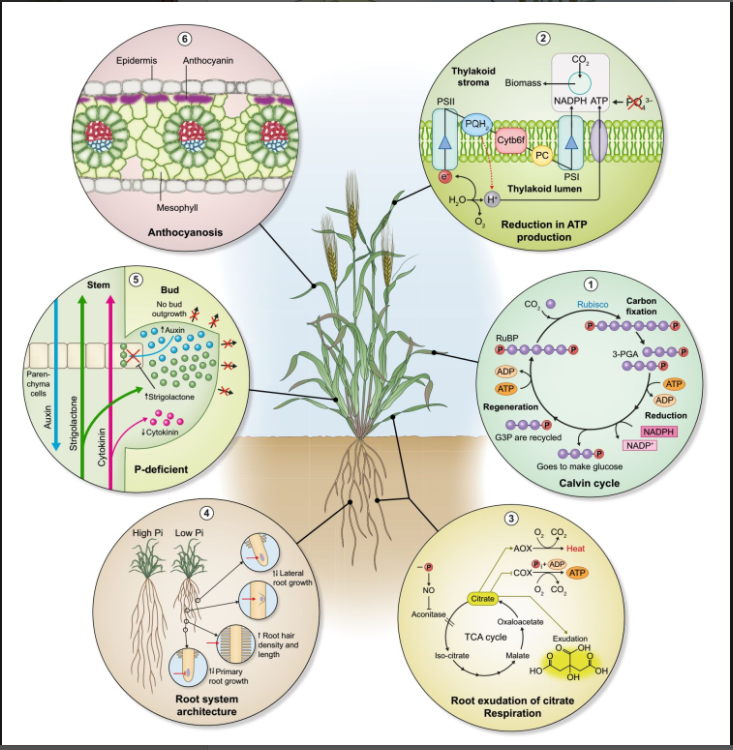
Phosphorus also performs some fundamental functions for the correct growth and development of plants:
- promotes rooting, makes the plant more resistant to disease and less susceptible to lodging
- It is concentrated in young plant tissues, is important for energy metabolism and in synthesis, demolition and transformation reactions
- It is extremely important in flowering and intervenes in fundamental metabolic processes
- promotes fruit ripening and improves quality
Solubility, absorption and retrogradation of phosphorus
In addition to its very low mobility, the solubility of phosphorus and therefore its absorption depends on the pH of the soil. Solubility is maximum in soils that tend to be neutral, while in acidic or basic soils it undergoes insolubilization phenomena (retrogradation of phosphorus).
Through various chemical, physical and biological transformations and thanks to the solubilizing capacity of the roots, phosphorus-containing compounds release HPO42- ions available for plants, even if the H2PO4- ion is the most assimilable for roots. However, it should be considered that the ratio between the two ions is determined by the pH of the soil, therefore at pH lower than 7 the H2PO4- ion prevails, while at pH higher than 7 the HPO42- ion prevails.
In unfavorable soils (excessively acidic or alkaline pH), this element can undergo retrogradation phenomena that prevent its absorption by the plant:
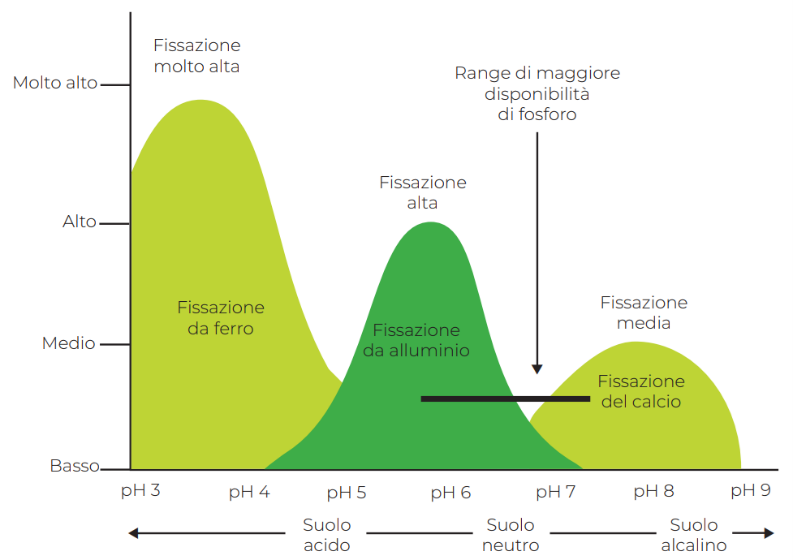 Figure 2: pH and P availability
- Dissolved in water it is retained by colloids
- In acidic soils it forms insoluble complexes with iron and aluminum forming Fe and Al phosphates
- Tricalcium phosphate is formed in calcareous soils, which is completely insoluble
The importance of phosphate fertilization
During periods of increased plant development, the phosphorus content present in the circulating soil solution is lower than the daily requirement, therefore, nutrient replacement with fertilization is necessary.
On average, only 10-20% of the phosphorus added to the soil through fertilization is absorbed by plants. For this reason it is advisable to locate it near the roots. Furthermore, being subject to precipitation reactions (calcium, magnesium, iron phosphates, etc.), it can suffer losses due to surface runoff or accumulate in water bodies (problem of eutrophication of rivers, lakes, and the sea).
For this reason, it is essential to use high-quality and highly soluble phosphorus-containing fertilizers. Furthermore, if equipped with humic acids, the phosphorus absorption efficiency is increased thanks to the formation of humo-phosphate compounds.
In this sense, a fertilization based on granular fertilizers from the Active and Active Premium families guarantees the supply of soluble phosphorus. While those of the Fert and Fert Premium families, all formulated as mineral organs, in addition to a high quality of soluble phosphorus are characterized by the presence of humic extracts that bind with phosphorus during the granulation process, protecting it from retrogradation processes.
The supply of quality phosphorus through fertilization and its absorption are essential requirements to promote good rooting, reduce the plant's susceptibility to disease, and allow for proper plant development. Phosphate fertilization, therefore, helps improve the external appearance and value of plant production by increasing the quality and quantity of final yield.