



Nutrition and Fertilization of Soft Wheat for Quality Breadmaking
Soft wheat (Triticum aestivum L.) is the most widely cultivated cereal in the world, forming the foundation of the milling industry for the production of flours used primarily in breadmaking and fresh pasta.
It differs from durum wheat by having a lower protein content and a softer, more floury grain.
The cultivated varieties are generally divided into:
● Autumn–winter wheats, sown in October–November
● Spring wheats, sown in spring in regions with particularly harsh winters
Globally, the leading producers are China, India, Russia, and the United States, while within the European Union, the largest growing areas are found in France and Germany.
Italian production does not meet domestic demand, and thus more than half of the wheat used is imported from various European countries.
Ideal Soil and Climate Conditions and Production Challenges
As with durum wheat, the highest yields are achieved in medium-textured or clay-loam soils, well-structured and well-drained.
Weather variability is a major unpredictable challenge: storms or persistent rain can cause nitrogen leaching, lodging, and fungal diseases, while water shortages can severely affect yields.
As for durum wheat, continuous monocropping is not recommended for soft wheat either.
Nutritional Recommendations for Soft Wheat
A rational fertilization strategy should take into account fertilizer costs, soil physicochemical fertility, and a proper assessment of the previous and subsequent crops in rotation.
Organo-mineral fertilizers are particularly effective for base fertilization, as the presence of organic matter reduces nitrogen leaching and limits phosphorus fixation, keeping it available to the plant.
Localized microgranular products (starter fertilization) provide a rapid effect on germination, root development, and tillering, while requiring lower phosphorus doses than broadcast applications.
The Role of Sulfur in Wheat Quality
Sulfur deserves special attention because, when combined with nitrogen, it is essential for achieving high yields and quality grain. Specifically, sulfur:
● Prevents yield reduction even in the absence of visible deficiency symptoms
● Maximizes nitrogen efficiency
● Improves grain quality and protein content
● Increases loaf volume (+10–15% with 50 kg SO₃/ha)
● Reduces acrylamide formation during baking
Many modern fertilizers combine nitrogen and sulfur to ensure balanced nutrition. Field and baking trials have shown that correct sulfur fertilization significantly increases loaf volume and minimizes acrylamide formation (with 50 kg SO₃/ha applications).
For this reason, many of the products recommended in FCP Cerea’s technical programs contain sulfur combined with nitrogen.
➡️ Insert the three graphs from the previous website on the wheat page.
Below you will find the most effective strategies for proper soft wheat fertilization, aimed at achieving a product particularly suited for high-quality breadmaking.

PRODUCT POSITIONING BY PHENOLOGICAL PHASE - TRADITIONAL LINE






PRODUCT POSITIONING BY PHENOLOGICAL PHASE - ORGANIC LINE


Need assistance?
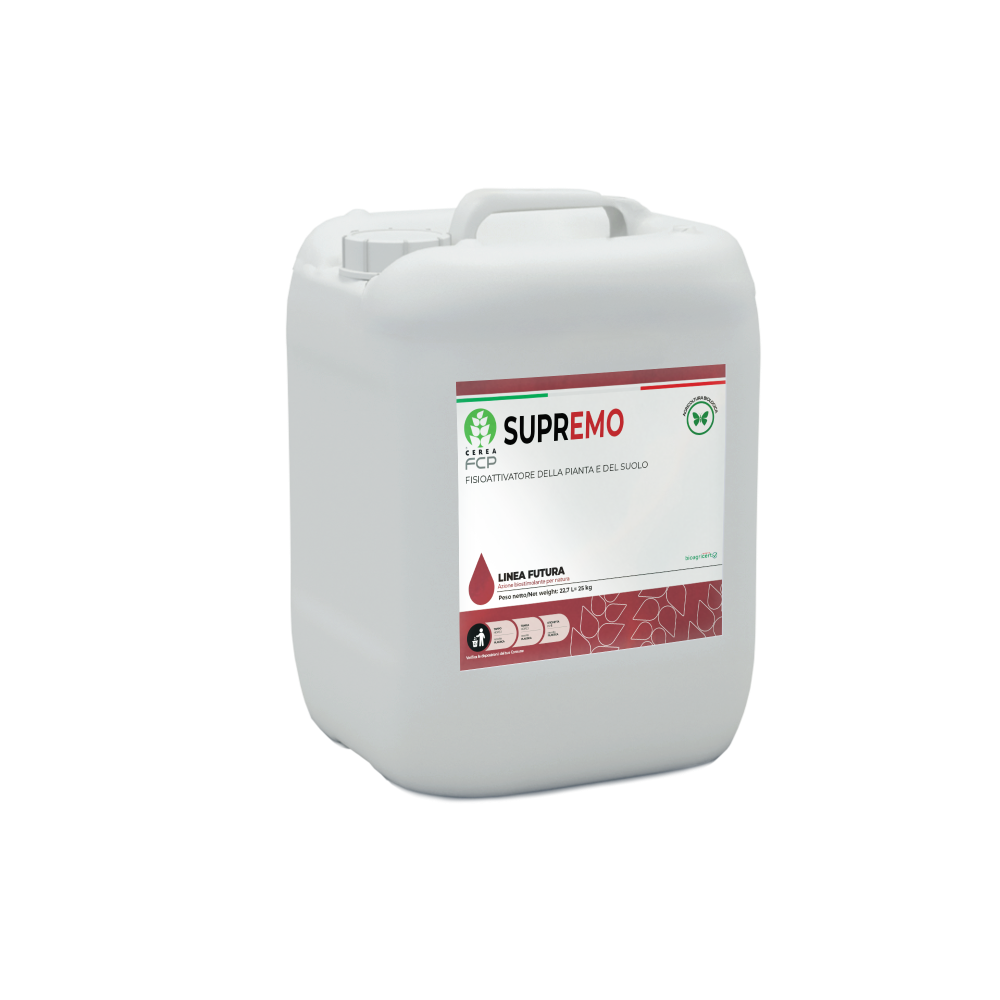
Pre-sowing fertilization is essential to support the plant during the long winter period. An organo-mineral NP fertilizer such as Granoro ensures the availability of nitrogen and phosphorus throughout this time. For top dressing, applications are recommended during the tillering and stem elongation stages, depending on crop development. Cerea Slow 33, based on nitrogen (N) and sulfur (S), provides steady nutrition and is ideal for the first top dressing. Cereas 38 is recommended for the second application during stem elongation. The presence of sulfur enhances nitrogen uptake and efficiency.
Sulfur enhances nitrogen assimilation, improves grain quality, and helps produce bread with greater loaf volume and better technological properties. The presence of sulfur in fertilizers is therefore a key factor for optimal plant nutrition.
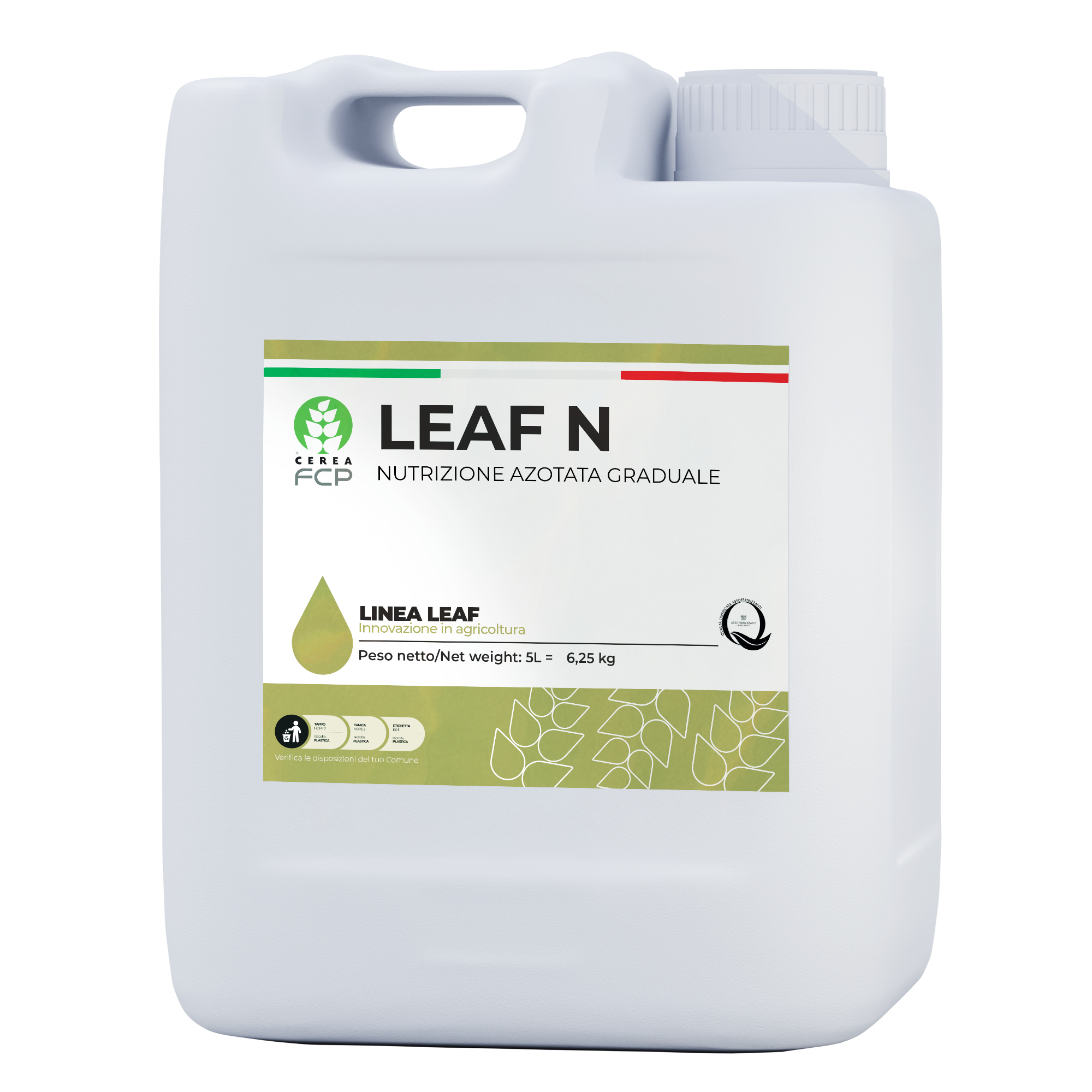
To further improve wheat quality, specific foliar products can be applied along with crop protection treatments. Giove Bio Gold, containing organic nitrogen and a high concentration of amino acids, promotes wheat growth and helps prevent stress. Leaf N, applied at the heading stage, supports grain filling and increases test weight.
Yes, pre-sowing fertilization is essential for improving crop yield. During the first weeks after germination, the plant relies on seed reserves, but without pre-sowing fertilization it remains undernourished through the long winter. Using an organo-mineral NP fertilizer such as Granoro offers several advantages: it improves soil structure, increases microbiological fertility, and provides phosphorus and nitrogen available over the long term—nourishing the wheat and supporting better tillering.