


Flowering and fruit set in processing tomatoes: nutritional strategies to maximise yield and quality
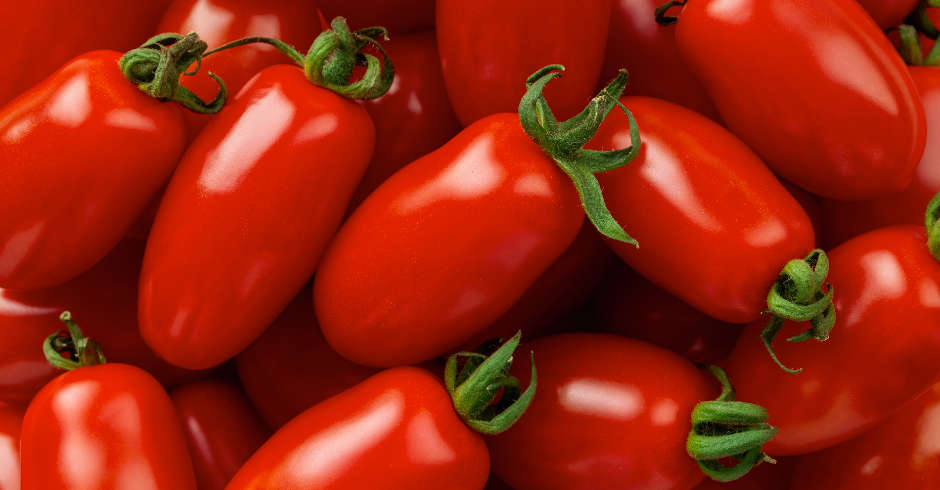
The processing tomato is one of the most important crops in Italy, being widely grown both in northern Italy (Veneto, Lombardy, Emilia-Romagna) and in southern Italy (Apulia and Campania). Italy is Europe’s leading producer and one of the world’s largest.

At this time of year, industrial tomatoes are generally in the flowering, fruit-setting and fruit-growth stages. However, transplanting is still taking place on many plots, and here we are naturally still at the start of the growing cycle.
As the first trusses reach full bloom and fruit-setting, the crop’s nutrient requirements increase rapidly. The uptake of elements such as nitrogen and potassium increases markedly from the start of flowering, with peak consumption concentrated in the following weeks. Over 50% of total nutrients are absorbed within a very short timeframe, making precise management of fertigation and fertiliser application essential
At this stage, it is essential to maintain the correct balance between vegetative and reproductive growth: excessive nitrogen inputs can stimulate excessive leaf growth, reducing flowering efficiency and fruit set capacity. At the same time, water availability must be constant and well-distributed, as stress conditions can limit nutrient uptake and negatively affect fruit yield and quality.
The role of key nutrients in tomato yield and quality
The processing tomato is a nutritionally demanding crop. During the flowering, fruit-setting and fruit-development stages, it is particularly important to manage nitrogen, potassium and calcium.
Nitrogen must be applied in a split and balanced manner to support growth without compromising the plant’s intended use;
Potassium is the most abundant element in the plant. It reaches its peak uptake during fruit development, contributing to sugar synthesis, colouration and the product’s processing quality. An adequate supply is therefore crucial for improving fruit size, Brix degree and uniformity of ripening. Potassium is also essential for water transport within the plant;
Calcium serves to ensure the structure and firmness of the fruit and prevent physiological disorders such as blossom end rot; the effectiveness of calcium supplied through fertilisation is closely linked to the regularity and efficiency of irrigation.
The nutrition of processing tomatoes during this period must therefore focus on targeted NPK fertilisation, a constant supply of calcium and measures aimed at maintaining the plants in excellent physiological condition, in order to optimise fruit set and development.
Our nutritional advices
During the vegetative growth stage (2–4 applications at 8–10-day intervals), foliar applications:
During the fruit-setting stage (2–3 applications at 8–10 day intervals), foliar applications:
- VigorGreen (1,5 l/ha)
- Magnetical (3 l/ha)
During the fruit-enlargement stage, in fertigation:
- Focus Ca (15 l/ha)
Would you like to find out about the full range of technical products for processing tomatoes?