


Processing tomato
The right fertilizer for every type of crop.

The global production of processing tomatoes represents one of the most important horticultural sectors worldwide. The major producers of processed tomato products are California (USA), Italy, and China, followed by Spain and Portugal.
In Italy, the regions of Emilia-Romagna and Puglia are the most significant, producing both long and round varieties, depending on the intended industrial processing. Advantages of Italian production include nearly fully automated harvesting and a solid international market for high-quality products.
Cultivation conditions and challenges
Processing tomato faces numerous phytosanitary issues, including fungal diseases, insects, viruses, and bacterial infections. Agronomic challenges include flower abortion induced by high temperatures and sunscald on the upper fruit clusters.
High yields require minimizing harvest waste by ensuring the first clusters are healthy and the last are mature with intense color. A high Brix degree is also economically important for the producer.
Nutritional advice for processing tomato
- Start with a base fertilization of NP or NPK depending on soil conditions to promote root establishment and post-transplant recovery.
- Fertigation is critical, as it allows splitting nutrient applications according to phenological stages, combined with foliar applications that support fruit set, ripening, and anti-stress functions.
- Nitrogen should be carefully managed in fertigation, as excess can cause excessive vegetative growth at the expense of flowering.
- Potassium applied in the correct form (without nitrogen) is essential for high sugar content, improved color, and uniform ripening.
- Among mesoelements, calcium is particularly important for preventing blossom-end rot and ensuring fruit firmness. Magnesium is essential for photosynthetic activity.
Follow these strategies to optimize processing tomato cultivation and achieve high-quality, resilient fruits.

PRODUCT POSITIONING BY PHENOLOGICAL PHASE - TRADITIONAL LINE












For problems of iron chlorosis, we recommend interventions with Nano.T Fe via the roots (or foliar). Dosage based on the soil's iron chlorosis index.
To strengthen the plant and make it more resistant to biotic and abiotic stress, we recommend using Nano.T Cu foliarly every 15 days from vegetative development onwards.
In saline, sodic, calcareous soils with an alkaline pH, add CALCITO at a dose of 10 l/ha every 25-30 days.
To create favorable environments for maintaining healthy leaves, shoots, and fruits, use Nano.T Total and A-Myco
To create favorable environments for healthy root systems, use Mycovix.
PRODUCT POSITIONING BY PHENOLOGICAL PHASE - ORGANIC LINE



For iron chlorosis problems, we recommend applying Nano.T Fe BIO through the roots (or foliar). Dosage depends on the soil's iron chlorosis index.
To strengthen the plant and make it more resistant to biotic and abiotic stress, we recommend using Nano.T Cu BIO foliar application every 15 days from vegetative growth onwards.
To create favorable environments for maintaining healthy leaves, shoots, and fruits, use A-Myco
To create favorable environments for healthy root systems, use Mycovix.

Need assistance?
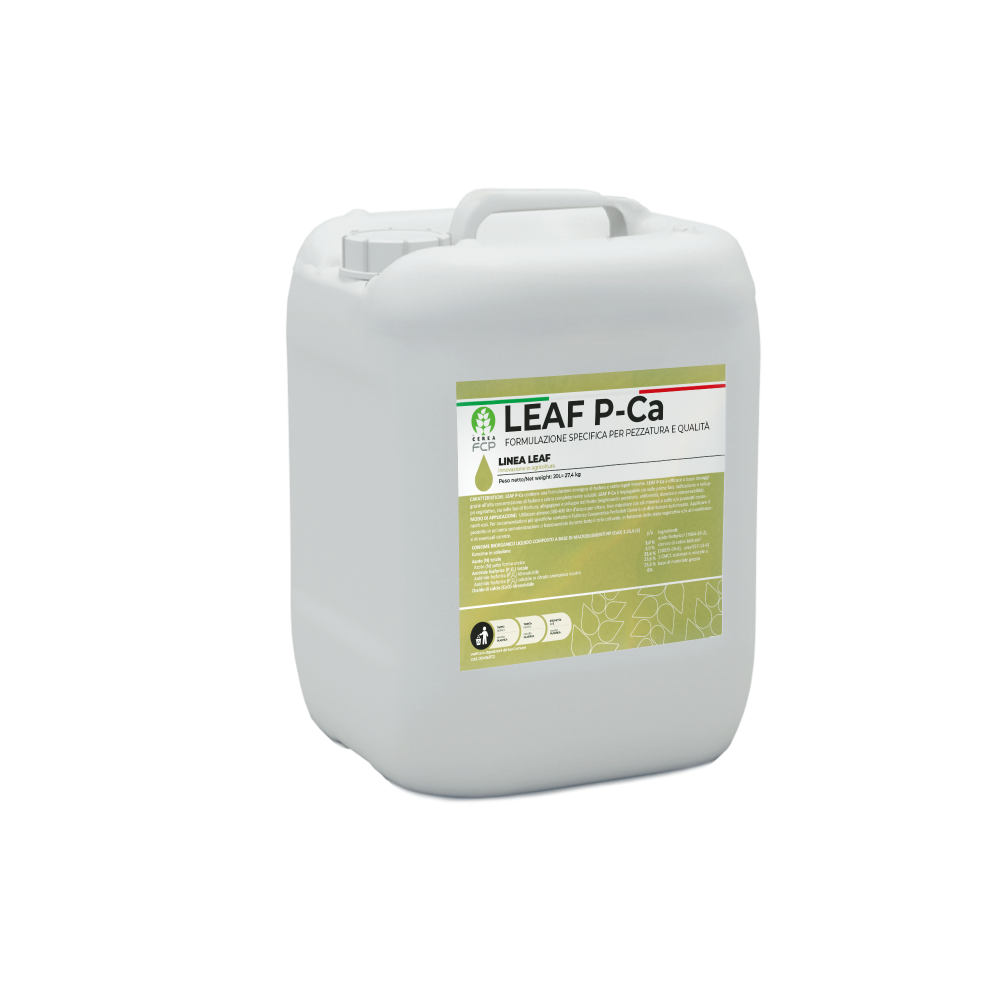
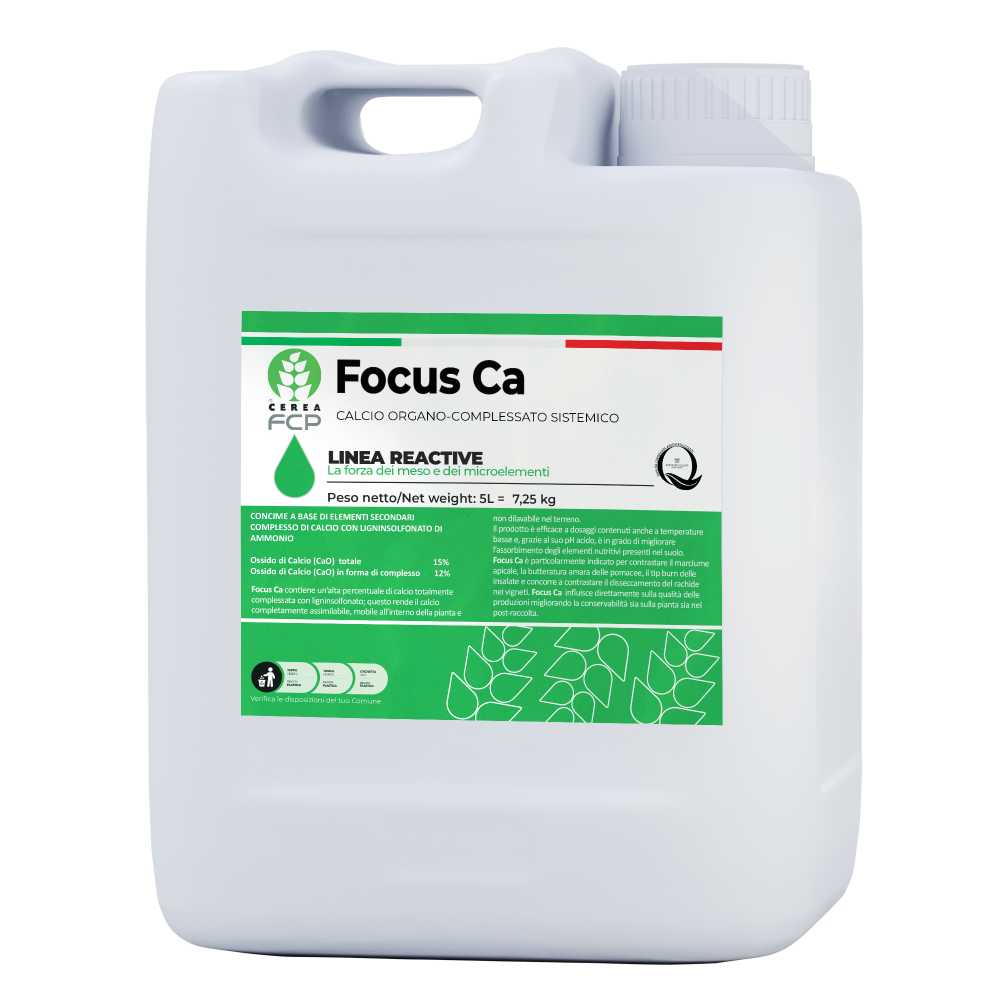
One of the main causes of flower or fruit drop is excessive heat during the fruit set period. To minimize this, it is essential to manage the plant properly, ensuring balanced growth. Nutritional management should be carefully programmed to avoid excess nitrogen, while using products that strengthen the plant (Leaf P-Ca, Focus Ca, Magnetical, CalcioMagno) and promote good fruit set (Naturblack, Vigor Green, Febo Mix, Febo Bio). Proper water management is also crucial—avoid over-irrigation.
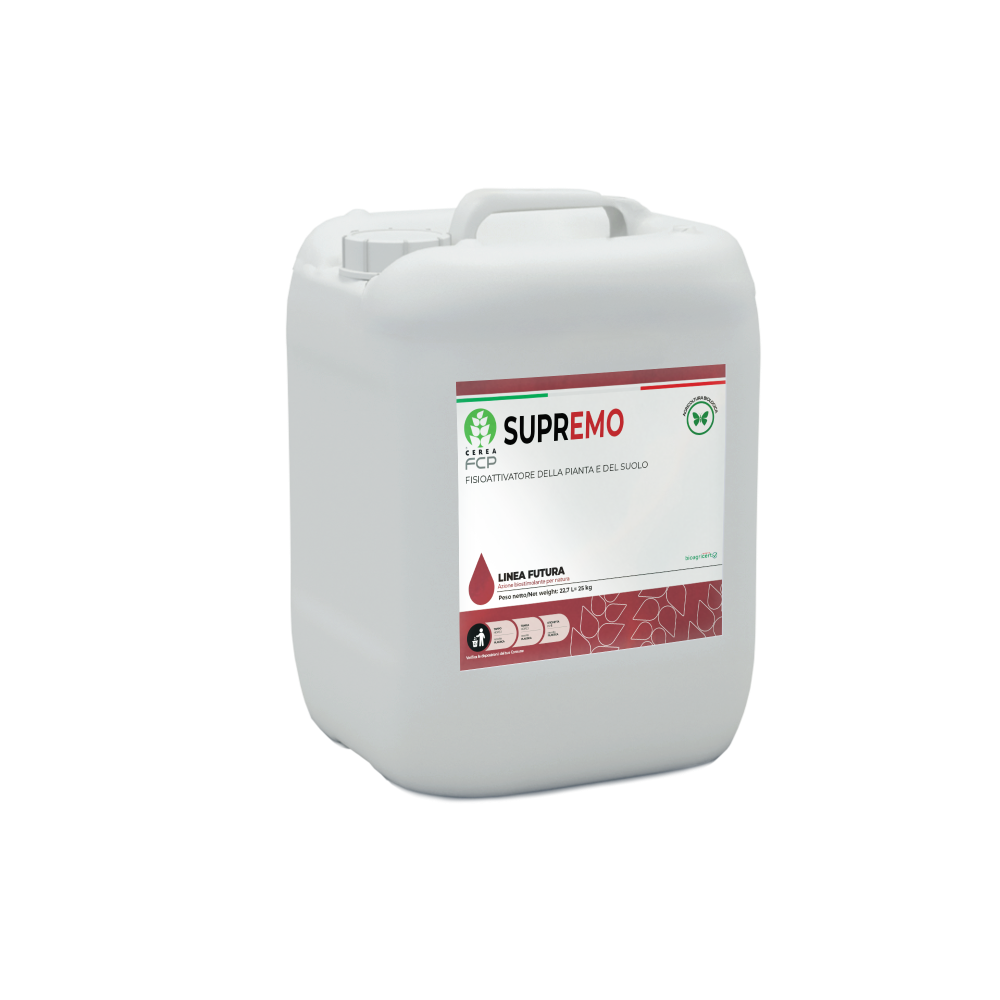
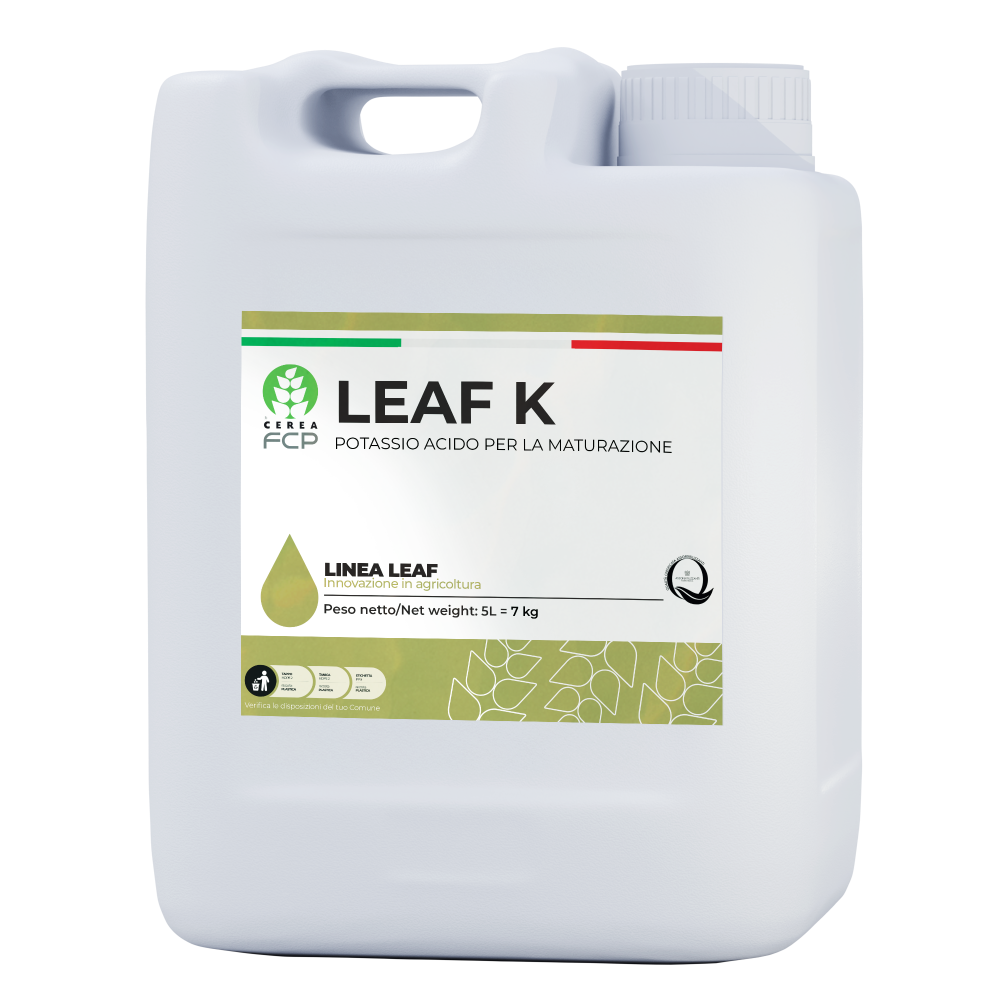
First, provide a balanced nutrition plan to avoid excessive vegetative growth, which would reduce flowering. Attention to fruit quality is also important to obtain heavier fruits with higher Brix and better storability. Products such as Supremo improve nutrient assimilation (reducing the need for excess fertilizers and minimizing the risk of overgrowth). Focus Ca and CalcioMagno enhance fruit quality by thickening the skin and improving resistance. K-Fast and Leaf K help improve fruit coloration and dry matter content.
To minimize harvest waste, manage nutrition carefully, especially for the first and last fruit clusters. For the first clusters, use products that increase calcium pectates both in the abscission zones (to prevent fruit drop) and in the fruit itself (to extend shelf life), such as Nano.T CaPO. For the last clusters, stimulate fruit coloration using calcium and potassium-based products (Leaf K, K-Fast, Focus Ca, Magnetical) and products that enhance pigment synthesis (Glycos Plus).