


Fresh market tomato transplant: a crucial phase for productivity
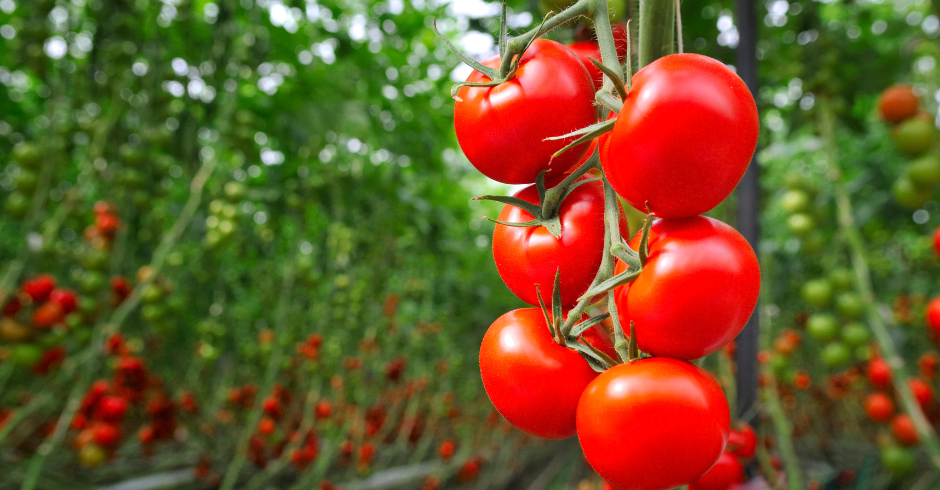
We are in the midst of a transplant in many areas of the fresh market tomato and in others it will begin soon. The transplanting phase must be followed carefully to avoid problems such as slow and stunted start of the seedlings with consequent production losses.
In this first phase, it is necessary to provide some of the nutrients that will be used later by the plant, such as N, P, and K. Phosphate fertilization is particularly important as this element is crucial in the first post-transplant phase, where it promotes the rooting and establishment of young plants and subsequently during flowering, as it is a fundamental energy component for the plant.
Phosphorus should be available to the plant even in the medium term; its association with organic matter and the quality of the raw materials are essential.

Tomato nutrition after transplant: where to start
In the immediate post-transplant phase, it is essential to provide the plant with a balanced nutritional base, which supports initial development and prepares the ground for subsequent phases.
The main elements to be contributed are: Nitrogen (N) → promotes vegetative growth, Phosphorus (P) → essential for rooting and establishment, Potassium (K) → contributes to water resistance and balance.
The role of phosphorus in tomato post-transplant
Phosphate fertilization is crucial in the post-transplant phase. Phosphorus intervenes directly in the plant's energy processes and performs fundamental functions:
- Stimulates the development of the root system
- Promotes rapid engraftment
- Reduces transplant stress
- Supports subsequent flowering and fruit set stages
Adequate availability of phosphorus allows young plants to develop uniformly and vigorously, creating the basis for high production.
Our advices:
- Jolly for bottom fertilization (dosage 400-500 Kg/ha)
- SuperPower Humic localized at transplant (dosage 60-80 Kg/ha)
- HydroStar BTC in fertigation, overcome transplant stress (two operations at 10-15 days) with a dosage of 10-15 kg/ha
We then continue to develop the plant, maintaining an excellent balance of productive vegetation with Giove Bio Gold (1.5 kg/ha) + Febo Mix (1.5-2 kg/ha) leaves.
It is also recommended to apply Calcito (10 l/ha) every 15-20 days, alternating with Supremo (20 l/ha) both in association with mineral fertilizers for fertigation
Want to discover the complete technical line for fresh market tomatoes?