


Pre-sowing fertilisation of wheat: the basics for a productive crop
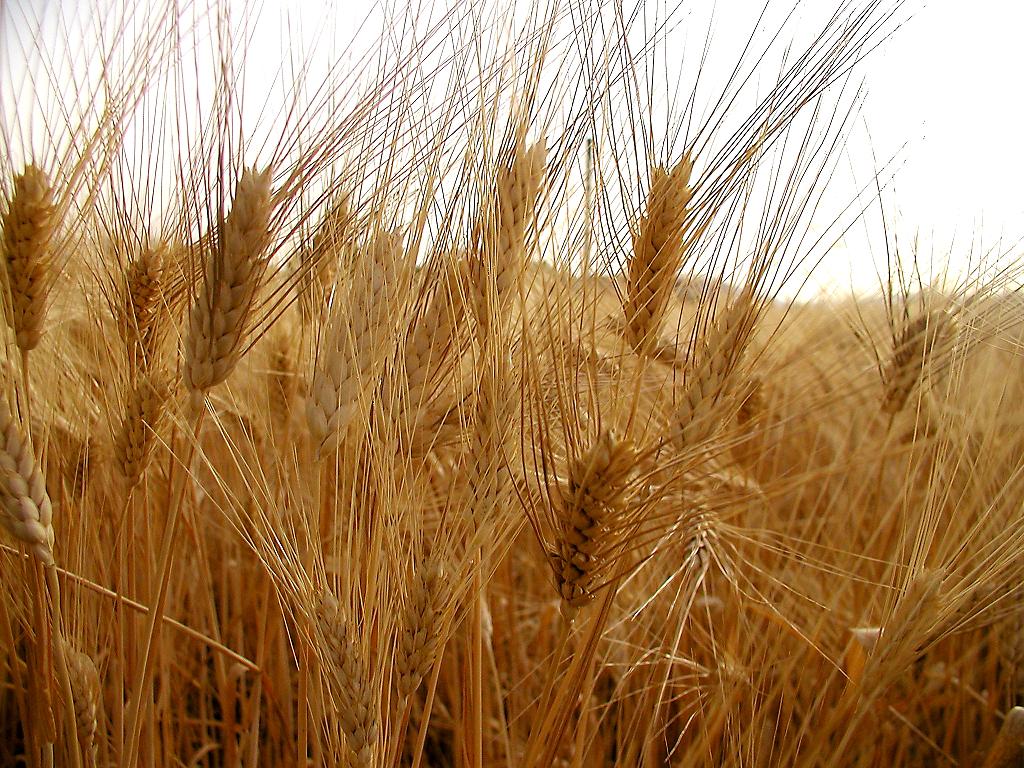
As the autumn sowing season approaches, basal fertilisation is one of the most important measures for ensuring the proper development of wheat. At this stage, the crop requires a balanced supply of nutrients to promote germination, root development and tillering – all of which are essential for building the crop’s yield potential.
Phosphorus: the key nutrient for pre-sowing
Among the nutrients, phosphorus plays a central role in the early stages of the crop cycle. An adequate supply of this element promotes root system development, tillering and faster growth in young plants. For this reason, phosphorus is generally applied before sowing, so that it is available from the very earliest stages of development.
Nitrogen and sulphur to support growth
Nitrogen also plays a crucial role in determining yield. Although it is required primarily during the subsequent tillering and stem elongation stages, an adequate amount applied before sowing contributes to initial vegetative growth. Combining it with sulphur can also promote better nutrient efficiency and support the crop’s protein synthesis.
The importance of balanced nutrition
In addition to nitrogen and phosphorus, wheat requires potassium, secondary nutrients and trace elements to realise its full productive potential. Comprehensive nutrition helps to improve photosynthetic efficiency, tolerance to environmental stresses and the final quality of the grain. The fertilisation strategy must therefore be based on soil characteristics, expected yields and the specific requirements of the growing area.
FERTILIZATION STRATEGY
The following application rates are indicative, as it is necessary to take into account the characteristics of the soil, the expected yields and the specific requirements of the growing area.
For pre-sowing application, we recommend GRANORO (250–300 kg/ha), whilst for localised application at sowing, we suggest SUPERPOWER at a rate of 30–40 kg/ha.
Pre-sowing fertilisation is important to support the crop through the winter months until work resumes in the field for the first top-dressing.
The use of organo-mineral fertilisers containing stable, slow-release organic nitrogen, together with phosphorus chelated with humic acids, makes these fertilisers particularly suitable for autumn and winter applications, when crop activity in the field is slowed down and traditional fertilisers – which are faster-acting but unprotected – would be utilised only partially, resulting in significant losses to the soil.
Trials conducted by FCP Cerea demonstrate that, in order to achieve higher yields in terms of both quantity and quality, basal fertilisation or fertilisation at the time of sowing is essential.

CLICK BELOW TO VIEW THE FULL TECHNICAL SPECIFICATIONS