



Cultivation, quality, and nutrition of fennel
Europe has a prominent position in fennel cultivation due to its strong Mediterranean culinary tradition, which extensively uses fennel both fresh and processed. Italy, France, and Germany are the main European consumers and producers.
In Italy, cultivation is concentrated mainly in the central-southern regions, with three-quarters of production in four key regions: Puglia, Calabria, Campania, and Abruzzo.
Nutritional advice for fennel
Fennel is considered a nutrient-demanding crop. Nitrogen must be managed carefully because excess can compromise plant firmness and increase susceptibility to diseases.
Amino acids enhance nutrient uptake and act as anti-stress agents, improving the quality parameters of the final production. Phosphorus, calcium, and magnesium are other essential elements that must not be overlooked during the growth cycle.
Below you can find the most effective strategies for producing fennel with large, crunchy, flavorful bulbs that are resistant to handling.

PRODUCT POSITIONING BY PHENOLOGICAL PHASE - TRADITIONAL LINE
Products used in this phase








For problems of iron chlorosis, we recommend interventions with Nano.T Fe via the roots (or foliar). Dosage based on the soil's iron chlorosis index.
To strengthen the plant and make it more resistant to biotic and abiotic stress, we recommend using Nano.T Cu foliarly every 15 days from vegetative development onwards.
In saline, sodic, calcareous soils with an alkaline pH, add CALCITO at a dose of 10 l/ha every 25-30 days.
To create favorable environments for maintaining healthy leaves, shoots, and fruits, use Nano.T Total and A-Myco
To create favorable environments for healthy root systems, use Mycovix.
PRODUCT POSITIONING BY PHENOLOGICAL PHASE - ORGANIC LINE

For iron chlorosis problems, we recommend applying Nano.T Fe BIO through the roots (or foliar). Dosage depends on the soil's iron chlorosis index.
To strengthen the plant and make it more resistant to biotic and abiotic stress, we recommend using Nano.T Cu BIO foliar application every 15 days from vegetative growth onwards.
To create favorable environments for maintaining healthy leaves, shoots, and fruits, use A-Myco
To create favorable environments for healthy root systems, use Mycovix.
Need assistance?
Fennel cultivation conditions and challenges
Fennel prefers well-drained soils rich in organic matter and requires temperatures that are not too low during its vegetative cycle. Drip fertigation is the most efficient system for ensuring consistent moisture and reducing waste.
Special attention must be given to the prevention of fungi, insects, and slugs/snails; it is important to create favorable conditions to keep leaves, shoots, and fruits healthy.
Fennel requires balanced nutrition, especially regarding macronutrients. Applying high-quality granular fertilizers at transplant (or pre-transplant) is fundamental. Phosphorus must be soluble and readily available to ensure a strong start and sustained nutrient release during the cycle. Recommended formulations include NPK (BluRain) or NP (Universal Up).
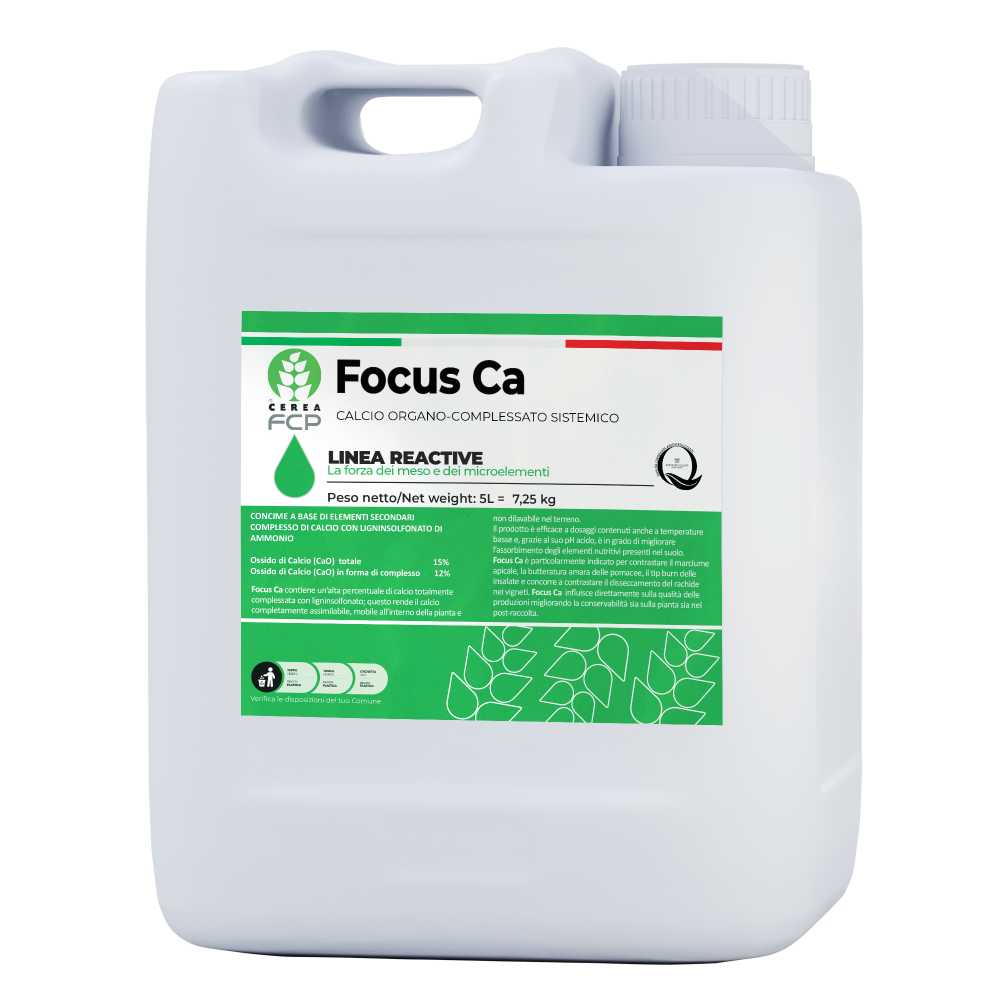
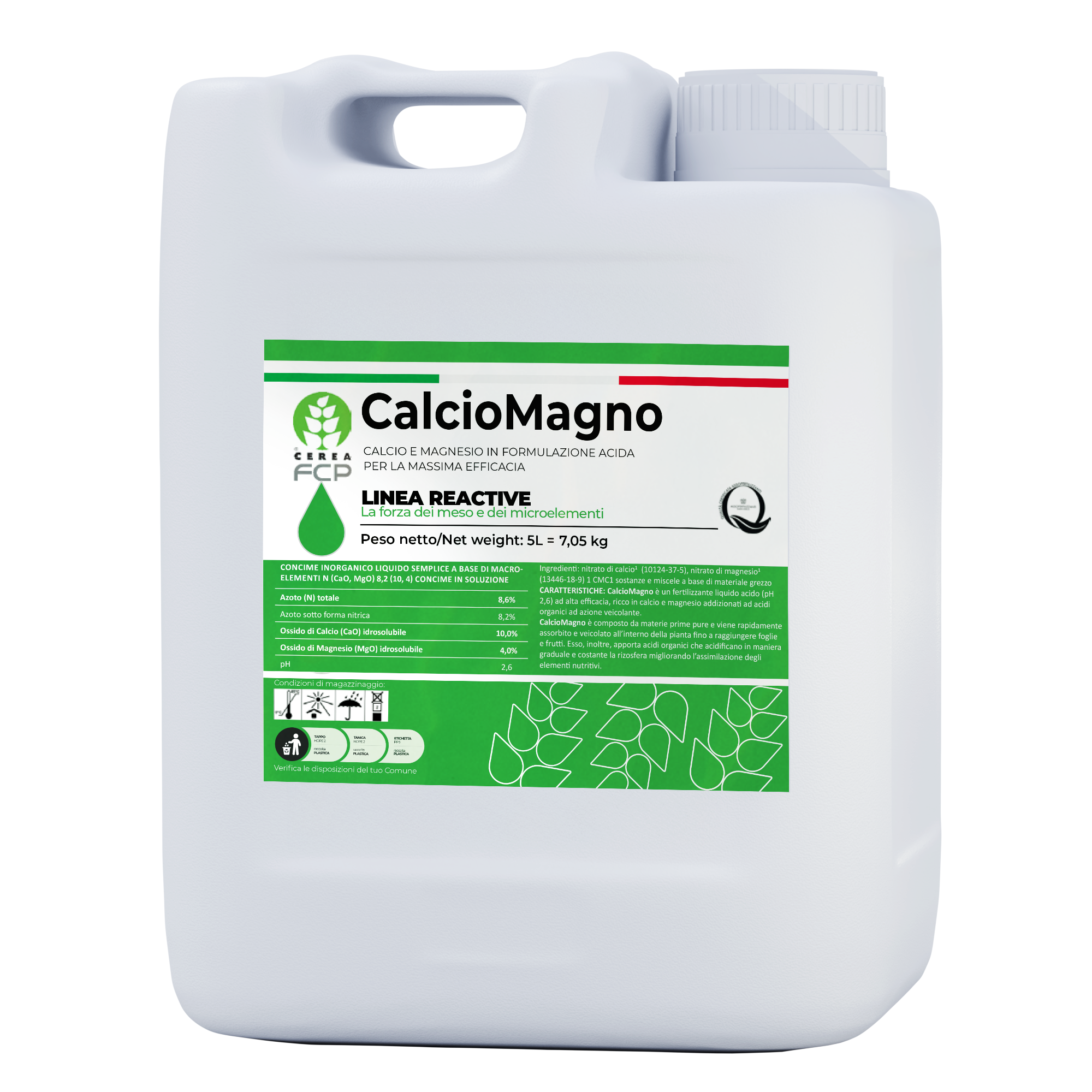
It is important not to overwater, as this can lead to rot and reduced field storability. Products containing calcium, magnesium, and nitrogen (CalcioMagno), or calcium and magnesium only (Magnetical), or just calcium (Focus Ca) are useful for this purpose. Excess nitrogen fertilization should also be avoided.
It is important to use products that thicken and reinforce cell walls and membranes. Additionally, stimulating the plant to produce elicitor substances (self-defense compounds) is beneficial. Nano.T Cu and Nano.T Cu Bio help stimulate the plant to produce phytoalexins, ensuring uniform and complete coverage of the vegetative apparatus.