


Pomegranate Cultivation and Fertilization
Pomegranate is a crop of growing global interest, with cultivated areas exceeding 300,000 hectares and estimated global production of over 3 million tons annually. The main global producers are India, Iran, China, Turkey, and the United States, which together account for almost all global production.
Pomegranate juice is an excellent source of vitamin C, B vitamins, potassium, and significant amounts of antioxidant polyphenols, making it a "superfood" with high potential in the health food and industrial processing markets.
Nutritional Advice for Pomegranates
Controlled-release NPK fertilizers, which ensure prolonged nutrient availability, are highly recommended.
Calcium supplementation during fruit set is essential, as this element is crucial for the elasticity and strength of the skin, a key aspect in preventing cracking. Foliar applications of calcium maintain the skin tissues and the fruit firm and longer-lasting.
For balanced nutrition, it is also recommended to supplement with micronutrients such as boron, magnesium, zinc, and manganese.

PRODUCT POSITIONING BY PHENOLOGICAL PHASE - TRADITIONAL LINE

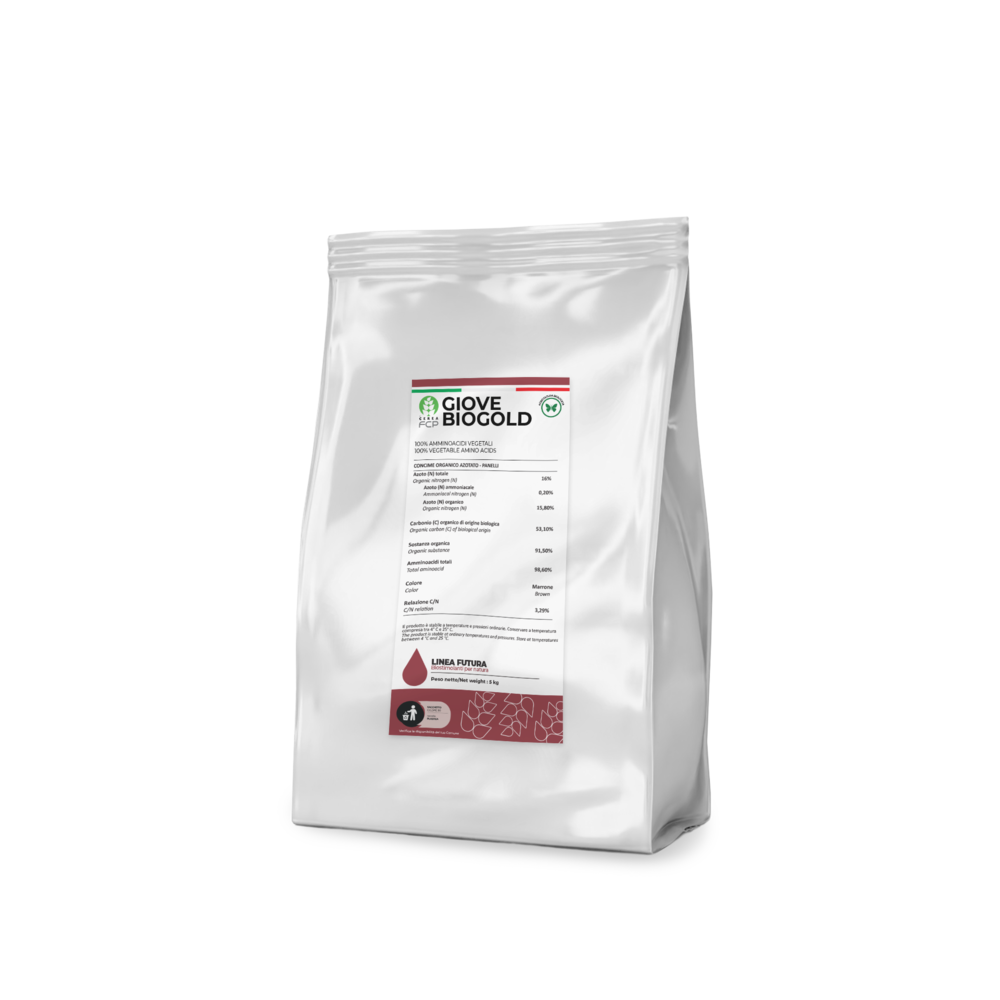

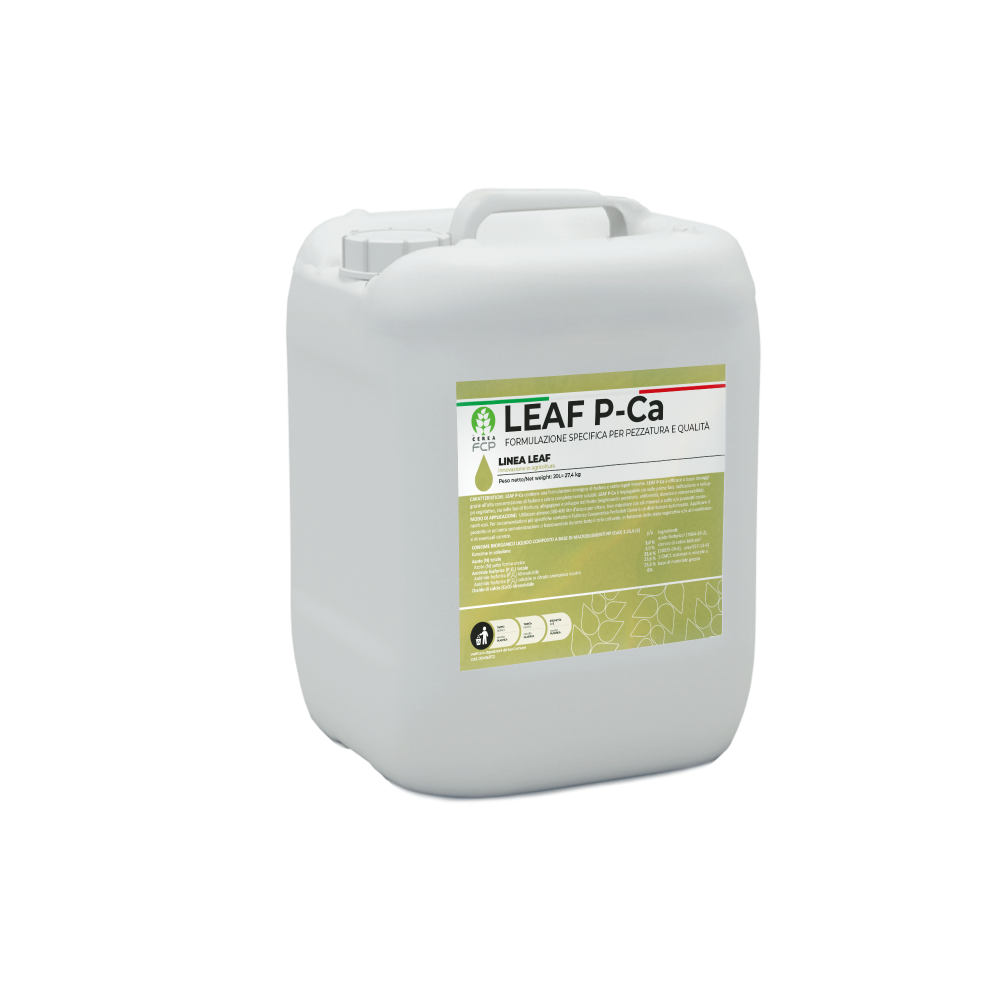

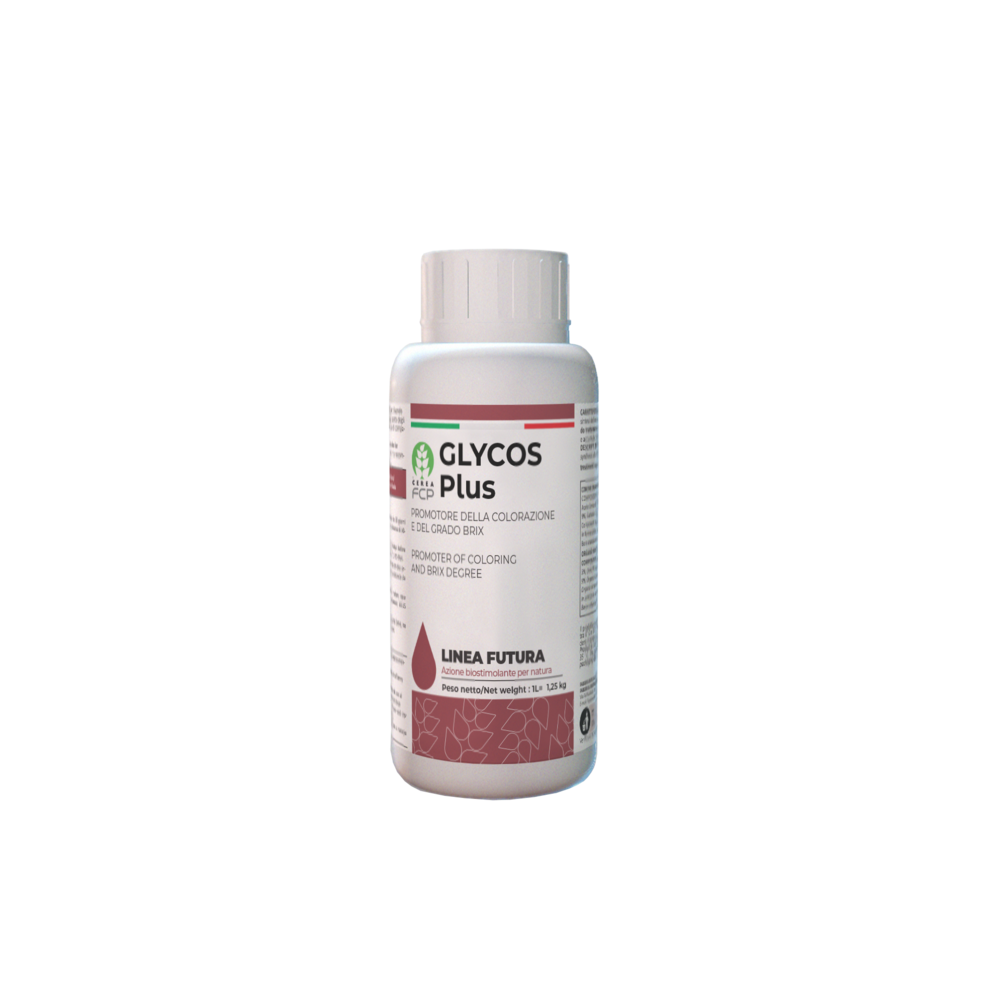

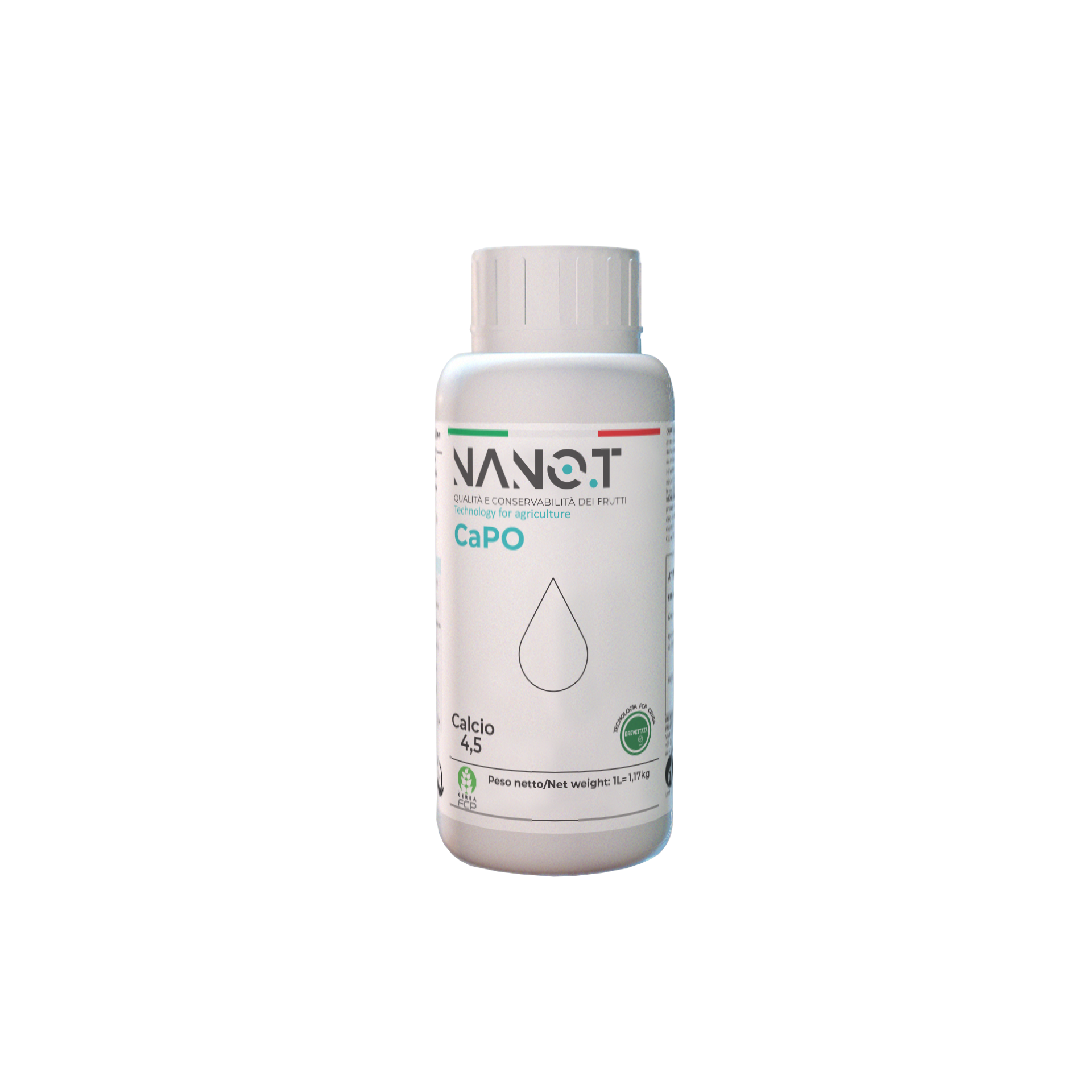
For problems of iron chlorosis, we recommend interventions with Nano.T Fe via the roots (or foliar). Dosage based on the soil's iron chlorosis index.
To strengthen the plant and make it more resistant to biotic and abiotic stress, we recommend using Nano.T Cu foliarly every 15 days from vegetative development onwards.
In saline, sodic, calcareous soils with an alkaline pH, add CALCITO at a dose of 10 l/ha every 25-30 days.
To create favorable environments for maintaining healthy leaves, shoots, and fruits, use Nano.T Total

Climatic Conditions and Critical Issues
Fruit cracking is one of the most significant critical issues and can be caused by:
Water imbalances: Irregular irrigation, with periods of drought followed by abundant water supplies, leads to the development of excessive internal pressures that fracture the peel.
Nutritional deficiencies: Calcium is the most critical element, acting as a "natural cement" in the cell walls; a deficiency weakens the cellular structure of the peel. Excess nitrogen, especially in the final stages of development, promotes excessive pulp growth at the expense of peel thickness.
This non-parasitic physiologic disorder is caused by water and nutritional imbalances in the fruit, manifesting as cracks in the skin.
Products that can help reduce this problem include: Glycos Plus, Focus Ca, Nano.T CaPO, Leaf P-Ca, and Magnetical.
Need assistance?