



Cultivation and Fertilization
The apple tree (Malus domestica) is one of the most economically important fruit crops in the world.
The crop's economic potential is considerable: approximately half of Italian production is exported, ensuring competitiveness on international markets.
Nutritional advices
Fertilization is characterized by significant amounts of phosphorus and potassium, generally provided with organo-mineral NPK fertilizers calibrated based on soil conditions, variety, rootstock, planting density, and the age of the orchard.
After harvest, it is advisable to increase reserve nutrients, particularly nitrogen, which is stored in the woody organs and will be used by the plant during the early stages of vegetative growth until flowering.
Foliar applications of calcium are recommended, with products that promote calcium accumulation in the fruit to ensure greater mechanical resistance of the pulp and epidermis. Boron is also essential for fruit set and to prevent fruit malformation.
Fertigation is particularly useful when done with products that are easily absorbed for elements like iron, to prevent or contain chlorosis. Follow our tips for crisp, flavorful apples with a long shelf life.

PRODUCT POSITIONING BY PHENOLOGICAL PHASE - TRADITIONAL LINE
Products used in this phase


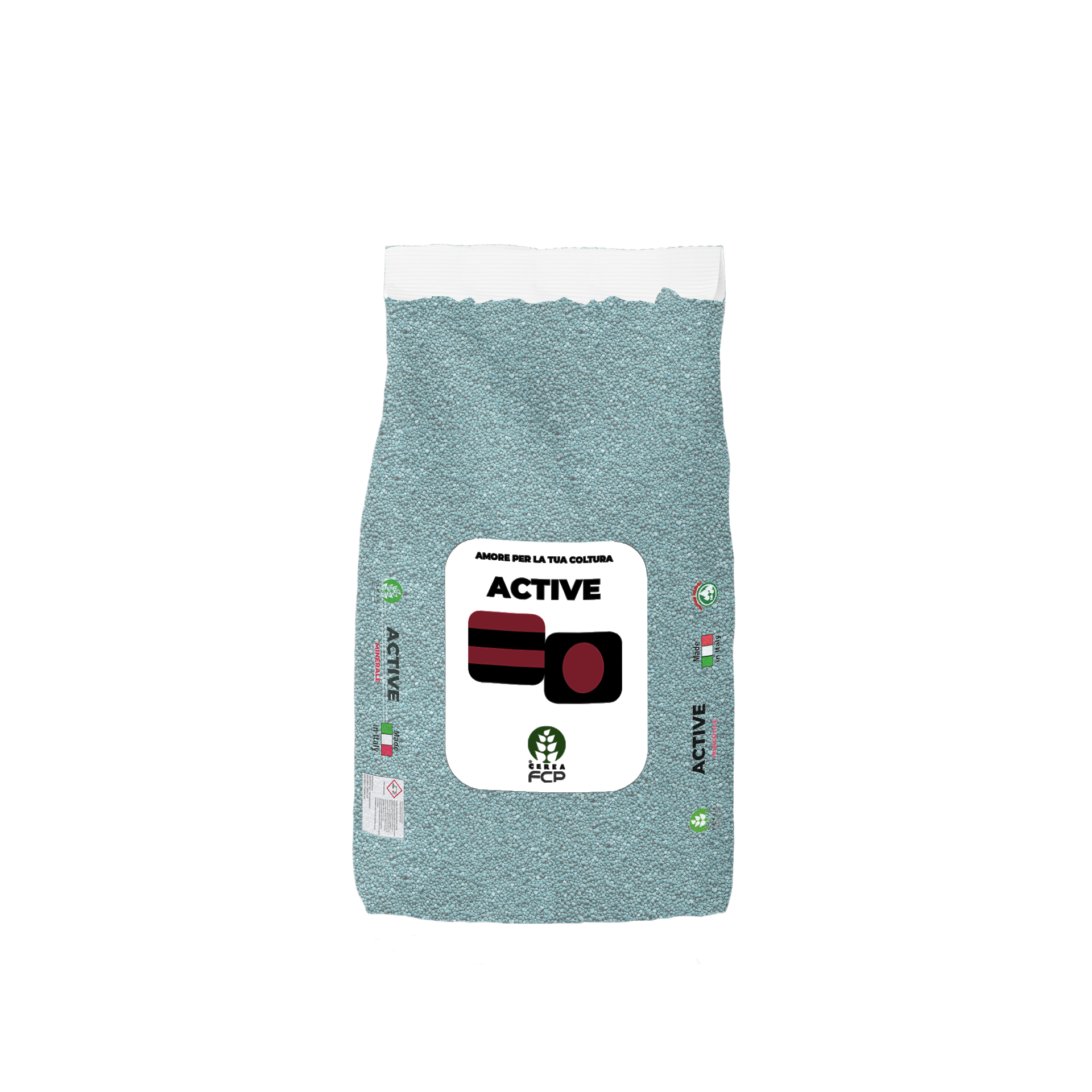
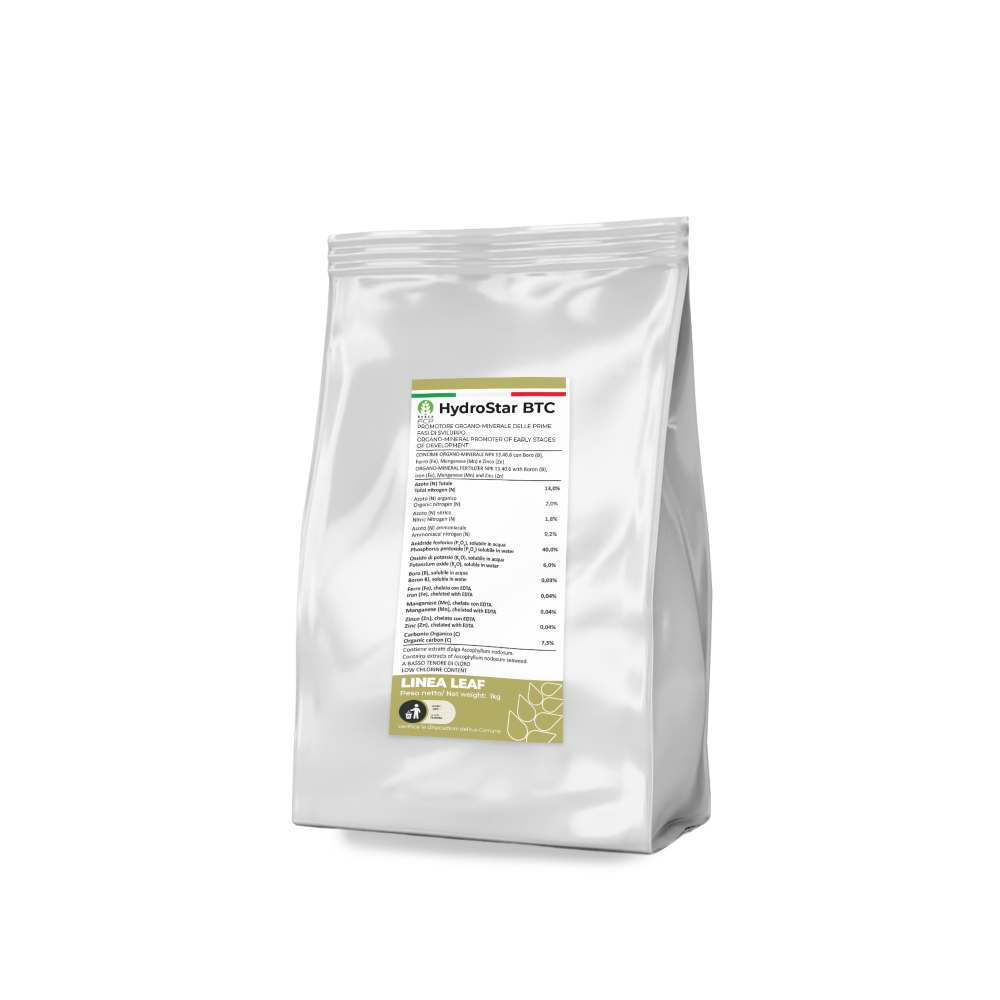


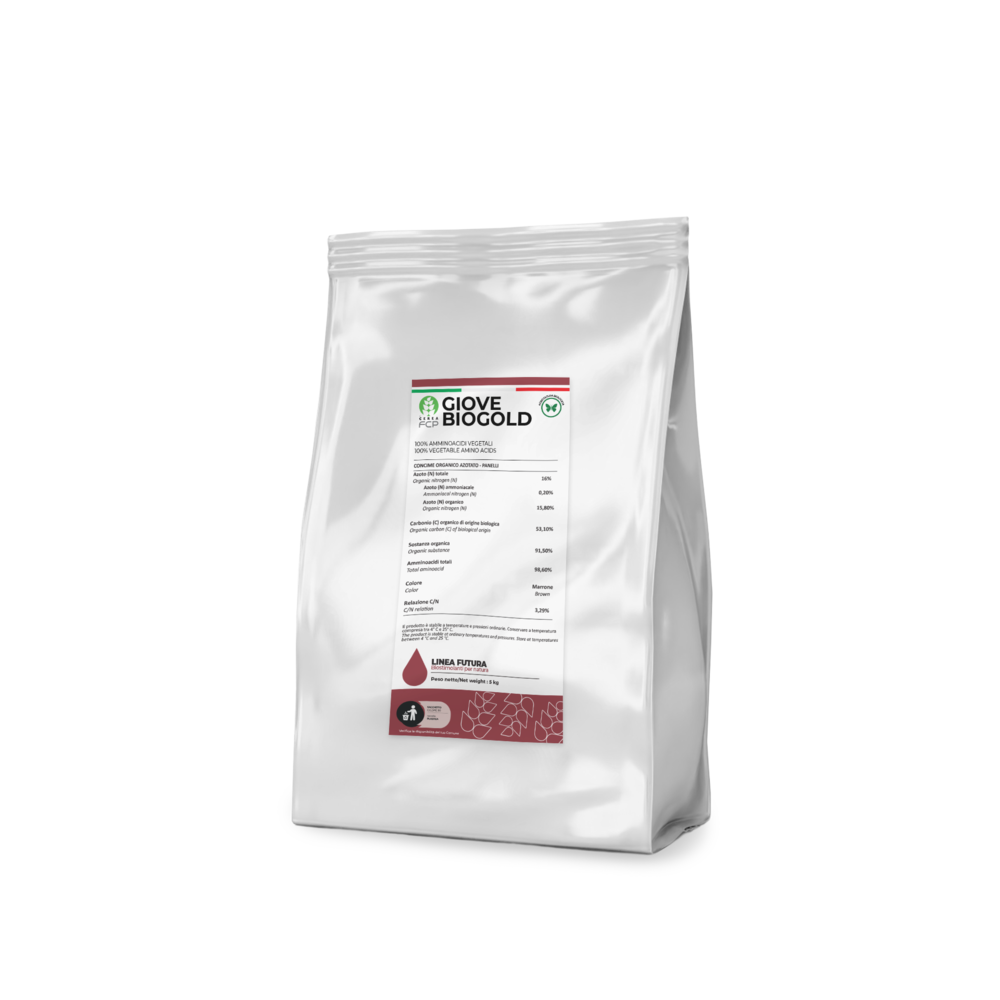
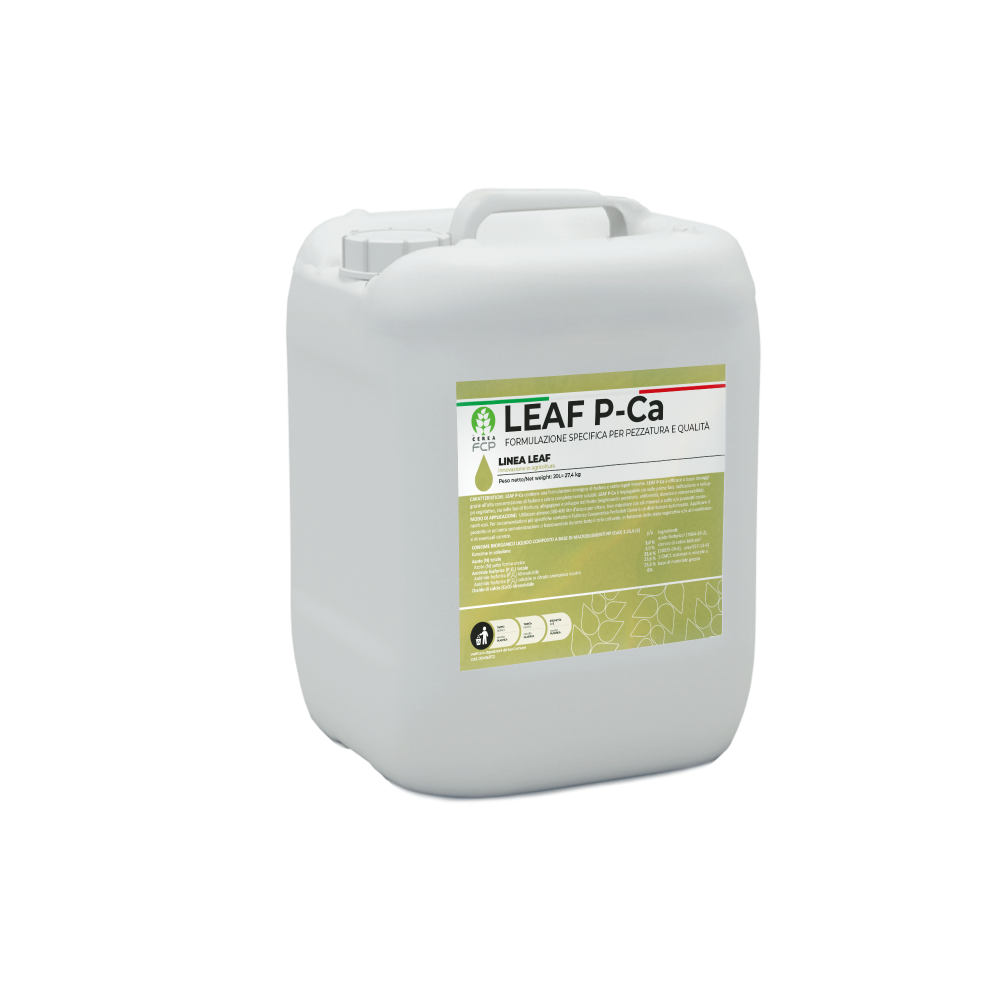





For problems of iron chlorosis, we recommend interventions with Nano.T Fe via the roots (or foliar). Dosage based on the soil's iron chlorosis index.
To strengthen the plant and make it more resistant to biotic and abiotic stress, we recommend using Nano.T Cu foliarly every 15 days from vegetative development onwards.
In saline, sodic, calcareous soils with an alkaline pH, add CALCITO at a dose of 10 l/ha every 25-30 days.
To create favorable environments for maintaining healthy leaves, shoots, and fruits, use Nano.T Total
PRODUCT POSITIONING BY PHENOLOGICAL PHASE - ORGANIC LINE

For iron chlorosis problems, we recommend applying Nano.T Fe BIO through the roots (or foliar). Dosage depends on the soil's iron chlorosis index.
To strengthen the plant and make it more resistant to biotic and abiotic stress, we recommend using Nano.T Cu BIO foliar application every 15 days from vegetative growth onwards.


Soil and Climatic Conditions
Apple trees traditionally require cold, humid climates, with harsh winters followed by cool springs and summers. Sunburn and heat damage, which are increasing due to global warming, require varieties with more robust physiological characteristics, such as thick or waxy skin.
Bitter pit is a physiological disorder associated with a calcium deficiency in the fruit tissues, which significantly reduces the quality and marketability of fruit. It should be prevented with balanced intakes of K and Ca, two antagonistic elements.
Need assistance?
Pay close attention to nitrogen levels and prefer products rich in phosphorus and calcium (Leaf P-Ca, Magnetical, Focus Ca). Osmoregulators such as glycine betaine, betaine, and proline are useful for improving skin elasticity (Leaf K, Giove Bio Gold).
Use products containing amino acids that act as precursors to coloration and ripening (Glycos Plus), which help achieve 100% fruit coloration without compromising storability.
Use products containing cytokinins or with cytokinin-like activity to promote cell division, which determines fruit size (Crisco).