



CABBAGE CULTIVATION IN ITALY
Cabbage is one of the most widely grown vegetables in the world, thanks to its adaptability and the fact that it can be used both for fresh consumption and for processing. In Italy, it is an important crop for the horticultural sector, thanks to the availability of varieties that allow production to be spread across different periods of the year and are suited to different growing areas.
NUTRITIONAL GUIDELINES FOR CABBAGE
Cabbage requires a balanced nutrient supply to support vegetative growth and the formation of compact, high-quality heads. After transplanting, it is important to encourage rapid root growth, whilst in subsequent stages an adequate supply of nitrogen, potassium and calcium must be ensured.
Particular attention should be paid to summer growing cycles, when high temperatures and environmental stress can slow down the crop’s development. Proper nutritional management helps the plant maintain a good vegetative balance and complete its production cycle on schedule
PRODUCT POSITIONING BY PHENOLOGICAL PHASE - TRADITIONAL LINE
Products used in this phase


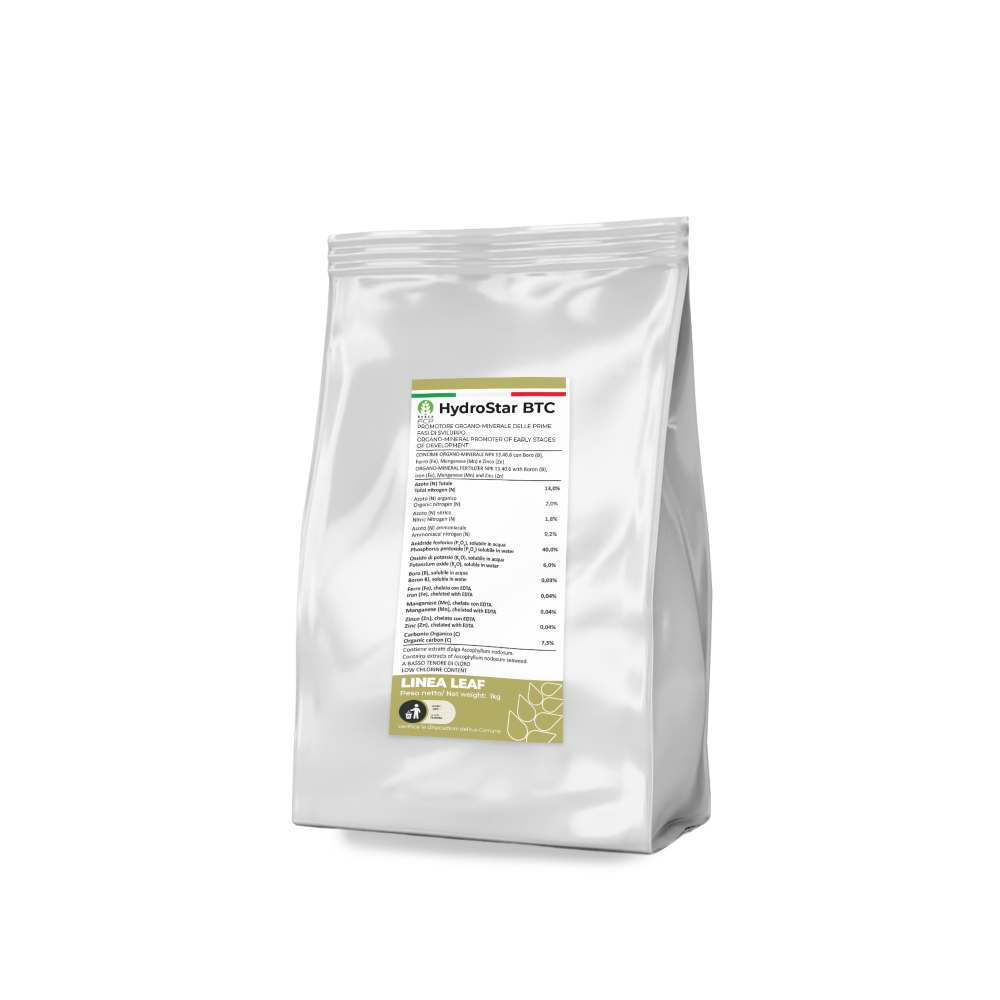


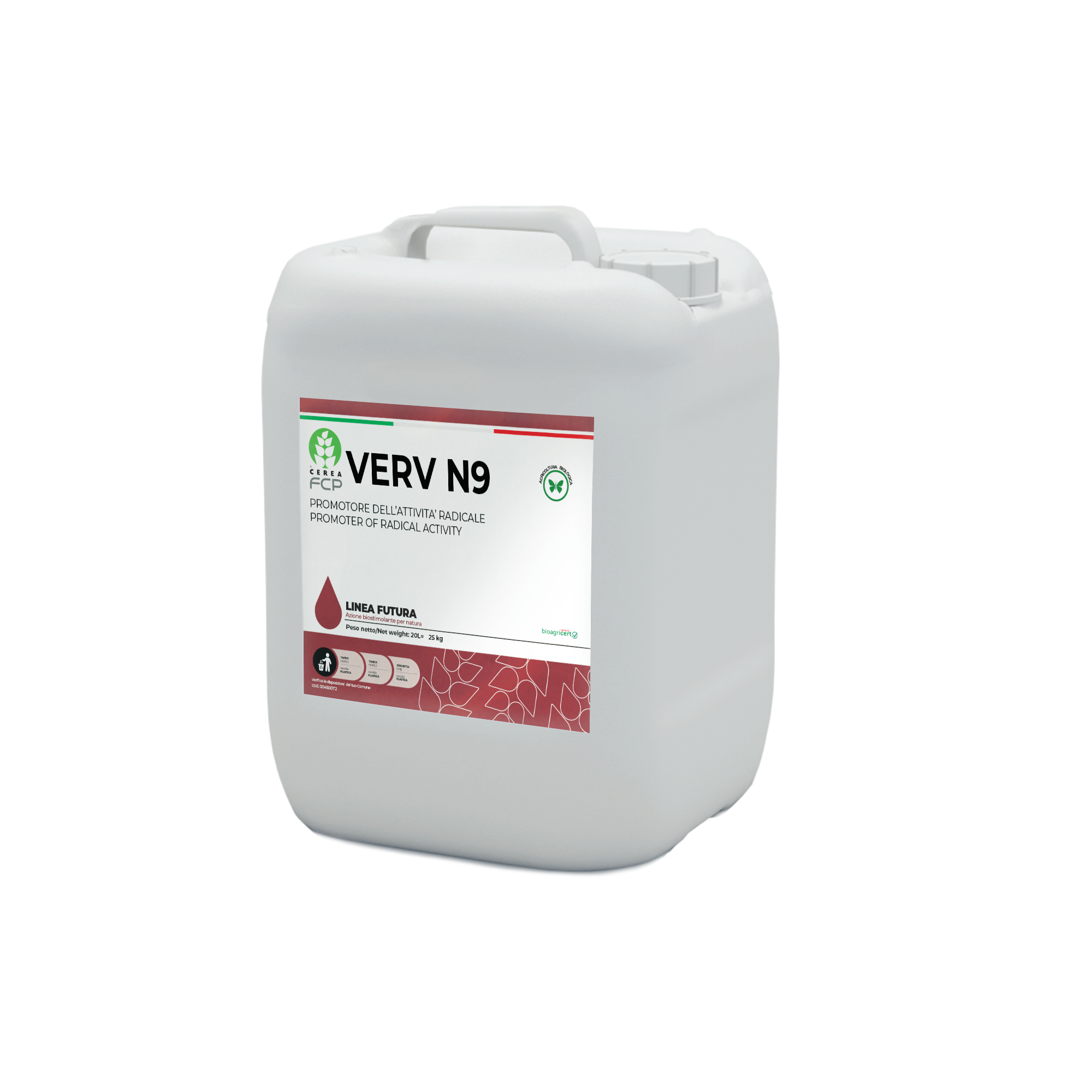

For problems of iron chlorosis, we recommend interventions with Nano.T Fe via the roots (or foliar). Dosage based on the soil's iron chlorosis index.
To strengthen the plant and make it more resistant to biotic and abiotic stress, we recommend using Nano.T Cu foliarly every 15 days from vegetative development onwards.
In saline, sodic, calcareous soils with an alkaline pH, add CALCITO at a dose of 10 l/ha every 25-30 days.
To create favorable environments for maintaining healthy leaves, shoots, and fruits, use Nano.T Total and A-Myco
To create favorable environments for healthy root systems, use Mycovix.
PRODUCT POSITIONING BY PHENOLOGICAL PHASE - ORGANIC LINE



For iron chlorosis problems, we recommend applying Nano.T Fe BIO through the roots (or foliar). Dosage depends on the soil's iron chlorosis index.
To strengthen the plant and make it more resistant to biotic and abiotic stress, we recommend using Nano.T Cu BIO foliar application every 15 days from vegetative growth onwards.
To create favorable environments for maintaining healthy leaves, shoots, and fruits, use A-Myco
To create favorable environments for healthy root systems, use Mycovix.

Cabbage is a crop with medium to high nutrient requirements, particularly during the growth and head-forming stages. To achieve high-quality, high-yield crops, it is important to ensure a balanced supply of nitrogen, phosphorus and potassium, without neglecting elements such as calcium, magnesium and sulphur, which are essential for supporting the plant’s development and the final quality of the crop.
The formation of the head depends on the interaction between nutrition, water availability and environmental conditions. Continuous growth, without any growth stoppages caused by stress or deficiencies, enables the plant to develop more uniform and firm heads. It is therefore essential to support the crop with proper nutritional management from the very first weeks after transplanting
Calcium contributes to the strength of plant tissues and the final quality of the crop. A consistent supply of calcium throughout the growing cycle helps the plant maintain a good internal structure and cope better with environmental stresses. For this reason, calcium is one of the key elements in nutritional programmes for cabbage.