


Cultivation and Fertilization of the Hazelnut Tree
Italy holds the European record for hazelnut production, positioning itself as the undisputed leader in this sector.
The hazelnut tree (Corylus avellana) shows remarkable adaptability to different soil and climate conditions, although well-drained, light-textured soils are the most suitable for this crop.
Nutritional Recommendations for the Hazelnut Tree
The application of macronutrients after harvest is essential to restore the plant’s reserves and ensure good fruit set in the following season.
Hazelnut trees show a strong preference for humus-rich soils with high organic matter content. Studies have shown that organo-mineral fertilizers maximize yield, increase shelling efficiency, and provide better nutrient use efficiency (NUE) compared to high-input mineral fertilizers.
This, however, does not exclude the use of organic soil conditioners. Biostimulant products are also recommended to synchronize flowering phases, improve fruit set, and reduce fruit drop.
Follow our guidelines on dosage and application methods to limit alternate bearing and ensure good hazelnut quality while preserving storability.

PRODUCT POSITIONING BY PHENOLOGICAL PHASE - TRADITIONAL LINE

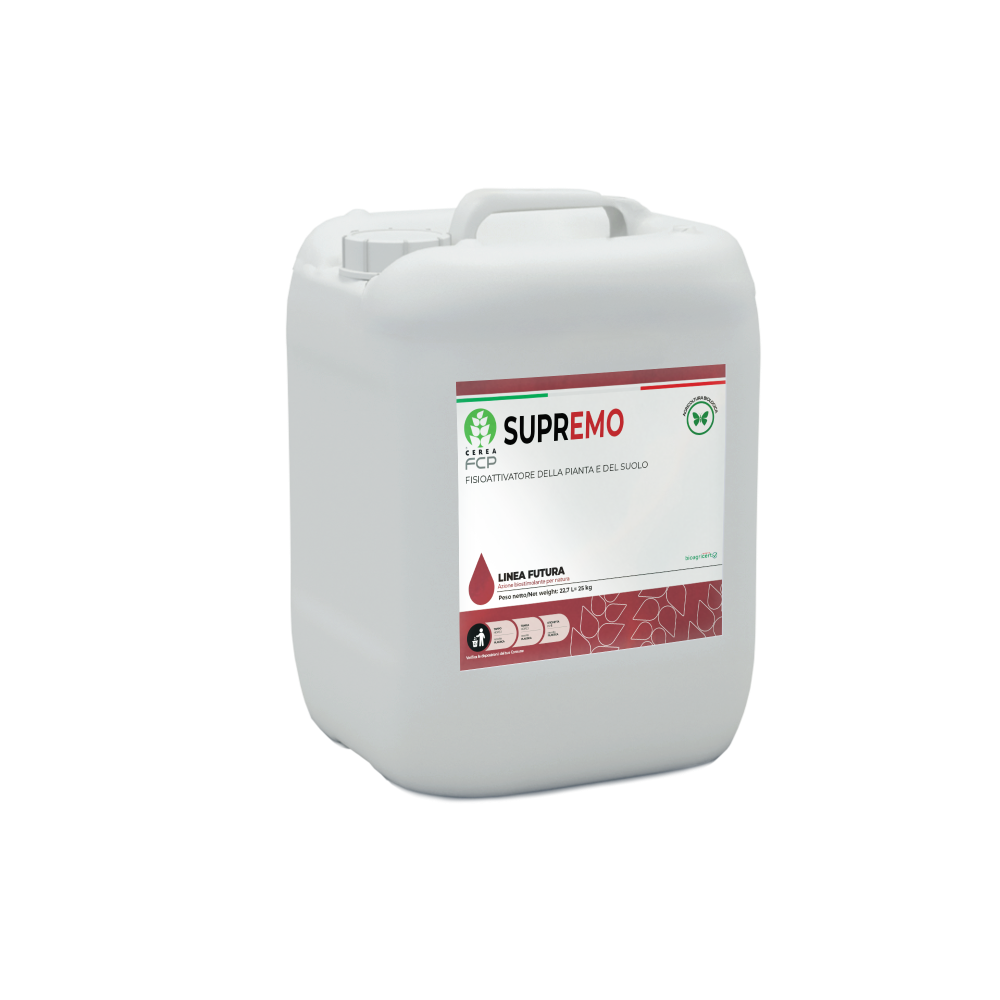

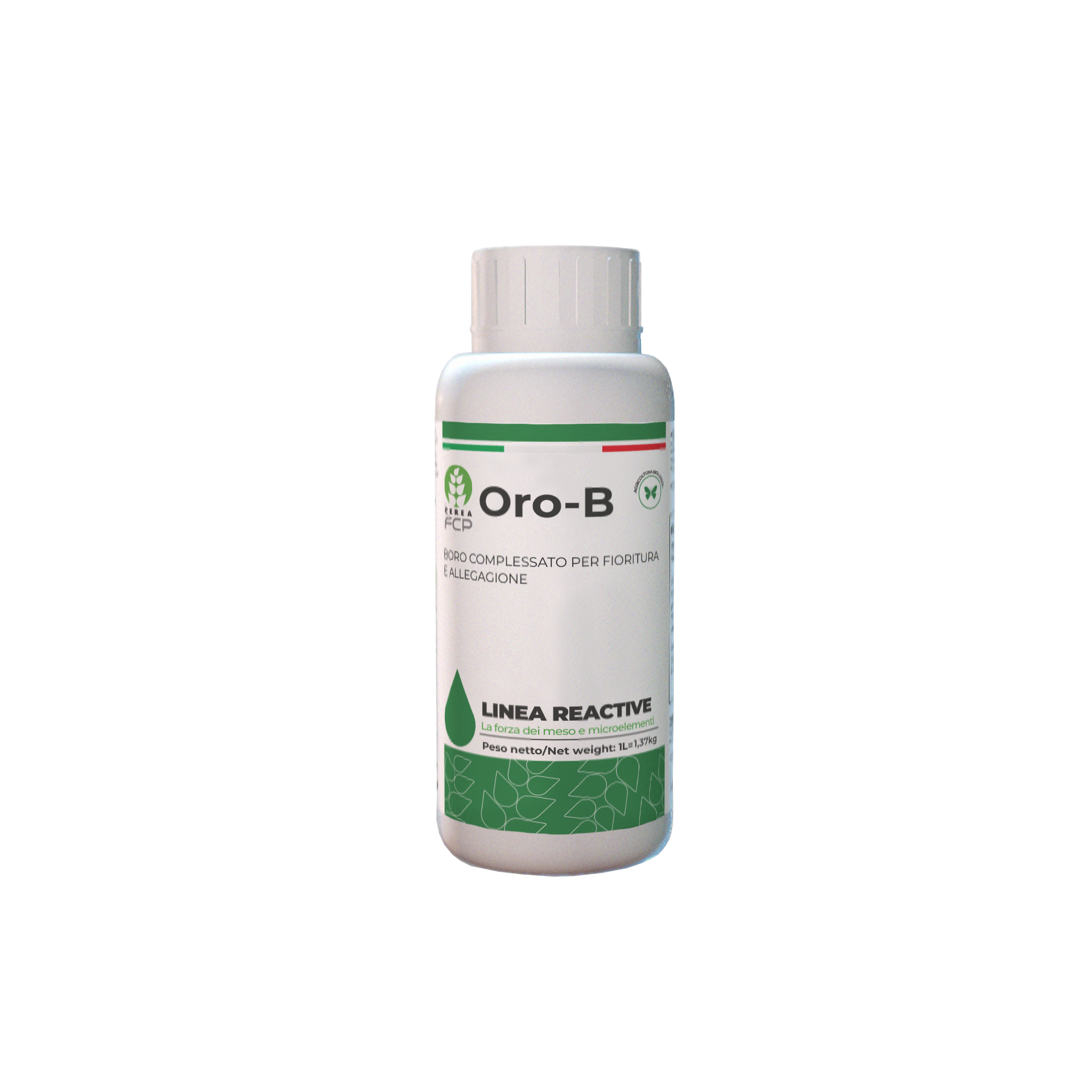

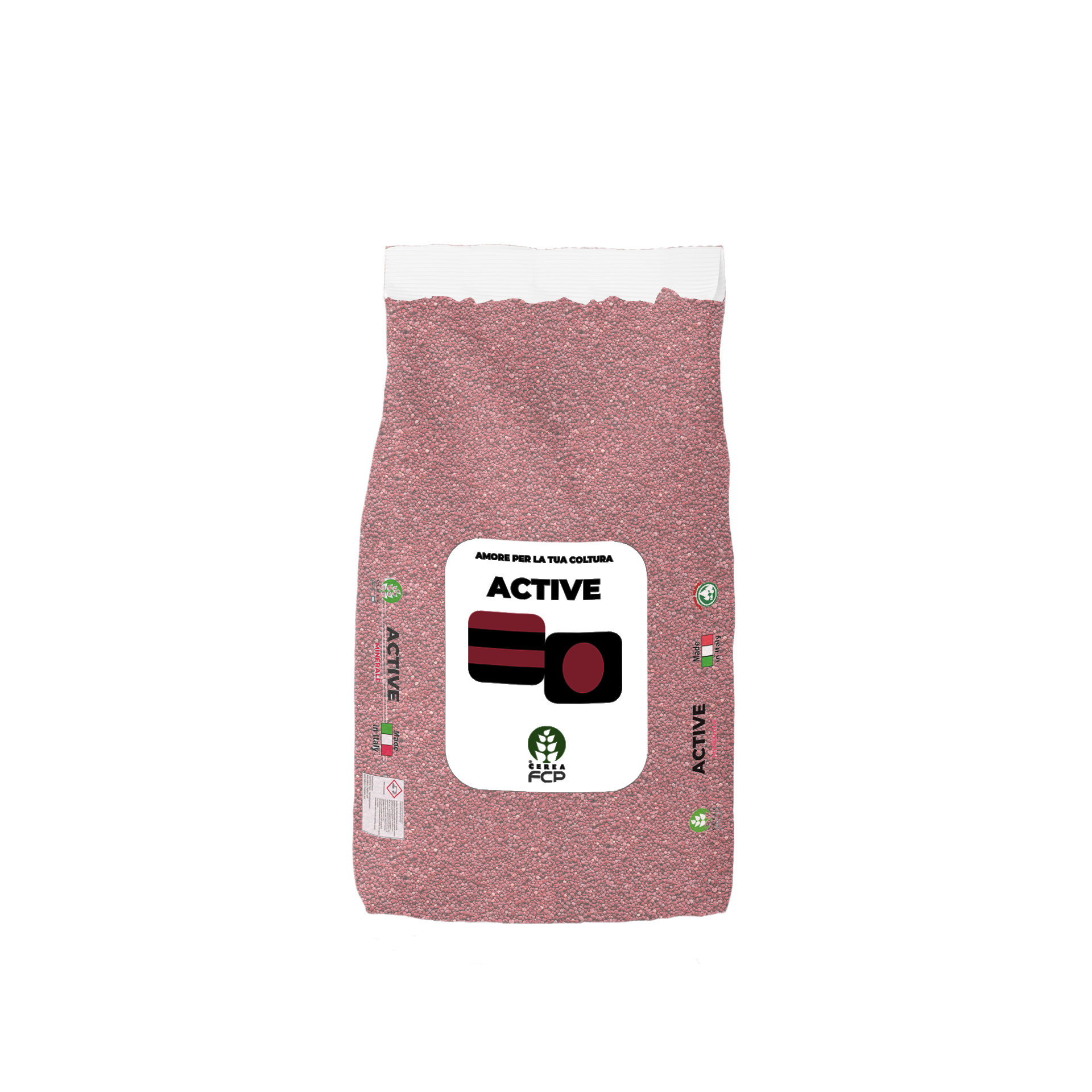



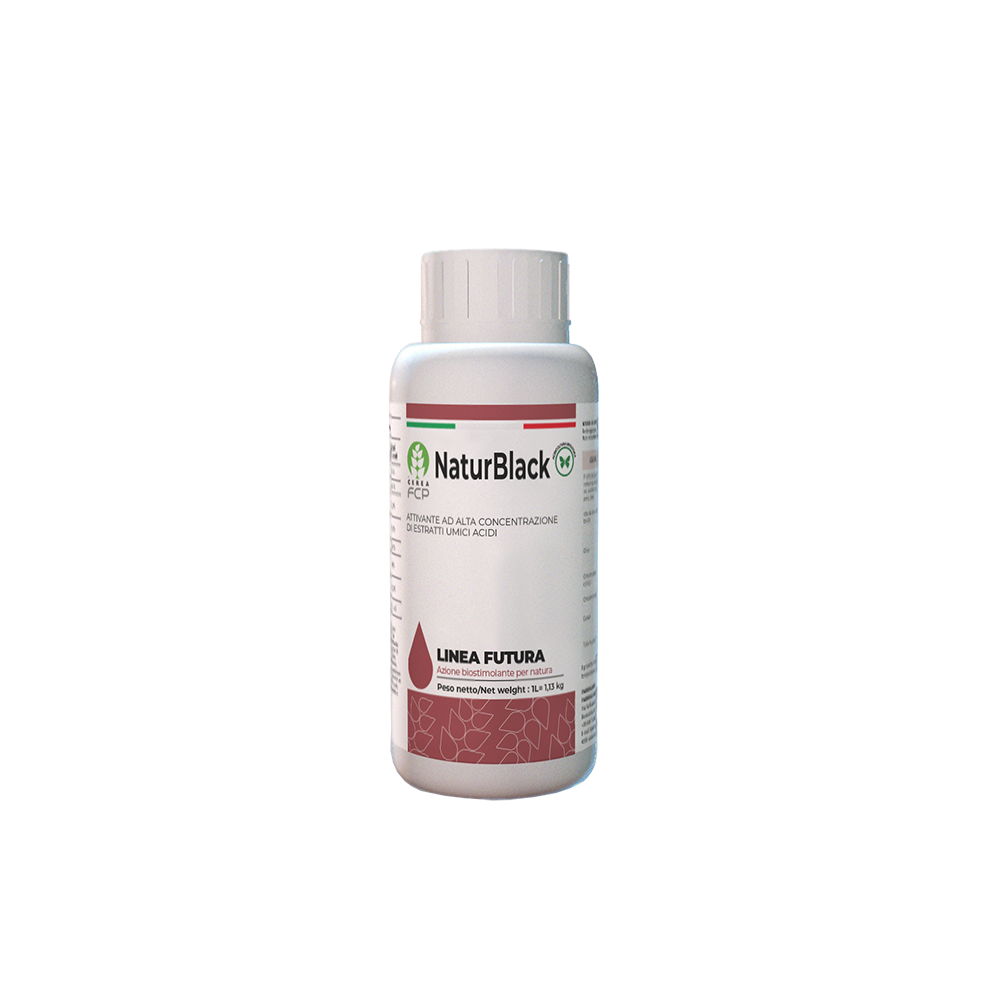
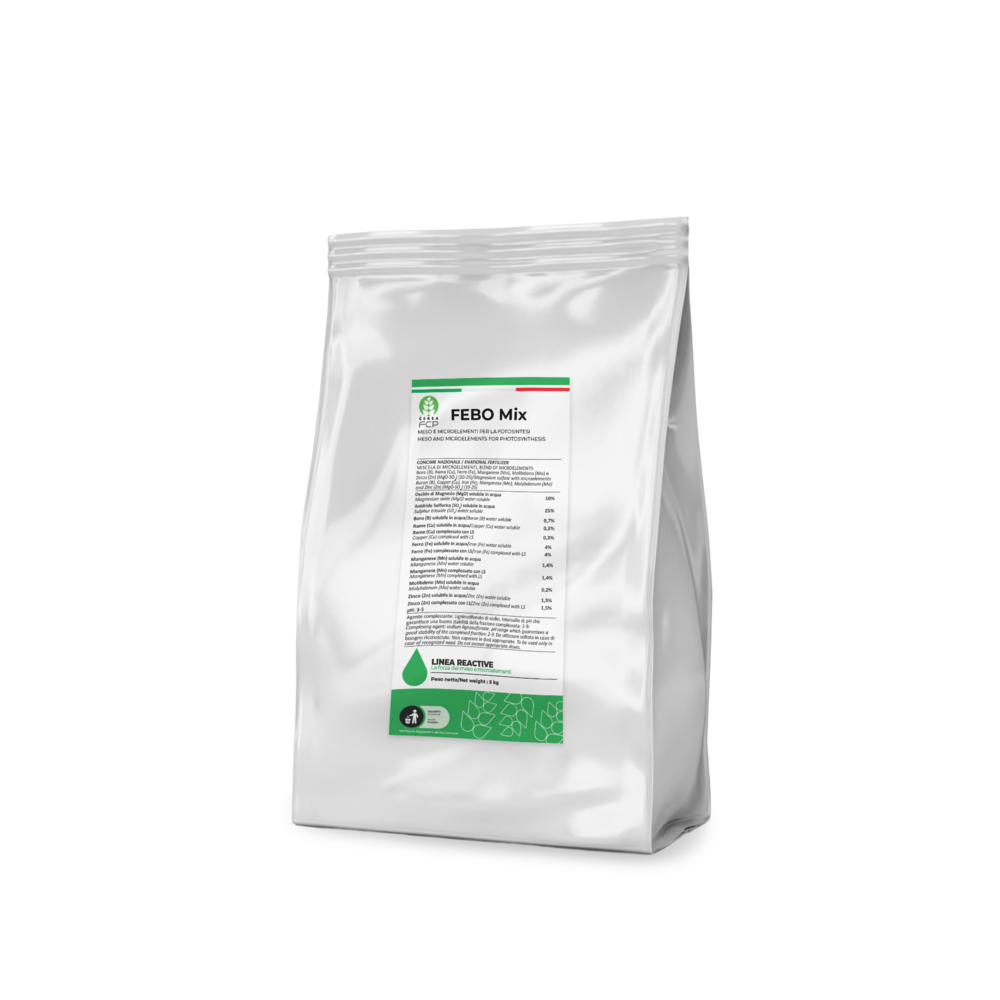


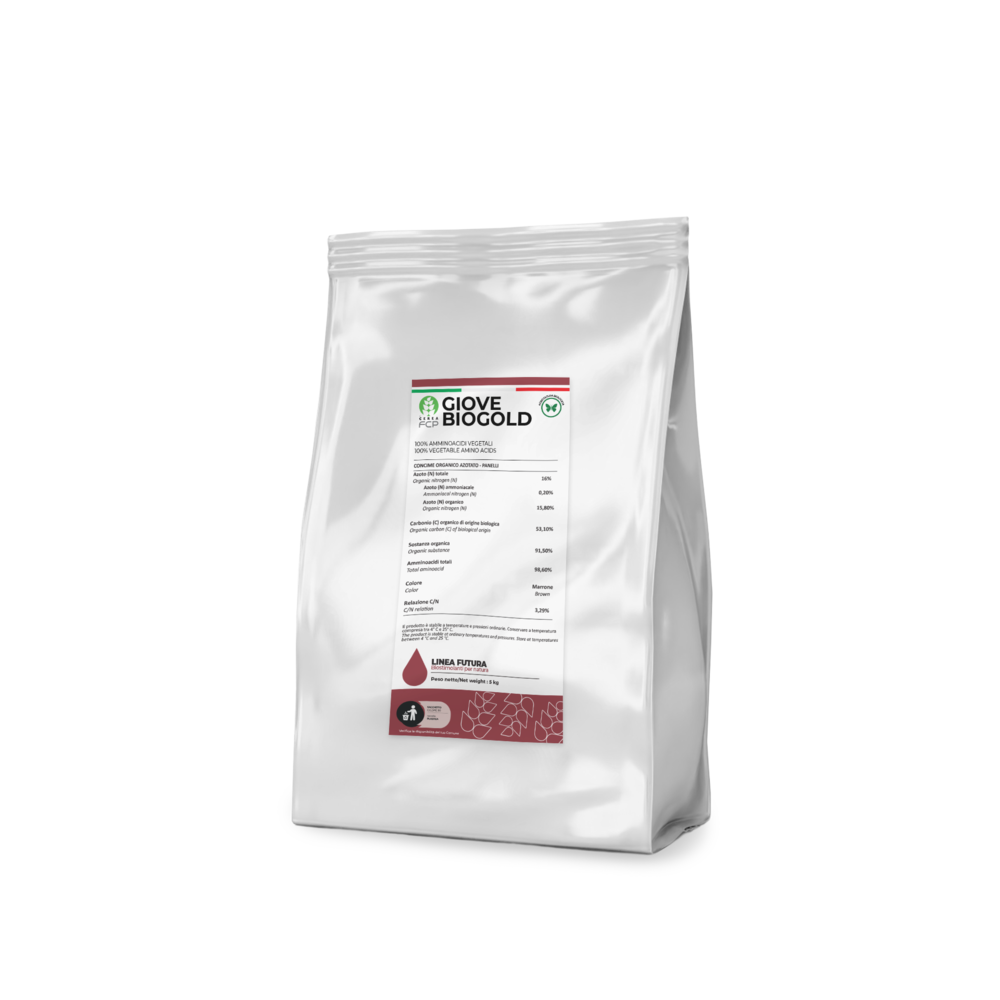
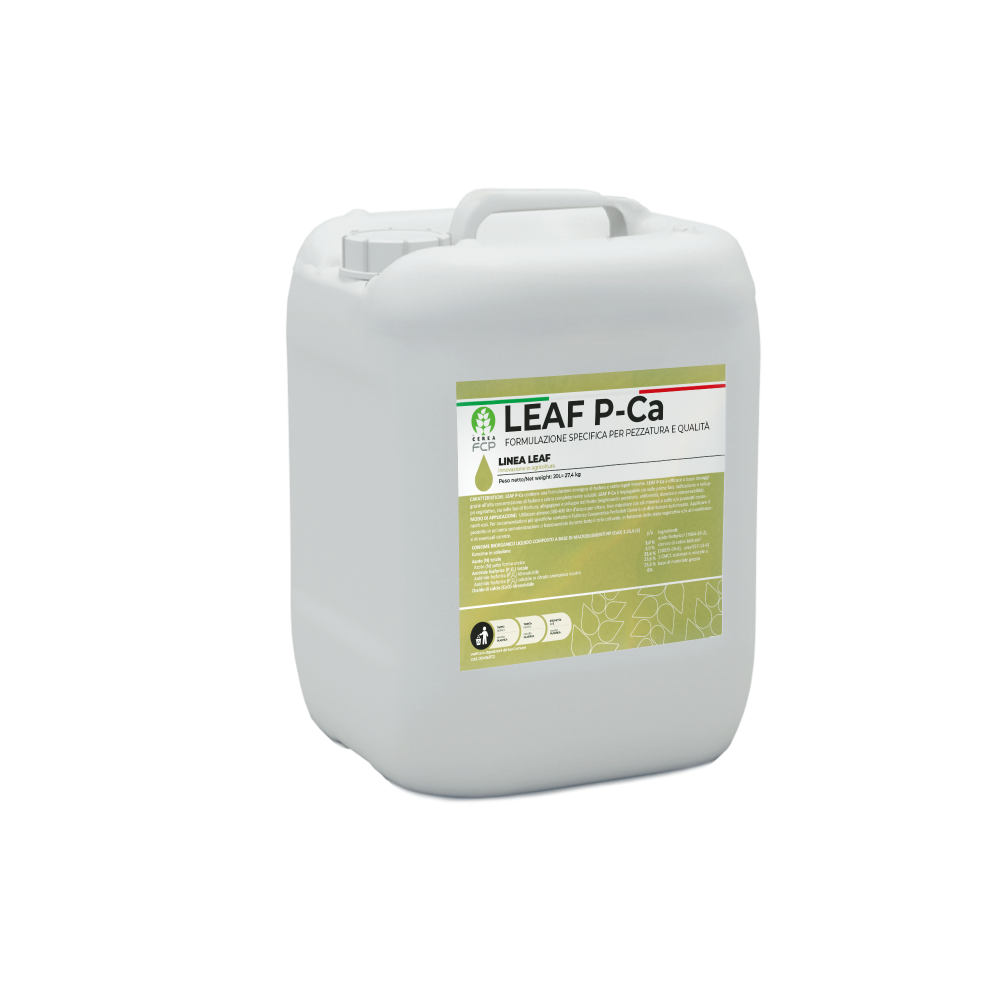
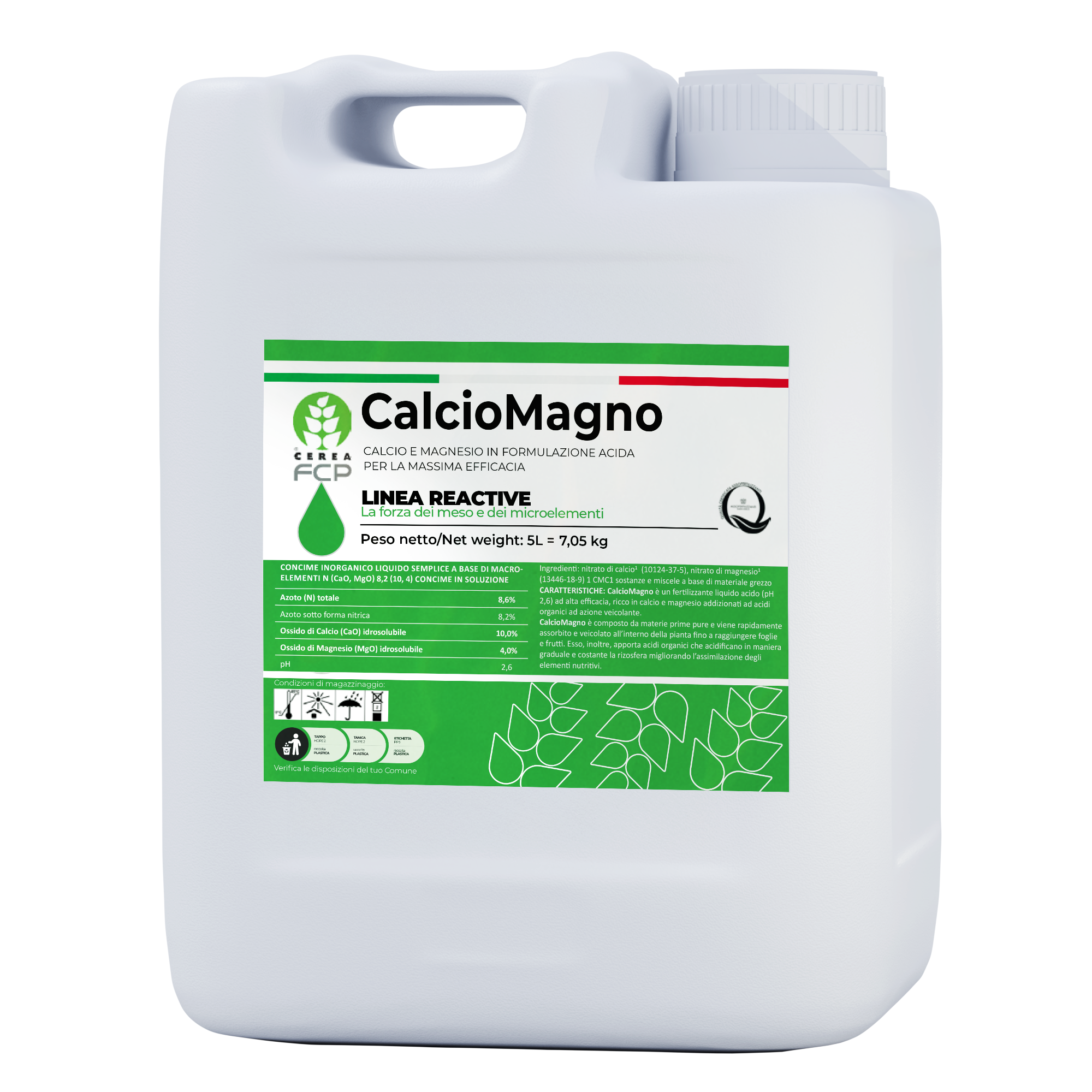

For problems of iron chlorosis, we recommend interventions with Nano.T Fe via the roots (or foliar). Dosage based on the soil's iron chlorosis index.
To strengthen the plant and make it more resistant to biotic and abiotic stress, we recommend using Nano.T Cu foliarly every 15 days from vegetative development onwards.
In saline, sodic, calcareous soils with an alkaline pH, add CALCITO at a dose of 10 l/ha every 25-30 days.
To create favorable environments for maintaining healthy leaves, shoots, and fruits, use Nano.T Total
PRODUCT POSITIONING BY PHENOLOGICAL PHASE - ORGANIC LINE

For iron chlorosis problems, we recommend applying Nano.T Fe BIO through the roots (or foliar). Dosage depends on the soil's iron chlorosis index.
To strengthen the plant and make it more resistant to biotic and abiotic stress, we recommend using Nano.T Cu BIO foliar application every 15 days from vegetative growth onwards.


Main Challenges in Hazelnut Cultivation
Fruit drop is the most serious and widespread agronomic issue, occurring with the premature fall of fruit clusters in spring and mid-summer. Affected fruits are often empty or contain poorly developed, shriveled kernels.
Alternate bearing remains a structural challenge of the species, though proper fertilization can help reduce its intensity.
Need assistance?
Fruit drop is mainly caused by unfavorable environmental conditions; however, it can be mitigated or buffered by using products containing amino acids, carboxylic acids, and compounds with fruit-set–stimulating and binding-like effects (Naturblack, Proser Mn-Zn, Giove Bio Gold). These products help support the plant under environmental stress conditions.
In hazelnuts, the post-harvest phase is especially important because, in addition to replenishing nutrients depleted by the season’s production, it is necessary to supply the right elements to support the upcoming flowering period in January–February. Organo-mineral granular fertilizers ensure complete and gradual nutrition (Vinfrutto, Master Plus).