



Cultivation and Fertilization of the Lemon Tree
The lemon (Citrus limon) offers remarkable commercial potential thanks to its versatility in the food, pharmaceutical, and cosmetic industries.
Italy ranks among the leading European producers, with Sicily accounting for over 80% of the national cultivation area, followed by Calabria and Campania.
Nutritional Advice for the Lemon Tree
It is recommended to apply organic matter during the base fertilization phase, including nitrogen, phosphorus, and potassium, to improve soil structure and stimulate microbial activity.
Flowers and fruits should be supported with phosphorus and potassium, integrating essential micronutrients—particularly boron and calcium—along with amino acid-based biostimulant products.
Follow our guidelines for dosage and application methods, specifically aimed at reducing iron chlorosis, increasing fruit set, and improving fruit quality and shelf life.

PRODUCT POSITIONING BY PHENOLOGICAL PHASE - TRADITIONAL LINE
Products used in this phase





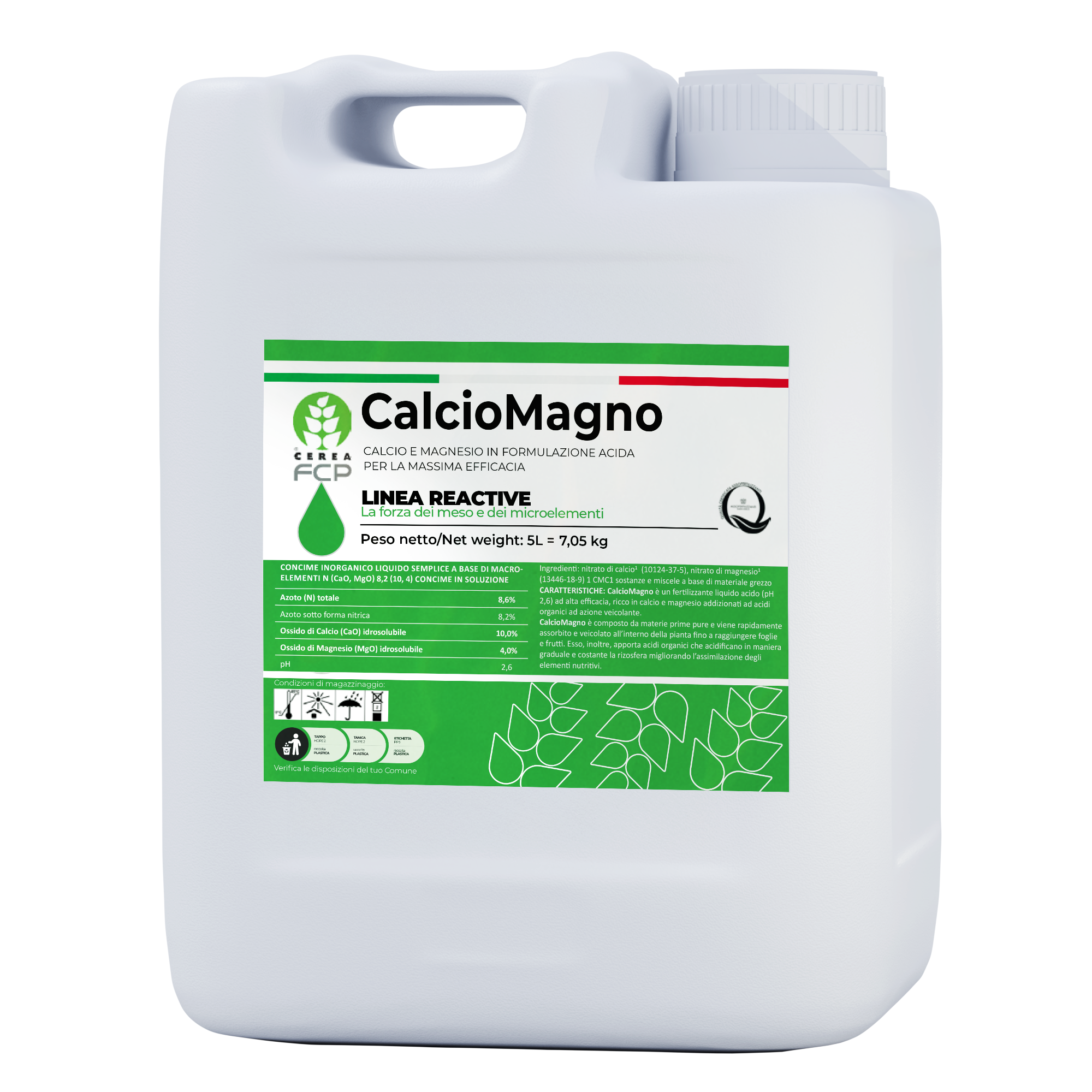

For problems of iron chlorosis, we recommend interventions with Nano.T Fe via the roots (or foliar). Dosage based on the soil's iron chlorosis index.
To strengthen the plant and make it more resistant to biotic and abiotic stress, we recommend using Nano.T Cu foliarly every 15 days from vegetative development onwards.
In saline, sodic, calcareous soils with an alkaline pH, add CALCITO at a dose of 10 l/ha every 25-30 days.
To create favorable environments for maintaining healthy leaves, shoots, and fruits, use Nano.T Total
PRODUCT POSITIONING BY PHENOLOGICAL PHASE - ORGANIC LINE
Products used in this phase

For iron chlorosis problems, we recommend applying Nano.T Fe BIO through the roots (or foliar). Dosage depends on the soil's iron chlorosis index.
To strengthen the plant and make it more resistant to biotic and abiotic stress, we recommend using Nano.T Cu BIO foliar application every 15 days from vegetative growth onwards.

Main Challenges in Lemon Cultivation
One major issue is iron chlorosis, a common physiological disorder in several tree crops. It is caused by the plant’s difficulty in absorbing iron from the soil, particularly in calcareous conditions.
Iron chlorosis can significantly affect the foliage, reducing the plant’s ability to carry out chlorophyll synthesis efficiently. Special attention should also be given to protection against fungi, insects, and slugs/snails; therefore, it is advisable to create environments that help maintain healthy leaves, shoots, and fruits.
The use of products that strengthen the abscission zones (peduncle) is ideal for reducing fruit drop. Nano.T CaPO contributes to increasing calcium pectates in the peduncle, helping to counteract fruit drop and improving the transfer of nutrients to the fruit.
How can I prevent iron chlorosis in lemon trees?
It is recommended to use iron-based products with high bioavailability, especially in calcareous, sodic, alkaline, or saline soils and waters. Nano.T Fe and Nano.T Fe Bio provide plants with a fully available iron supply even under “difficult” soil and water conditions. These products are also non-leachable and photostable, ensuring a constant and prolonged release of iron.
It is important to reactivate the root system to restore optimal nutrient uptake (Leaf P-Ca + Supremo) while simultaneously supporting the vegetative system with stimulating/biostimulant products rich in free amino acids with activating effects (Giove Bio, Giove Bio Gold, Naturblack).