



The cultivation of lettuce
Lettuce (Lactuca sativa) is one of the most important and widely consumed leafy vegetables worldwide. China is the largest producer, accounting for over half of global production, but Italy also plays a significant role at the European level.
Lettuce can be cultivated in open field or in greenhouses, and the availability of numerous varieties with cycles ranging from 40 to 140 days after transplant ensures a continuous market supply. Nutritionally, lettuce is low in calories and rich in vitamins and antioxidant compounds.
Nutritional advice for lettuce
Supporting rapid, continuous growth is crucial due to the short crop cycle. Use products that release nutrients easily or enhance nutrient absorption.
- Phosphorus and calcium are important for quick establishment, and calcium also prevents leaf tip burn.
- Potassium helps produce firmer leaves.
- Uniform application of copper-based fertilizers helps prevent physiological and mechanical damage.
Below you can find the most effective strategies for proper fertilization to achieve high-quality, long-lasting lettuce.
PRODUCT POSITIONING BY PHENOLOGICAL PHASE - TRADITIONAL LINE
Products used in this phase

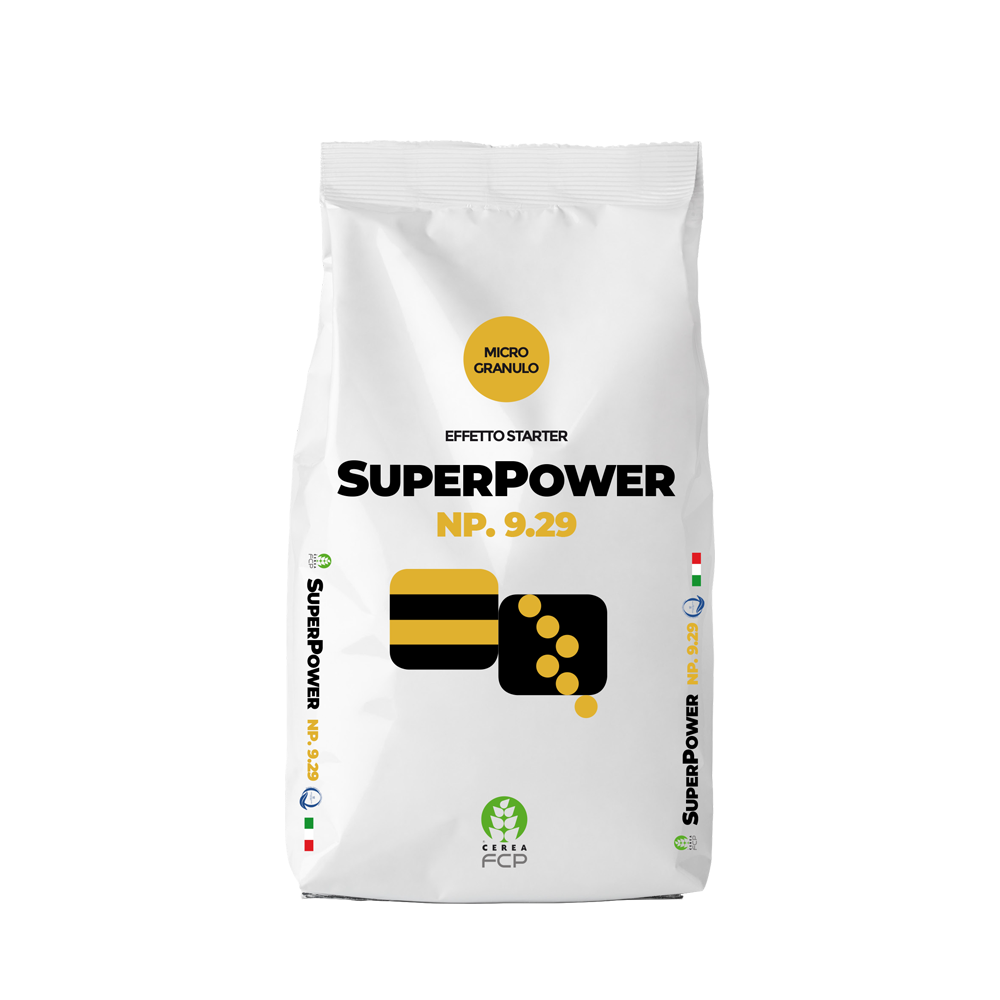


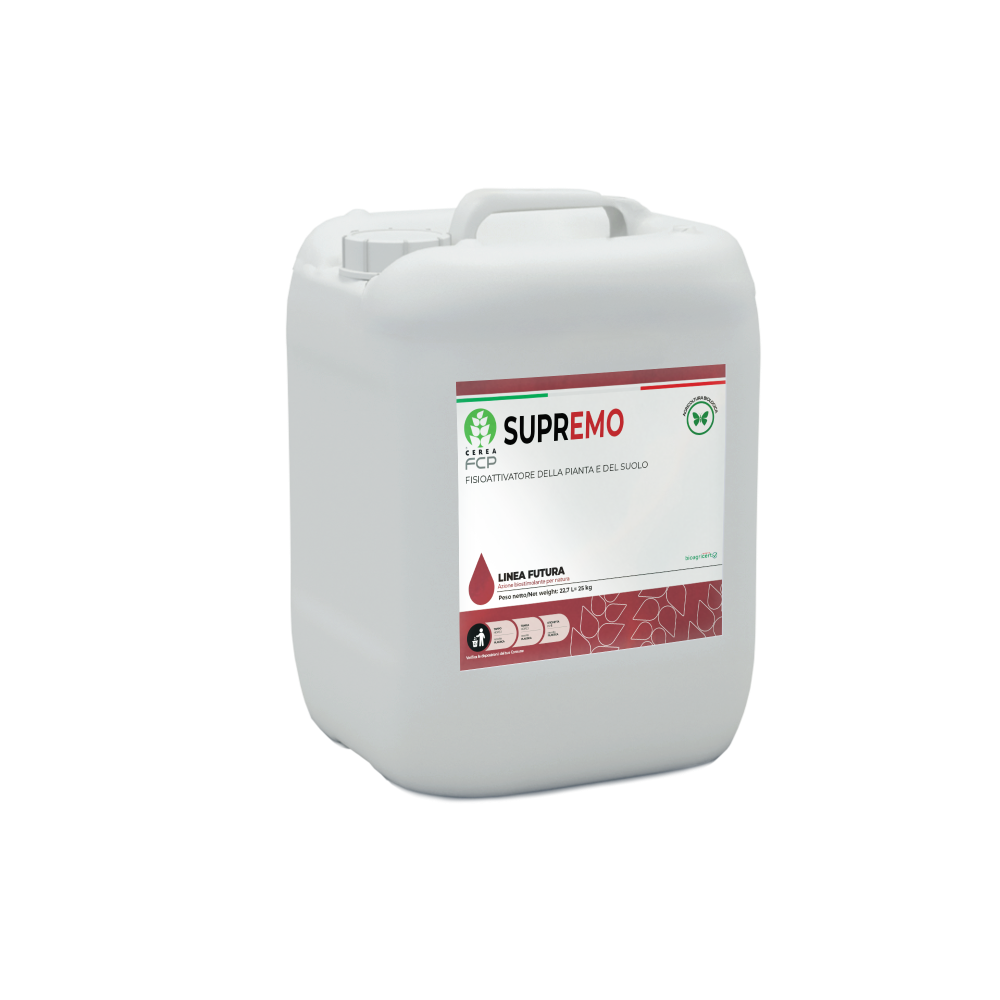
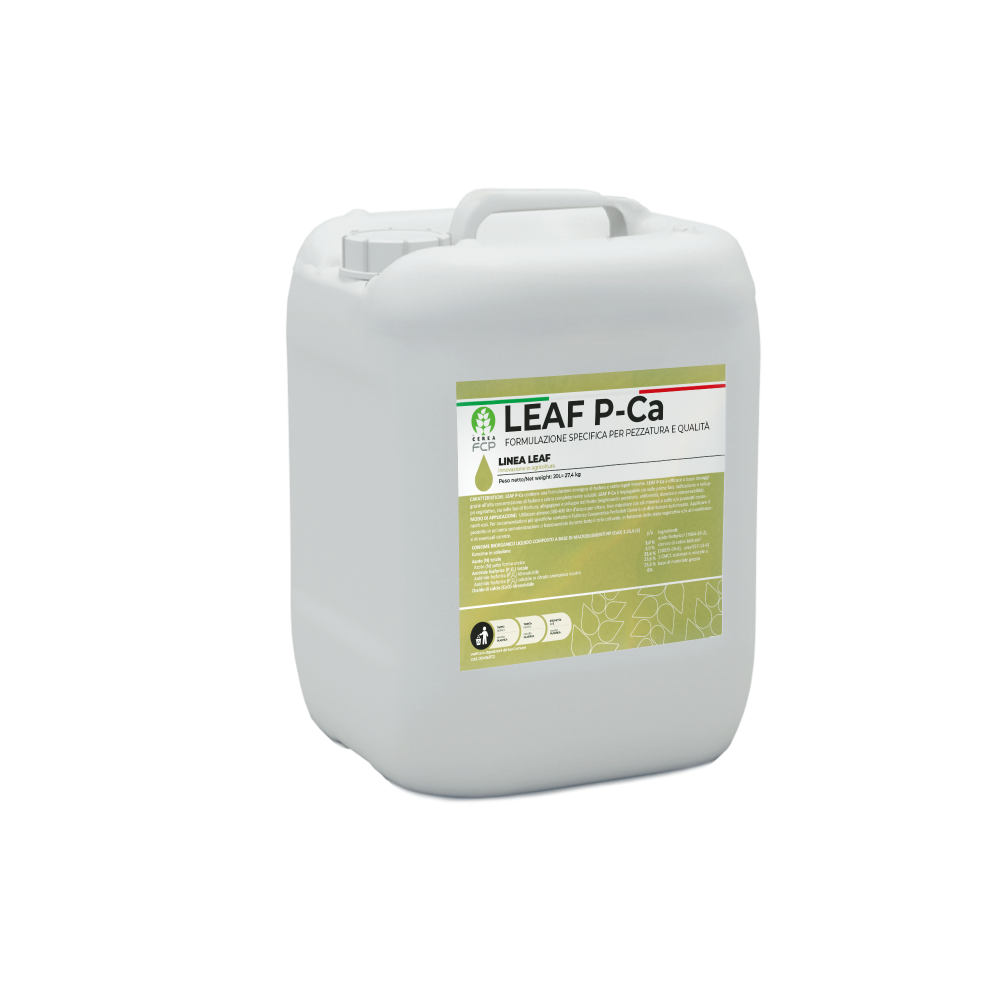

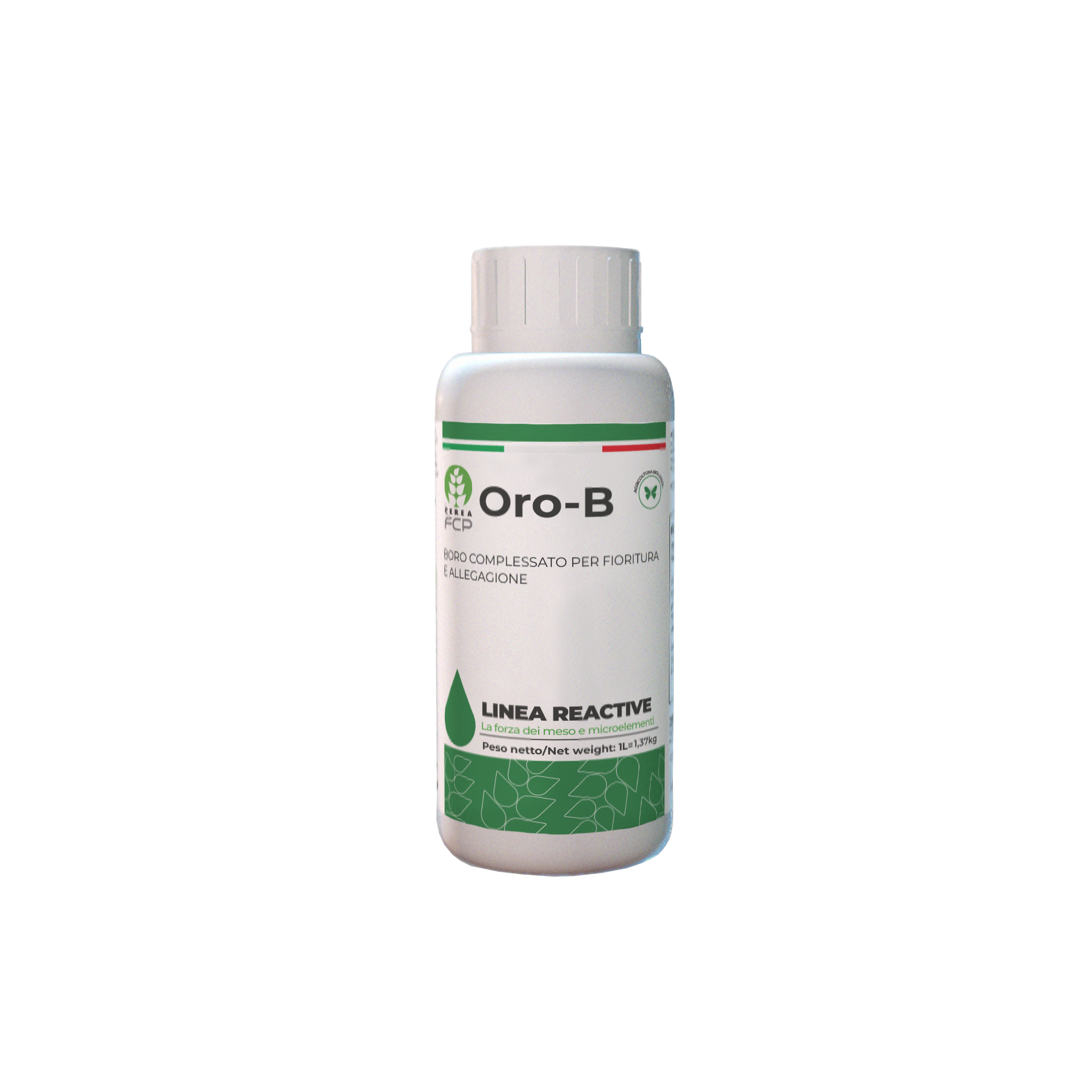


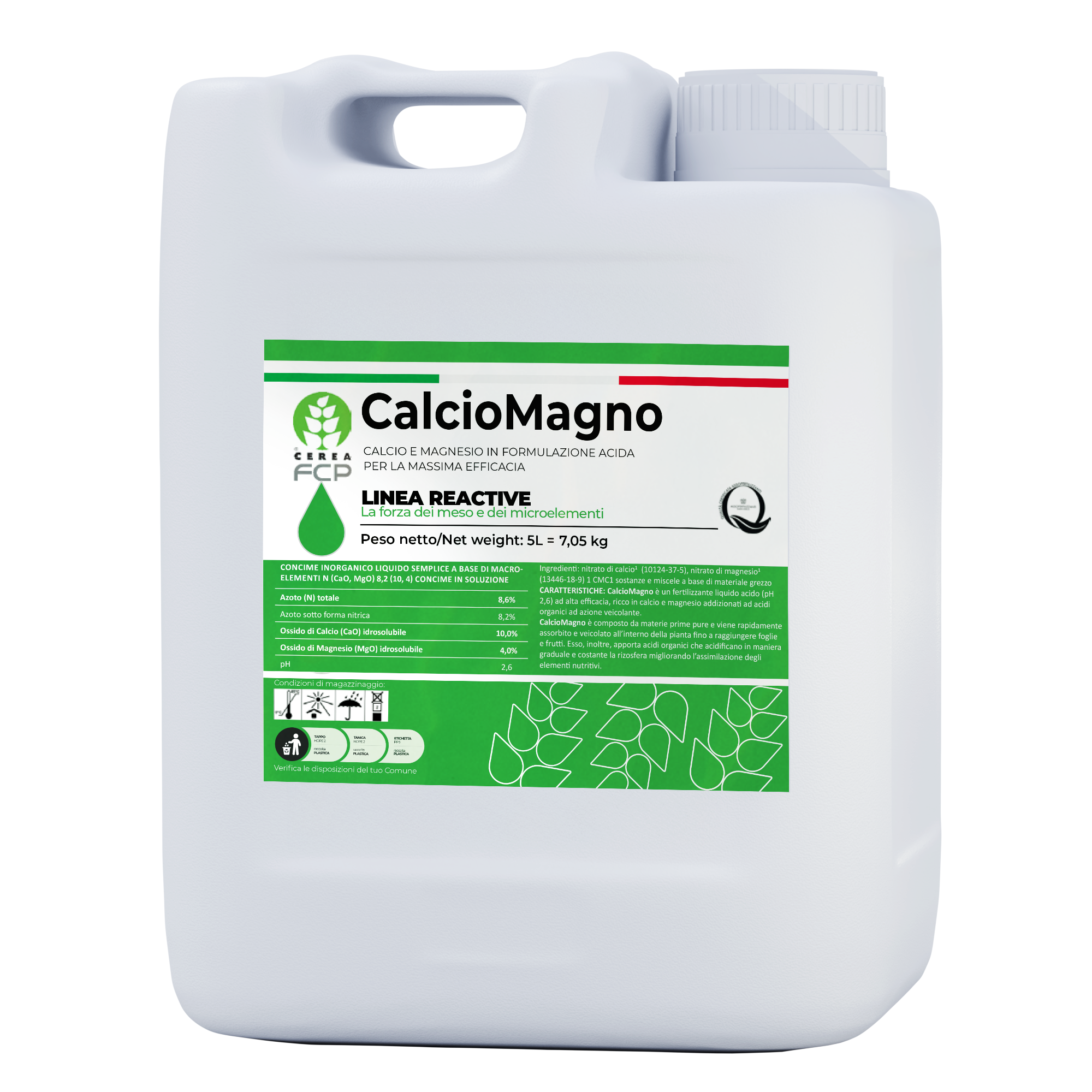
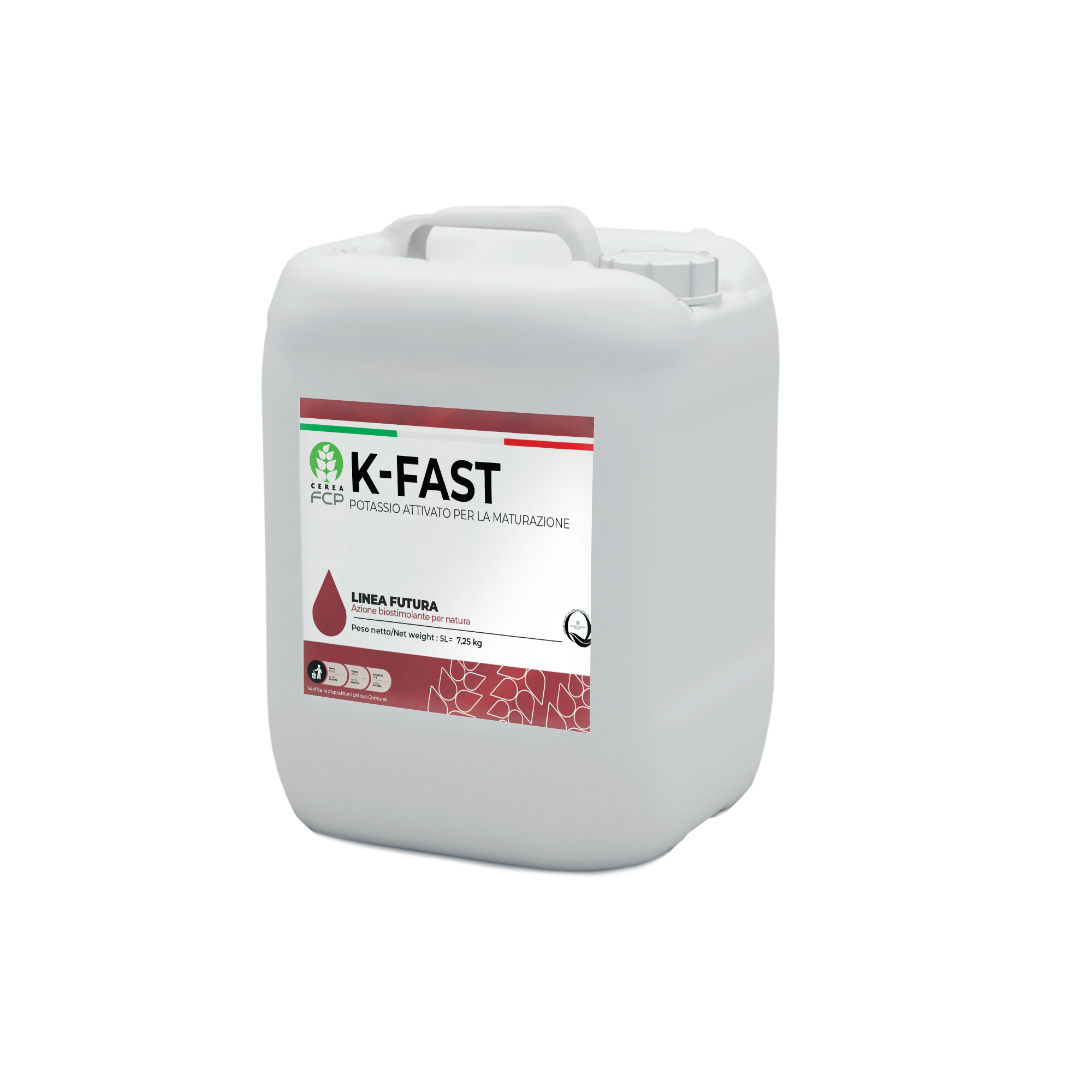


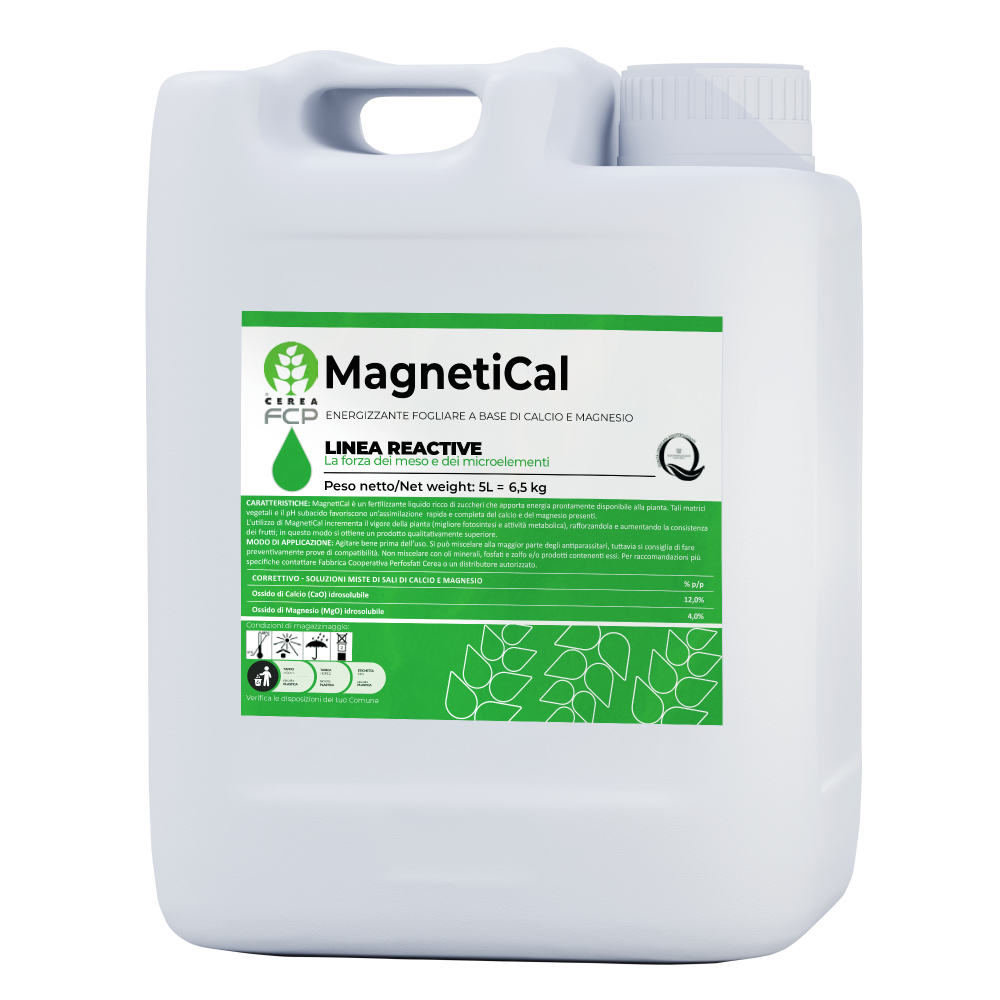
For problems of iron chlorosis, we recommend interventions with Nano.T Fe via the roots (or foliar). Dosage based on the soil's iron chlorosis index.
To strengthen the plant and make it more resistant to biotic and abiotic stress, we recommend using Nano.T Cu foliarly every 15 days from vegetative development onwards.
In saline, sodic, calcareous soils with an alkaline pH, add CALCITO at a dose of 10 l/ha every 25-30 days.
To create favorable environments for maintaining healthy leaves, shoots, and fruits, use Nano.T Total and A-Myco
To create favorable environments for healthy root systems, use Mycovix.
PRODUCT POSITIONING BY PHENOLOGICAL PHASE - ORGANIC LINE


For iron chlorosis problems, we recommend applying Nano.T Fe BIO through the roots (or foliar). Dosage depends on the soil's iron chlorosis index.
To strengthen the plant and make it more resistant to biotic and abiotic stress, we recommend using Nano.T Cu BIO foliar application every 15 days from vegetative growth onwards.
To create favorable environments for maintaining healthy leaves, shoots, and fruits, use A-Myco
To create favorable environments for healthy root systems, use Mycovix.


Critical issues
Leaf tip burn caused by insufficient calcium in growing tissues is a common problem.
Lettuce is also susceptible to fungal diseases and pathogens.
Special attention must be paid to protecting leaves, shoots, and heads from fungi, insects, and slugs/snails, creating favorable conditions to maintain healthy leaves, shoots, and fruits.
Need assistance?
Being a leafy vegetable, to obtain vibrant green leaves it is important to plan an adequate supply of microelements. Iron is the key microelement for photosynthesis, and magnesium (a mesoelement) is also very important. A proper balance of meso- and microelements allows this issue to be solved effectively (Febo Mix).
It is crucial to start calcium supplementation from the early post-transplant stages using products that supply calcium and magnesium along with nitrogen to ensure balanced growth in the first half of the cycle (CalcioMagno). Later, switch to products with calcium and/or calcium+magnesium without nitrogen (Magnetical, Focus Ca) during the second half of the cycle until about 7–8 days before harvest. Foliar calcium applications are also very effective.
To improve leaf quality and obtain thicker, fleshier, heavier leaves (which also maintain better post-harvest shelf life), it is essential to manage calcium and phosphorus supply (which harden the leaves and improve storability and thickness, Magnetical – Focus Ca) and potassium (which makes leaves more fleshy and heavier, Leaf K).