



Cultivation and Fertilization of the Orange Tree
The orange (Citrus × sinensis) is one of the most widely cultivated citrus species in the world. In Italy, it finds optimal growing conditions mainly in southern regions and coastal areas with mild climates. The ideal soil is loose or medium-textured, fertile, well-drained, and has a pH between 6.5 and 7.5.
Italian oranges are distinguished by their high organoleptic quality, long-lasting productivity—often spanning several decades—and their ability to stabilize soils and preserve landscapes.
However, the effects of climate change are causing increasingly irregular flowering and ripening patterns. Moreover, the widespread presence of calcareous soils has led to the occurrence of iron chlorosis in many citrus orchards. Special attention should also be given to protection against fungi, insects, and slugs/snails; therefore, it is advisable to create environments that help maintain healthy leaves, shoots, and fruits.
Nutritional Advice for the Orange Tree
Targeted and balanced fertilization is essential to support production, improve fruit quality, and increase resistance to environmental stress.
Key Nutrients
- The use of organo-mineral NPK fertilizers ensures a constant and sustainable supply of nutrients.
- Iron (Fe): a crucial element for preventing and controlling iron chlorosis. It should be applied regularly, depending on the soil’s active lime content.
- Calcium (Ca): important after flowering to improve peel firmness and extend fruit shelf life.
- Boron (B), Magnesium (Mg), Manganese (Mn), Zinc (Zn), and Copper (Cu): essential micronutrients to be supplied via foliar application or fertigation to stimulate flowering and fruit set.
Use of Biostimulants
The integration of biostimulants based on free amino acids promotes rapid absorption and translocation of nutrients, enhancing the plant’s resilience during periods of stress (heat, drought, or temperature fluctuations).
Follow our guidelines for dosage and application methods, specifically aimed at reducing iron chlorosis, increasing fruit set, and improving fruit quality and shelf life.
PRODUCT POSITIONING BY PHENOLOGICAL PHASE - TRADITIONAL LINE
Products used in this phase


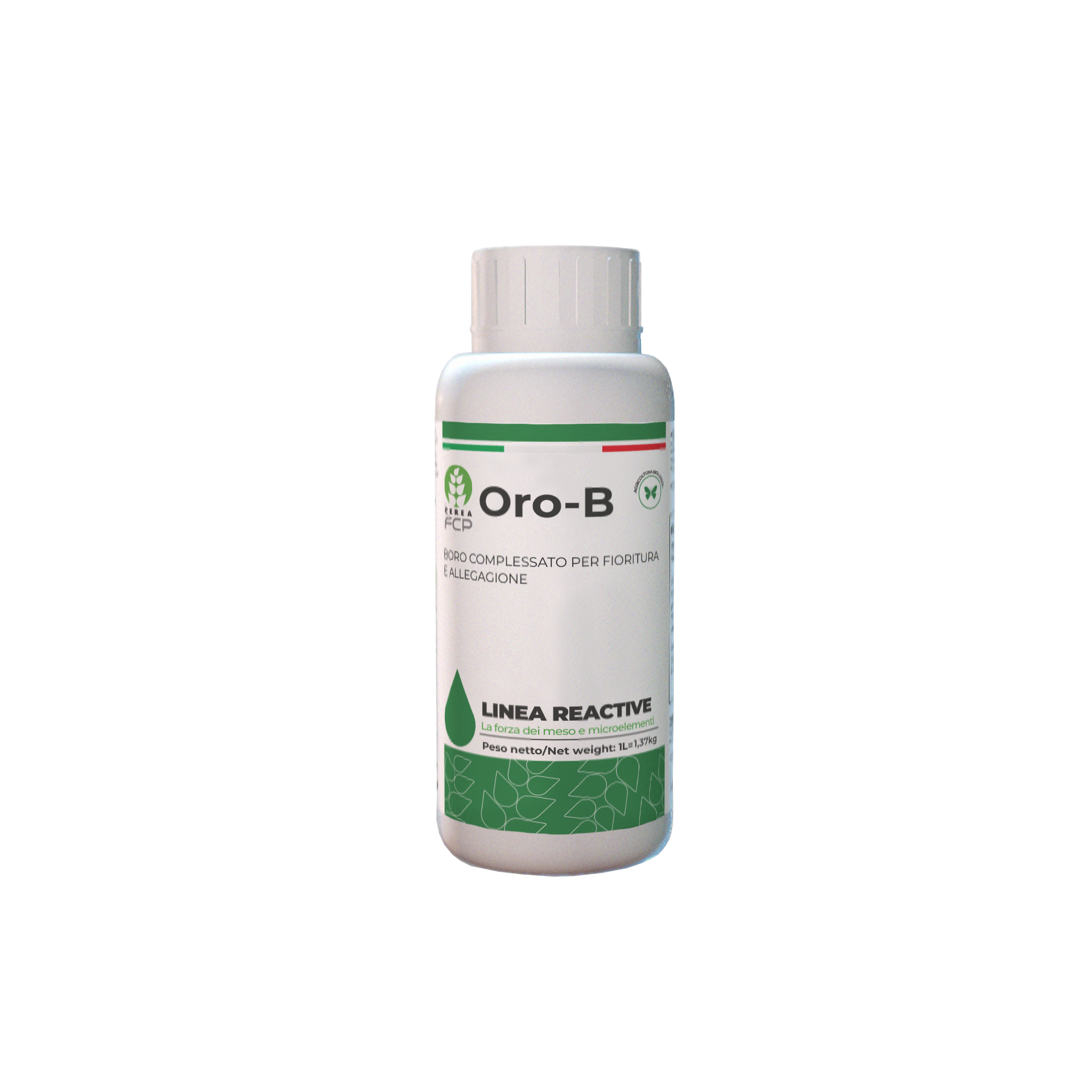

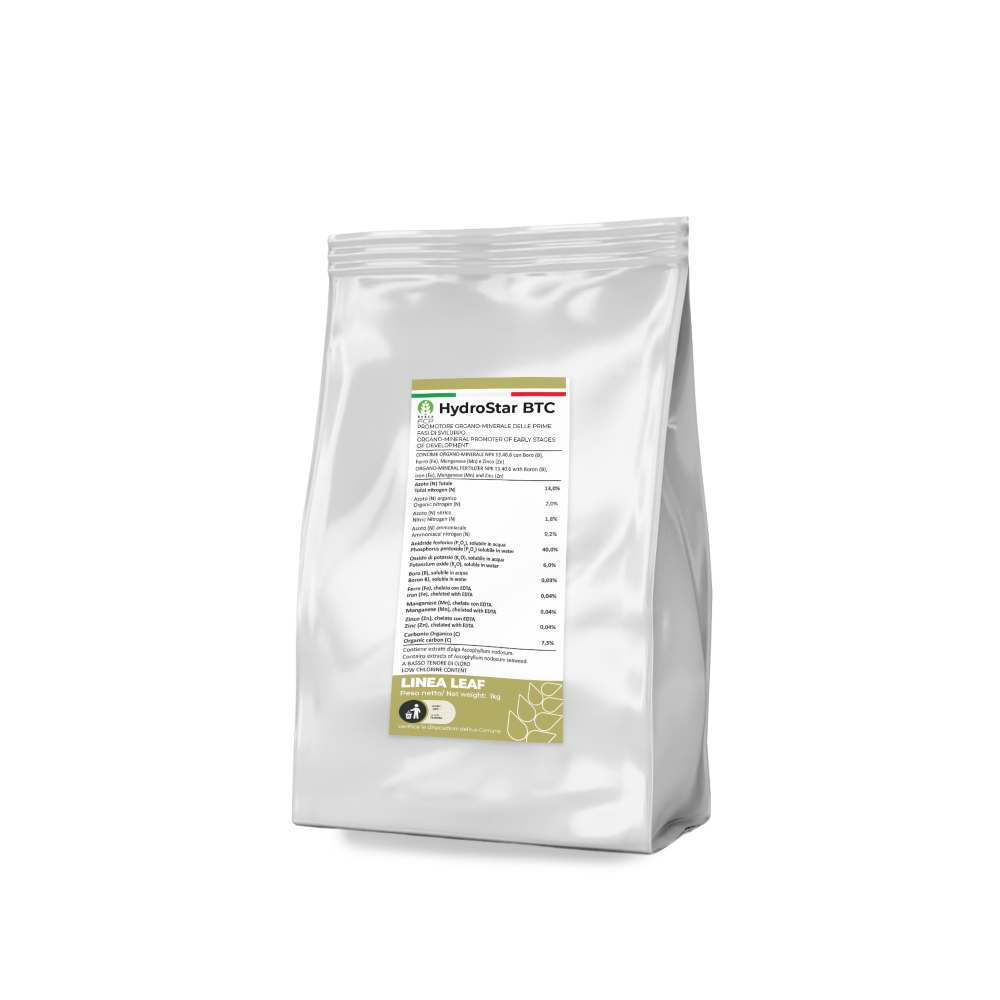


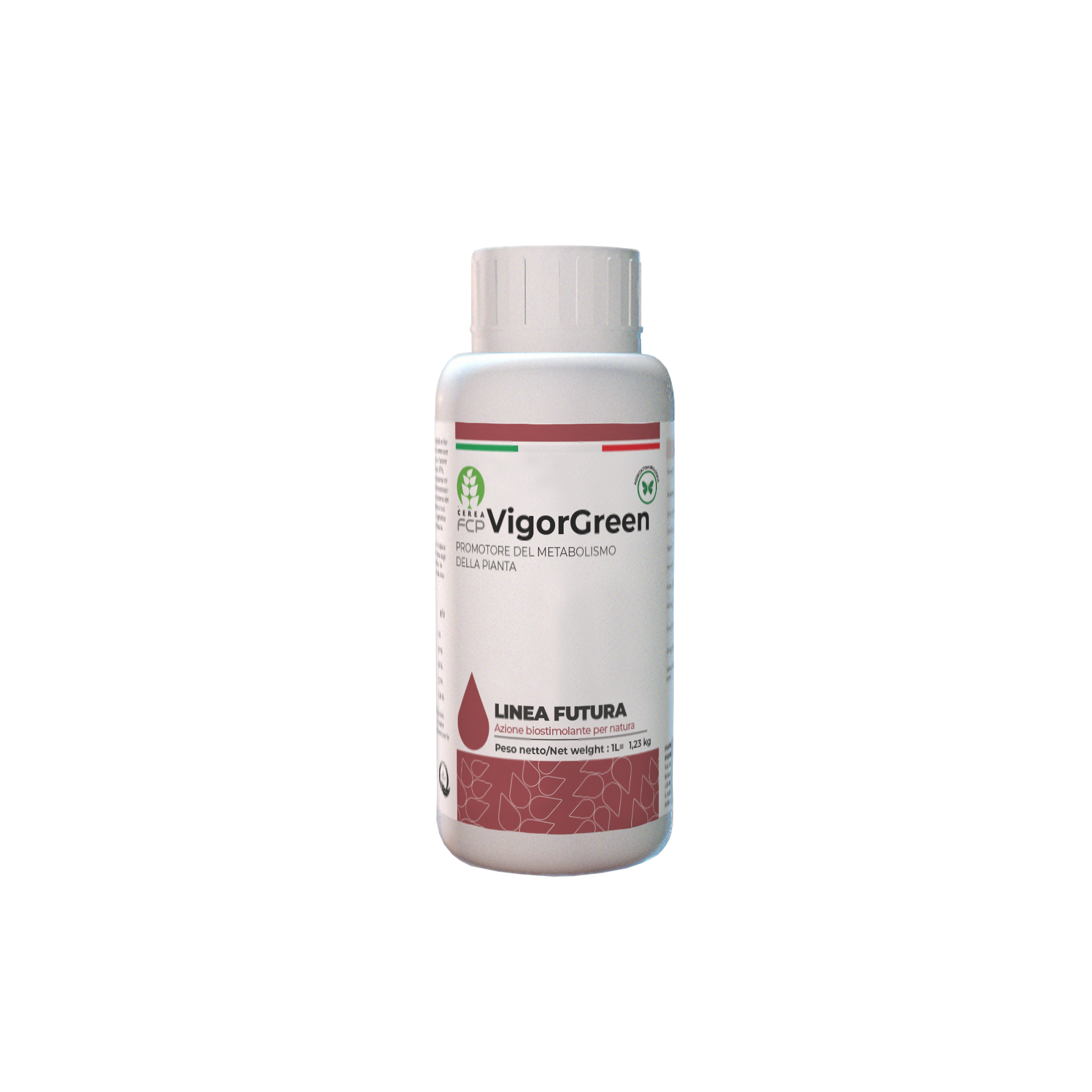
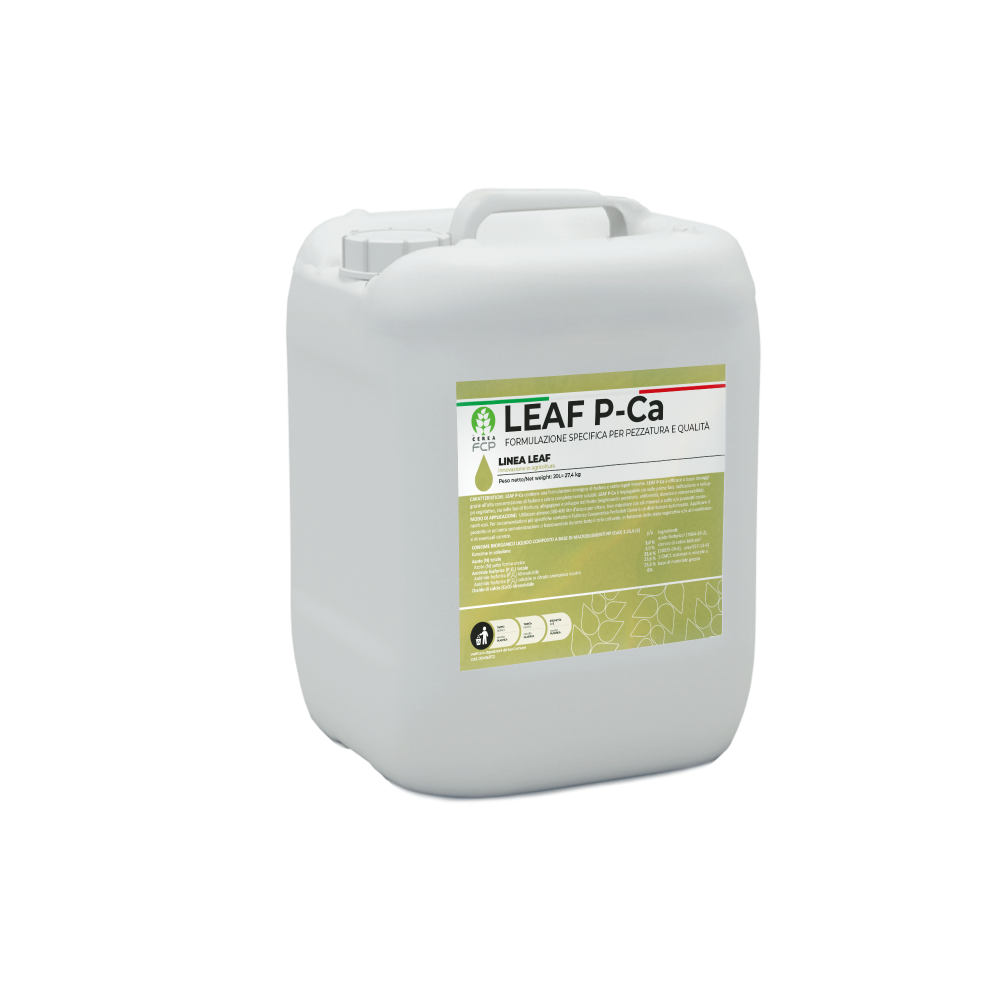
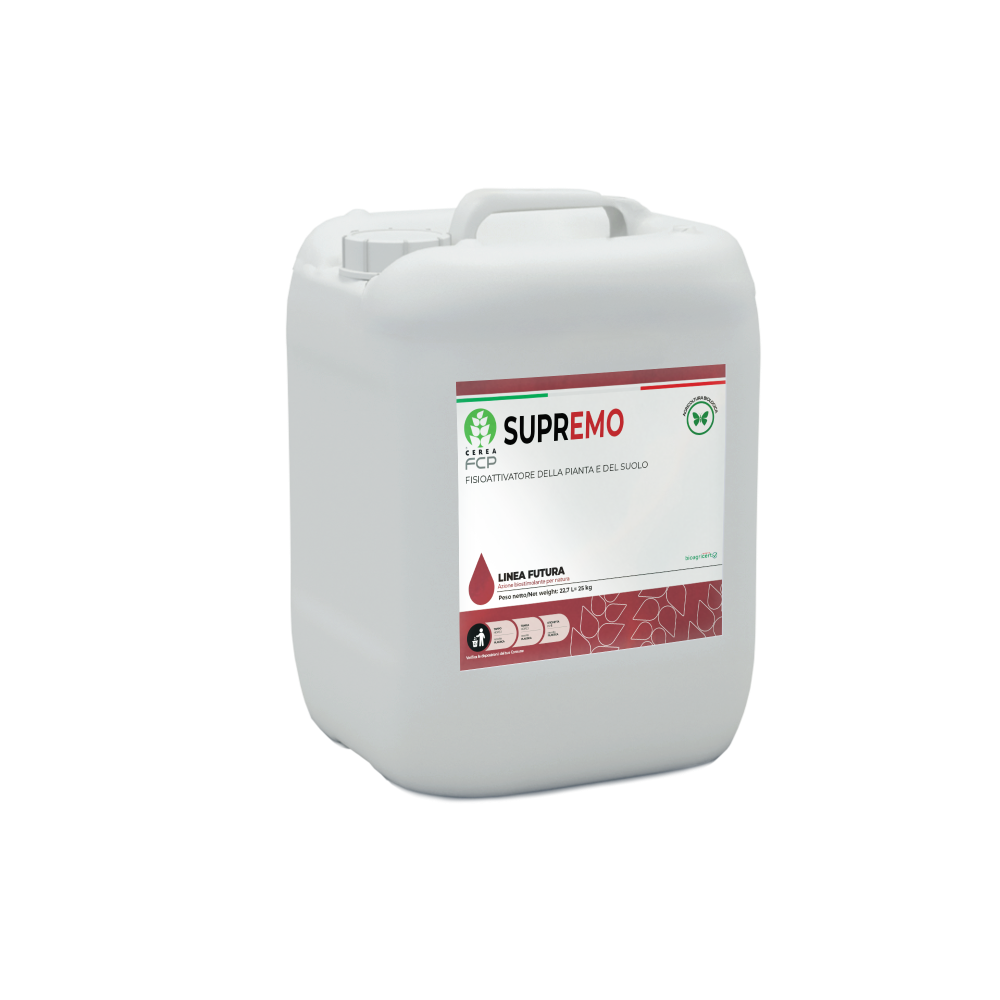
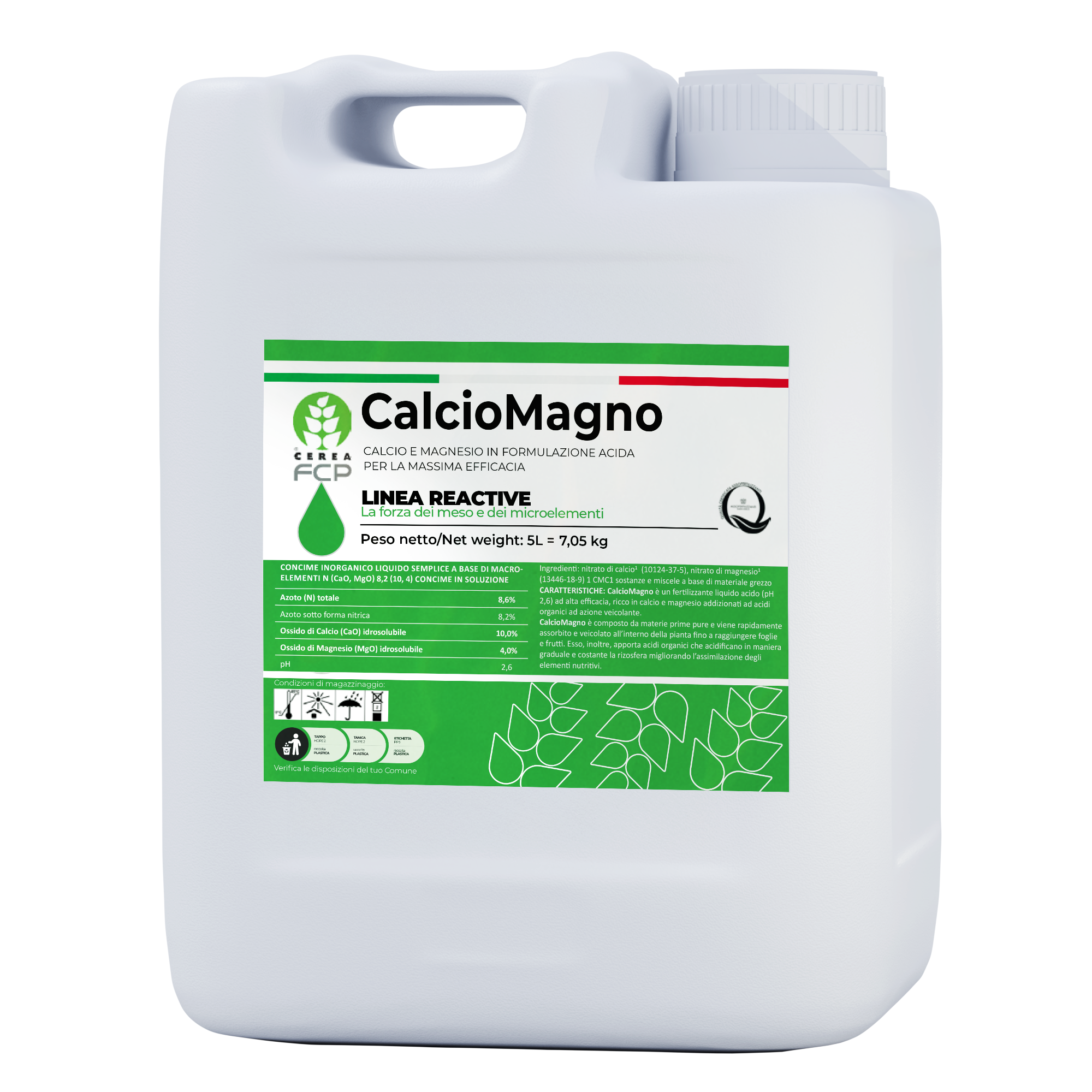
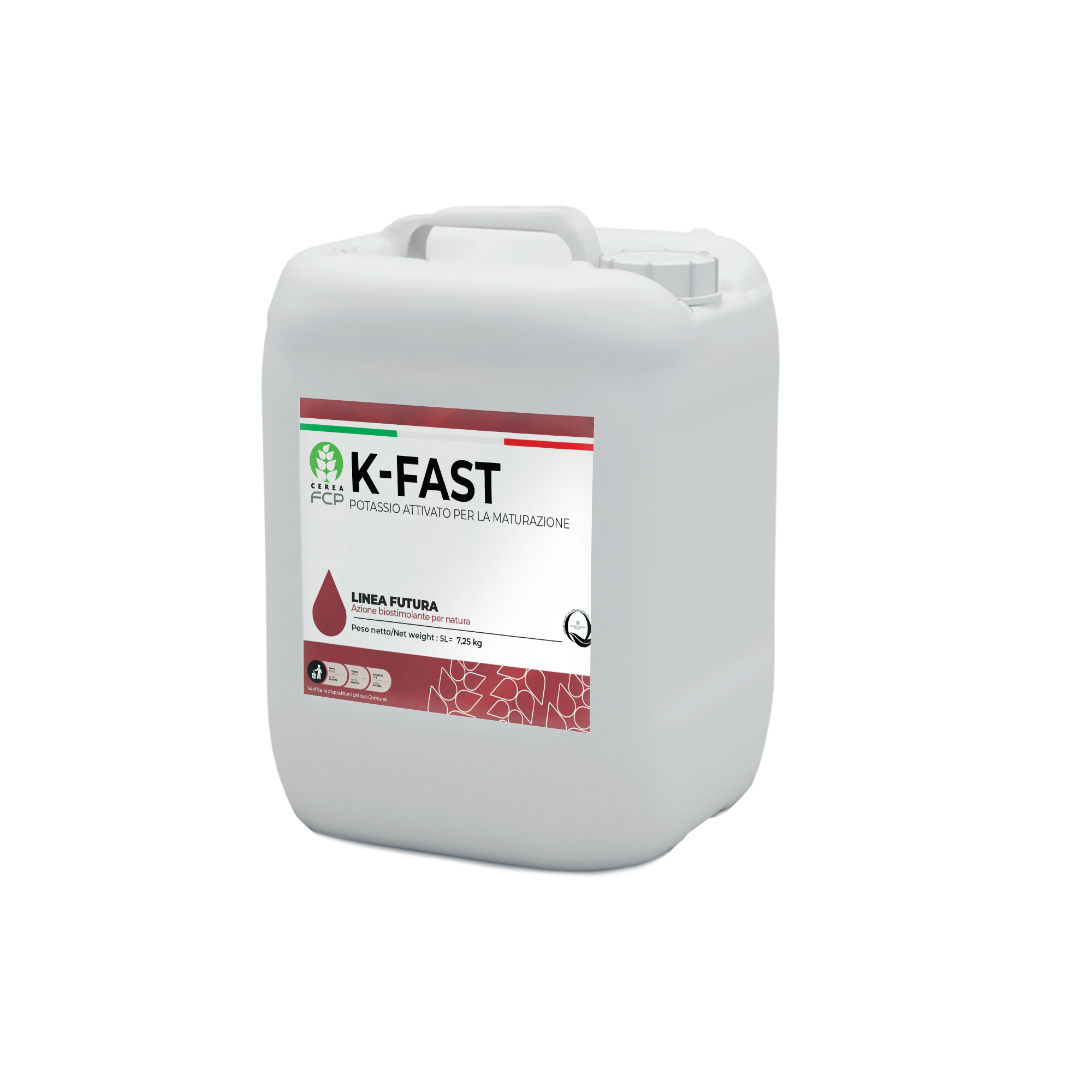

For problems of iron chlorosis, we recommend interventions with Nano.T Fe via the roots (or foliar). Dosage based on the soil's iron chlorosis index.
To strengthen the plant and make it more resistant to biotic and abiotic stress, we recommend using Nano.T Cu foliarly every 15 days from vegetative development onwards.
In saline, sodic, calcareous soils with an alkaline pH, add CALCITO at a dose of 10 l/ha every 25-30 days.
To create favorable environments for maintaining healthy leaves, shoots, and fruits, use Nano.T Total
PRODUCT POSITIONING BY PHENOLOGICAL PHASE - ORGANIC LINE
Products used in this phase

For iron chlorosis problems, we recommend applying Nano.T Fe BIO through the roots (or foliar). Dosage depends on the soil's iron chlorosis index.
To strengthen the plant and make it more resistant to biotic and abiotic stress, we recommend using Nano.T Cu BIO foliar application every 15 days from vegetative growth onwards.
Need assistance?
The use of products that strengthen the abscission zones (peduncle) is ideal for reducing fruit drop. Nano.T CaPO contributes to increasing calcium pectates in the peduncle, helping to prevent fruit drop and improving the transfer of nutrients to the fruit.
It is recommended to use iron-based products with high bioavailability, especially in calcareous, sodic, alkaline, or saline soils and waters. Nano.T Fe and Nano.T Fe Bio provide plants with fully available iron even under “difficult” soil and water conditions. These products are also non-leachable and photostable, ensuring a constant and prolonged release of iron.
Fruit coloration in citrus crops primarily depends on temperature fluctuations. However, the use of highly assimilable potassium-based products helps achieve a more intense and uniform color. The combined use of K-Fast (for root application) and Leaf K (for foliar application) is ideal in this context, as they provide highly available potassium—K-Fast enriched with humic extracts and Leaf K with acid-reacting potassium and betaines.