



Cultivation, quality, and nutrition of strawberry
The majority of global production is concentrated in China and the USA, which together cover more than half of the global supply. The expansion of strawberry cultivation worldwide is linked to the growing demand for fresh and processed fruits, due to their organoleptic properties, versatility, and nutritional value (low calorie content, antioxidants, vitamin C, etc.).
Italy is among the main European producers, along with Spain and France, with a large portion of cultivation in Basilicata and Campania, mainly in greenhouses and tunnels. A notable market feature of strawberries is their ability to maintain consistent demand even in periods of rising costs.
Strawberries are particularly sensitive to fungal diseases, nematodes, and viruses, so creating favorable conditions to keep leaves, shoots, and fruits healthy is essential.
Nutritional advice for strawberry
Nutritional deficiencies, especially in potassium, calcium, and microelements, negatively affect fruit quality, shelf life, and productivity.
Ensuring good early root establishment is crucial, which can be supported by biostimulants such as seaweed extracts. These, together with humic acids and elements like calcium and phosphorus, help achieve fruits of good size, flavor, and storability.
Using products containing beneficial microbial consortia is also recommended to regenerate depleted soils and combat plant diseases.
Below you can find the most effective strategies for proper fertilization of strawberries for sweet, high-quality, and firm fruits.

PRODUCT POSITIONING BY PHENOLOGICAL PHASE - TRADITIONAL LINE








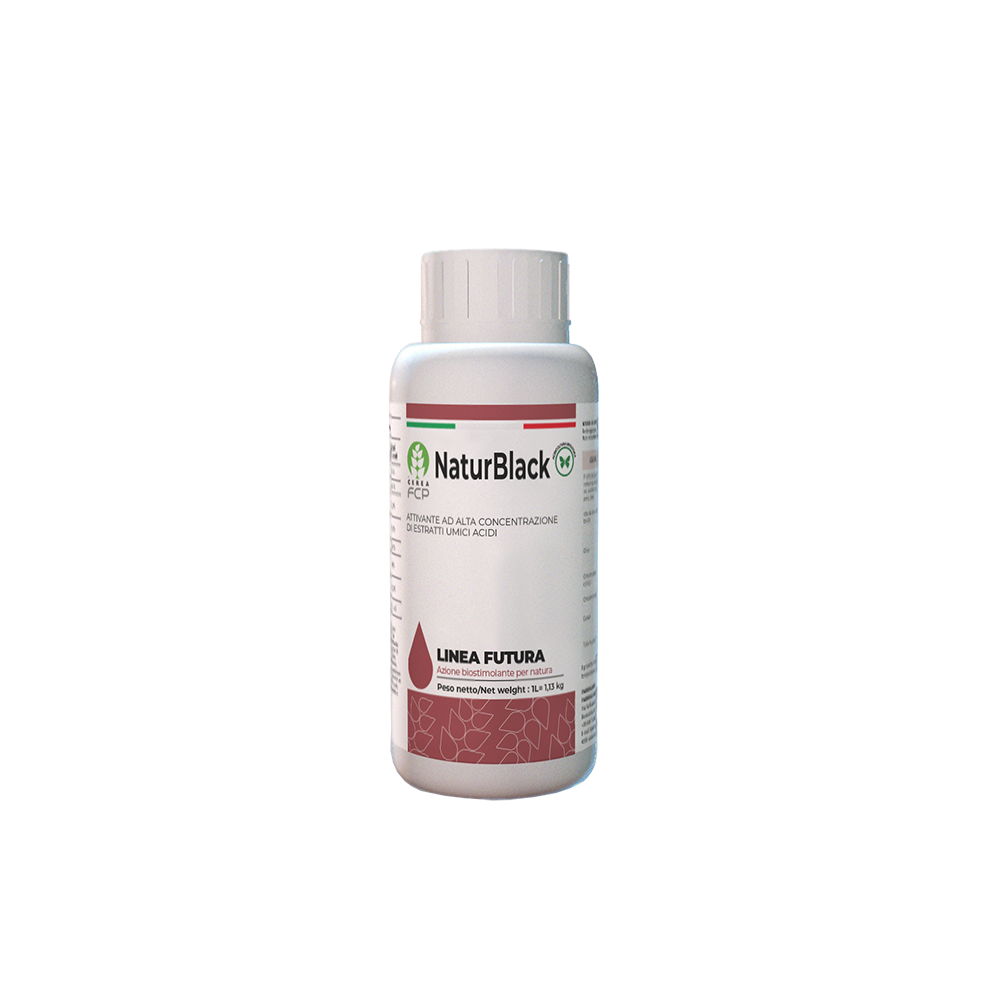


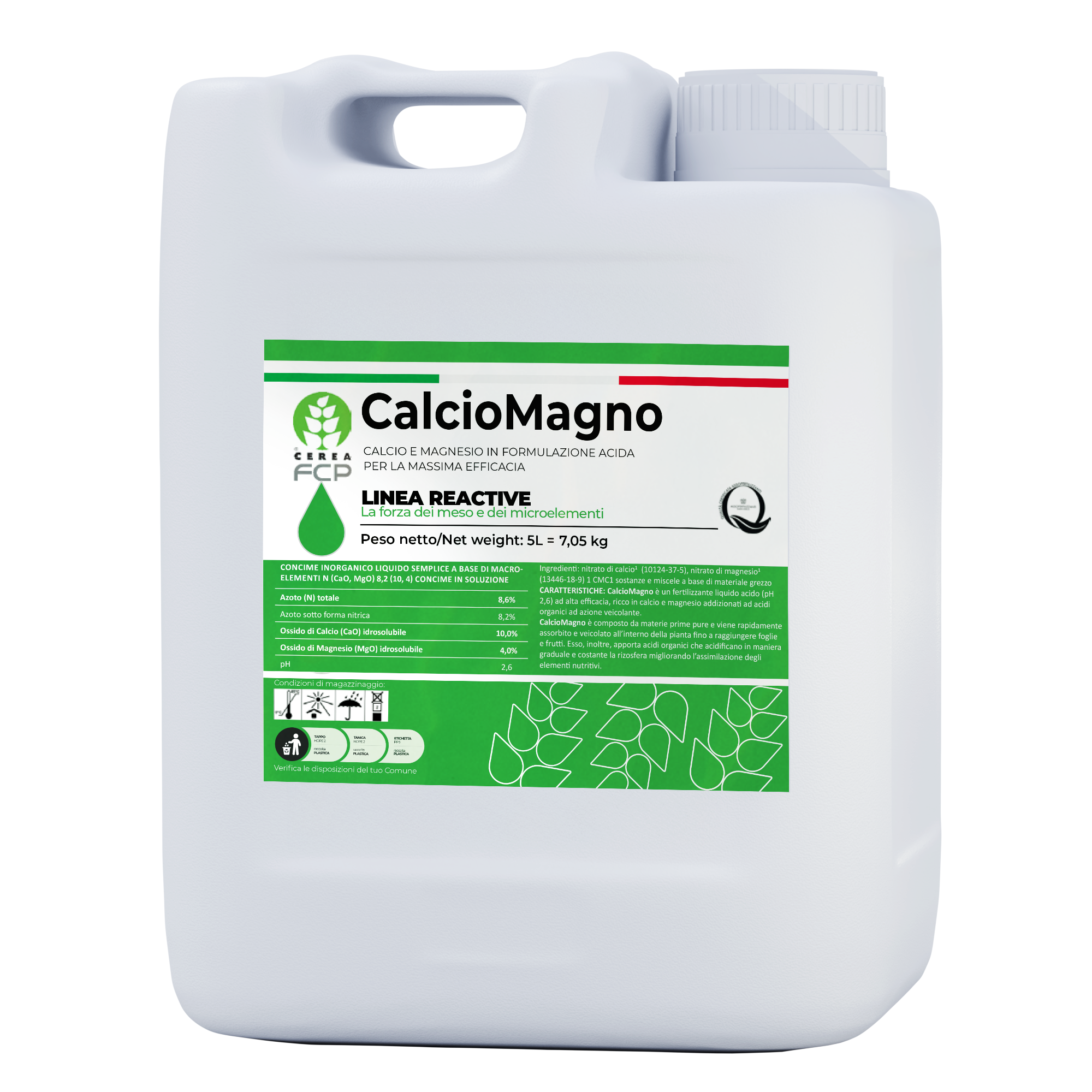
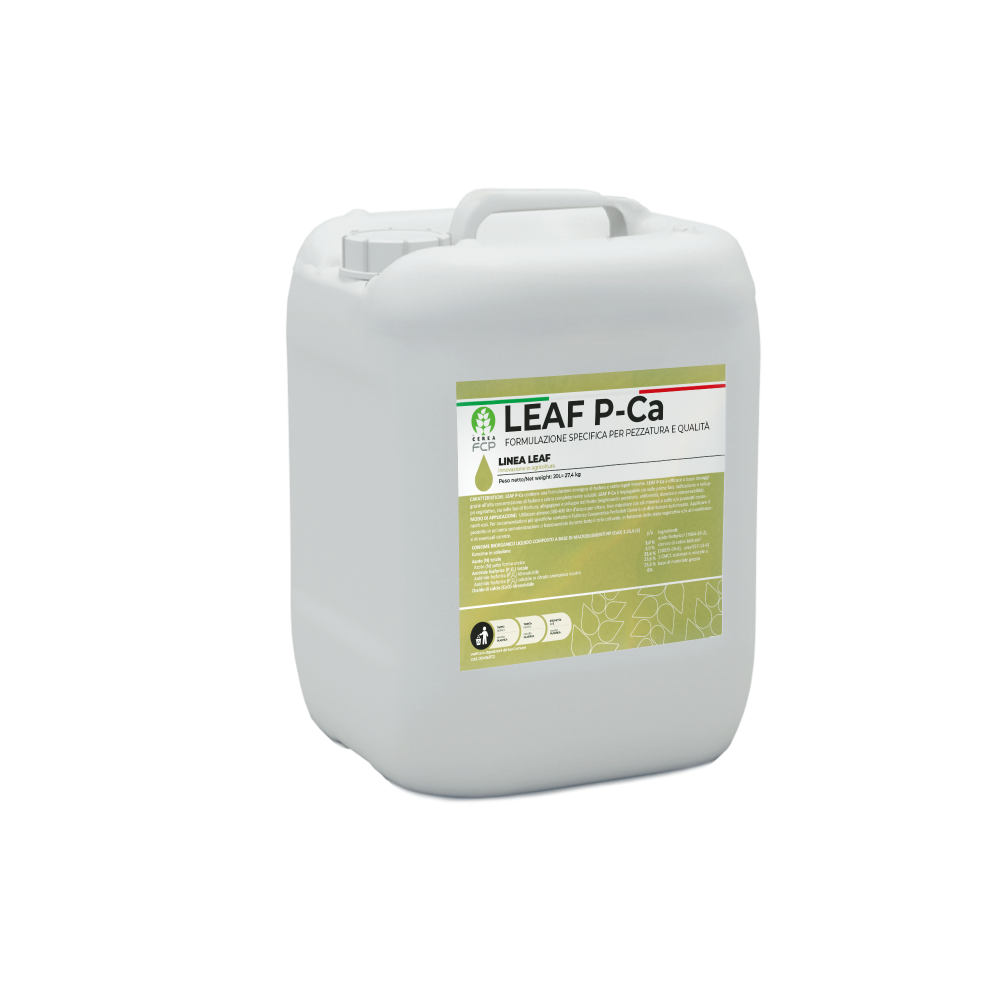
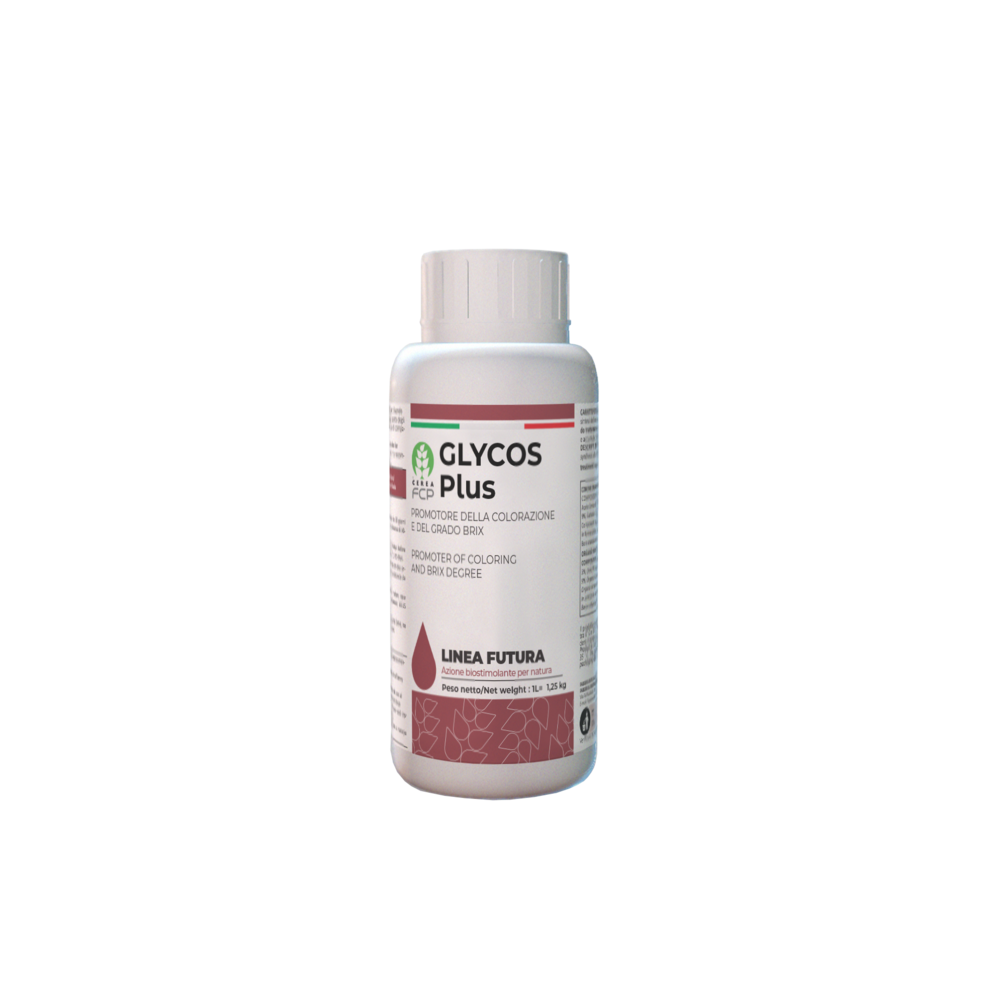


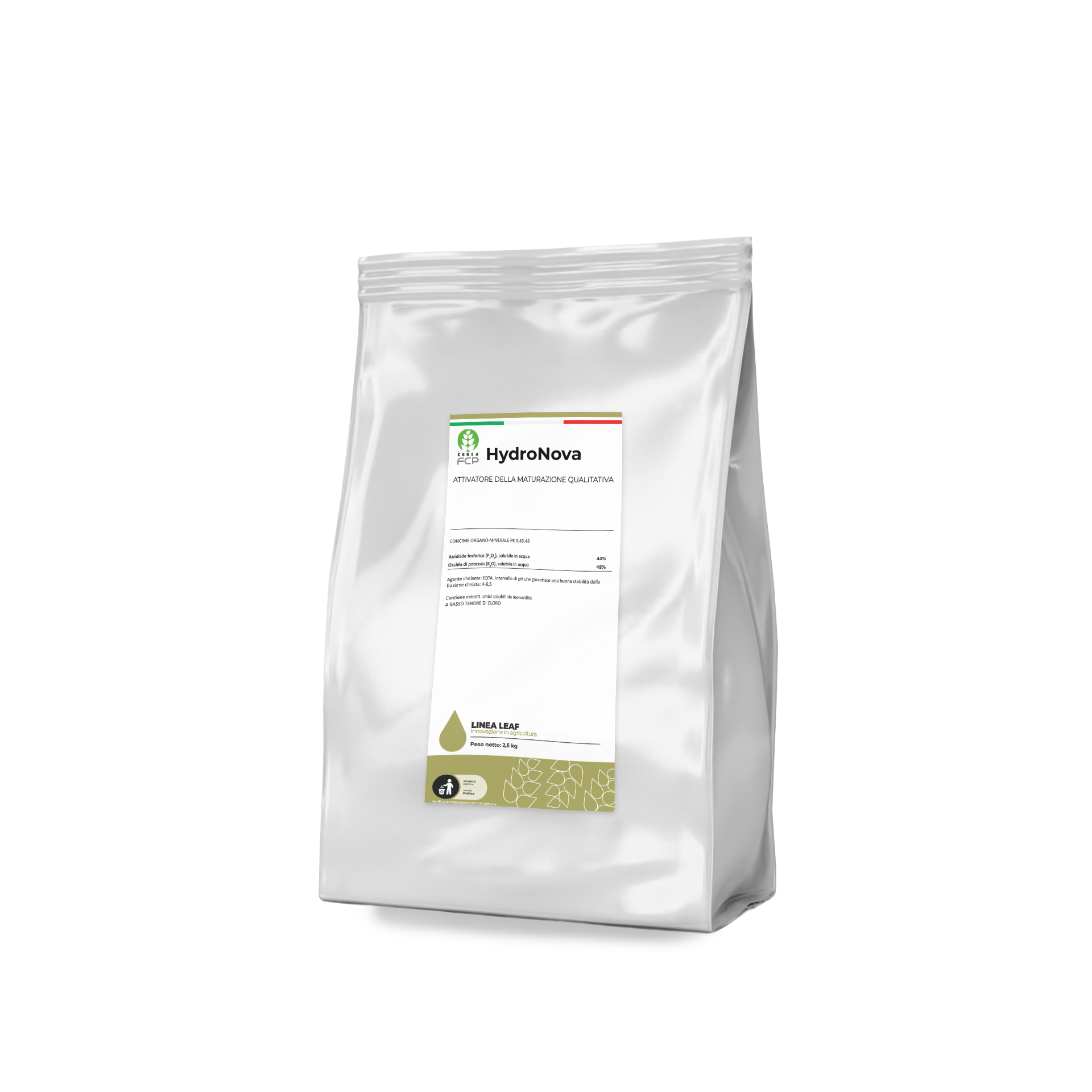
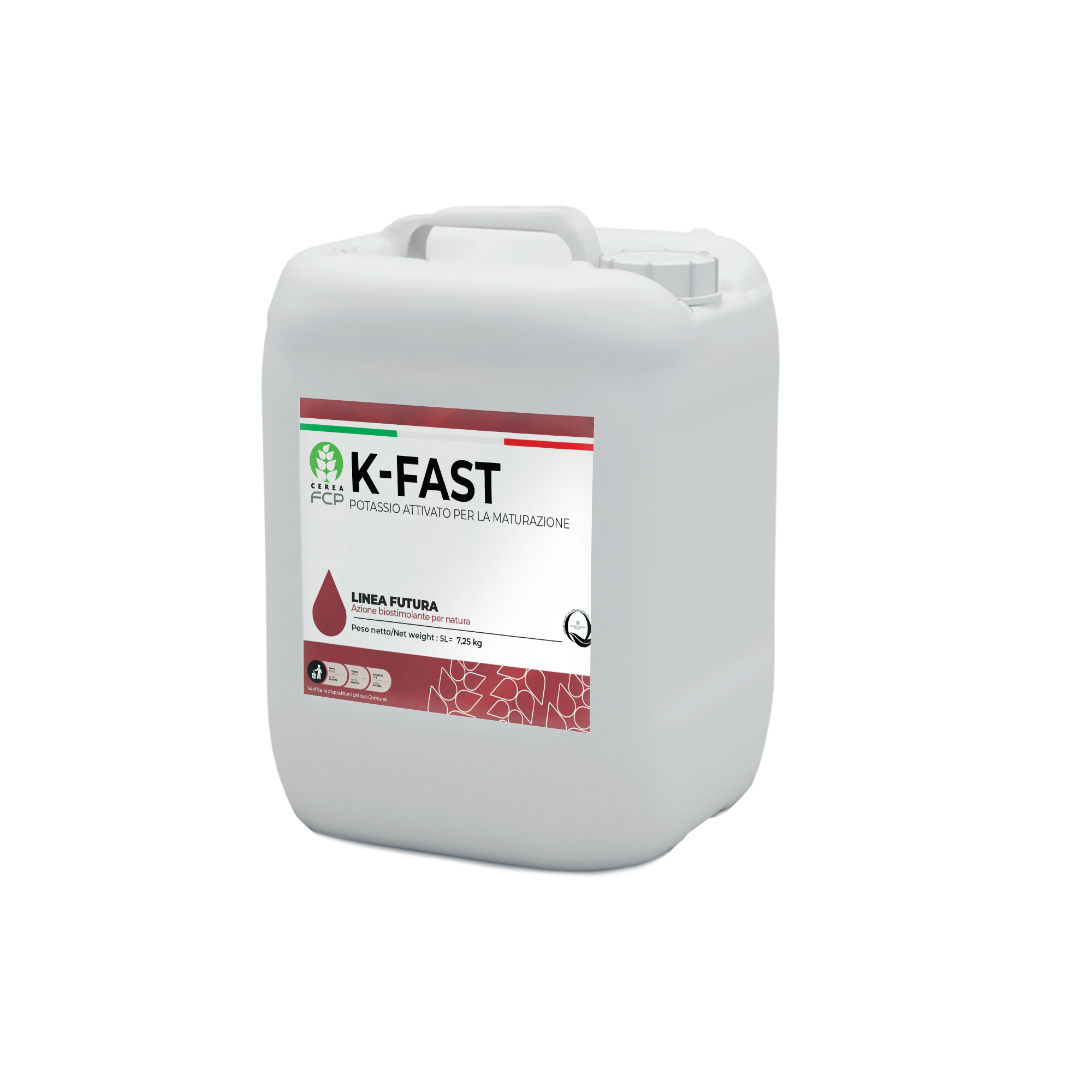
For problems of iron chlorosis, we recommend interventions with Nano.T Fe via the roots (or foliar). Dosage based on the soil's iron chlorosis index.
To strengthen the plant and make it more resistant to biotic and abiotic stress, we recommend using Nano.T Cu foliarly every 15 days from vegetative development onwards.
In saline, sodic, calcareous soils with an alkaline pH, add CALCITO at a dose of 10 l/ha every 25-30 days.
To create favorable environments for maintaining healthy leaves, shoots, and fruits, use Nano.T Total and A-Myco
To create favorable environments for healthy root systems, use Mycovix.
PRODUCT POSITIONING BY PHENOLOGICAL PHASE - ORGANIC LINE

For iron chlorosis problems, we recommend applying Nano.T Fe BIO through the roots (or foliar). Dosage depends on the soil's iron chlorosis index.
To strengthen the plant and make it more resistant to biotic and abiotic stress, we recommend using Nano.T Cu BIO foliar application every 15 days from vegetative growth onwards.
To create favorable environments for maintaining healthy leaves, shoots, and fruits, use A-Myco
To create favorable environments for healthy root systems, use Mycovix.

Need assistance?
To obtain strawberries with bright, vivid color, it is essential to supply the plant and fruit with a key microelement: iron (Nano.T Fe, Nano.T Fe Bio). Iron contributes especially to the fruit’s shine. Additionally, products that promote coloration and are rich in amino acid precursors of pigmentation (Glycos Plus) are highly useful and recommended.
Saline soils and water are a significant problem and often a limiting factor for production. Early signs include leaf margins first yellowing and then drying out. In these cases, it is necessary to use products that buffer salinity and allow proper nutrient and water uptake (Calcito, Proser MnZn). These should be applied throughout the entire growing cycle.
To stimulate fruit enlargement, action must focus during the cell division phase (after petal fall) using products with cytokinin-like activity (Crisco), which promote mitosis while maintaining fruit storability. Applications should be targeted at fruits that are growing more slowly or less optimally, rather than all flowers on the plant.