



Cultivation and fertilisation of the apricot tree
Italy is one of the world’s leading producers of apricots (Prunus armeniaca) and the leading producer in Europe, with a market that exports a significant proportion of its production to the main countries of the European Union.
Nutritional advice for the apricot tree
Rational and targeted fertilisation is essential to sustain the productivity of the apricot tree, optimise fruit quality and prevent physiological disorders and nutritional imbalances.
Main nutrients
Nitrogen (N) and Potassium (K): these are the elements absorbed in the greatest quantities, but in heavy, calcareous soils it is preferable to use formulations that also contain a good percentage of phosphorus.
Calcium (Ca): essential for fruit quality (flesh texture and prevention of physiological disorders)
Magnesium (Mg): supports photosynthesis during periods of high yield.
Although calcium is required in large quantities, it is not very mobile within the plant; it is therefore necessary to use innovative strategies to ensure it is effectively transported through the plant tissues to the fruit. Foliar fertilisation therefore plays a fundamental complementary role, especially for micronutrients and calcium.
Follow our guidelines on dosages and application methods, designed specifically to stimulate flowering, increase fruit set and improve organoleptic qualities. Use from the formation of the young fruit onwards.

PRODUCT POSITIONING BY PHENOLOGICAL PHASE - TRADITIONAL LINE
Products used in this phase



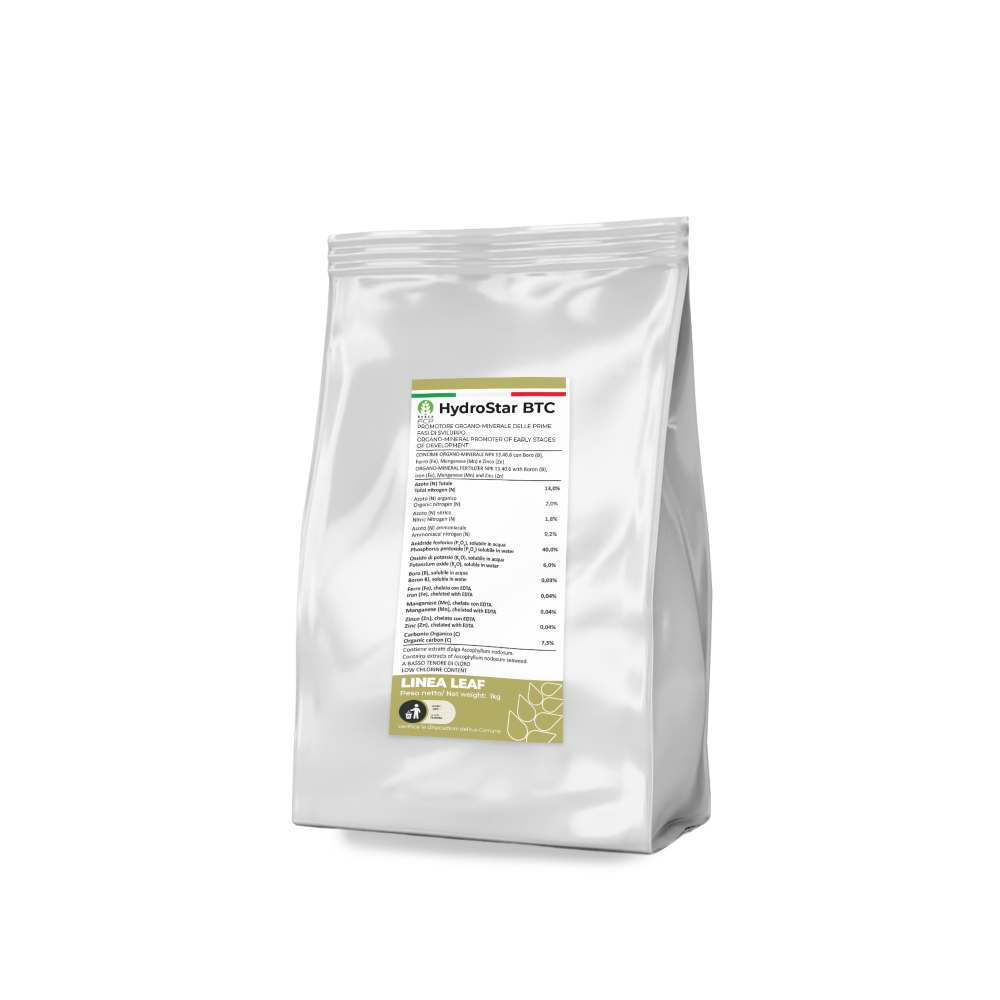



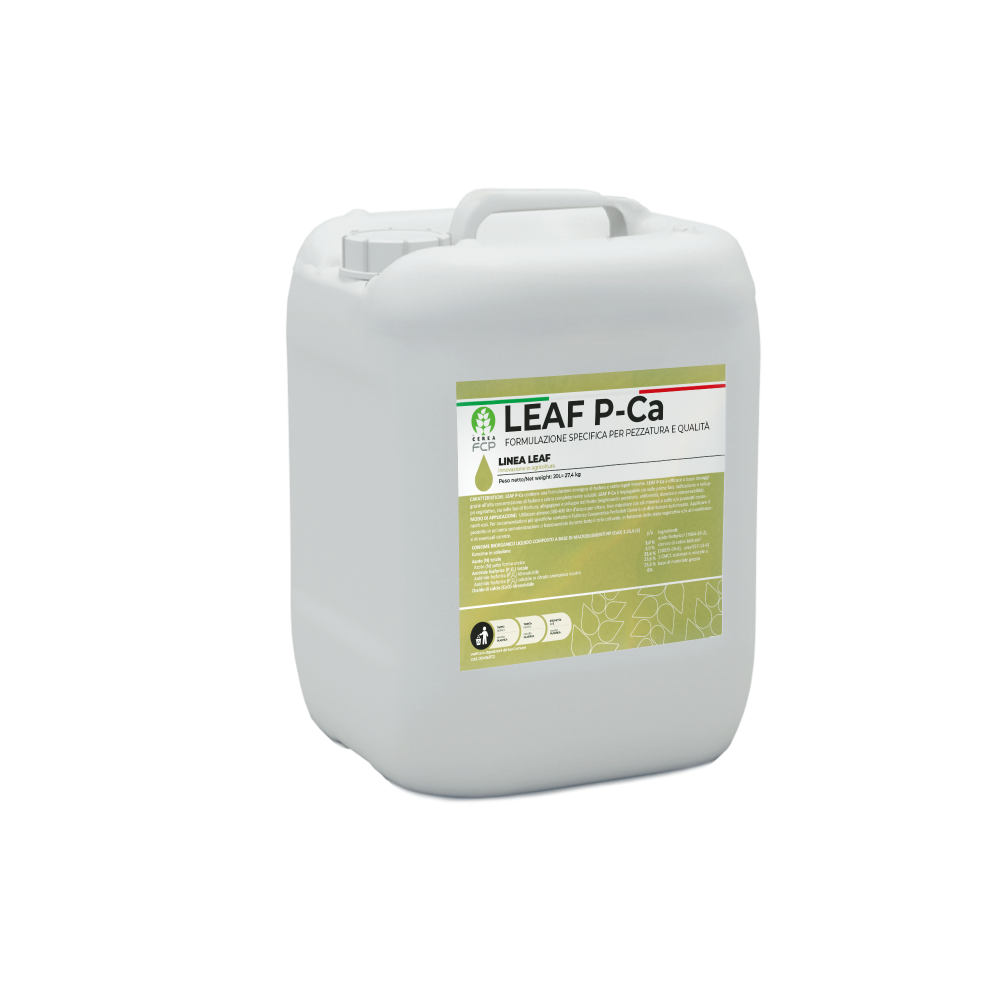



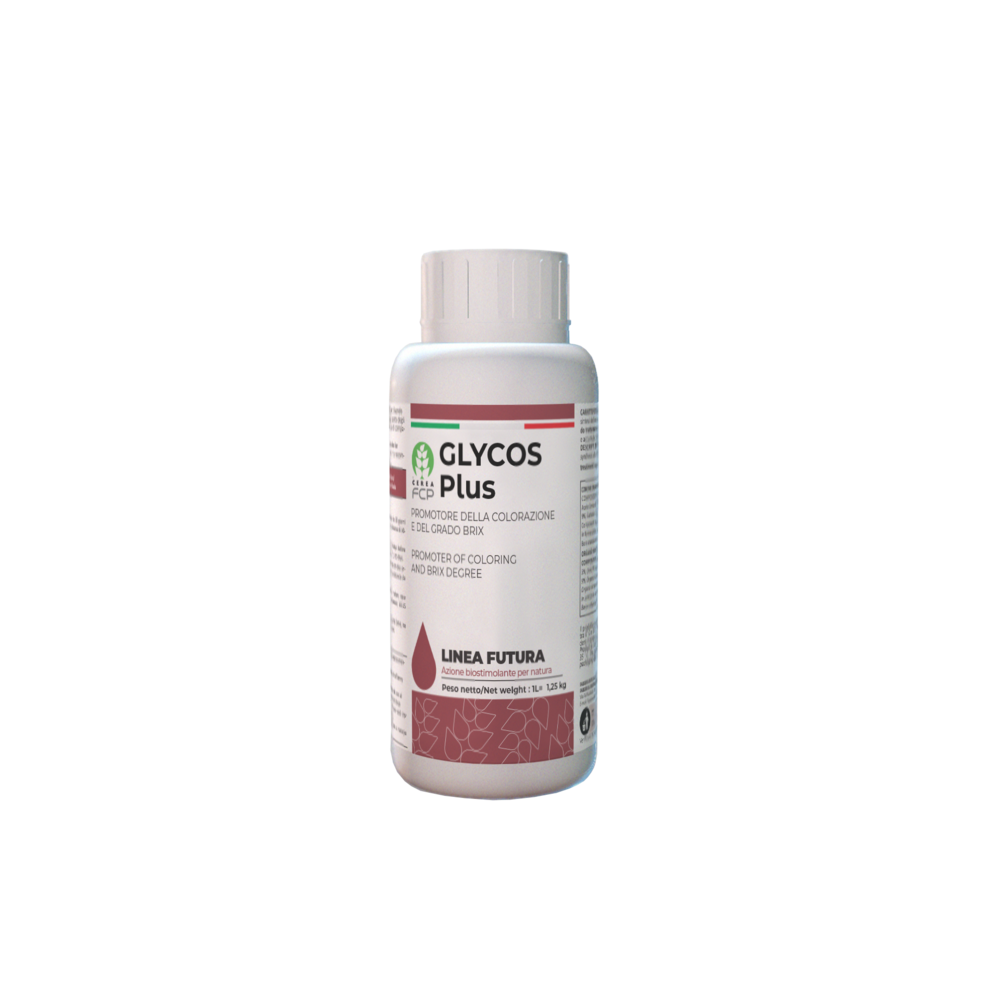


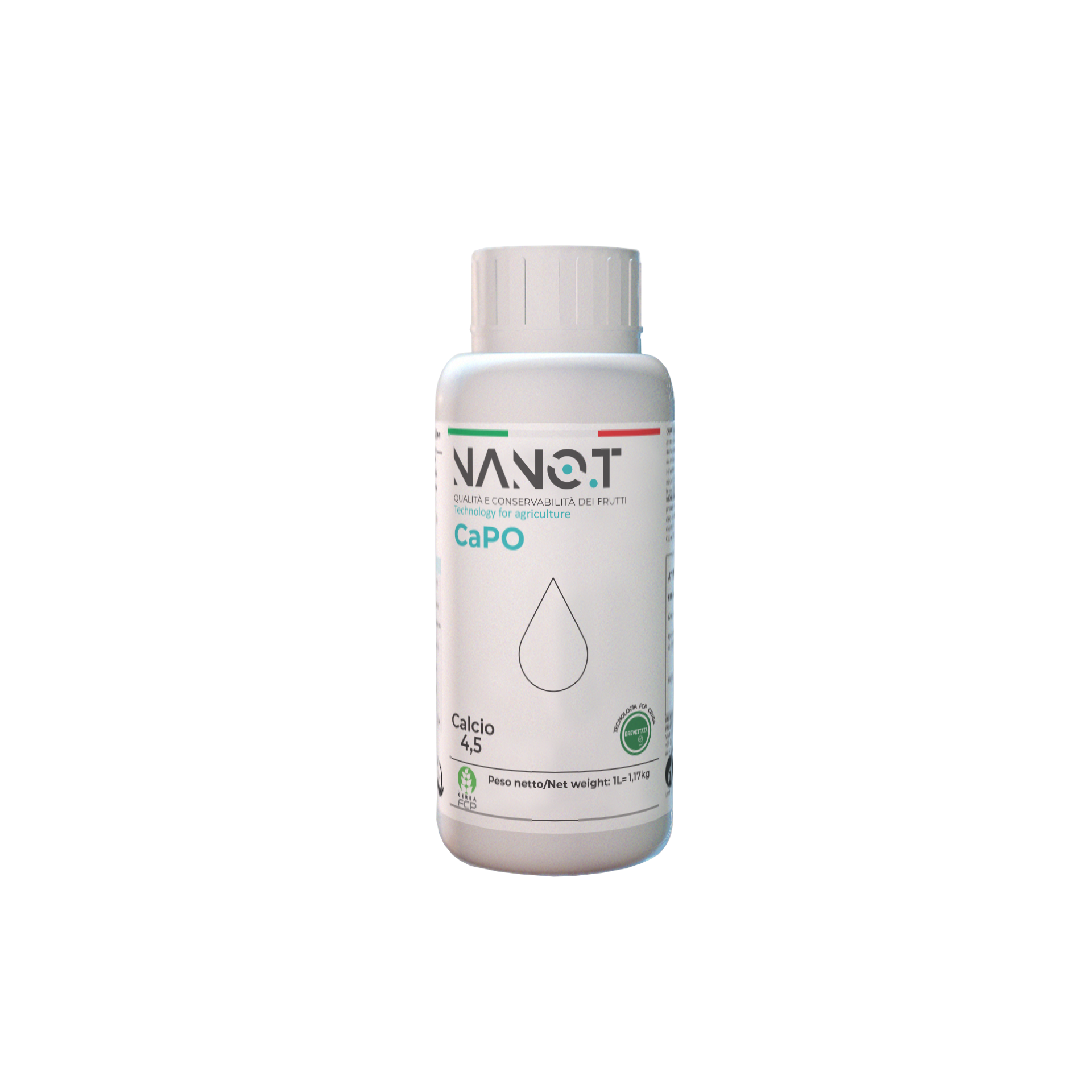
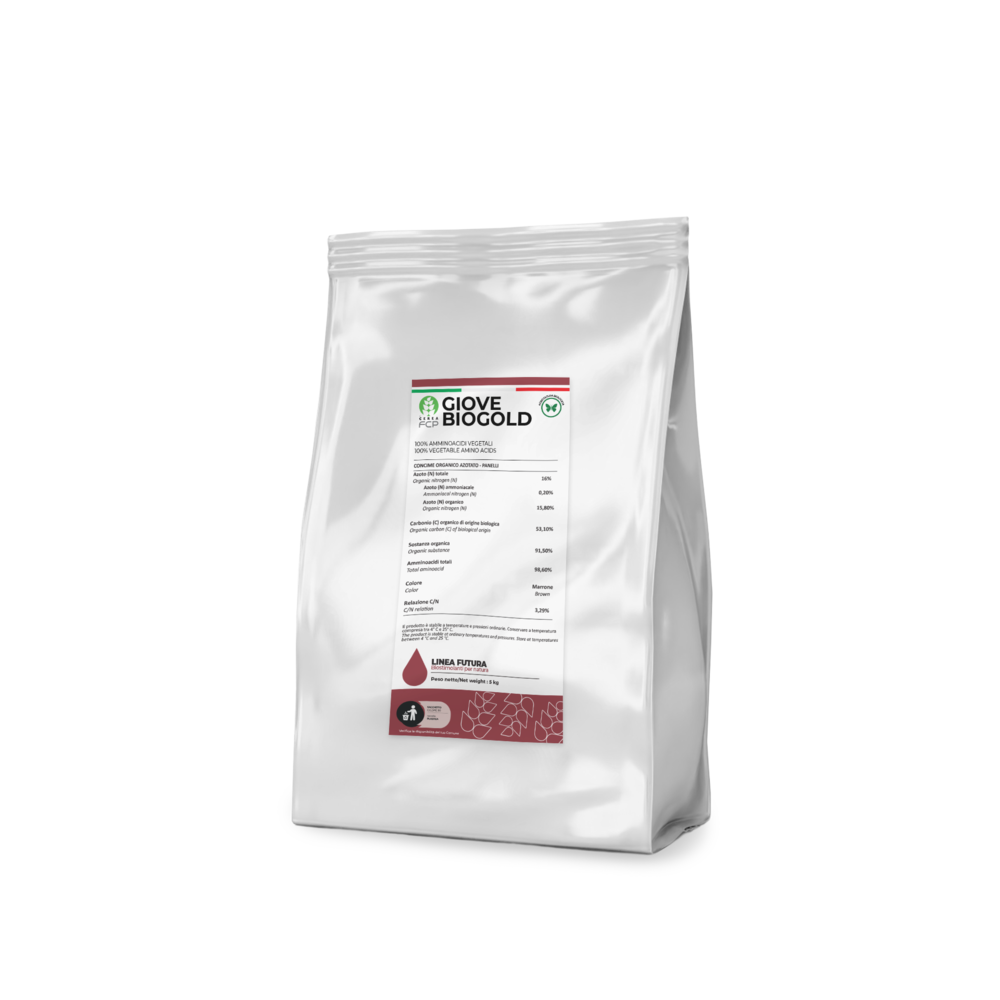
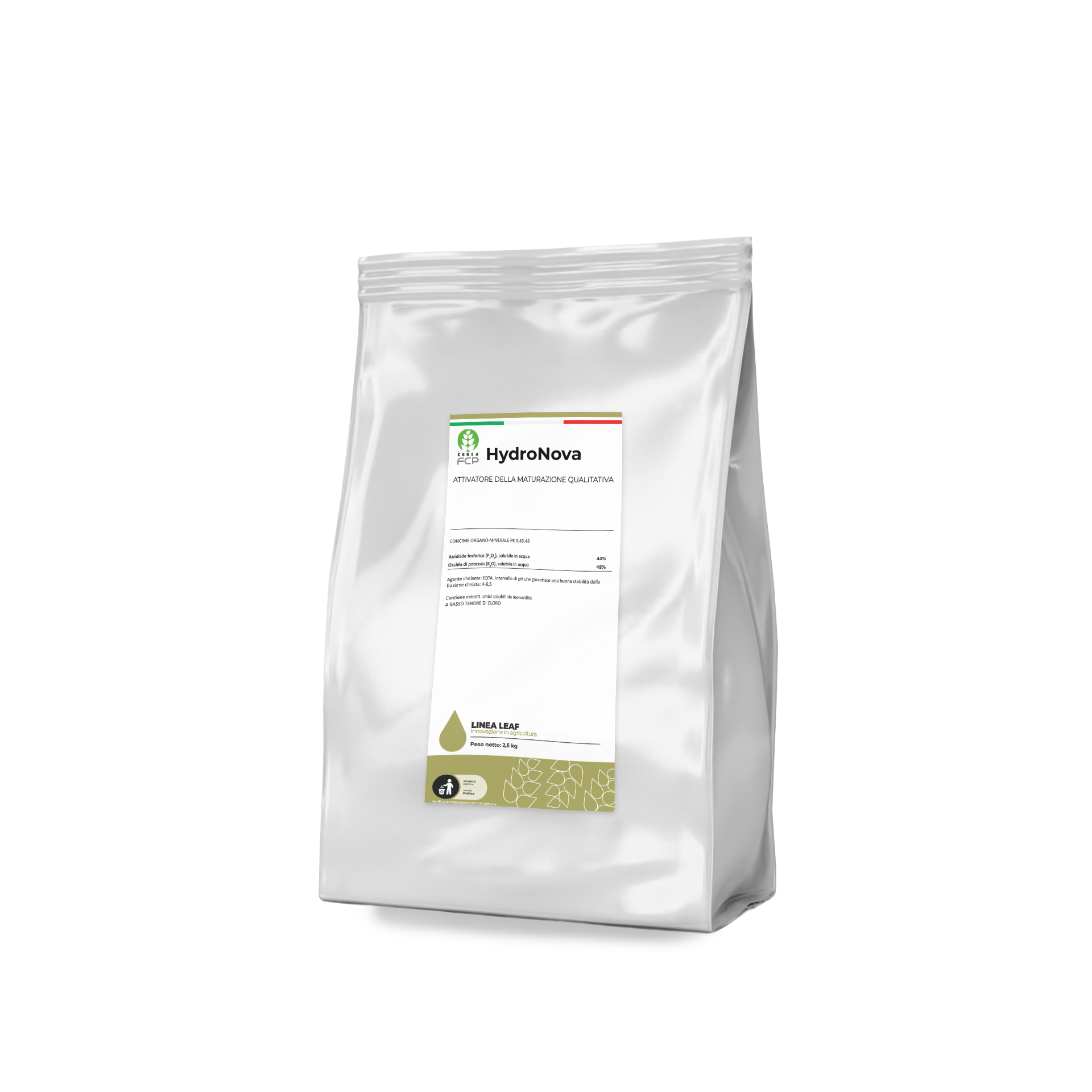
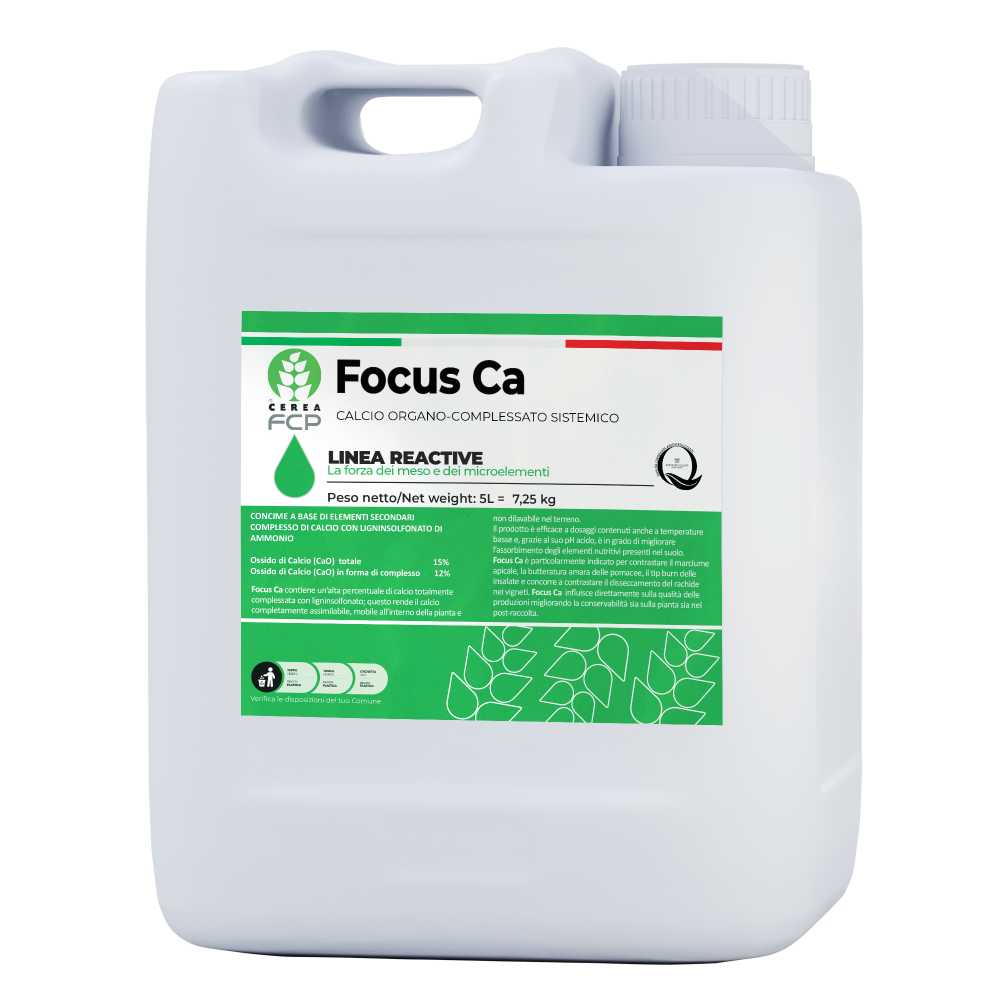
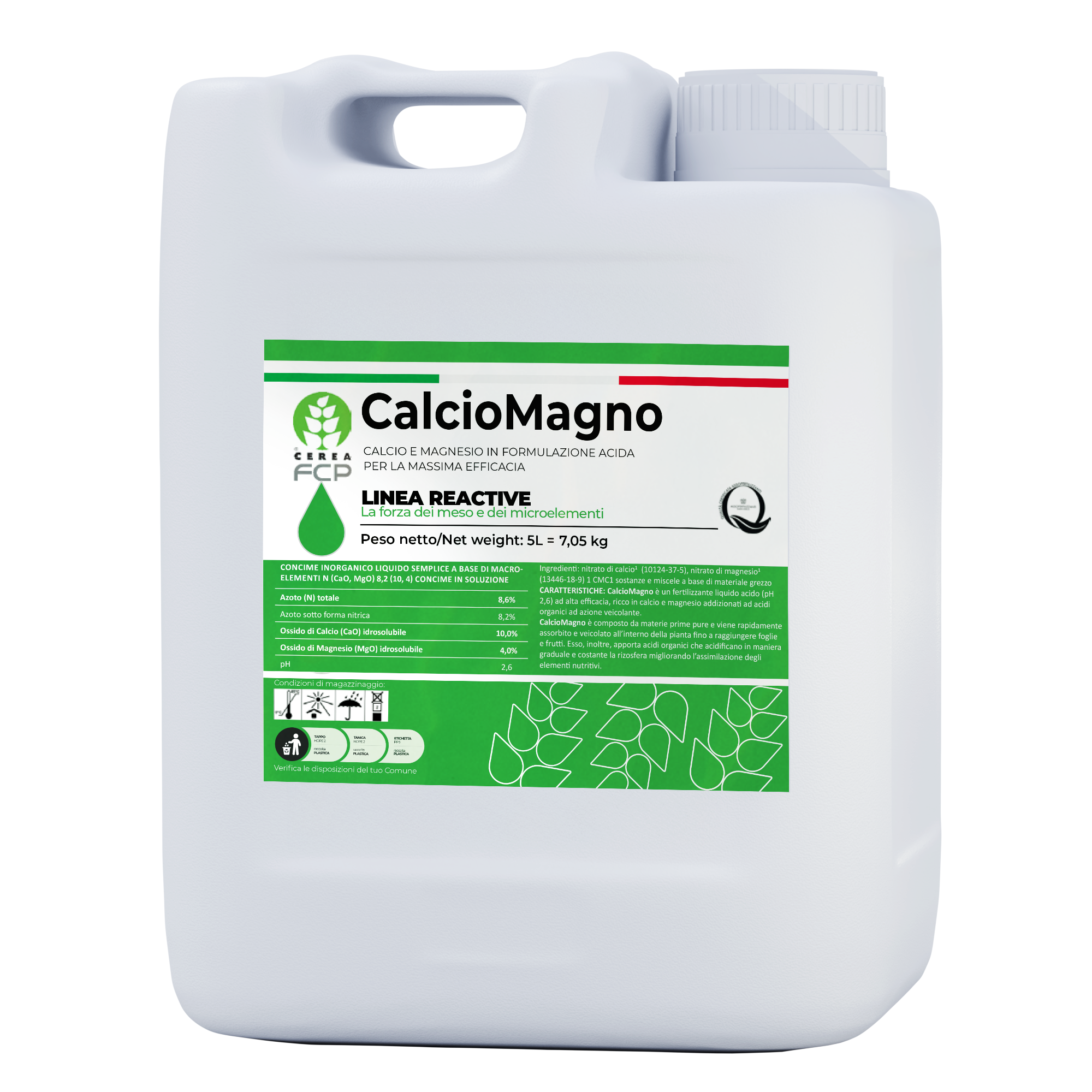



For problems of iron chlorosis, we recommend interventions with Nano.T Fe via the roots (or foliar). Dosage based on the soil's iron chlorosis index.
To strengthen the plant and make it more resistant to biotic and abiotic stress, we recommend using Nano.T Cu foliarly every 15 days from vegetative development onwards.
In saline, sodic, calcareous soils with an alkaline pH, add CALCITO at a dose of 10 l/ha every 25-30 days.
To create favorable environments for maintaining healthy leaves, shoots, and fruits, use Nano.T Total
PRODUCT POSITIONING BY PHENOLOGICAL PHASE - ORGANIC LINE
Products used in this phase





For iron chlorosis problems, we recommend applying Nano.T Fe BIO through the roots (or foliar). Dosage depends on the soil's iron chlorosis index.
To strengthen the plant and make it more resistant to biotic and abiotic stress, we recommend using Nano.T Cu BIO foliar application every 15 days from vegetative growth onwards.


Adaptability and agronomic characteristics of the apricot tree
From an agronomic perspective, the apricot tree is highly versatile in terms of cultivation, allowing it to be planted in both lowland and hilly areas, with various training systems adaptable to local conditions. Apricot cultivation offers greater yield stability than other stone fruits, but global warming in recent years has led to a tendency for phenological stages to become out of sync and a reduction in flowering. Flowering is, in fact, one of the most delicate stages and can also be compromised by spring frosts.
It is also important to carry out careful and timely fruit thinning: an excessive fruit load leads to poor-quality produce (small size, poor colour), compromising marketability. Particular attention must be paid to protection against fungi, insects and slugs/snails; it is therefore advisable to create environments conducive to keeping leaves, shoots and fruit healthy.
Need assistance?
Pay close attention to nitrogen levels and prefer products rich in phosphorus and calcium (such as Leaf P-Ca, Magnetical, Focus Ca). Osmoregulators like glycine betaine, betaine, and proline are useful for improving skin elasticity (e.g., Leaf K, Giove Bio Gold).
Use products containing amino acids that act as precursors of coloration and ripening (e.g., Glycos Plus). These allow the fruits to achieve full coloration without compromising their storability.
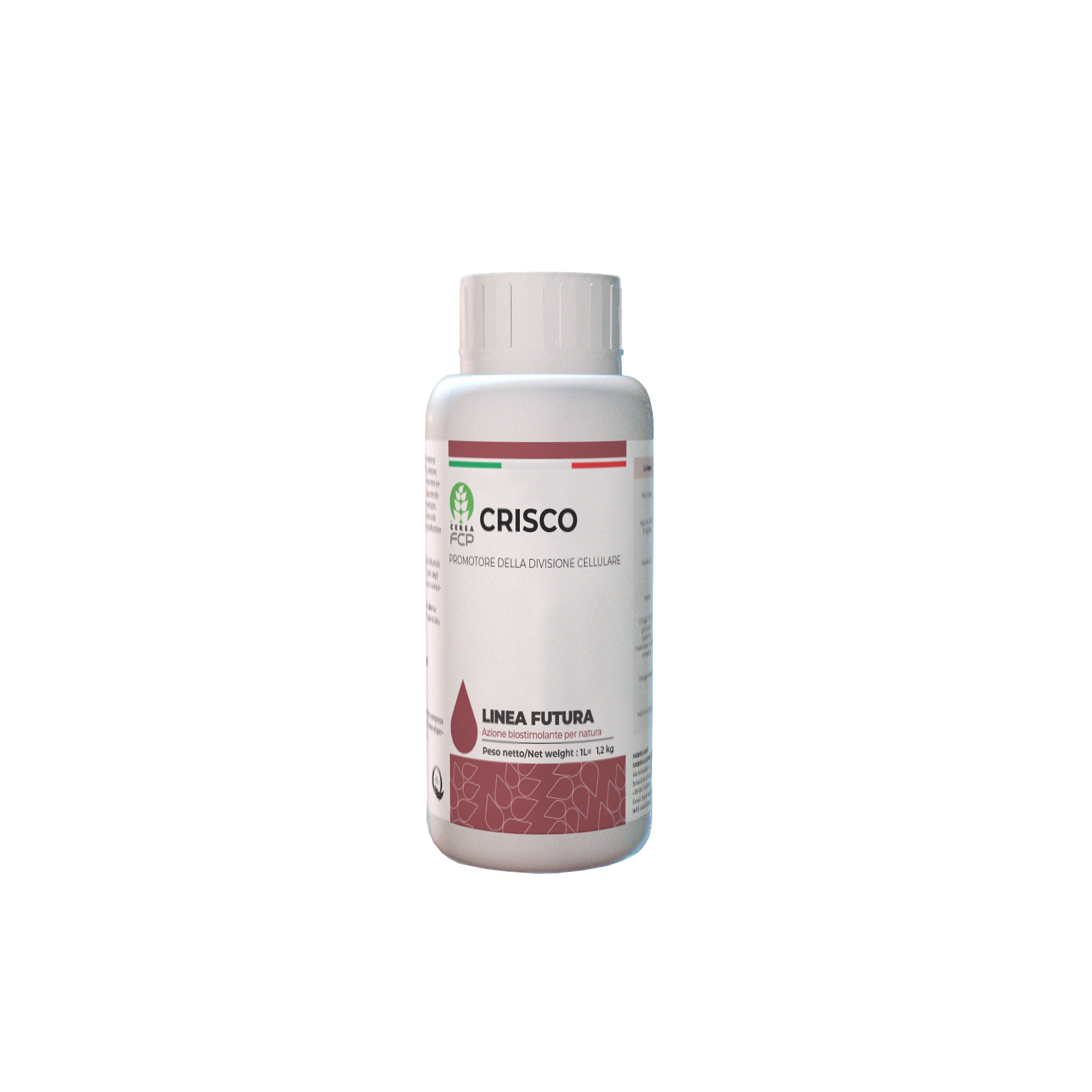
Use products containing cytokinins or with cytokinin-like activity to promote cell division, which is responsible for fruit size (e.g., Crisco).