


Artichoke Cultivation, Quality, and Nutrition
The artichoke (Cynara cardunculus subsp. scolymus) is a horticultural crop of considerable economic importance worldwide. Italy is the leading producer, followed by some North African countries and Spain. Cultivation is largely concentrated in the Mediterranean basin.
Nutritional advice for artichokes
A well-planned fertilization strategy must include basal fertilization as well as fertigation and foliar applications, because the crop requires abundant calcium and magnesium, as well as micronutrients such as iron, boron, zinc, and copper, in addition to macronutrients.
Iron deficiency is common and must be prevented with easily absorbed products. Calcium and phosphorus help strengthen plant tissues and cell walls, limiting lodging and improving shelf life.
A constant supply of products with an acidic pH and humic acids is recommended to support the crop throughout its entire cycle.
Below, you'll find the most effective strategy for proper artichoke fertilization.

PRODUCT POSITIONING BY PHENOLOGICAL PHASE - TRADITIONAL LINE
Products used in this phase








For problems of iron chlorosis, we recommend interventions with Nano.T Fe via the roots (or foliar). Dosage based on the soil's iron chlorosis index.
To strengthen the plant and make it more resistant to biotic and abiotic stress, we recommend using Nano.T Cu foliarly every 15 days from vegetative development onwards.
In saline, sodic, calcareous soils with an alkaline pH, add CALCITO at a dose of 10 l/ha every 25-30 days.
To create favorable environments for maintaining healthy leaves, shoots, and fruits, use Nano.T Total and A-Myco
To create favorable environments for healthy root systems, use Mycovix.
PRODUCT POSITIONING BY PHENOLOGICAL PHASE - ORGANIC LINE
Products used in this phase

For iron chlorosis problems, we recommend applying Nano.T Fe BIO through the roots (or foliar). Dosage depends on the soil's iron chlorosis index.
To strengthen the plant and make it more resistant to biotic and abiotic stress, we recommend using Nano.T Cu BIO foliar application every 15 days from vegetative growth onwards.
To create favorable environments for maintaining healthy leaves, shoots, and fruits, use A-Myco
To create favorable environments for healthy root systems, use Mycovix.


Artichoke Growing Conditions and Critical Issues
The artichoke is a perennial plant that prefers temperate climates with mild winters and is highly valued nutritionally for its richness in fiber, antioxidants, and vitamins. This product is typical of the so-called "Mediterranean diet," which is attracting growing interest worldwide.
Need assistance?
Artichoke atrophy is caused by excessively high temperatures (artichokes prefer cold), sudden temperature swings, and—most importantly—excessive or overly frequent doses of plant hormones (gibberellic acid). Calcium also plays a fundamental role in thickening and strengthening the stem. It is recommended to combine calcium with plant hormones and use products that reinforce cell walls (Leaf P-Ca, Magnetical, Focus Ca).
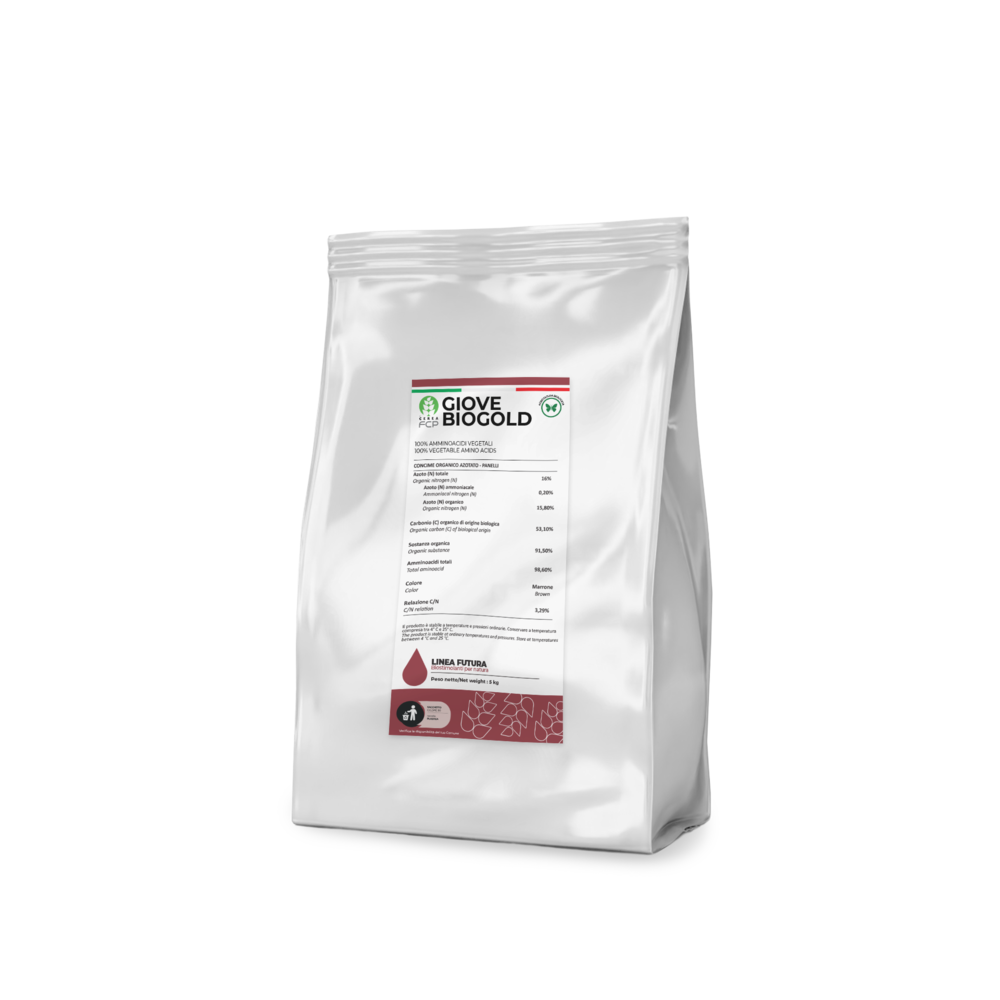
The post-transplant phase is critical because it ensures a strong foundation for the plant. A well-developed and receptive root system allows the crop to be pushed and managed later without problems such as “stretching” of plants and heads. Therefore, during the first month after transplanting, it is best to focus exclusively on the root system using products that promote root establishment and capillary development (Hydrostar, Supremo, Naturblack, Giove Bio Gold).
After harvesting the main (central) head, it is important to stimulate the plant to produce as many quality secondary heads (side shoots) as possible. The use of stimulating products (natural or synthetic) can help, but they should always be used carefully. Products rich in free amino acids (Giove Bio Gold), humic and fulvic acids (Naturblack), and cytokinine-like products (Crisco) support this process while also providing anti-stress effects, especially under less-than-ideal temperatures or temperature fluctuations.