



Cultivation, Quality, and Nutrition of Asparagus
Asparagus is one of the most economically valuable horticultural crops globally, with a market expected to grow significantly in the coming years. China is the leading producer and exporter, followed by Peru. In Europe, the leading producer is Germany.
Nutritional Tips for Asparagus
Asparagus requires greater stored reserves than it actually uses, and fertilization must be planned carefully to optimize absorption.
In any case, in addition to macronutrients, it may be appropriate to stimulate the root system with amino acid-based products and provide iron and magnesium to stimulate photosynthesis. Asparagus also has moderate but specific requirements for boron to prevent shoot desiccation.
Finally, calcium remains an important element for improving the texture of the product.
Below you'll find the most effective strategies for properly fertilizing ASPARAGUS.

PRODUCT POSITIONING BY PHENOLOGICAL PHASE - TRADITIONAL LINE
Products used in this phase


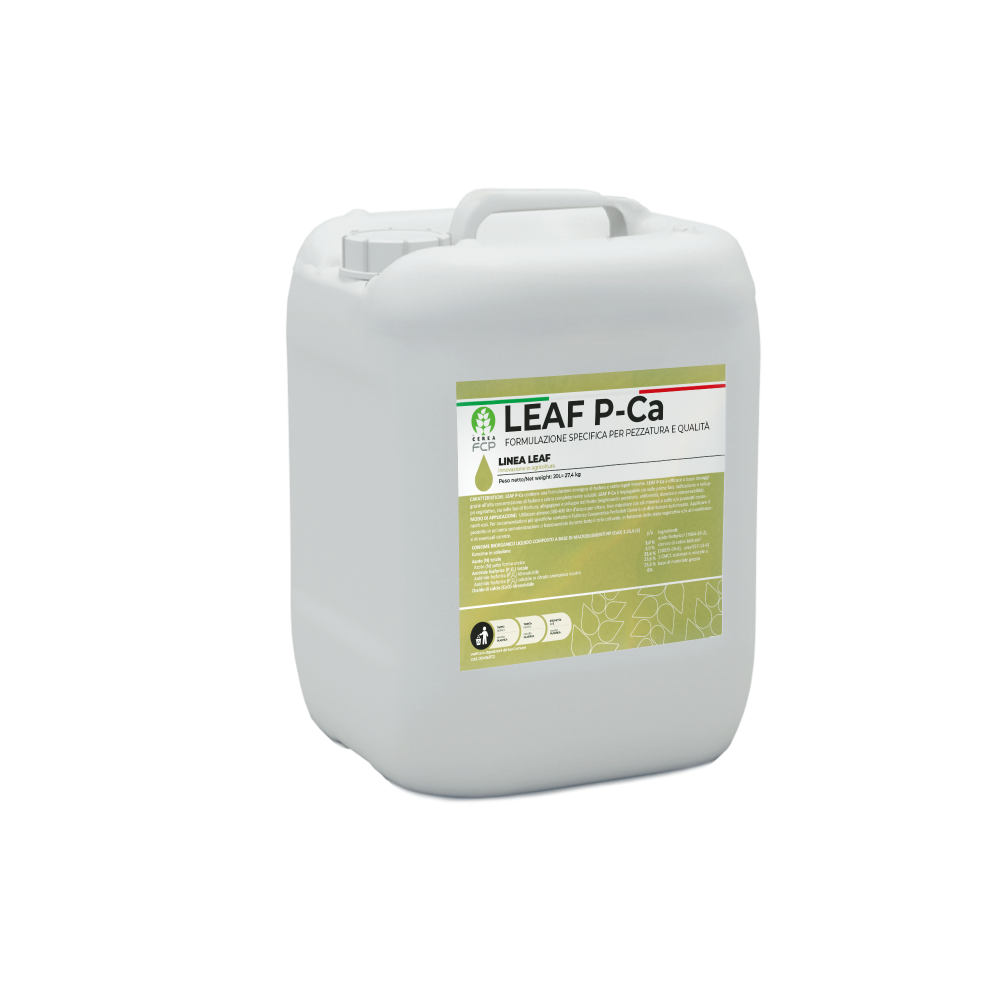
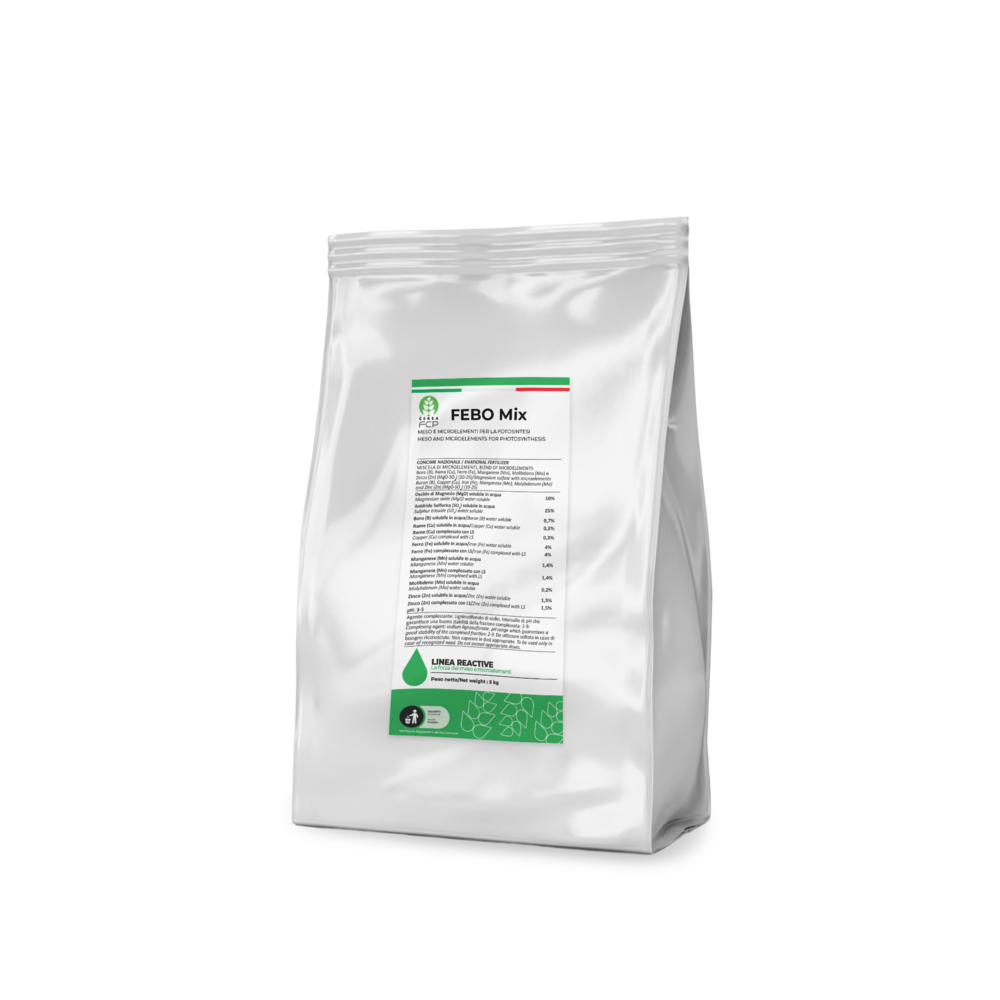
For problems of iron chlorosis, we recommend interventions with Nano.T Fe via the roots (or foliar). Dosage based on the soil's iron chlorosis index.
To strengthen the plant and make it more resistant to biotic and abiotic stress, we recommend using Nano.T Cu foliarly every 15 days from vegetative development onwards.
In saline, sodic, calcareous soils with an alkaline pH, add CALCITO at a dose of 10 l/ha every 25-30 days.
To create favorable environments for maintaining healthy leaves, shoots, and fruits, use Nano.T Total and A-Myco
To create favorable environments for healthy root systems, use Mycovix.
PRODUCT POSITIONING BY PHENOLOGICAL PHASE - ORGANIC LINE
Products used in this phase

For iron chlorosis problems, we recommend applying Nano.T Fe BIO through the roots (or foliar). Dosage depends on the soil's iron chlorosis index.
To strengthen the plant and make it more resistant to biotic and abiotic stress, we recommend using Nano.T Cu BIO foliar application every 15 days from vegetative growth onwards.
To create favorable environments for maintaining healthy leaves, shoots, and fruits, use A-Myco
To create favorable environments for healthy root systems, use Mycovix.

Asparagus Growing Conditions and Critical Issues
Asparagus can provide good yields for over a decade and is fairly tolerant to drought and temperature fluctuations. Furthermore, nutritionally, it is rich in fiber, vitamins A and C, antioxidants, and minerals, but low in calories. This last aspect is driving its growth on the global market, where it can be sold fresh, frozen, canned, or processed.
Particular attention must be paid to protection from fungi, insects, and snails/slugs, so it is important to create favorable environments to maintain healthy leaves, shoots, and fruit.
Need assistance?
Asparagus should be cared for immediately after harvest to prepare for the next season and replenish root nutrient reserves. Well-nourished plants produce larger spears. Begin fertigation immediately and continue until September, applying nutrients fractionally (“small but frequent”).
Asparagus is nutrient-demanding and appreciates organic matter. Granular organo-mineral fertilizers rich in quality organic matter and humic acids are recommended to ensure full assimilation and availability of nutrients (e.g., Jolly, Vinfrutto Star).
Bright, well-colored asparagus enhances market value. To obtain intensely green spears, ensure plants have sufficient iron and magnesium. Summer fertigation (June–September) should include products rich in these nutrients, applied fractionally throughout the season (e.g., Nano.T Fe, Nano.T Fe Bio, Febo Mix).