



Cultivation and Fertilization of the Cherry Tree
Cherries rank among the fruits with the highest average market price, due to their limited seasonality and consistently strong demand both nationally and internationally.
The cherry tree (Prunus avium) can adapt to a variety of conditions, excluding only areas subject to severe spring frosts or poorly drained soils, although temperate climates remain the most suitable growing environments.
Cherry cultivation also allows for the production of jams, juices, candied fruits, and liqueur-based products (such as sour cherries), thus expanding the crop’s profitability beyond the sale of fresh fruit.
Nutritional Advice for the Cherry Tree
For balanced vegetative growth up to flowering, it is important to supply nitrogen in split applications to avoid excesses, which can lead to diseases and trigger yield alternation. Phosphorus and potassium are also essential to support flowering and fruit set.
Targeted foliar treatments with micronutrients are useful to support fruit development. In particular, products rich in biologically active substances (such as certain seaweed extracts) can promote cell division, leading to larger fruit size.
Follow our recommendations to achieve higher and more uniform yields, minimize alternate bearing, and produce fruits with good organoleptic qualities and excellent storability.

PRODUCT POSITIONING BY PHENOLOGICAL PHASE - TRADITIONAL LINE
Products used in this phase


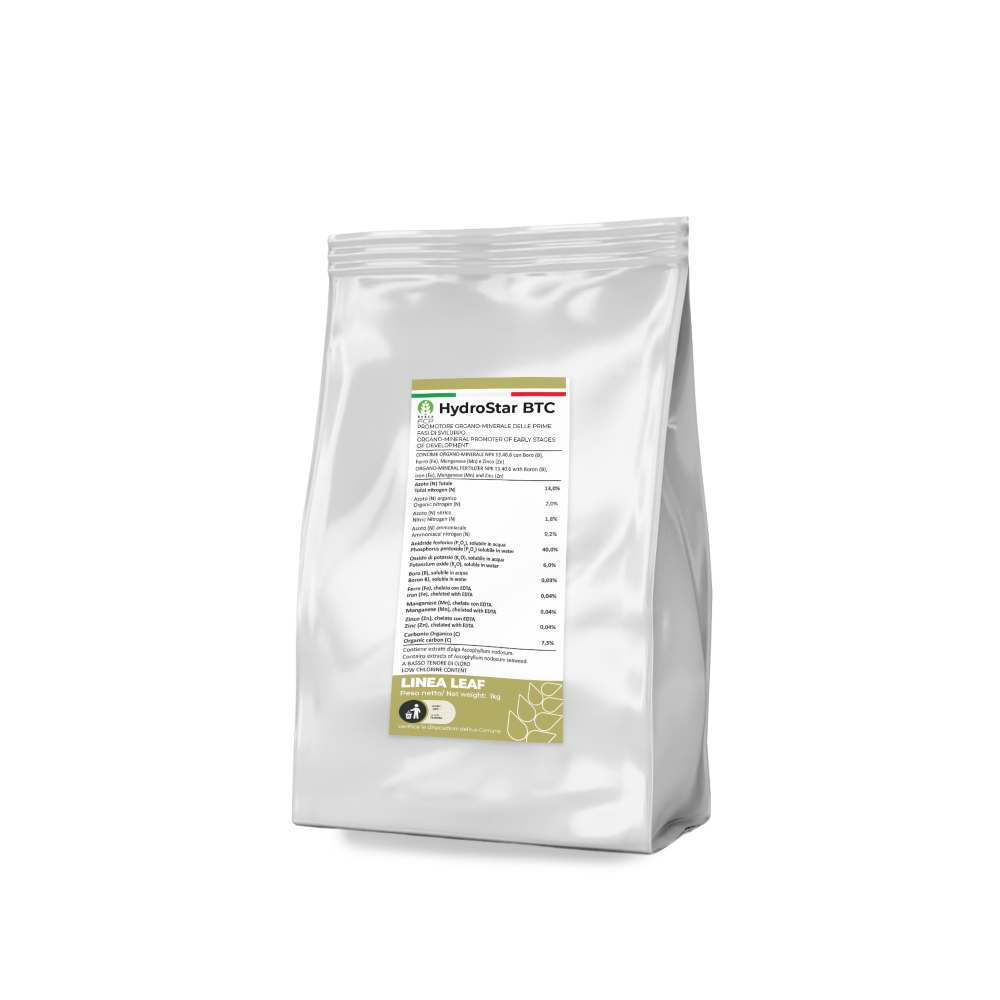







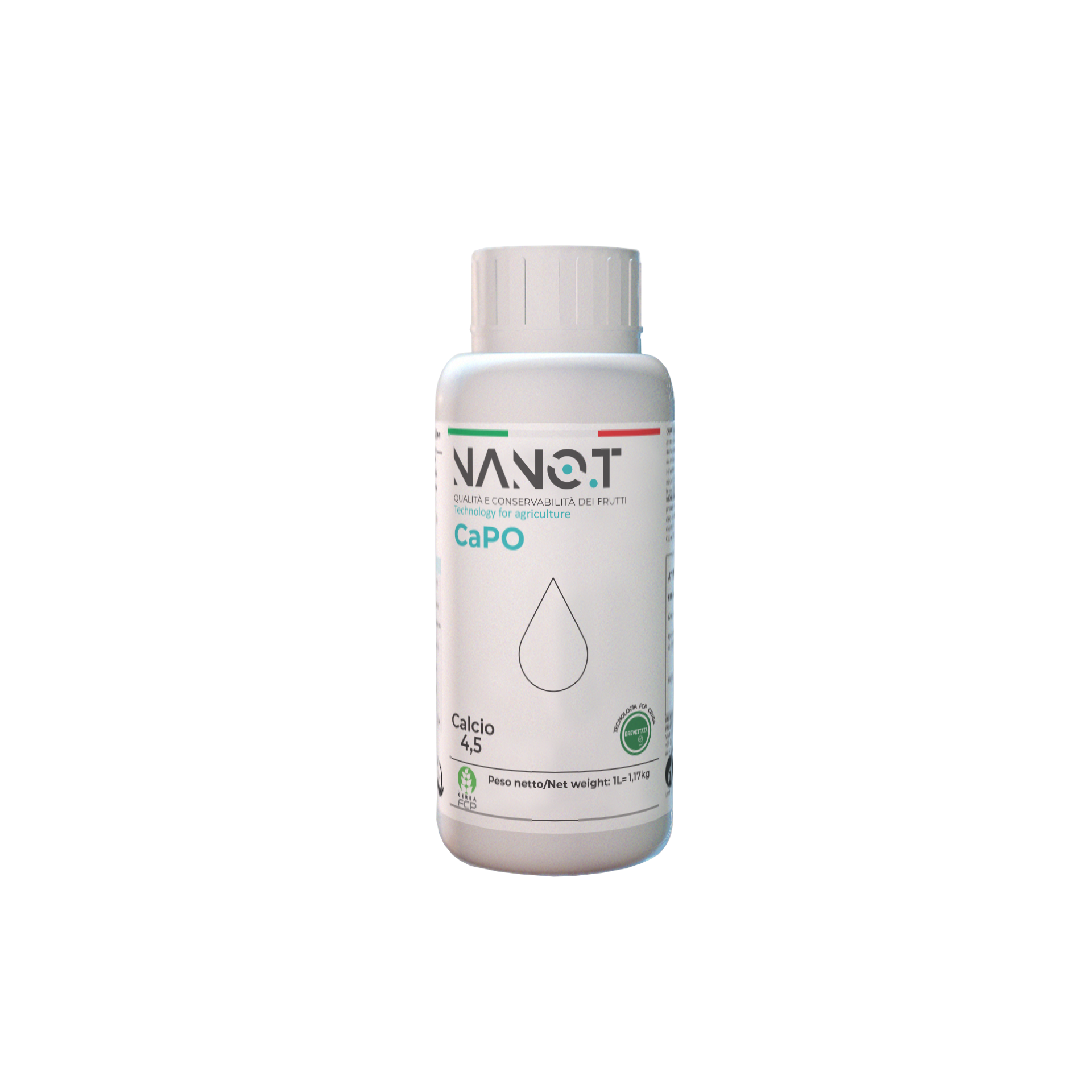
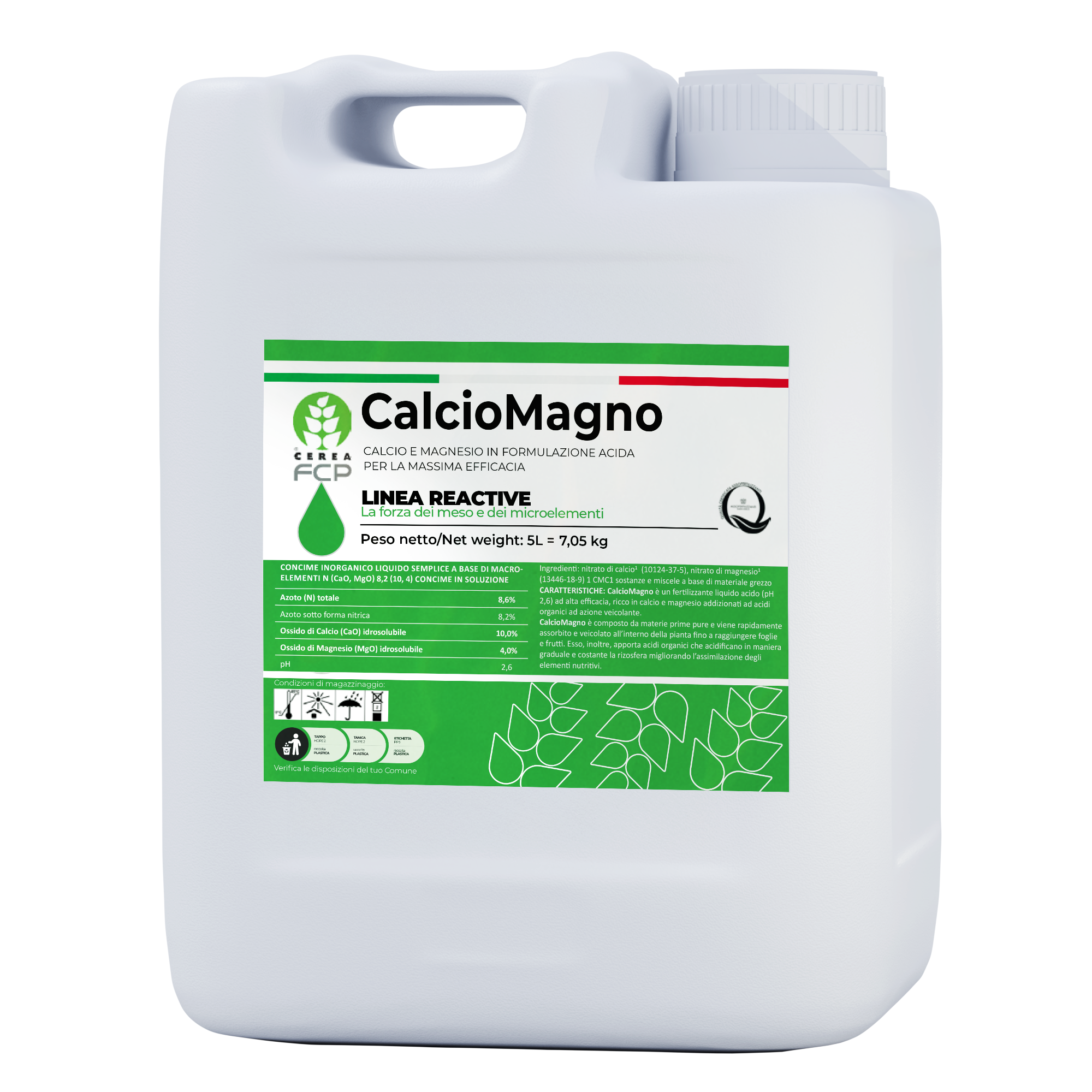

For problems of iron chlorosis, we recommend interventions with Nano.T Fe via the roots (or foliar). Dosage based on the soil's iron chlorosis index.
To strengthen the plant and make it more resistant to biotic and abiotic stress, we recommend using Nano.T Cu foliarly every 15 days from vegetative development onwards.
In saline, sodic, calcareous soils with an alkaline pH, add CALCITO at a dose of 10 l/ha every 25-30 days.
To create favorable environments for maintaining healthy leaves, shoots, and fruits, use Nano.T Total
PRODUCT POSITIONING BY PHENOLOGICAL PHASE - ORGANIC LINE
Products used in this phase



For iron chlorosis problems, we recommend applying Nano.T Fe BIO through the roots (or foliar). Dosage depends on the soil's iron chlorosis index.
To strengthen the plant and make it more resistant to biotic and abiotic stress, we recommend using Nano.T Cu BIO foliar application every 15 days from vegetative growth onwards.
Main Challenges in Cherry Cultivation
One of the main challenges is the phenomenon of cracking (splitting of cherries), which significantly reduces the commercial value of the fruit and lowers marketable yields. Cherries also have a relatively short shelf life, requiring a fast and efficient post-harvest supply chain with appropriate refrigeration technologies.
Need assistance?
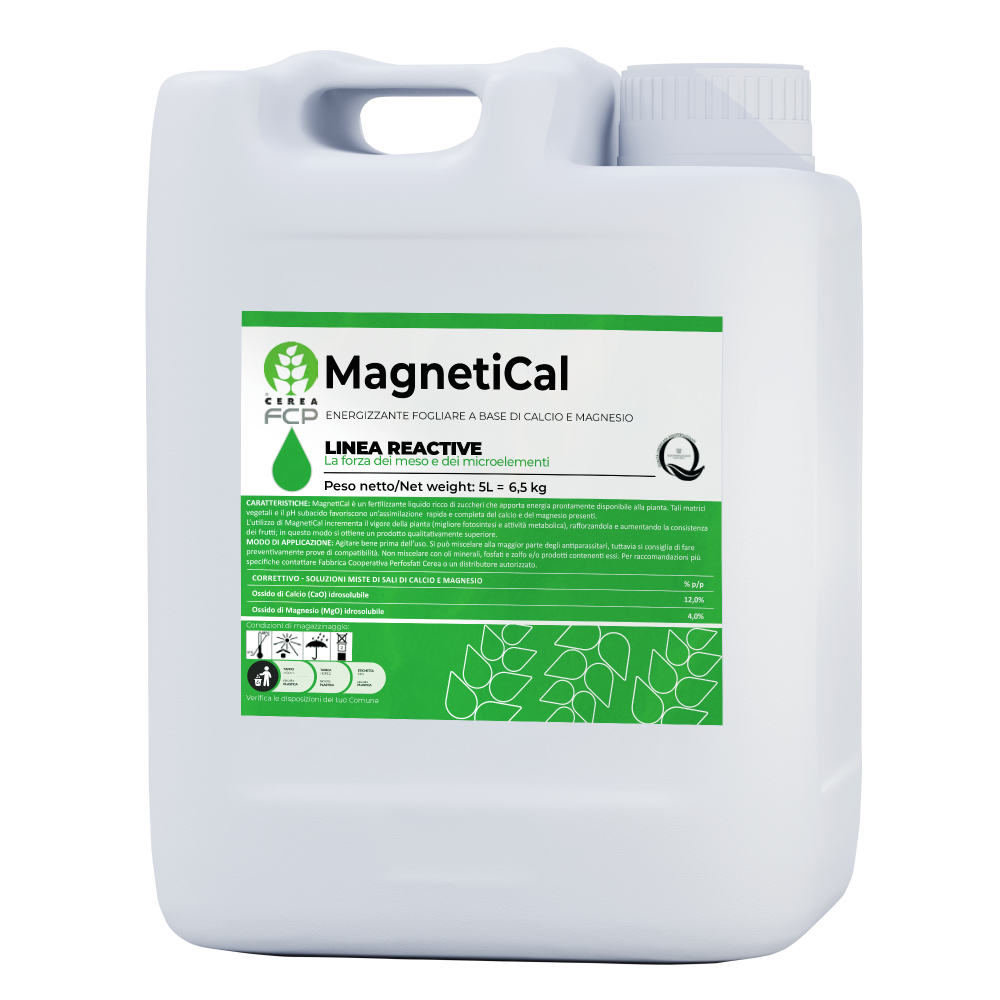
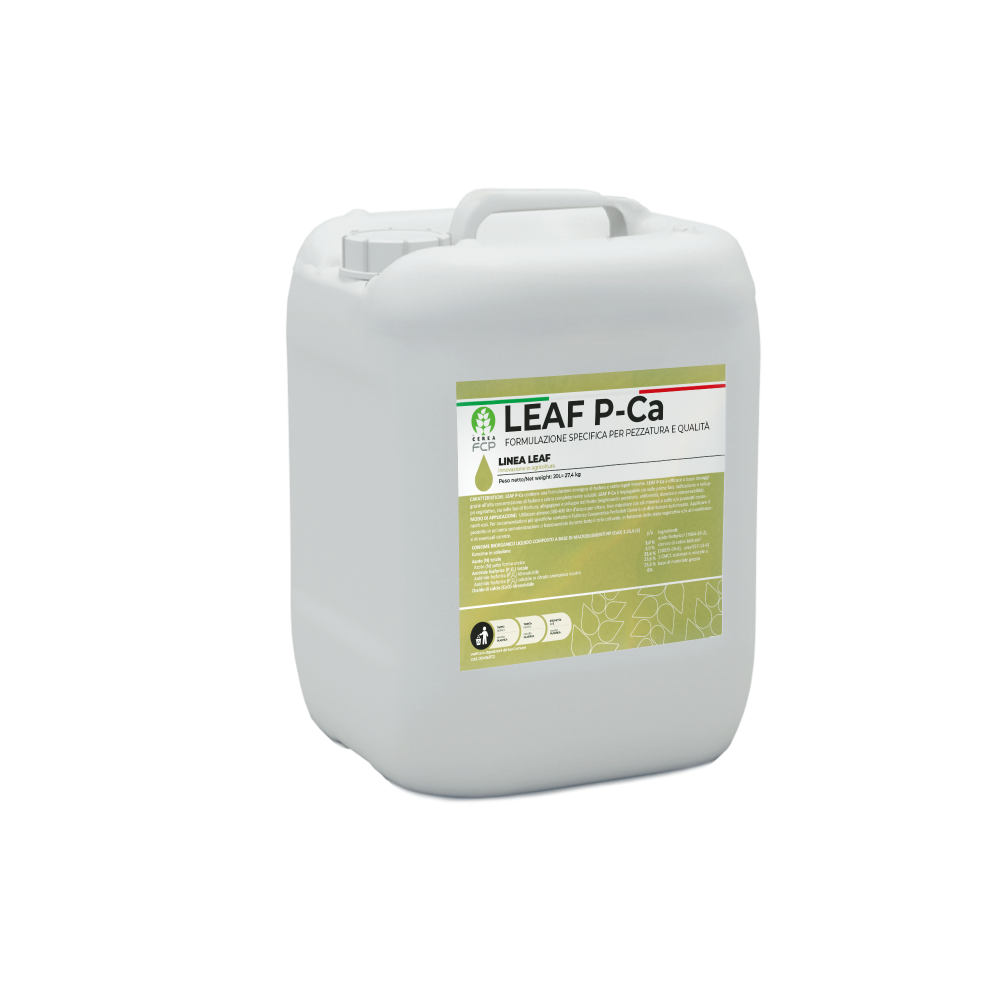
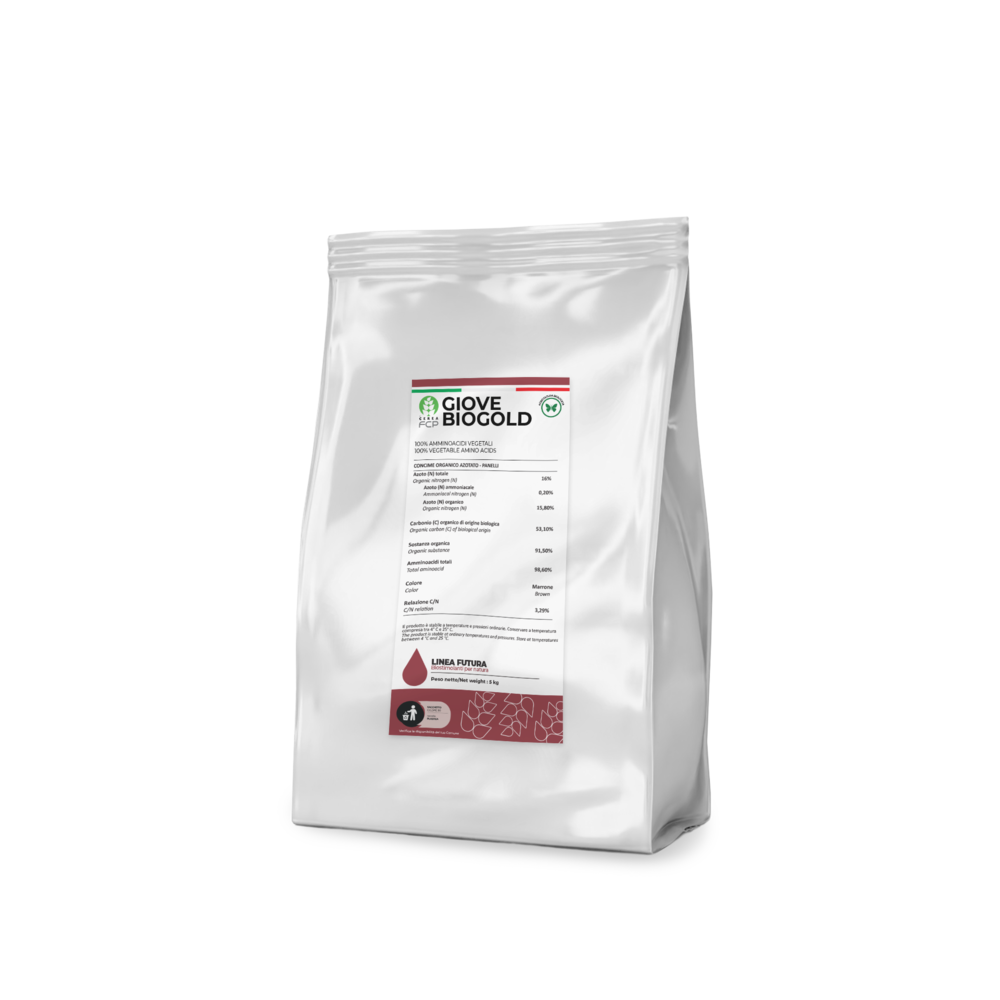
Pay close attention to nitrogen levels and prefer products rich in phosphorus and calcium (e.g., Leaf P-Ca, Magnetical, Focus Ca). Osmoregulators such as glycine betaine, betaine, and proline are useful for improving skin elasticity (Leaf K, Giove Bio Gold).
Use products containing amino acids that act as precursors for coloration and ripening (e.g., Glycos Plus). These help achieve fully colored fruits without compromising their storability.
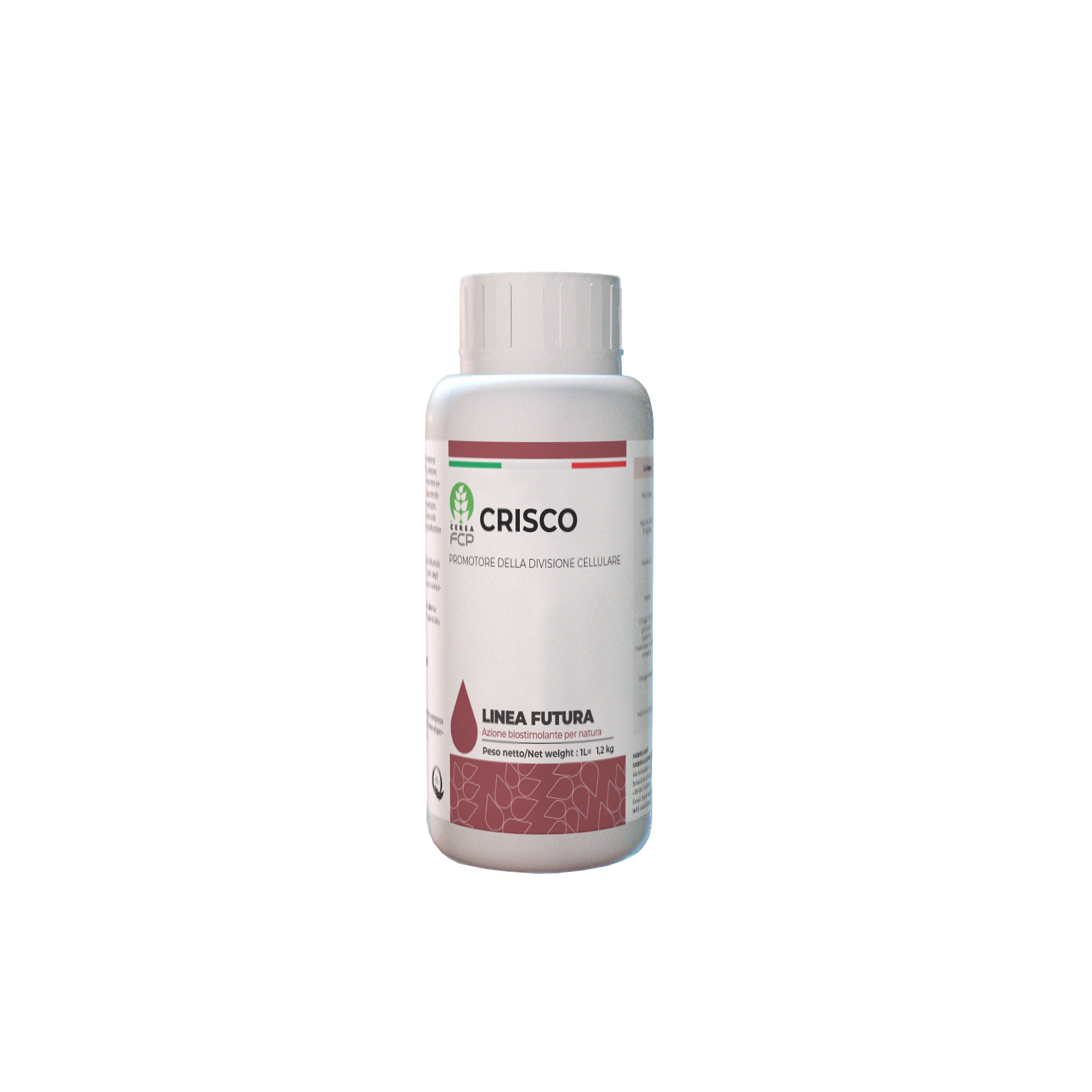
Use products containing cytokinins or with cytokinin-like activity to promote cell division, which determines fruit size (e.g., Crisco).