


China dominates the global melon market, contributing nearly 50% of total production, followed by Turkey and India. Italy is also a major producer, with mostly open-field cultivation throughout the country, featuring different types such as netted, smooth, yellow, and winter melons.
Italian melons are highly regarded in European and international markets due to their superior organoleptic qualities.
Common challenges include fungal diseases, other pathogens, and sunburn of the rind, which can promote rot and require discarding affected fruits.
Nutritional advice for melon
- Post-transplant phase: Promote root establishment and limit negative effects from adverse climate conditions, such as temperature fluctuations or drought periods.
- Flowering and fruit set: Stimulate the plant with seaweed extracts, microelements, and plant-based amino acids to maximize yields.
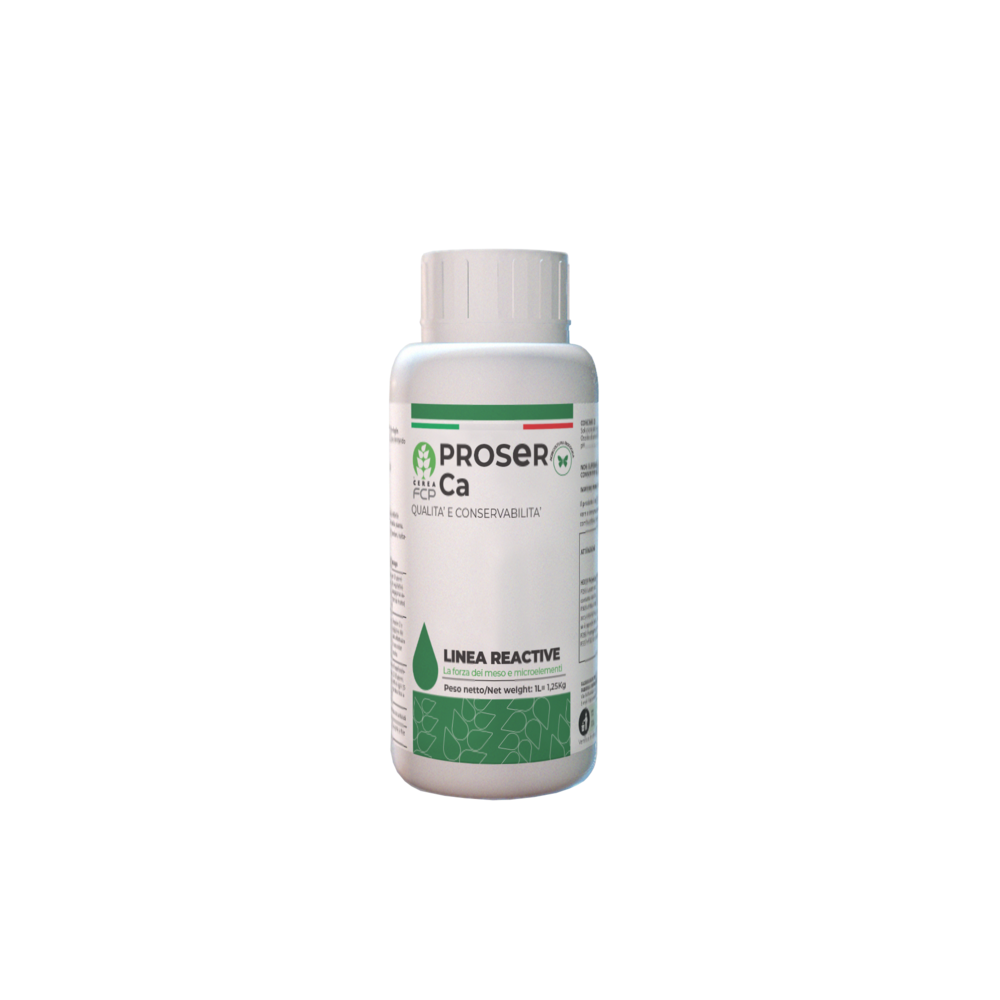
- Calcium and phosphorus: Strengthen plant tissues and cell walls, reducing cracking and improving shelf life. Using products with beneficial microbial pools helps regenerate exhausted soils and combat pathogens.
- Potassium: Supplied in the correct form (without nitrogen) it is essential for producing fruits with high sugar content.
Below are the most effective strategies for proper melon fertilization.

PRODUCT POSITIONING BY PHENOLOGICAL PHASE - TRADITIONAL LINE


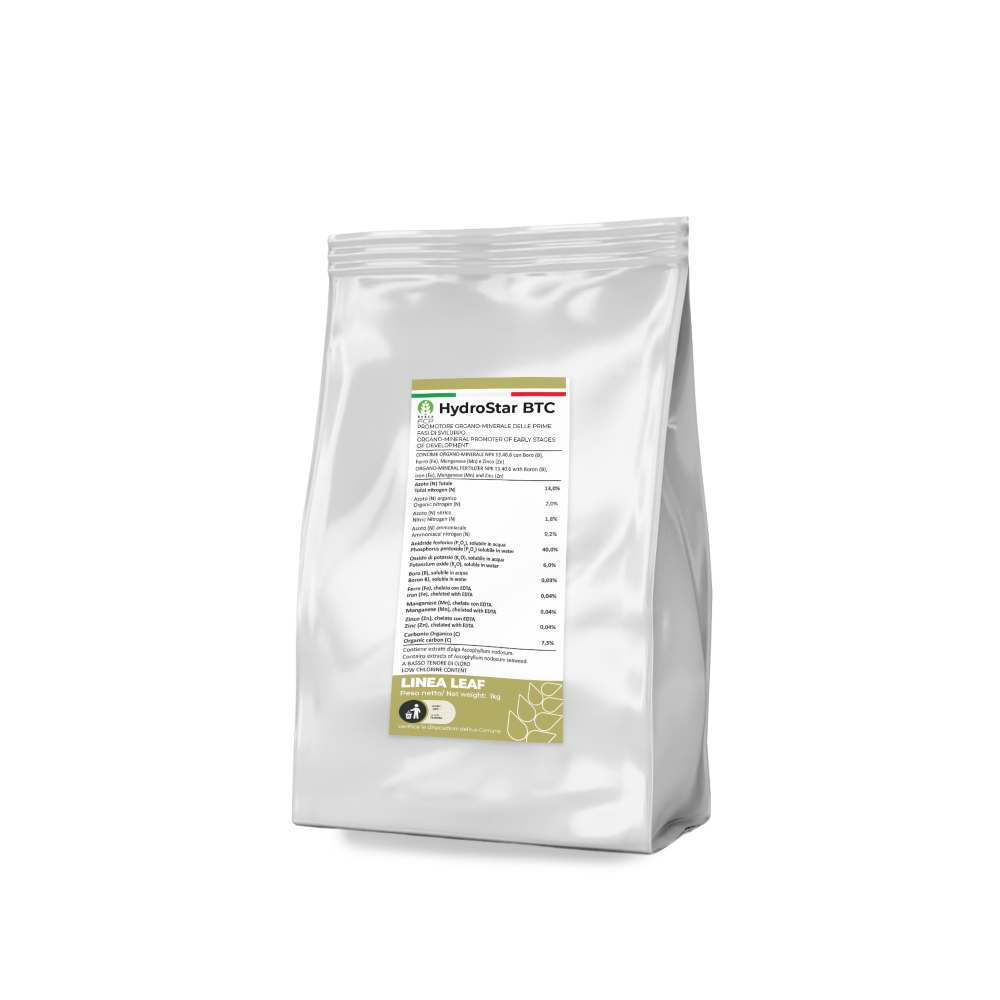






For problems of iron chlorosis, we recommend interventions with Nano.T Fe via the roots (or foliar). Dosage based on the soil's iron chlorosis index.
To strengthen the plant and make it more resistant to biotic and abiotic stress, we recommend using Nano.T Cu foliarly every 15 days from vegetative development onwards.
In saline, sodic, calcareous soils with an alkaline pH, add CALCITO at a dose of 10 l/ha every 25-30 days.
To create favorable environments for maintaining healthy leaves, shoots, and fruits, use Nano.T Total and A-Myco
To create favorable environments for healthy root systems, use Mycovix.
PRODUCT POSITIONING BY PHENOLOGICAL PHASE - ORGANIC LINE


For iron chlorosis problems, we recommend applying Nano.T Fe BIO through the roots (or foliar). Dosage depends on the soil's iron chlorosis index.
To strengthen the plant and make it more resistant to biotic and abiotic stress, we recommend using Nano.T Cu BIO foliar application every 15 days from vegetative growth onwards.
To create favorable environments for maintaining healthy leaves, shoots, and fruits, use A-Myco
To create favorable environments for healthy root systems, use Mycovix.

Need assistance?
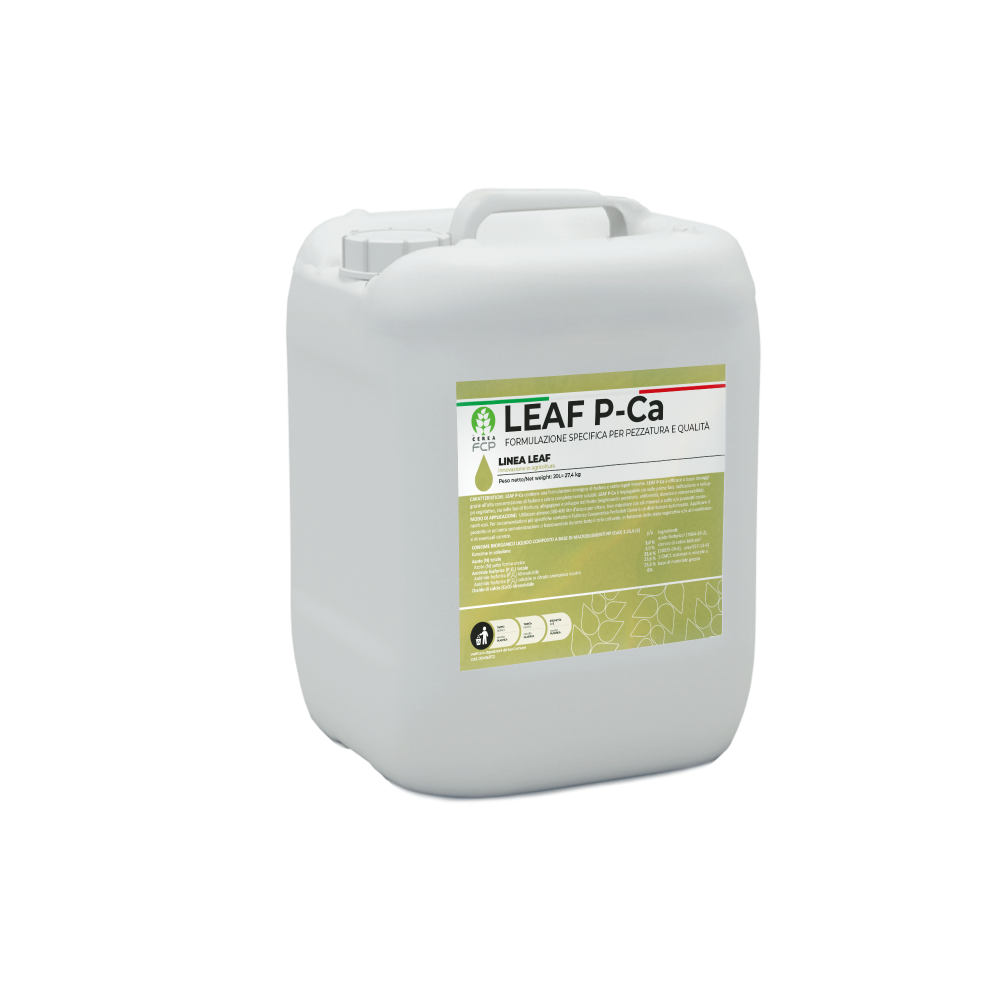
Irrigation management is fundamental to preventing fruit cracking. Nutrients such as phosphorus and calcium (Leaf P-Ca) strengthen cell tissues and help fortify the fruit. Products containing glycine betaine, betaine, and proline also help maintain water balance within the fruit (Leaf K).
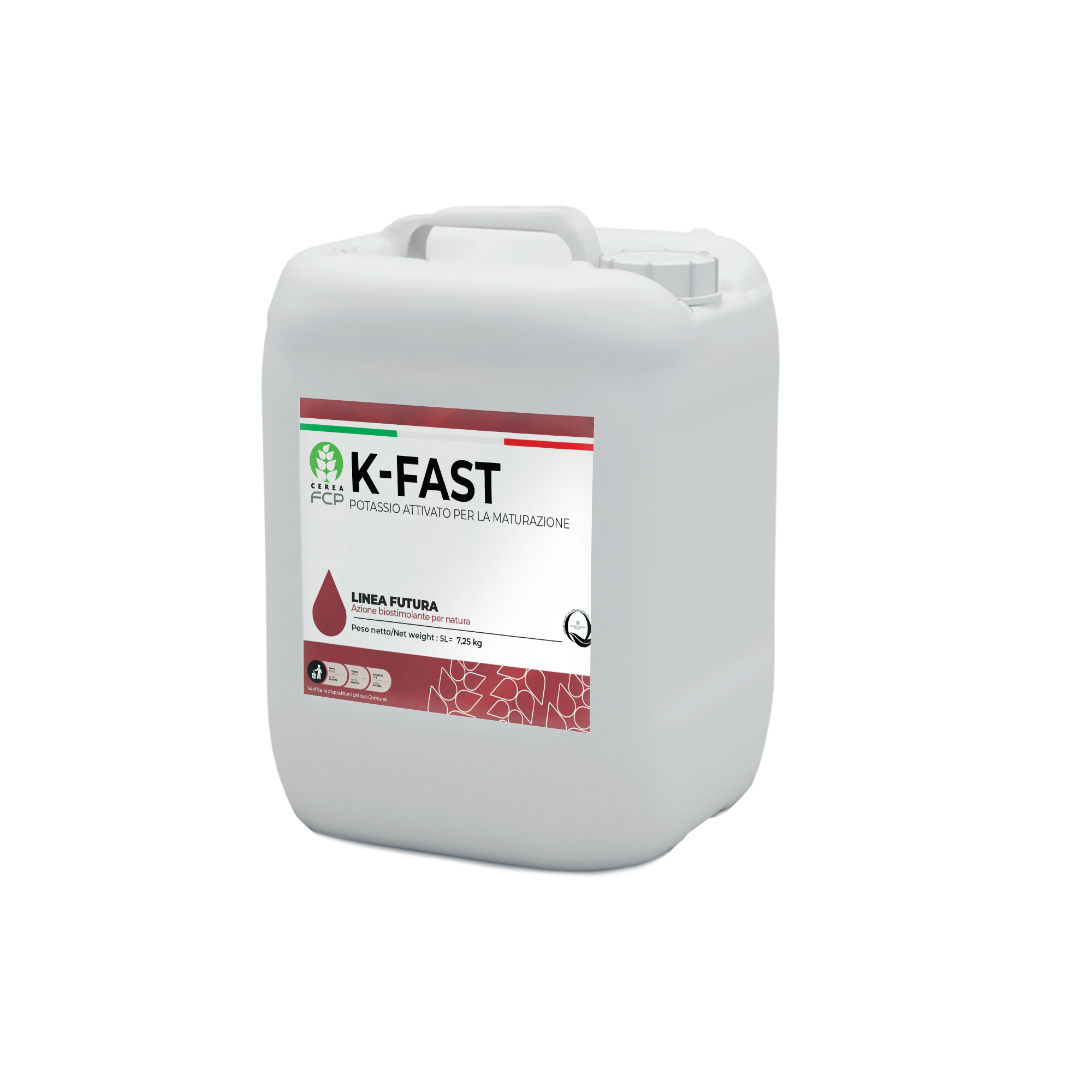
Sugar content is a key indicator of high-quality melon production. Proper potassium nutrition is essential: excess potassium can lead to poor storability and overripening, while deficiency results in bland fruits. Products like Leaf K and K-Fast, composed of highly assimilable potassium, support sugar accumulation in the fruit.