



Cultivation and fertilisation of nectarines
Nectarine cultivation is of considerable importance worldwide, with China being the leading producer, accounting for over 50 per cent of the global market. In Europe, cultivation is most widespread in Spain and Italy.
In Italy, production is highly concentrated: 60 per cent of the harvest comes from three regions, with Campania leading the way, followed by Emilia-Romagna and Sicily. There are several important varieties, bearing the PGI label, which guarantee high sugar content.
Nutritional advice for nectarines
Rational and targeted fertilisation is essential to sustain productivity, optimise fruit quality and prevent physiological disorders and nutritional imbalances. The nectarine is a nutritionally demanding crop, with requirements that vary according to the age of the orchard, yield and soil and climate conditions.

PRODUCT POSITIONING BY PHENOLOGICAL PHASE - TRADITIONAL LINE
Products used in this phase



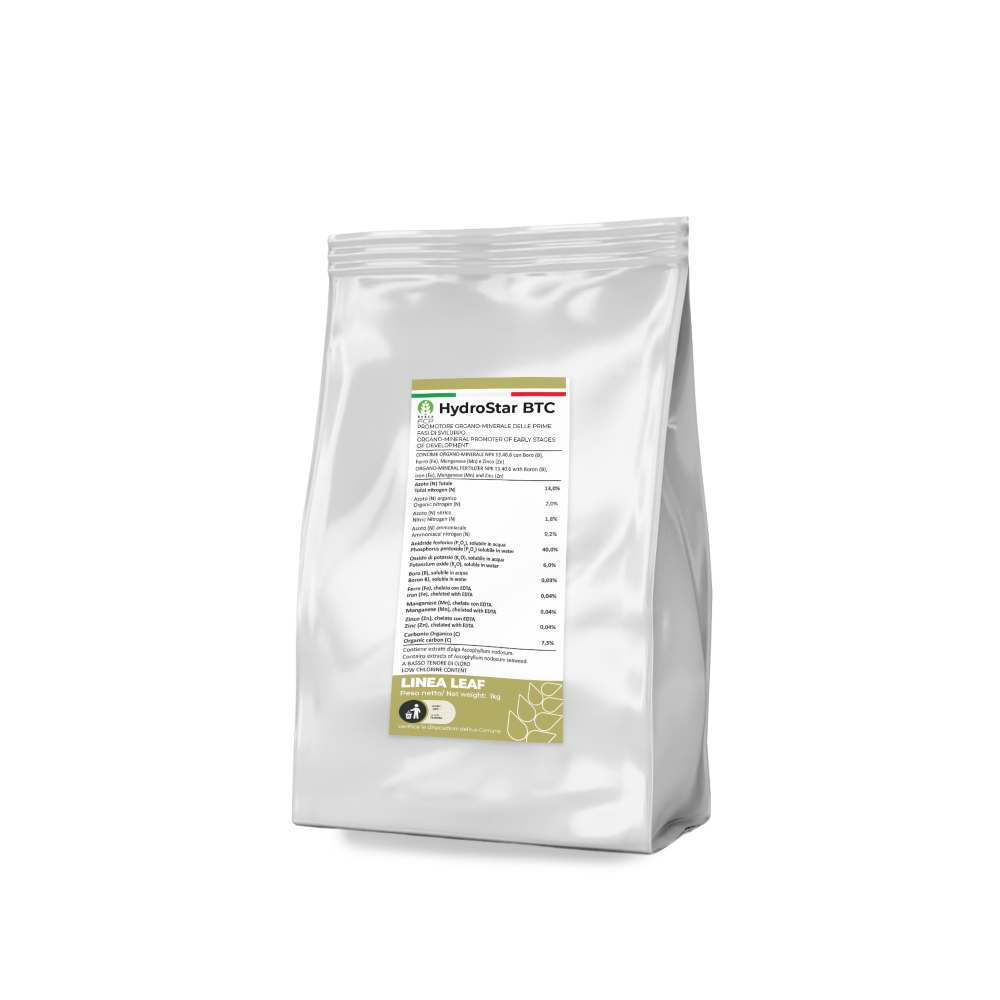
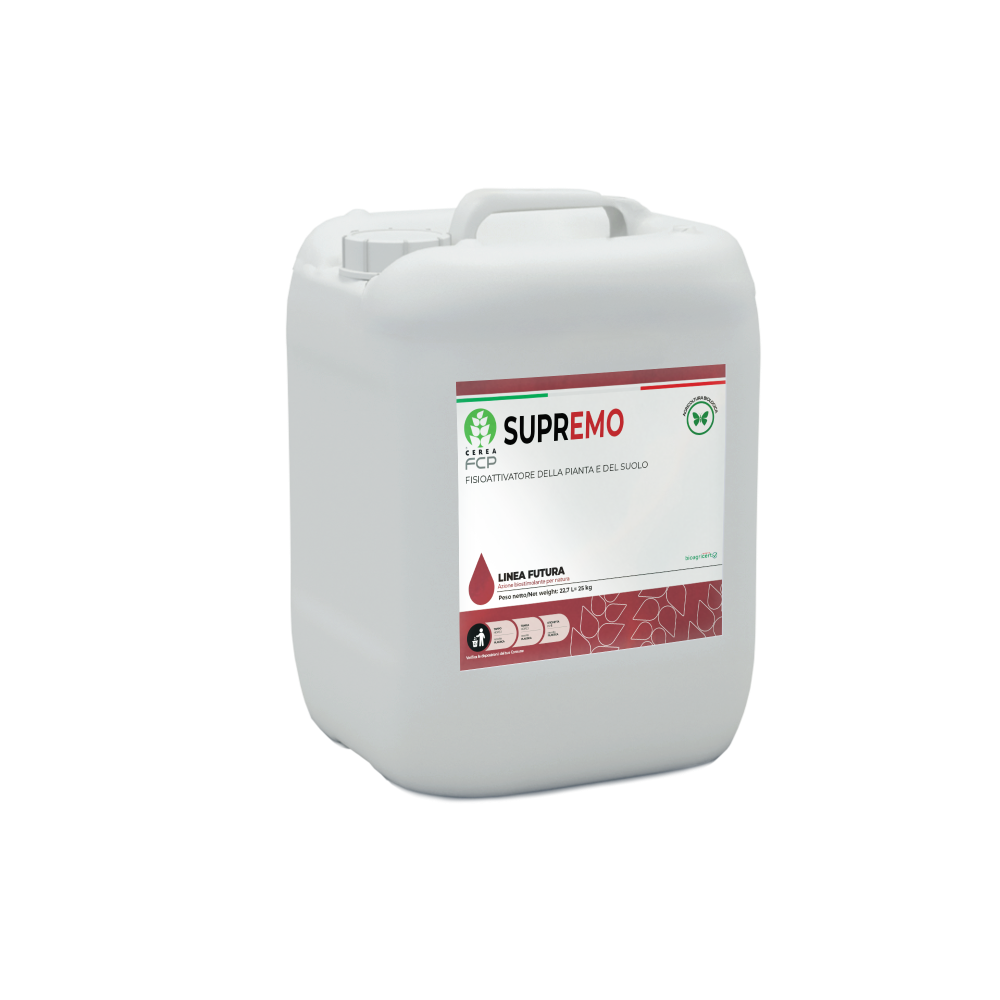


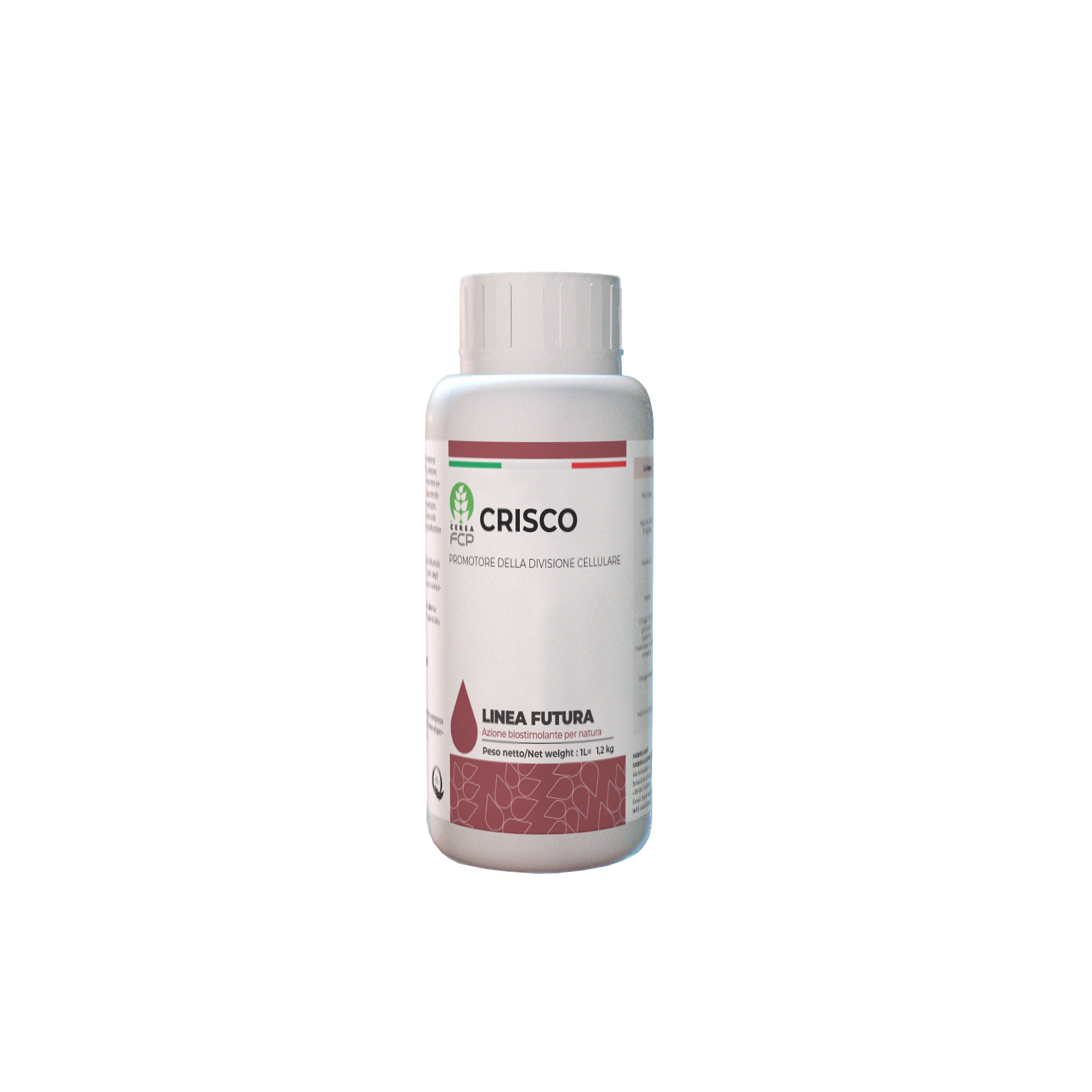
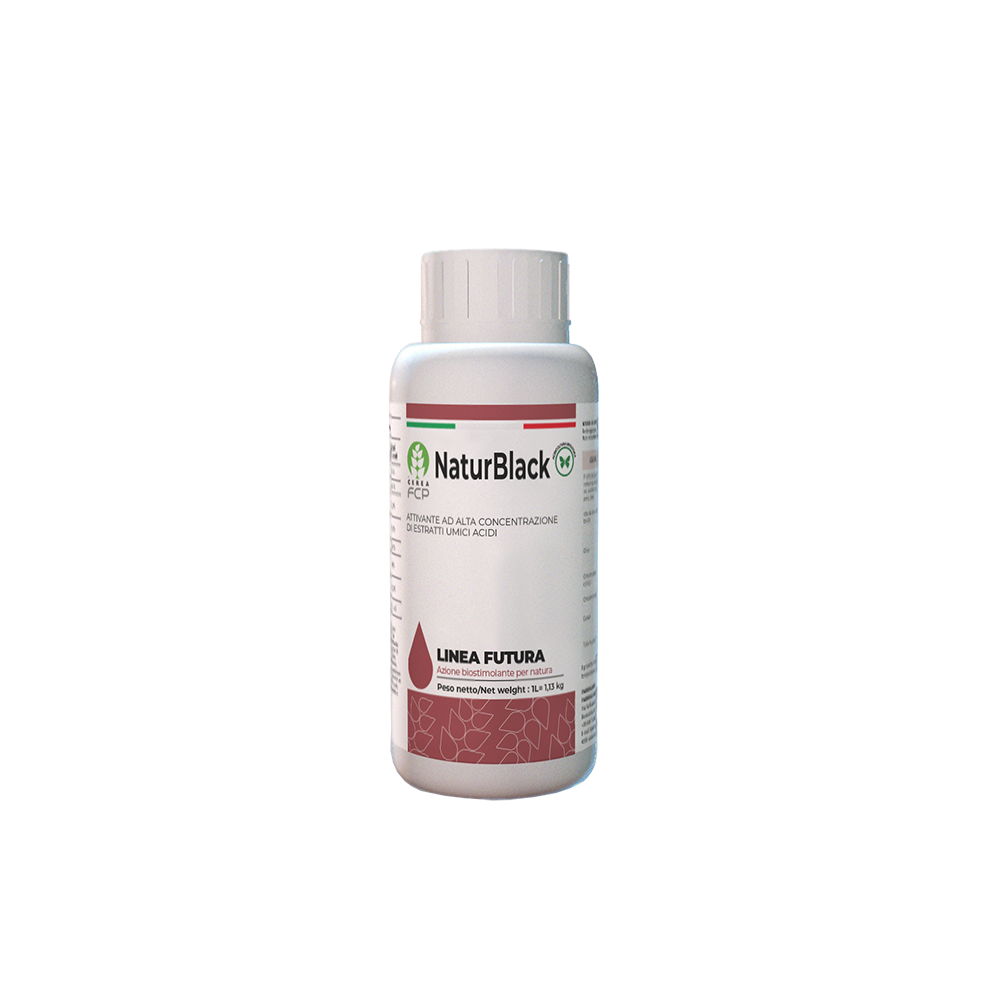


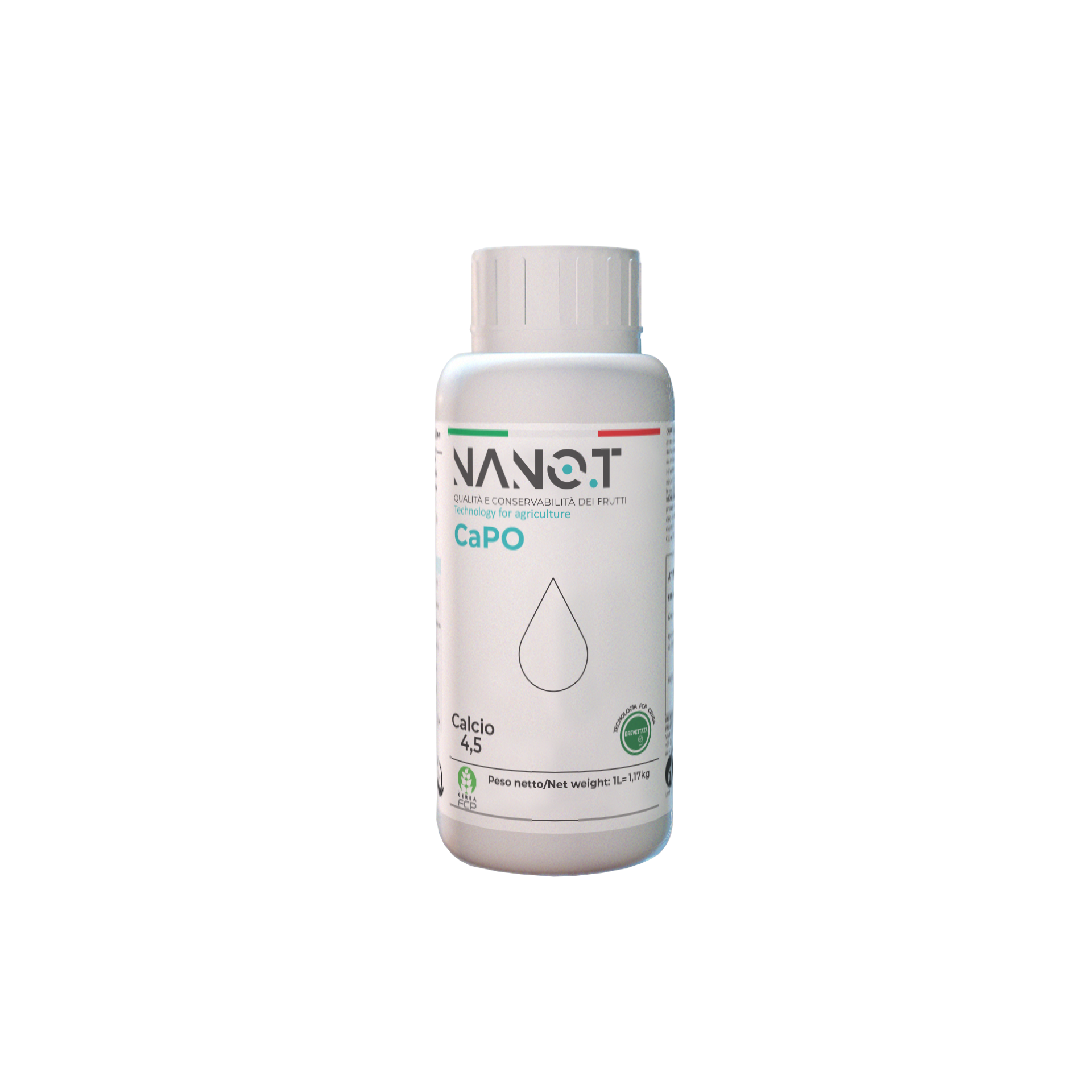


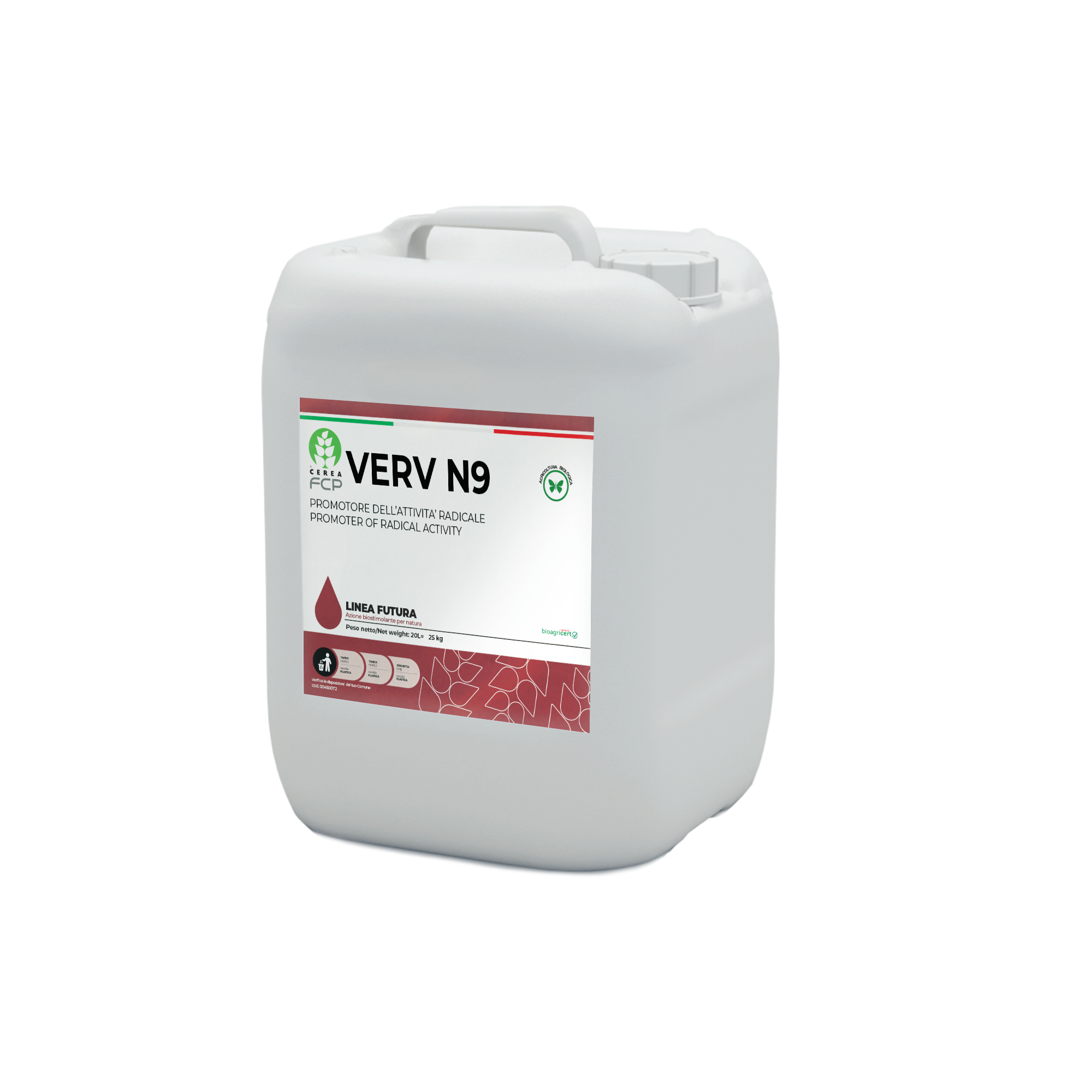
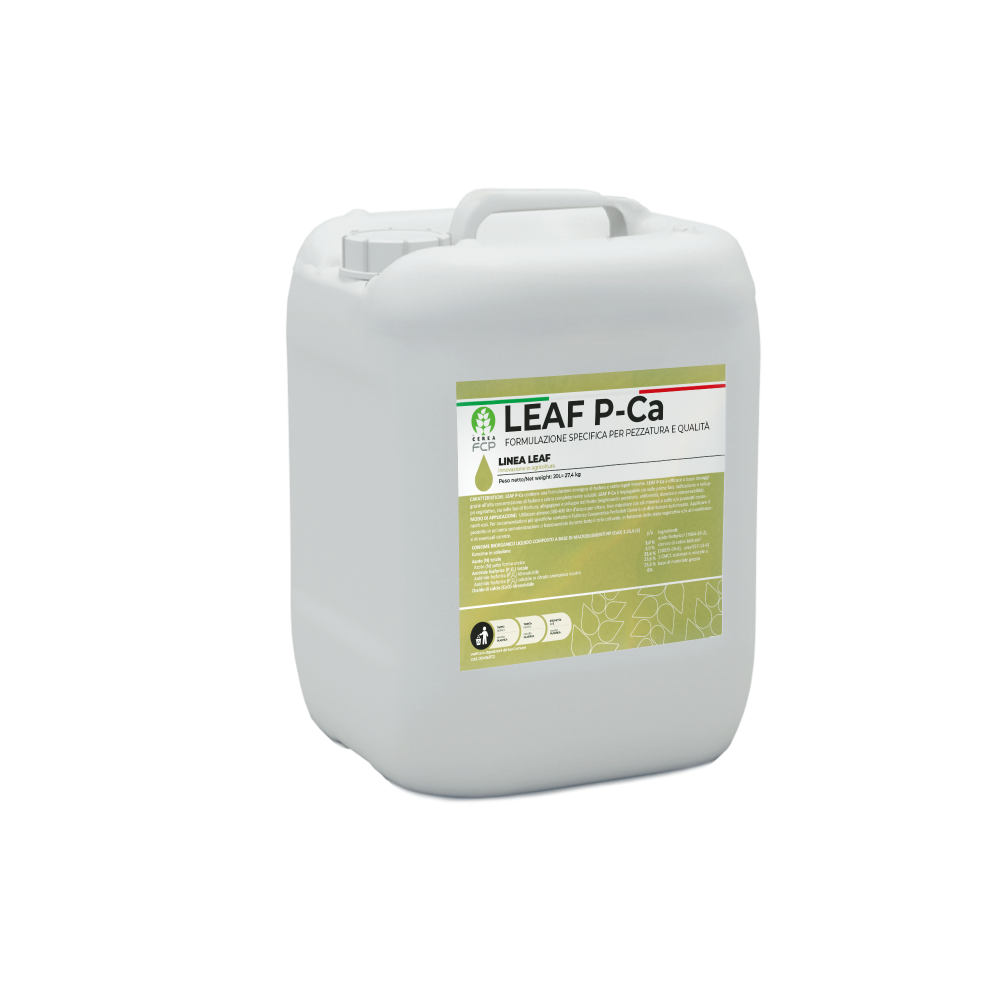


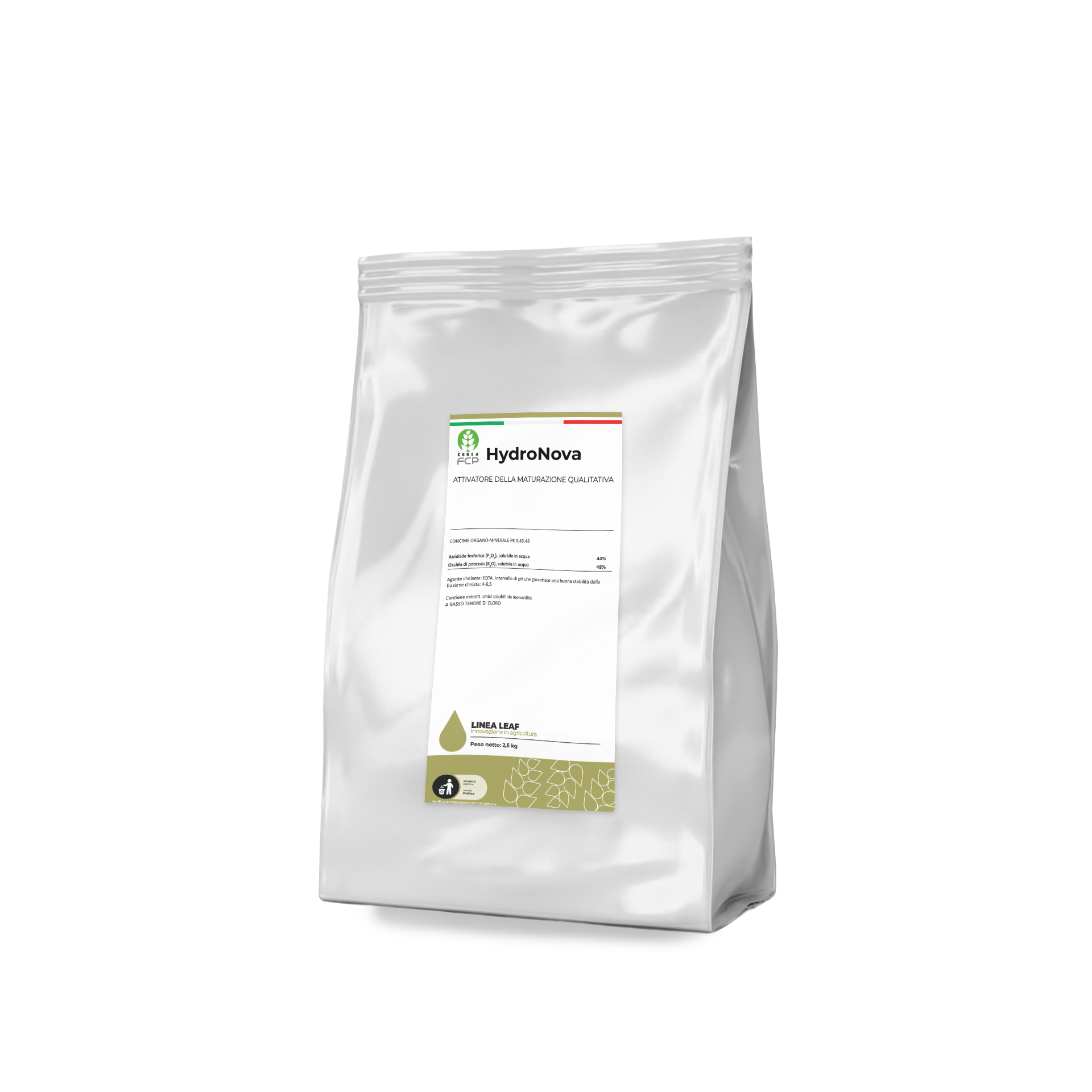



For problems of iron chlorosis, we recommend interventions with Nano.T Fe via the roots (or foliar). Dosage based on the soil's iron chlorosis index.
To strengthen the plant and make it more resistant to biotic and abiotic stress, we recommend using Nano.T Cu foliarly every 15 days from vegetative development onwards.
In saline, sodic, calcareous soils with an alkaline pH, add CALCITO at a dose of 10 l/ha every 25-30 days.
To create favorable environments for maintaining healthy leaves, shoots, and fruits, use Nano.T Total
PRODUCT POSITIONING BY PHENOLOGICAL PHASE - ORGANIC LINE
For iron chlorosis problems, we recommend applying Nano.T Fe BIO through the roots (or foliar). Dosage depends on the soil's iron chlorosis index.
To strengthen the plant and make it more resistant to biotic and abiotic stress, we recommend using Nano.T Cu BIO foliar application every 15 days from vegetative growth onwards.
Hai bisogno di assistenza?

Climatic conditions and challenges
From a climatic perspective, peach trees require an adequate number of chill hours during the winter to break dormancy and ensure regular, synchronised flowering. In spring, the crop is vulnerable to late frosts, which cause the buds to dry out rapidly. Key challenges include, in particular, fungal diseases and insects.
It is also important to carry out careful and timely fruit thinning: an excessive fruit load leads to poor-quality produce (small size, poor colour), compromising marketability. Particular attention must be paid to protection against fungi, insects and snails/slugs; it is therefore advisable to create conditions that help keep leaves, shoots and fruit healthy.