



Cultivation and Fertilization of the olive tree
For oil olives, the goal is to maximize lipid accumulation in the pulp, which under optimal conditions represents 10–30% of the fruit’s fresh weight, as well as to optimize the number of olives produced.
The olive tree (Olea europaea) is an extraordinarily resilient species, capable of adapting to difficult soil and climatic conditions, poor and sloping terrains, and long periods of drought.
Soil, Climate, and Cultivation Areas
Italy possesses a unique varietal heritage, with over 500 cultivars. Its economic potential stems from the growing global demand for high-quality extra virgin olive oil, renowned for its nutraceutical and health properties. Italian olive oil—boasting numerous PDO (Protected Designation of Origin) and PGI (Protected Geographical Indication) labels—is among the most sought-after worldwide.
Technological innovation now allows efficient management of high-density orchards, ensuring higher and more consistent yields. Moreover, climate change is encouraging the expansion of olive cultivation into more northern areas of Italy.
Main Challenges in Oil Olive Cultivation
The spread of Xylella fastidiosa represents the most serious phytosanitary threat to olive cultivation in various Italian regions.
Another major issue in oil olive production is peacock spot, a fungal disease caused by Spilocaea oleaginea. It appears as circular grayish or dark green spots on leaves, surrounded by a yellow halo of varying size; when widespread, it compromises photosynthesis. Copper-based protective treatments are essential to contain infections.
A further critical issue is alternate bearing, especially in orchards that are not properly managed from a nutritional standpoint.
Nutritional Recommendations for the Oil Olive
The addition of organic matter is one of the most important aspects of olive fertilization. It improves soil structure, increases water-holding capacity, enhances soil microbial biodiversity, reduces erosion, and serves as a slow-release nutrient reservoir.
It is essential to promptly replenish the plant’s reserves by supplying macronutrients lost during fruit harvest. Organo-mineral fertilizers are recommended, though mineral products with a good ammoniacal nitrogen content can also be used to promote vegetative recovery. However, excessive nitrogen should be avoided, as it can reduce fruit quality and increase susceptibility to peacock spot.
Among the macronutrients, potassium should be consistently supplied up to harvest time, as it promotes oil accumulation in the drupes. During pre-flowering, products containing organic nitrogen and high concentrations of amino acids can stimulate flowering, helping to mitigate alternate bearing and alleviate climatic or phytosanitary stress.
In summary, olive oil groves—compared to table olive groves—tolerate higher nitrogen levels and allow fertilization strategies more focused on maximizing productivity and lipid content.
Below, you’ll find the most effective strategies for proper OLIVE FERTILIZATION for olive oil production, promoting balanced vegetative growth, improved fruit set, and enhanced oil yield.

PRODUCT POSITIONING BY PHENOLOGICAL PHASE - TRADITIONAL LINE
Products used in this phase




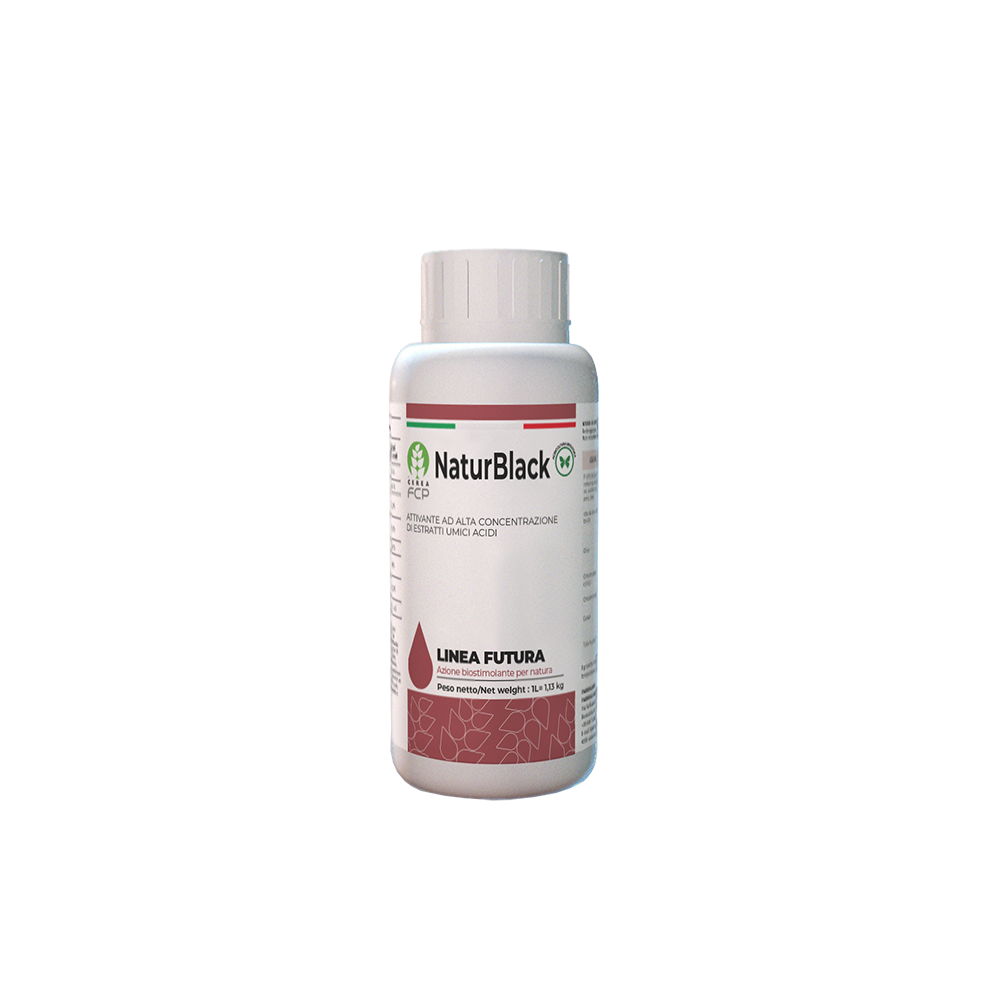


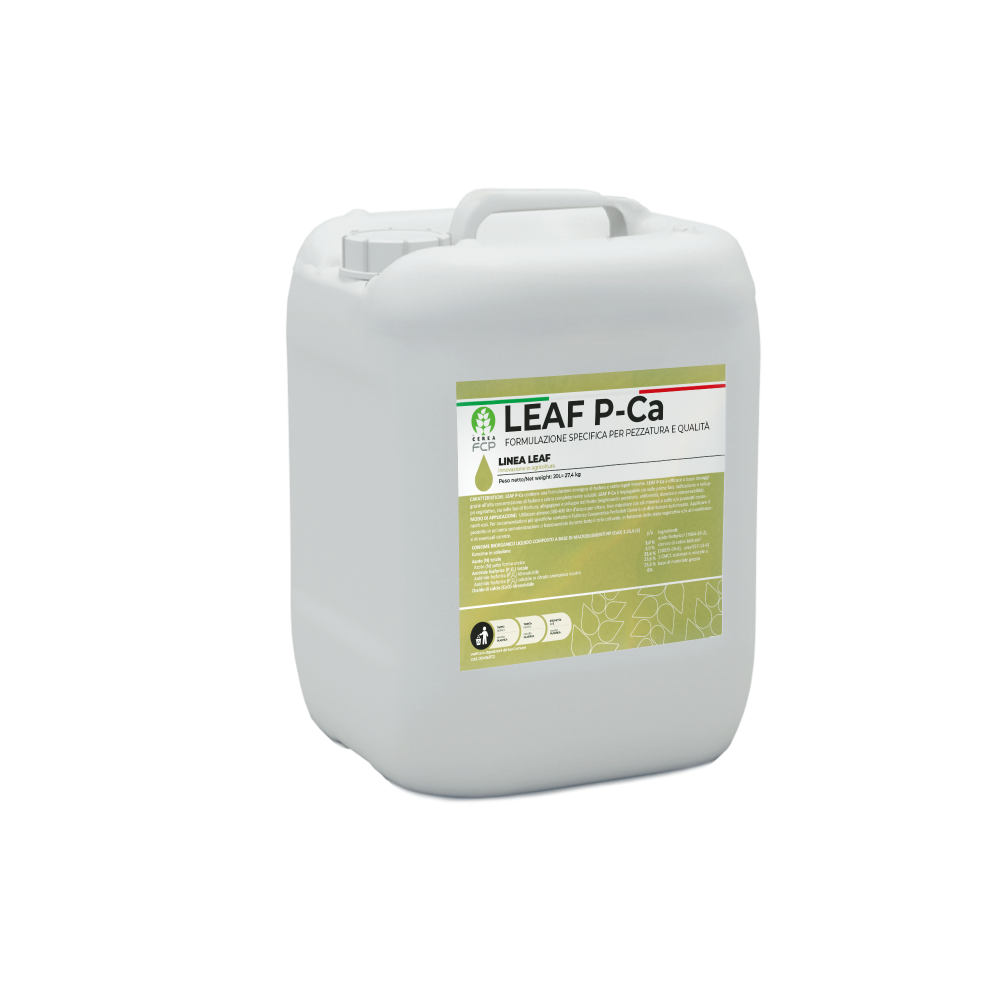




For problems of iron chlorosis, we recommend interventions with Nano.T Fe via the roots (or foliar). Dosage based on the soil's iron chlorosis index.
To strengthen the plant and make it more resistant to biotic and abiotic stress, we recommend using Nano.T Cu foliarly every 15 days from vegetative development onwards.
In saline, sodic, calcareous soils with an alkaline pH, add CALCITO at a dose of 10 l/ha every 25-30 days.
To create favorable environments for maintaining healthy leaves, shoots, and fruits, use Nano.T Total
PRODUCT POSITIONING BY PHENOLOGICAL PHASE - ORGANIC LINE
For iron chlorosis problems, we recommend applying Nano.T Fe BIO through the roots (or foliar). Dosage depends on the soil's iron chlorosis index.
To strengthen the plant and make it more resistant to biotic and abiotic stress, we recommend using Nano.T Cu BIO foliar application every 15 days from vegetative growth onwards.

Need assistance?
It is essential to provide a balanced supply of micronutrients (Febo Bio, Febo Mix) and to help the plant cope with environmental stress by using products with fruit-set–stimulating activity (Naturblack, Giove Bio Gold). Phosphorus also plays an important role during this delicate phenological stage (Leaf P-Ca).
How can I increase oil yield in oil olives?
From the veraison stage up to pre-harvest, it is important to use products based on fully assimilable potassium that enhance dry matter content and promote a higher oil yield (Leaf K).
It is important to use products that help thicken and reinforce cell walls and membranes. Additionally, stimulating the plant’s natural defense mechanisms by promoting the production of elicitor substances (its self-defense compounds) is key. Nano.T Cu and Nano.T Cu Bio support and stimulate the plant to produce phytoalexins, ensuring uniform and comprehensive protection of the vegetative apparatus.