



Cultivation and Fertilization of the Peach Tree
China is the world’s leading producer of peaches, followed at a distance by Spain and Italy, where the cultivation of peach trees (Prunus persica) is particularly concentrated in Campania, Sicily, and Apulia.
The national varietal range is highly diverse, but yellow-fleshed cultivars with medium ripening time and intense red skin coloration are the most appreciated and represent a significant portion of Italian exports, especially to France and Germany.
Climatic Conditions and Main Issues
From a climatic perspective, the peach tree requires an adequate number of chilling hours during winter to break dormancy and ensure a regular and synchronized flowering.
In spring, the crop is vulnerable to late frosts, which can cause rapid drying of the buds.
Among the main issues are fungal diseases and insect infestations.
It is also essential to carry out accurate and timely fruit thinning: excessive fruit load results in poor-quality fruit (smaller size, uneven color), compromising marketability.
Special attention must also be given to protecting the crop from fungi, insects, and slugs/snails by maintaining conditions that promote healthy foliage, shoots, and fruit.
Nutritional Recommendations for the Peach Tree
A rational and targeted fertilization plan is fundamental to sustaining peach productivity, optimizing fruit quality, and preventing physiological disorders or nutritional imbalances.
- The first requirement is to replenish energy reserves after harvest, supporting vegetative recovery with balanced NPK formulations.
- Nitrogen should be applied in moderate and balanced amounts, as excesses promote excessive vegetative growth, reduced fruit color, and increased susceptibility to diseases.
- Calcium and magnesium should be applied in subsequent treatments (foliar or fertigation) to enhance photosynthesis and prepare the plant for good fruit set.
The use of biostimulant products that enhance plant metabolism or nutrient uptake — such as those containing seaweed extracts, amino acids, or humic acids — is highly recommended.
Below you will find our recommended products to achieve uniform yields, fruits with excellent organoleptic qualities, and good storability.

PRODUCT POSITIONING BY PHENOLOGICAL PHASE - TRADITIONAL LINE
Products used in this phase



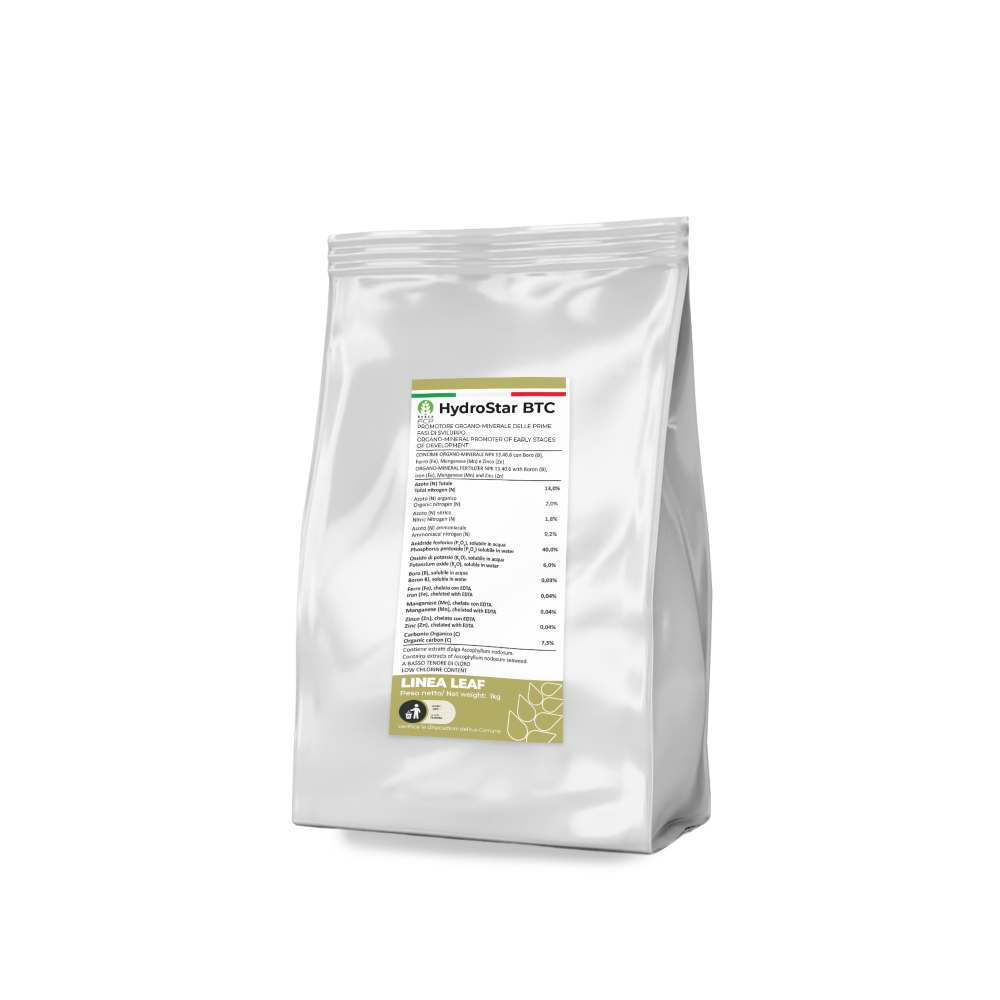
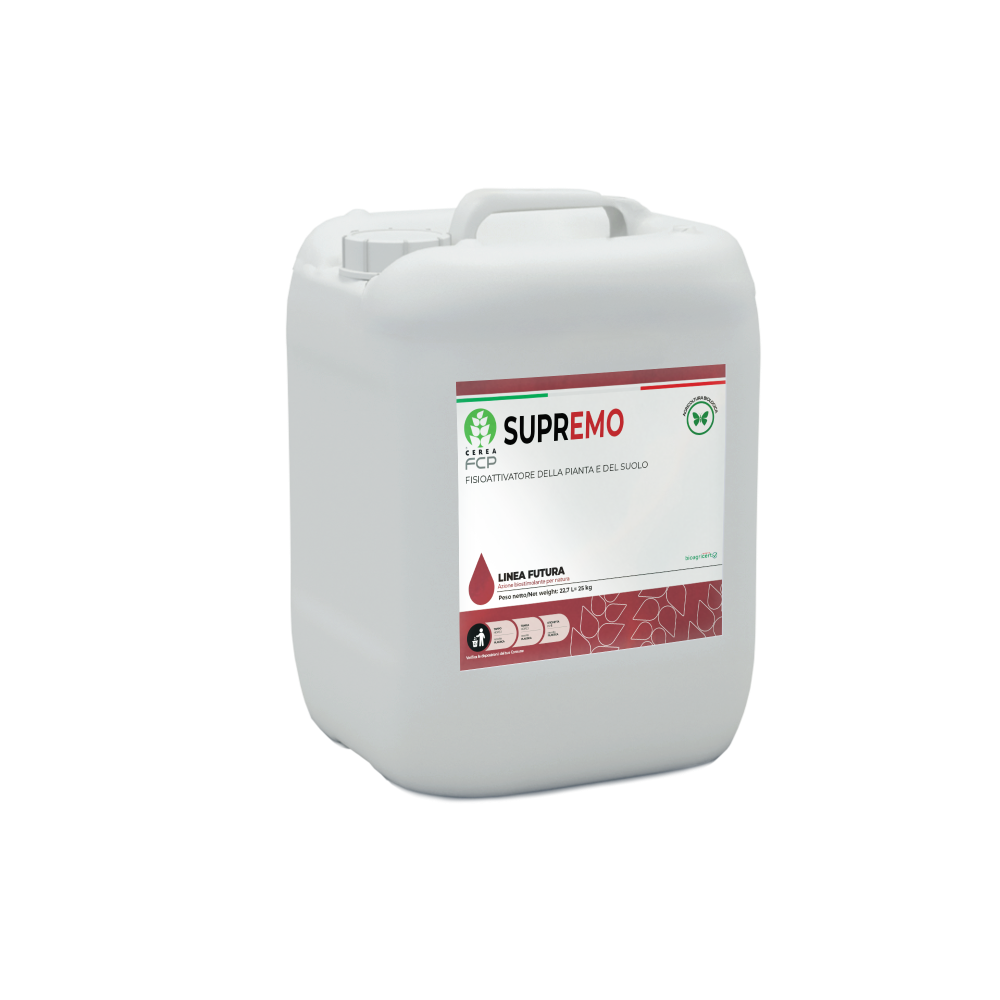

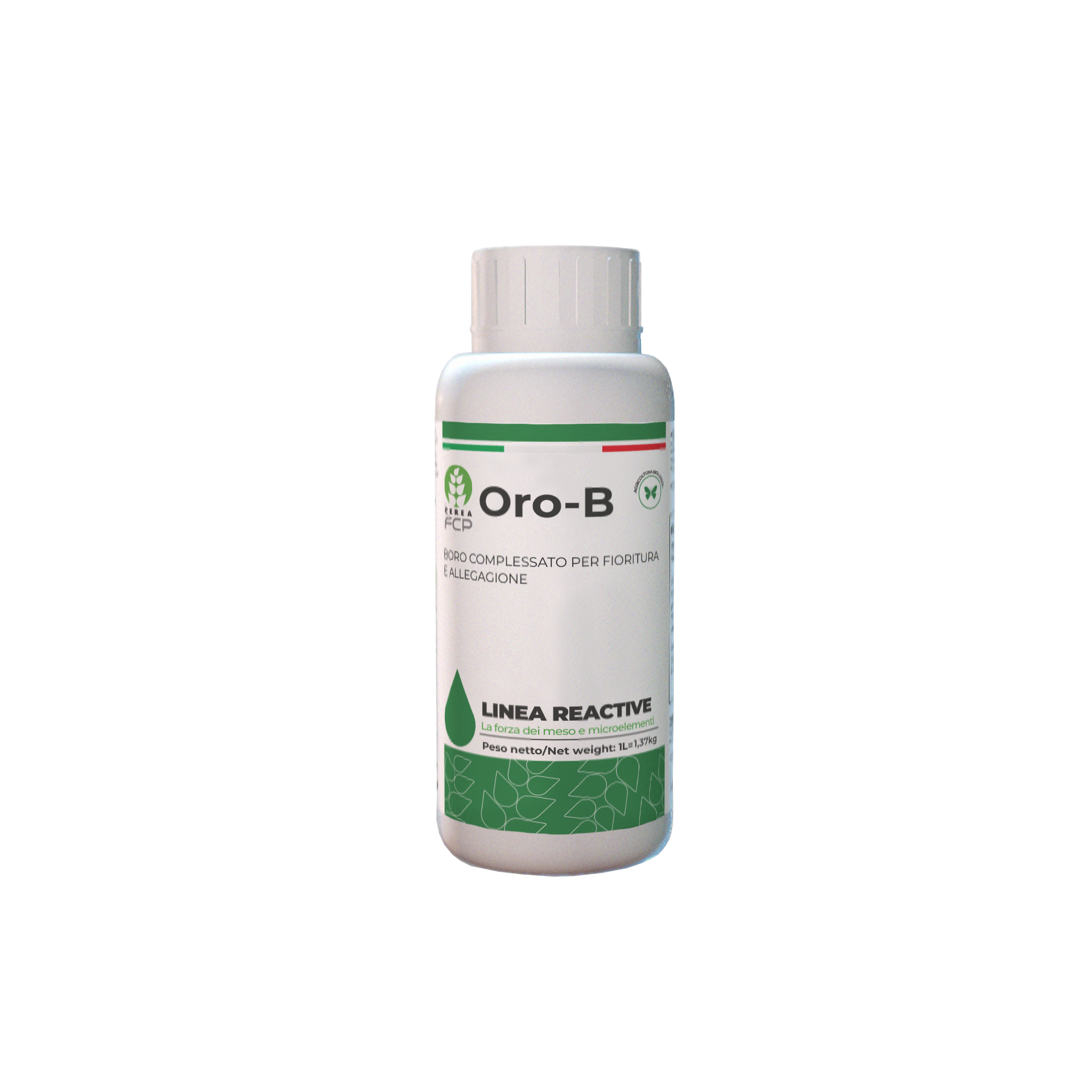



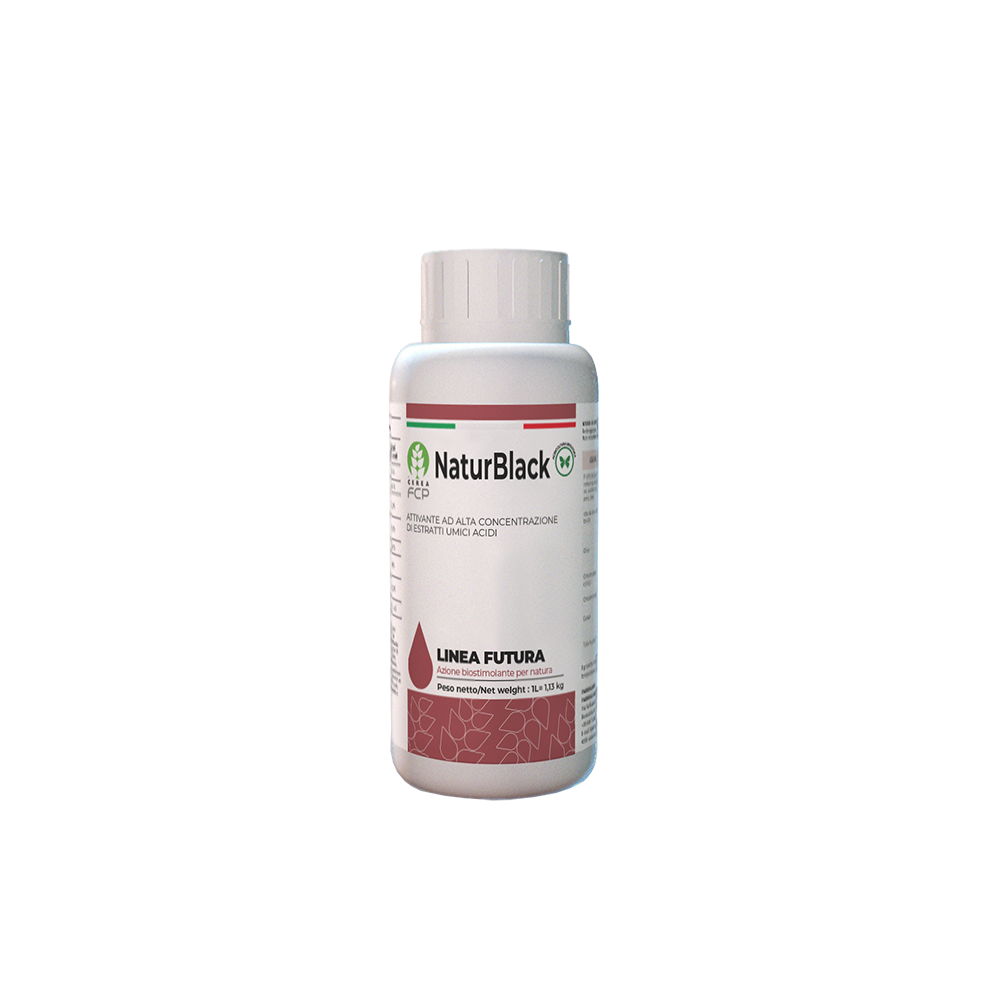










For problems of iron chlorosis, we recommend interventions with Nano.T Fe via the roots (or foliar). Dosage based on the soil's iron chlorosis index.
To strengthen the plant and make it more resistant to biotic and abiotic stress, we recommend using Nano.T Cu foliarly every 15 days from vegetative development onwards.
In saline, sodic, calcareous soils with an alkaline pH, add CALCITO at a dose of 10 l/ha every 25-30 days.
To create favorable environments for maintaining healthy leaves, shoots, and fruits, use Nano.T Total
PRODUCT POSITIONING BY PHENOLOGICAL PHASE - ORGANIC LINE
Products used in this phase




For iron chlorosis problems, we recommend applying Nano.T Fe BIO through the roots (or foliar). Dosage depends on the soil's iron chlorosis index.
To strengthen the plant and make it more resistant to biotic and abiotic stress, we recommend using Nano.T Cu BIO foliar application every 15 days from vegetative growth onwards.
Need assistance?
In peach cultivation, the post-harvest phase is particularly important to replenish the nutrients removed during fruit production, to support the plant after the stress of harvest, and to ensure an optimal vegetative recovery.
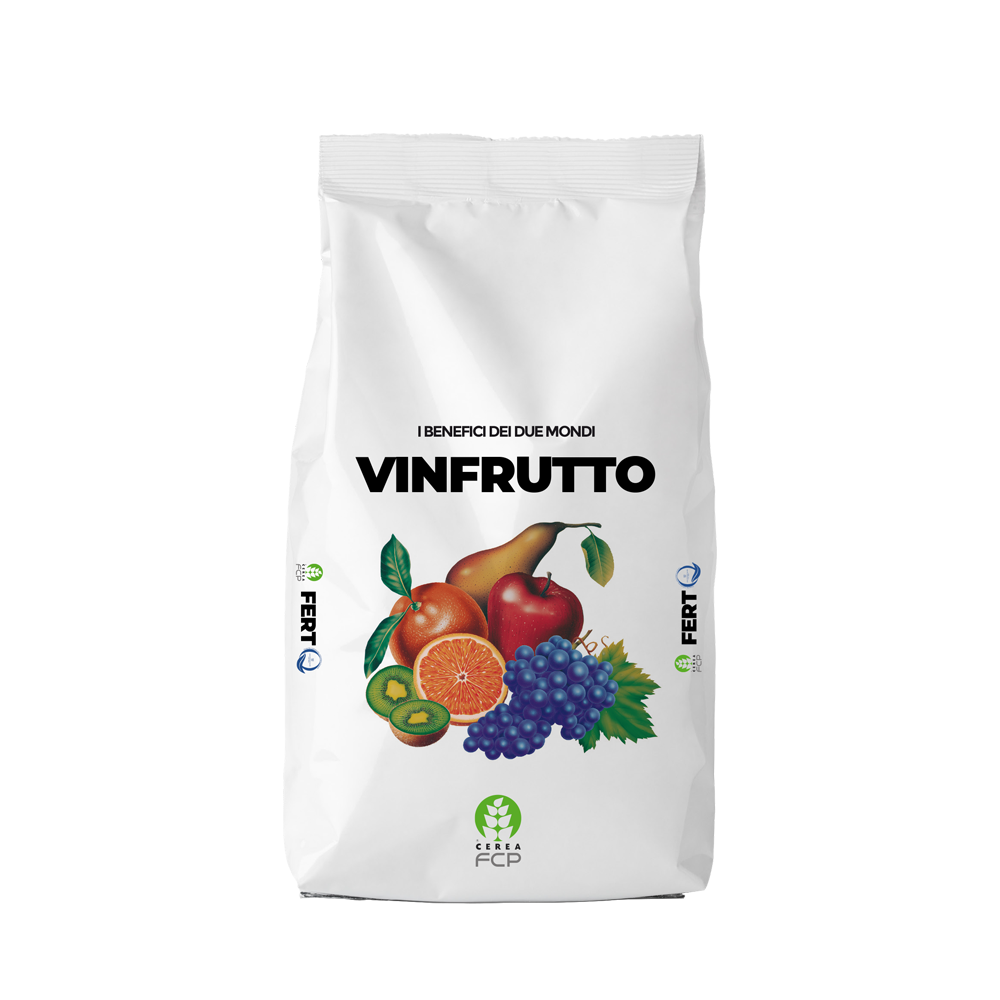
Granular organo-mineral fertilizers provide complete and gradual nutrition (Vinfrutto, Granoro, and/or Flex, depending on soil characteristics and nutrient levels).
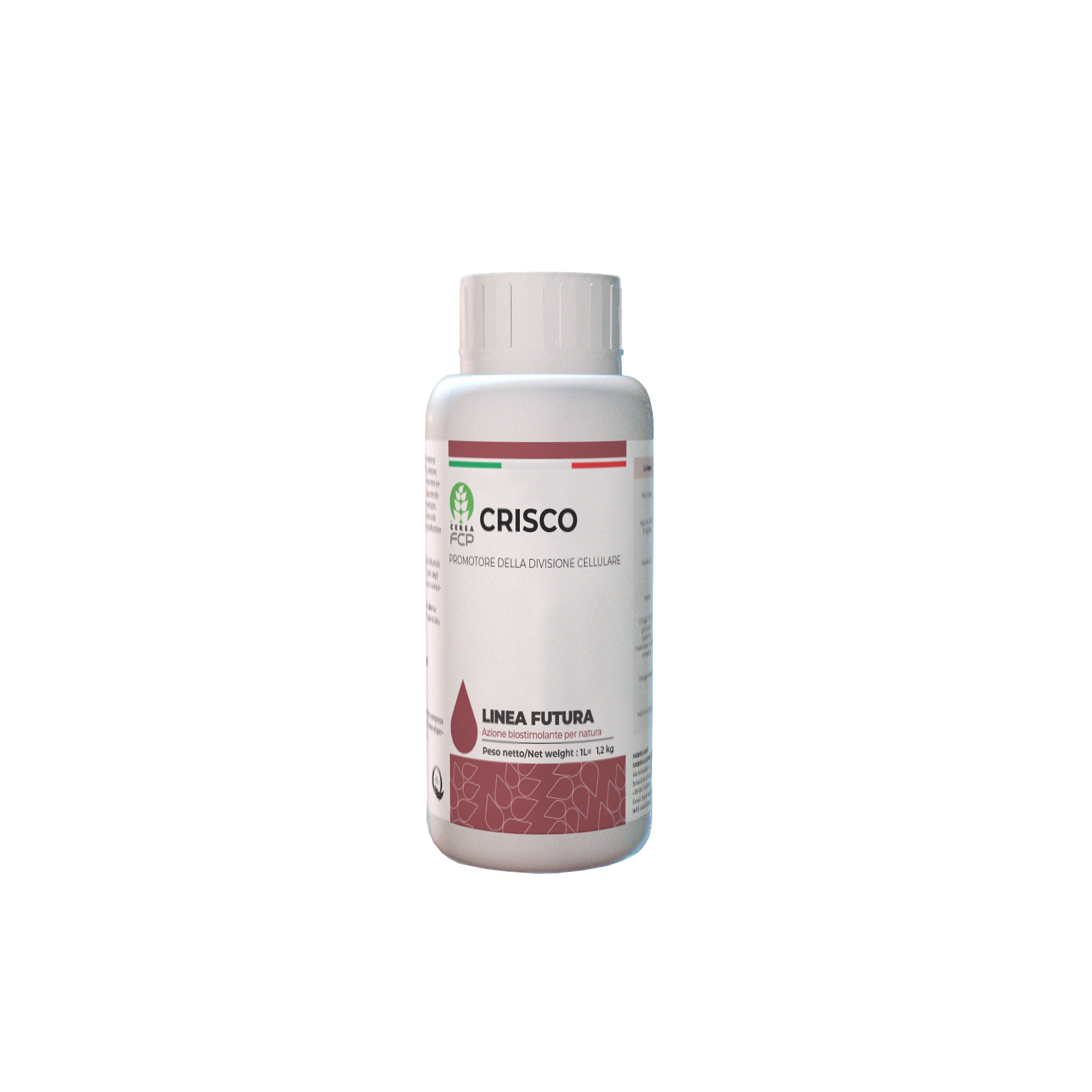
To achieve larger fruit size, it is essential to perform balanced fruit thinning. Additionally, the use of products that stimulate cell division during the post-flowering (fruit set) stage is very beneficial for obtaining large and uniform fruit.
Storability depends on:
- Proper irrigation management (excess water reduces shelf life);
- Balanced nitrogen supply (too much nitrogen softens the fruit);
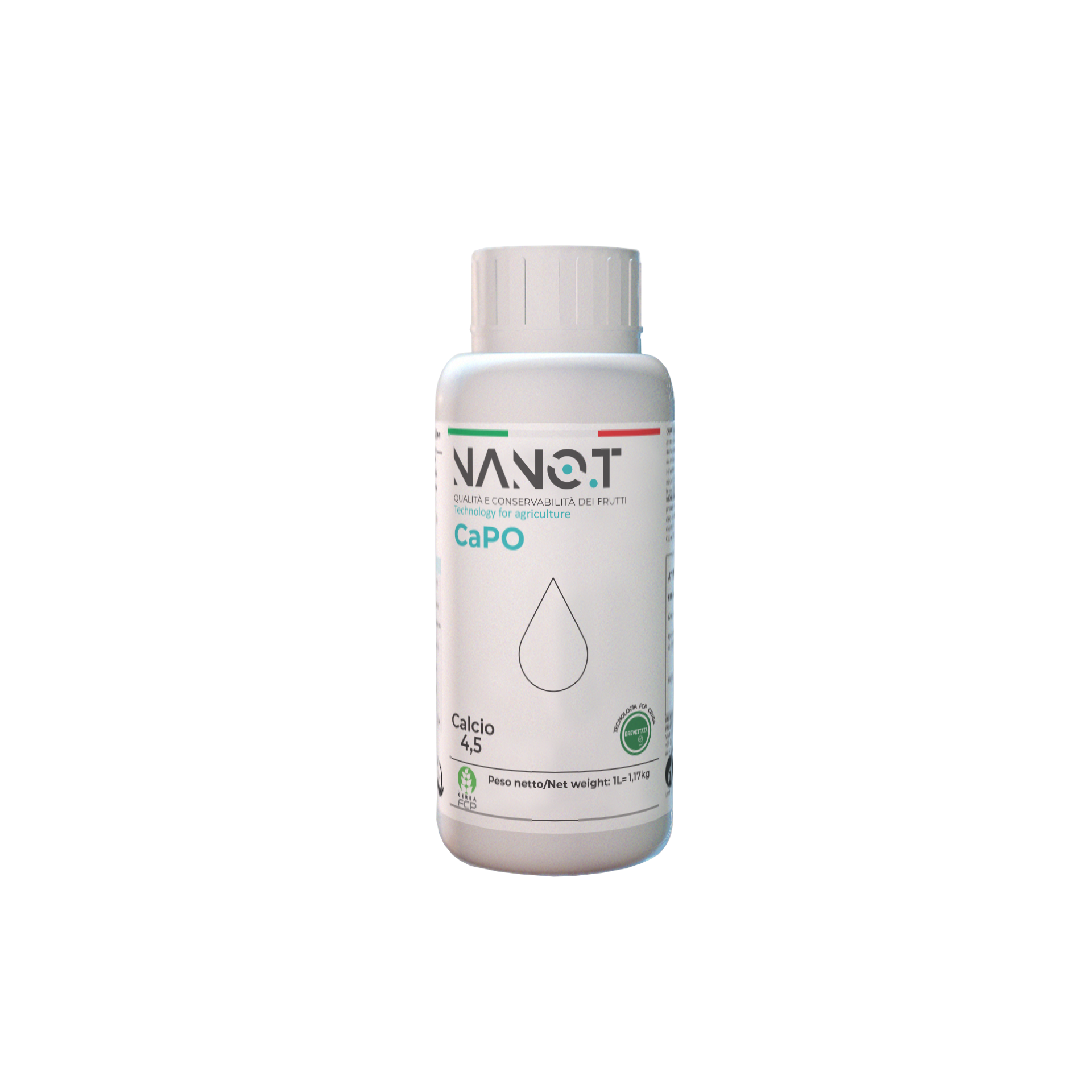
- Adequate calcium input (Magnetical, Focus Ca) and products that strengthen cell membranes (Nano.T CaPO).
It is crucial to emphasize that calcium and strengthening products should be applied after each harvest to maintain firmness and improve storability.