



The pepper market is dominated by a few countries representing three-quarters of global production: China, Mexico, Indonesia, Turkey, and Spain, with China leading by a wide margin.
Italian production is not very large and is divided between greenhouse and open-field cultivation, the latter being more extensive and mostly intended for processing. Most cultivation is concentrated in southern Italy, and domestic demand is largely met by imports, primarily from Spain.
From a nutritional standpoint, peppers are rich in vitamin C. Agronomic challenges include blossom-end rot, flower drop under high temperatures, and fruit cracking. Some varieties are also particularly sensitive to nematodes.
Nutritional advice for pepper
- Base fertilization should include adequate phosphorus (P) and potassium (K), while nitrogen should be supplied in appropriate doses, as excess nitrogen promotes excessive vegetative growth at the expense of fruiting and fruit quality.
- Pepper grows slowly and is subject to stress in early development stages. Root growth should be stimulated using products containing humic acids or amino acids combined with calcium (essential during fruit set and development) and magnesium.
- Pre-harvest potassium application enhances the fruit’s organoleptic qualities.
- Products containing microbial pools are recommended to regenerate tired soils and counteract pathogens.
Follow these strategies to optimize pepper fertilization and achieve high-quality, healthy fruits.
PRODUCT POSITIONING BY PHENOLOGICAL PHASE - TRADITIONAL LINE










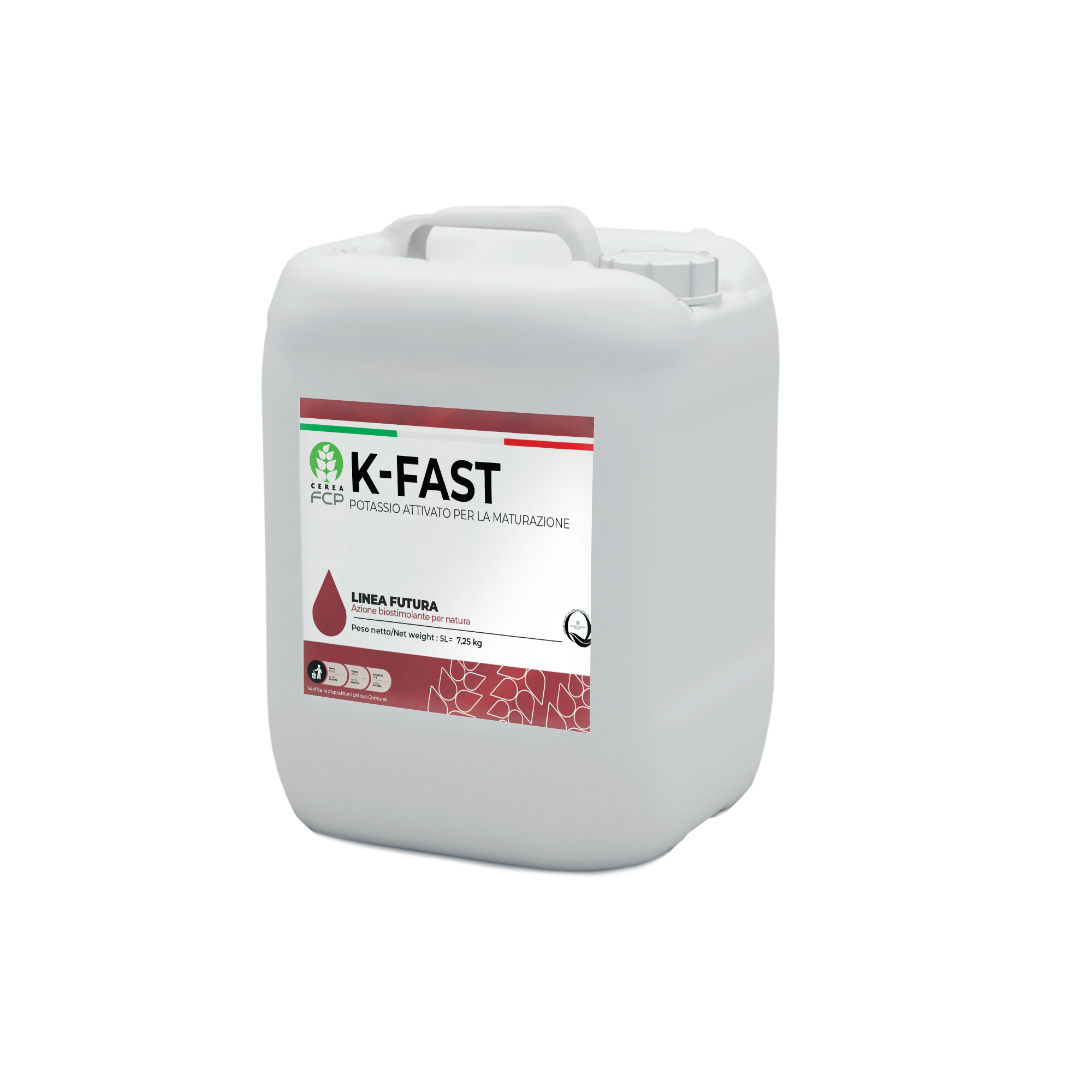
For problems of iron chlorosis, we recommend interventions with Nano.T Fe via the roots (or foliar). Dosage based on the soil's iron chlorosis index.
To strengthen the plant and make it more resistant to biotic and abiotic stress, we recommend using Nano.T Cu foliarly every 15 days from vegetative development onwards.
In saline, sodic, calcareous soils with an alkaline pH, add CALCITO at a dose of 10 l/ha every 25-30 days.
To create favorable environments for maintaining healthy leaves, shoots, and fruits, use Nano.T Total and A-Myco
To create favorable environments for healthy root systems, use Mycovix.
PRODUCT POSITIONING BY PHENOLOGICAL PHASE - ORGANIC LINE


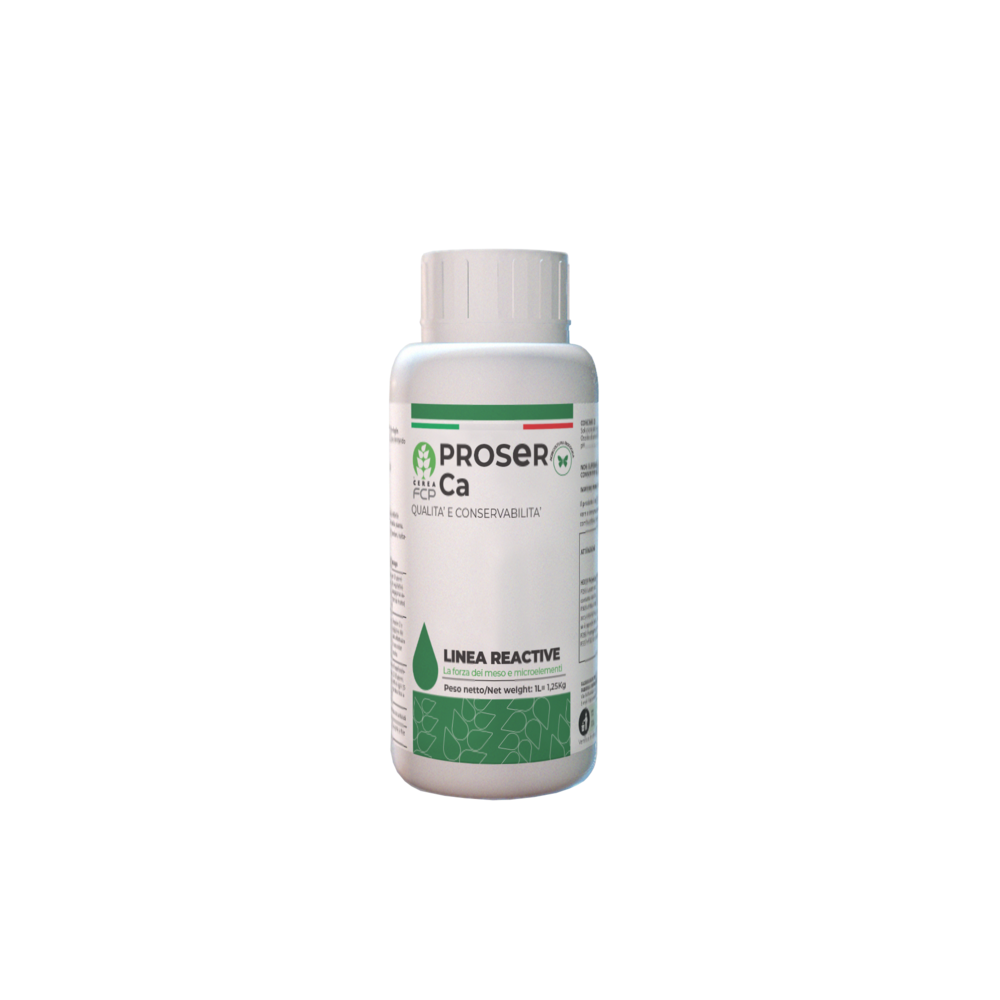
For iron chlorosis problems, we recommend applying Nano.T Fe BIO through the roots (or foliar). Dosage depends on the soil's iron chlorosis index.
To strengthen the plant and make it more resistant to biotic and abiotic stress, we recommend using Nano.T Cu BIO foliar application every 15 days from vegetative growth onwards.
To create favorable environments for maintaining healthy leaves, shoots, and fruits, use A-Myco
To create favorable environments for healthy root systems, use Mycovix.

Need assistance?
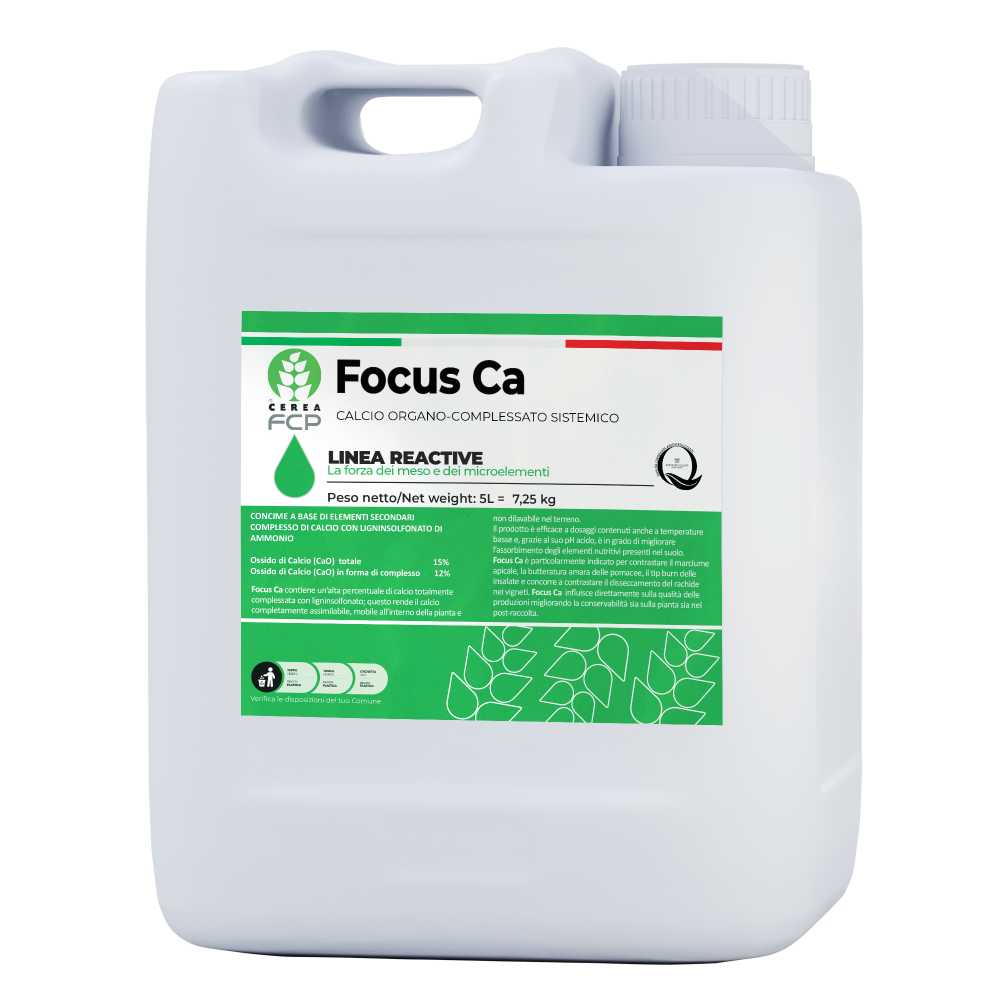
Water and calcium management are fundamental to preventing blossom-end rot. Using calcium-based products with the highest systemic action possible (Focus Ca) allows complete translocation of the element from the roots to the fruit. Products that increase calcium pectates in both the fruit and the peduncle (Nano.T CaPO) are also essential for obtaining healthy fruits.
Products containing microbial pools (Mycovix) help restore the beneficial soil microfauna, especially in overexploited soils, creating an environment favorable to root development and unfavorable to biotic stress agents. These microbial pools also improve and enhance nutrient assimilation by the root hairs.