



Cultivation and Fertilization of the Plum Tree
The plum tree (Prunus domestica) is one of the most important stone fruit crops worldwide.
In Italy, production is mainly concentrated in Campania, Lazio, and Emilia-Romagna.
The species is known for its hardiness and adaptability to various soil and climatic conditions, tolerating even compact, clayey, and calcareous soils — a characteristic that makes it more versatile than other stone fruits.
Additionally, plum cultivation offers a harvest period extending from June to September, ensuring a longer commercial season and reducing competition among producers.
Climatic Conditions and Main Challenges
Late spring frosts represent one of the main abiotic stresses for plum trees, especially for Chinese-Japanese cultivars intended for fresh consumption, which bloom earlier than the European varieties typically used for processing.
Nutritional Recommendations for the Plum Tree
Inadequate nutrition can lead to deficiencies that negatively affect fruit quality, coloration, and consistency.
After harvest, it is advisable to replenish the plant’s nutrient reserves, particularly nitrogen, which is stored in the woody organs and supports the plant during the early stages of the next vegetative cycle up to flowering.
Organo-mineral NPK fertilizers are the most suitable for this purpose.
To promote fruit growth and ripening, it is important to provide a combination of phosphorus and calcium, which enhances sugar accumulation, color development, and fruit firmness, improving both flavor and storability after harvest.
Follow our advice to achieve more uniform yields and fruits with excellent organoleptic qualities and shelf life.

PRODUCT POSITIONING BY PHENOLOGICAL PHASE - TRADITIONAL LINE
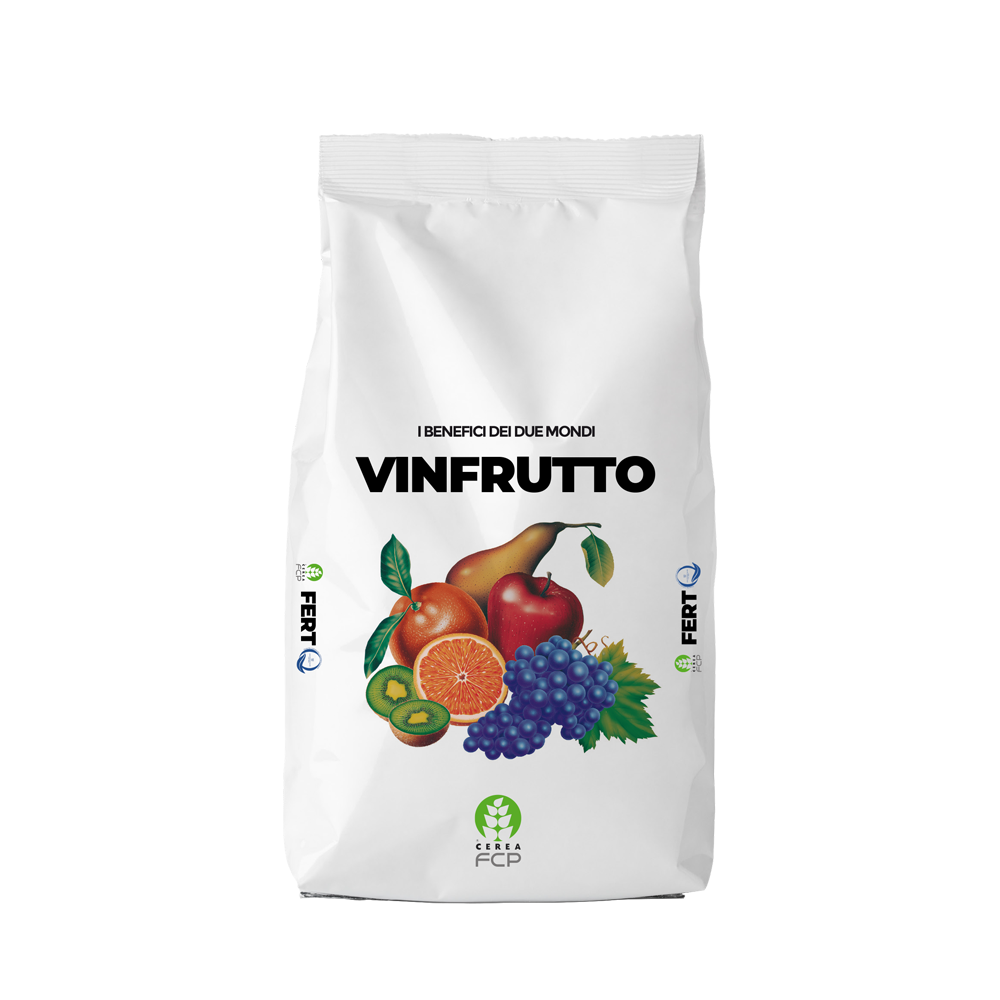
Products used in this phase





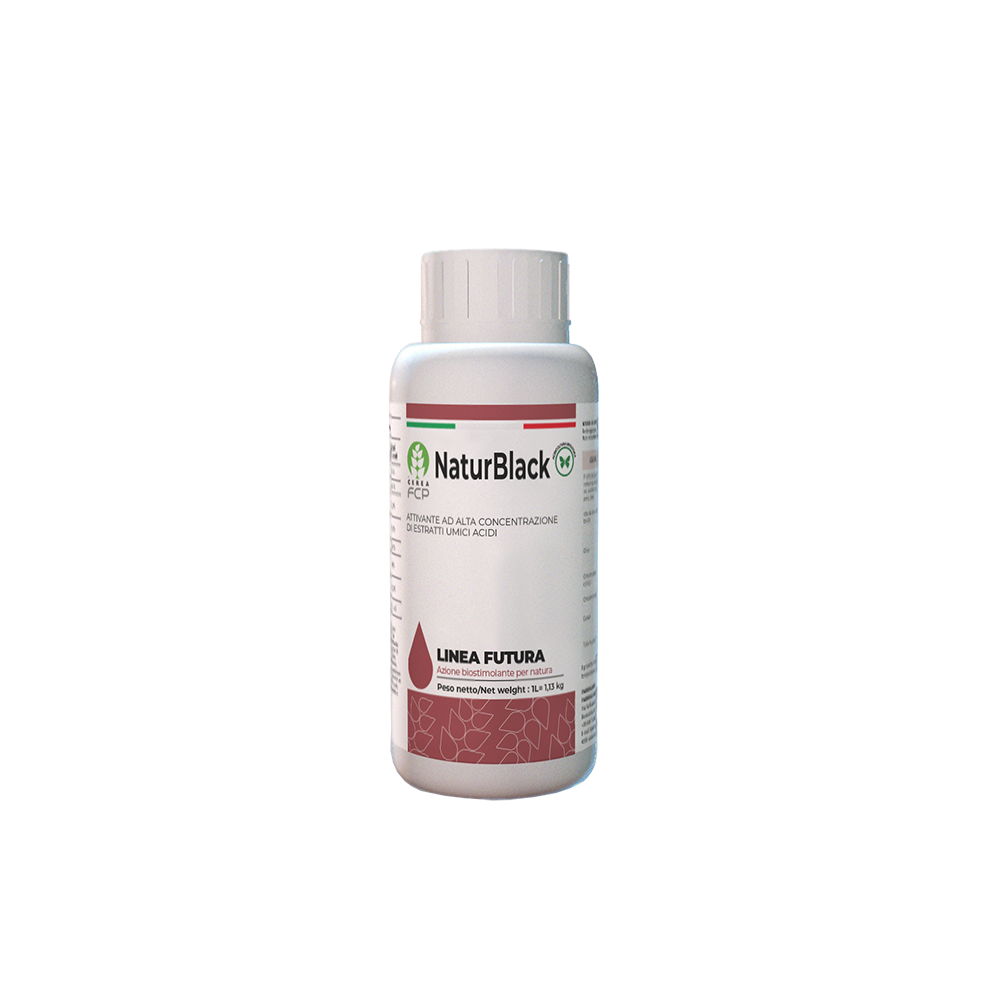

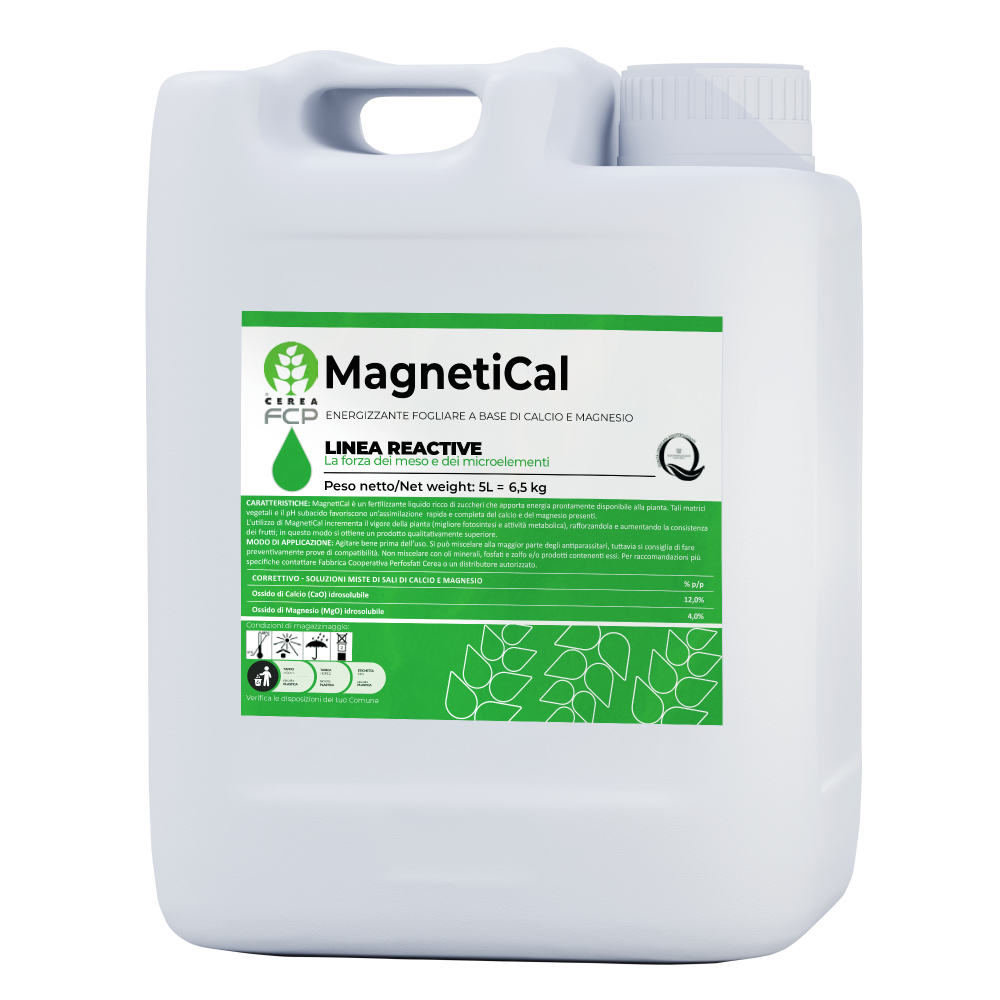


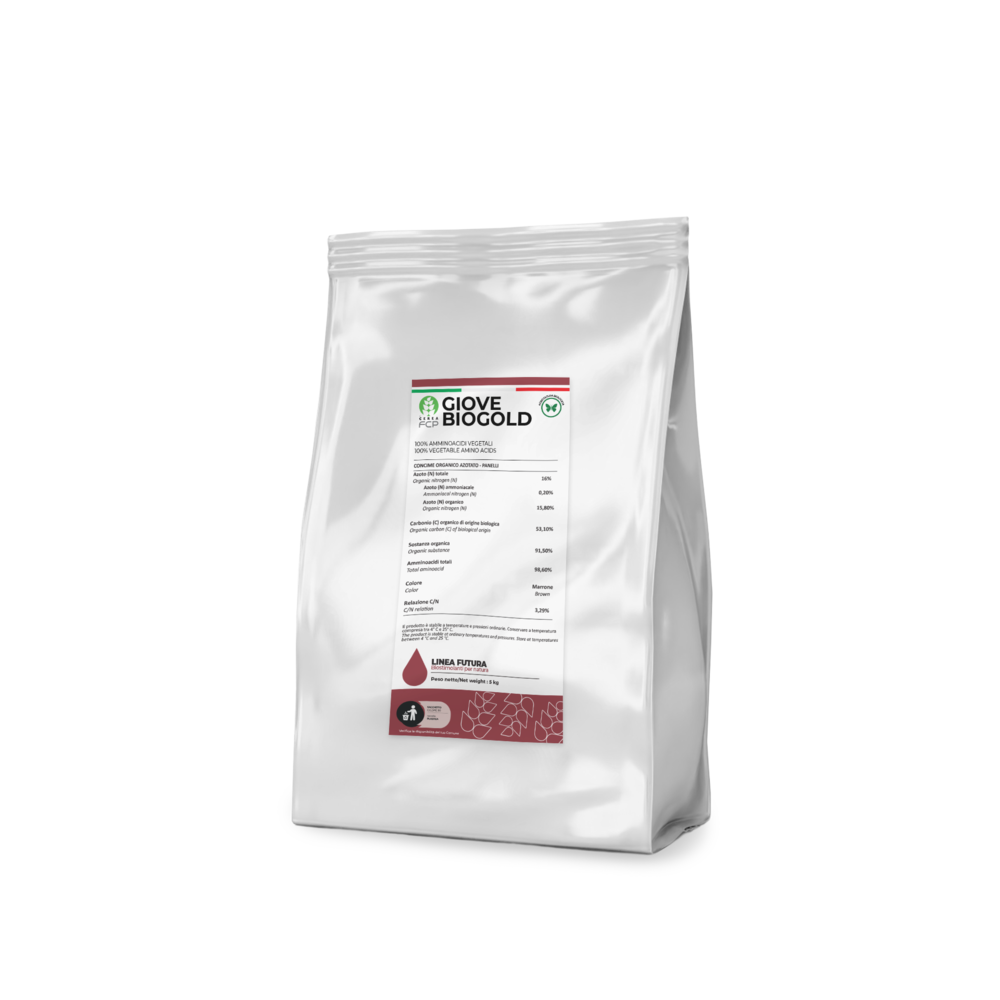
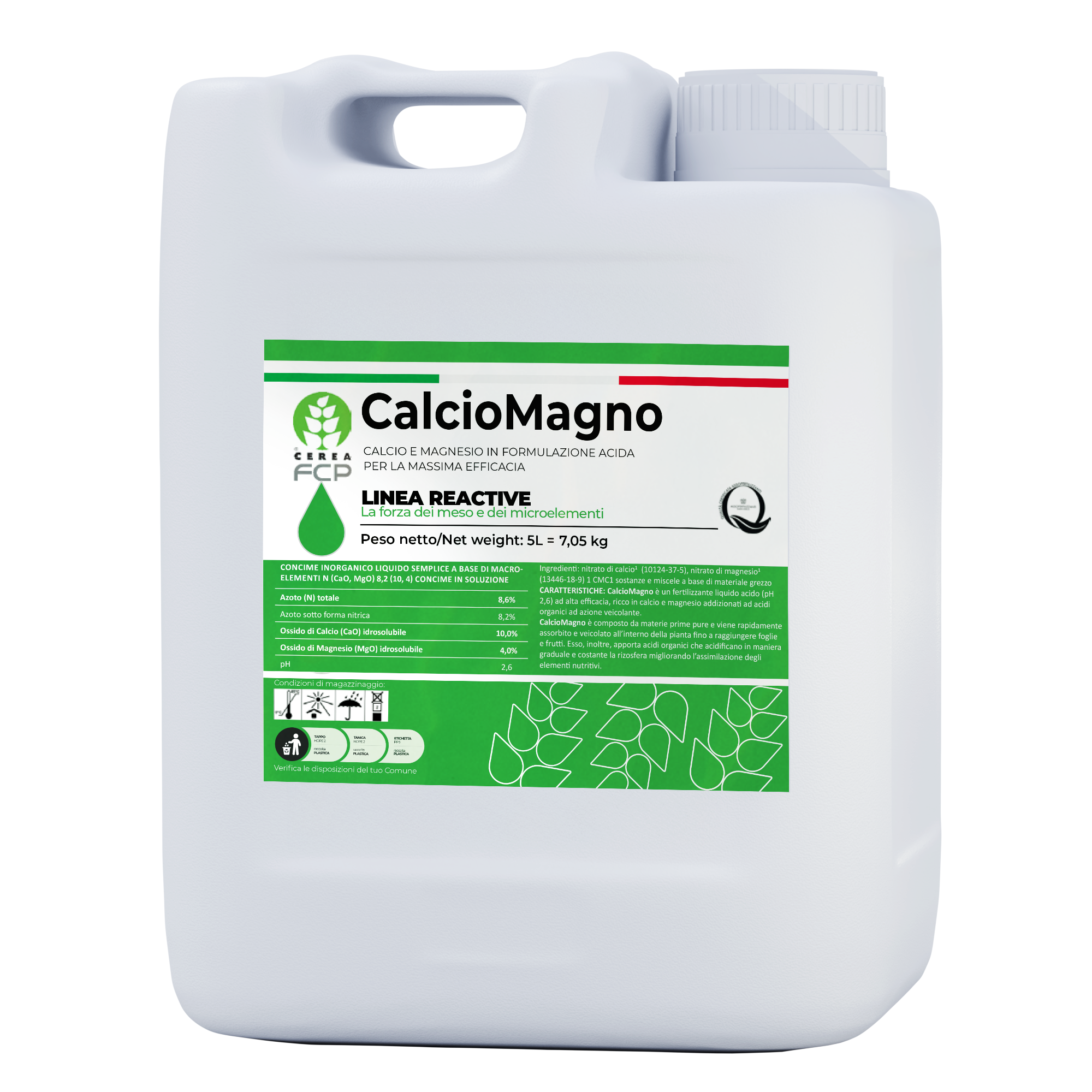

For problems of iron chlorosis, we recommend interventions with Nano.T Fe via the roots (or foliar). Dosage based on the soil's iron chlorosis index.
To strengthen the plant and make it more resistant to biotic and abiotic stress, we recommend using Nano.T Cu foliarly every 15 days from vegetative development onwards.
In saline, sodic, calcareous soils with an alkaline pH, add CALCITO at a dose of 10 l/ha every 25-30 days.
To create favorable environments for maintaining healthy leaves, shoots, and fruits, use Nano.T Total
PRODUCT POSITIONING BY PHENOLOGICAL PHASE - ORGANIC LINE
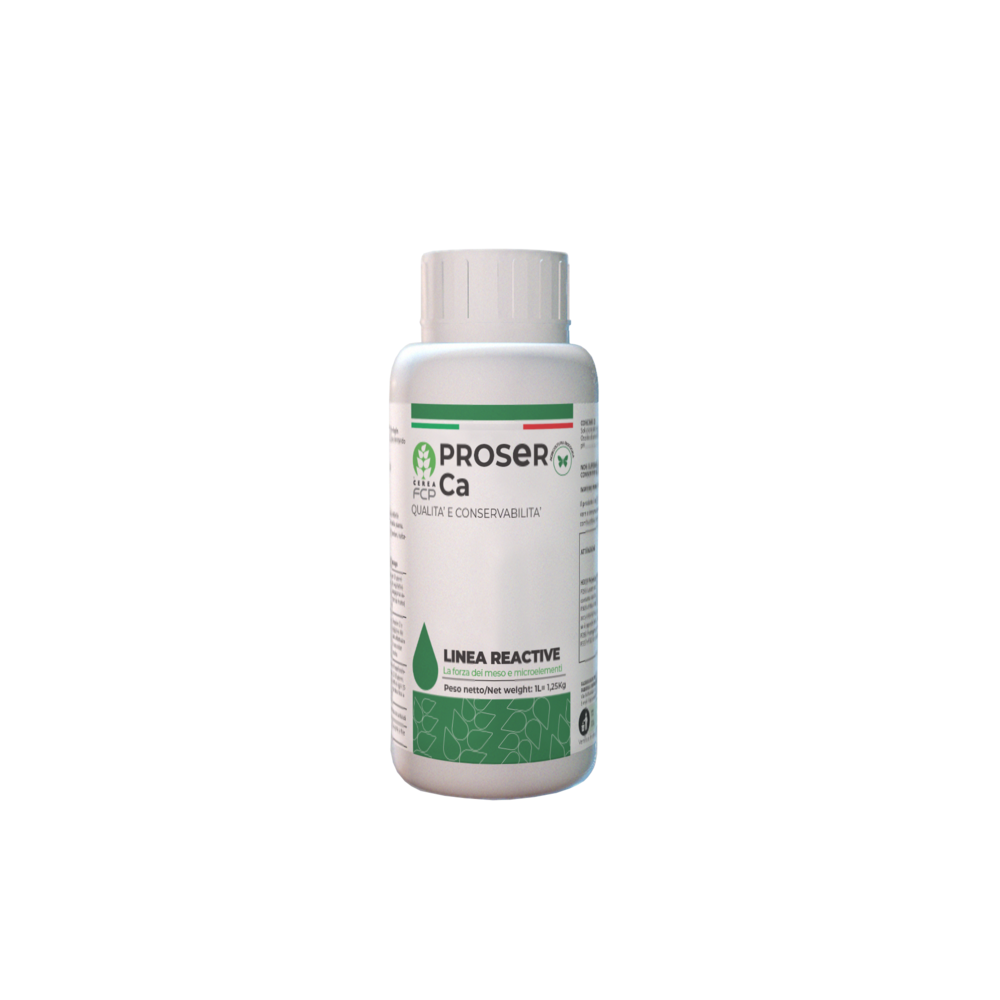
Products used in this phase


For iron chlorosis problems, we recommend applying Nano.T Fe BIO through the roots (or foliar). Dosage depends on the soil's iron chlorosis index.
To strengthen the plant and make it more resistant to biotic and abiotic stress, we recommend using Nano.T Cu BIO foliar application every 15 days from vegetative growth onwards.
Need assistance?
The post-harvest phase is essential to replenish nutrients removed during production, support the plant after harvest stress, and ensure a healthy vegetative restart.
Granular organo-mineral fertilizers provide complete and gradual nutrition (Vinfrutto, Granoro, and/or Flex, depending on soil characteristics and nutrient levels).
To enhance flavor, color, and storability, it is important to act from the post-flowering/fruit set stage, supplying key nutrients such as calcium (Magnetical, Focus Ca, CalcioMagno), phosphorus (Leaf P-Ca), and potassium (K-Fast, Leaf K), which directly influence the organoleptic quality and appearance of the fruits.