


Potato is an extremely important crop in global agriculture, ranking fourth after rice, wheat, and corn. China, followed by India, is the largest producer worldwide, while in Europe, Ukraine, Germany, and France have the largest cultivated areas.
Italy grows a wide variety of cultivars, both commercial and traditional, including varieties with DOP and IGP designations and others of local cultural and gastronomic significance.
Potatoes are an excellent source of complex carbohydrates, dietary fiber, vitamins (B1, B3, B6, C), minerals (potassium, manganese, phosphorus), and antioxidants. They are naturally fat-free and can be an important component of balanced diets.
Critical issues include late blight and wireworms, making fungicide treatments, proper crop rotation, and the use of antagonistic microorganisms important.
Nutritional advice for potato
- Nitrogen: Essential but must be carefully managed; excess nitrogen promotes vegetative growth at the expense of tuber formation, delays maturity, and reduces tuber quality and starch content.
- Phosphorus: Promotes root development. Using microgranules at planting ensures rapid and uniform emergence. Phosphorus also remains important during tuber formation and enlargement to obtain numerous and uniform-sized tubers.
- Potassium: Potassium is critical for potato quality and should be applied mainly before planting.
- Calcium and magnesium: Support photosynthesis, improve tuber flesh and skin strength, and increase resistance during handling.
Follow recommended dosages and application methods to achieve uniform tuber size, higher yields, and better storability.

PRODUCT POSITIONING BY PHENOLOGICAL PHASE - TRADITIONAL LINE




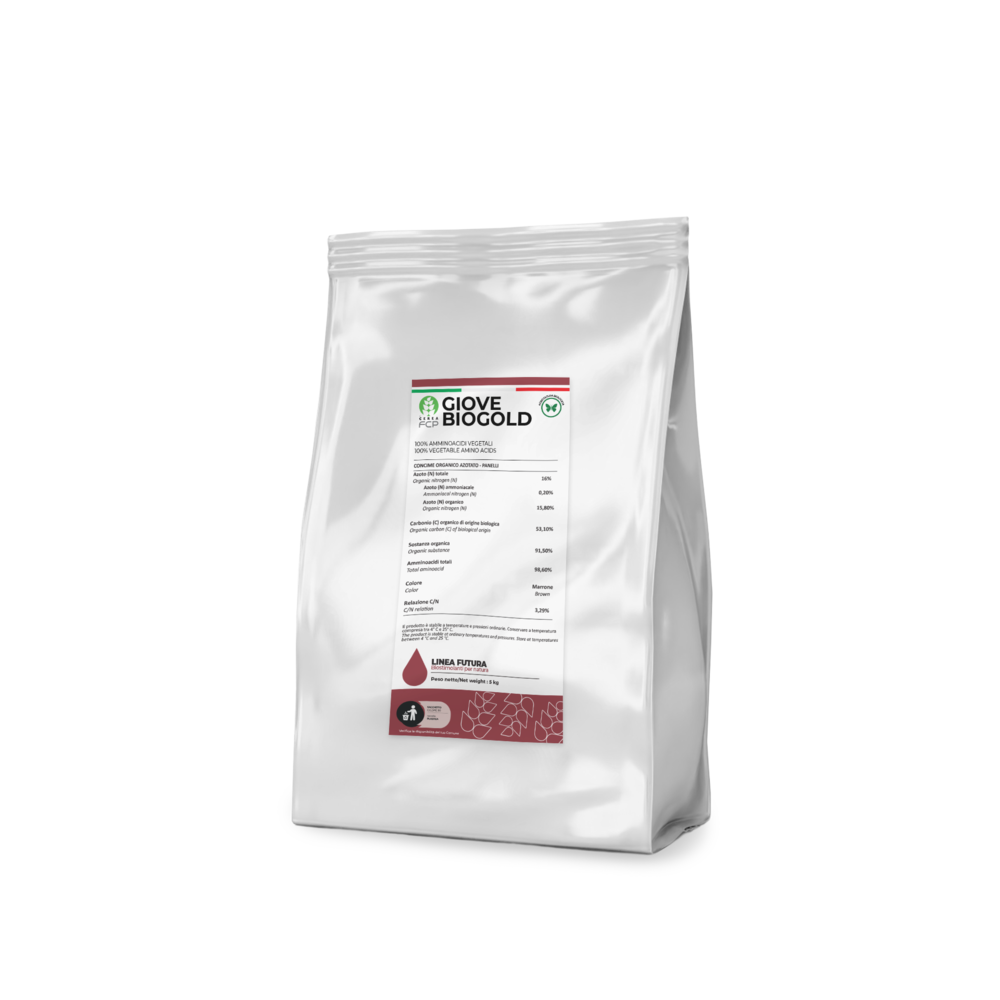
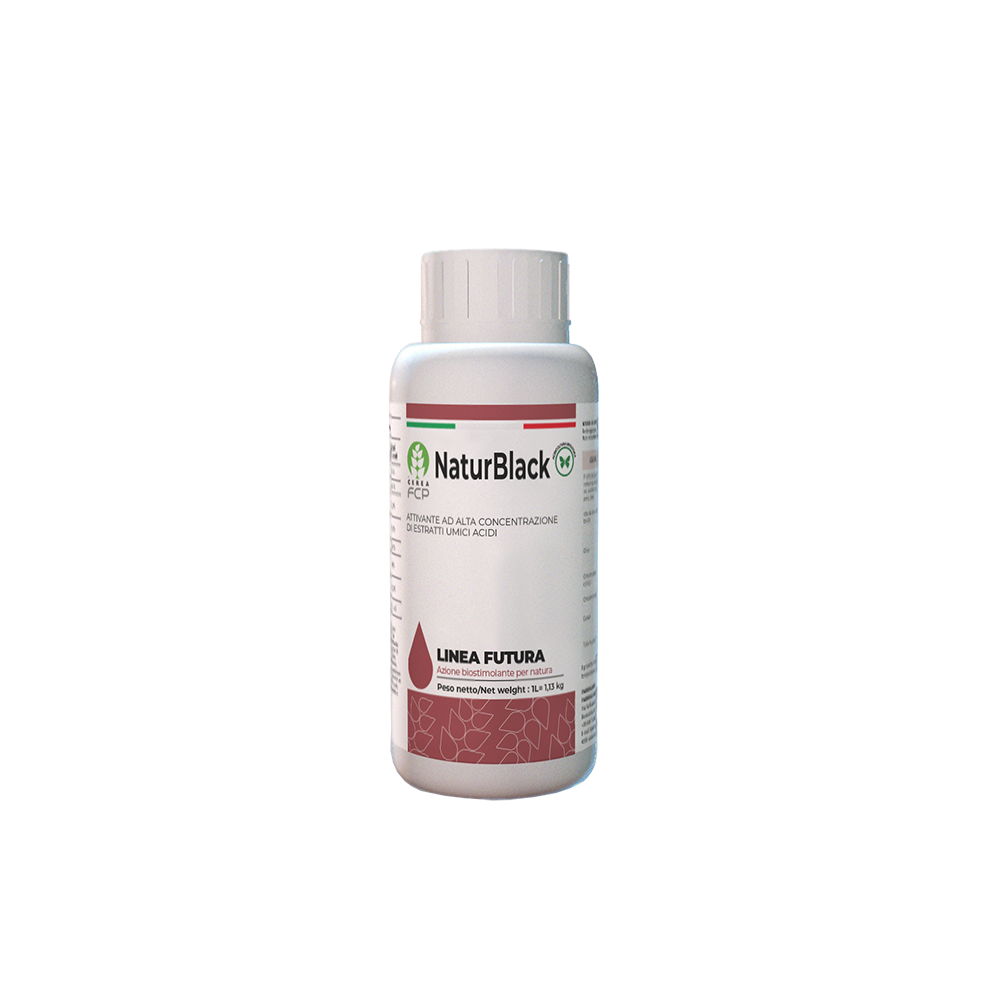







For problems of iron chlorosis, we recommend interventions with Nano.T Fe via the roots (or foliar). Dosage based on the soil's iron chlorosis index.
To strengthen the plant and make it more resistant to biotic and abiotic stress, we recommend using Nano.T Cu foliarly every 15 days from vegetative development onwards.
In saline, sodic, calcareous soils with an alkaline pH, add CALCITO at a dose of 10 l/ha every 25-30 days.
To create favorable environments for maintaining healthy leaves, shoots, and fruits, use Nano.T Total and A-Myco
To create favorable environments for healthy root systems, use Mycovix.
PRODUCT POSITIONING BY PHENOLOGICAL PHASE - ORGANIC LINE
Products used in this phase


For iron chlorosis problems, we recommend applying Nano.T Fe BIO through the roots (or foliar). Dosage depends on the soil's iron chlorosis index.
To strengthen the plant and make it more resistant to biotic and abiotic stress, we recommend using Nano.T Cu BIO foliar application every 15 days from vegetative growth onwards.
To create favorable environments for maintaining healthy leaves, shoots, and fruits, use A-Myco
To create favorable environments for healthy root systems, use Mycovix.

Need assistance?
It is important to act during tuber formation and enlargement using highly active products, mainly based on short-chain humic substances (Stim Up) and humic and fulvic acids with a stimulating effect (Naturablack).
In addition to balanced and appropriate base fertilization with organo-mineral granular sulfates (Jolly), it is recommended to use a microgranular starter fertilizer at planting (Super Power Plus, Super Power Humic) to promote uniform emergence.
During maturation, careful management of potassium nutrition is recommended (critical for potato cultivation), using highly assimilable and transportable products (K-Fast, Leaf K). Calcium-containing products are also useful at this stage, as they improve storability and strengthen the skin (CalcioMagno, Magnetical, Focus Ca)