


Cultivation and Fertilization of Wine Grapes
Viticulture represents one of the most important sectors in Italian agriculture, both economically and culturally.
Italy is the world’s leading wine producer and exporter by volume, second only to France in value.
Italy boasts an unmatched varietal diversity, allowing the production of high-quality wines that reflect the unique characteristics of its many terroirs.
However, this remains a highly competitive market, facing increasing global competition, particularly from emerging economies.
For these reasons, Italian viticulture is among the most innovative agricultural sectors, characterized by modern technologies that help optimize resources while enhancing quality.
Climatic Conditions and Main Challenges
The grapevine (Vitis vinifera) can grow in a wide range of soil and climatic conditions, though it prefers well-drained, medium-textured soils.
The plant requires good sunlight exposure and long, warm summers to ensure complete ripening of the clusters.
Among the main threats are fungal diseases such as downy mildew and powdery mildew.
Control strategies vary, but protective copper-based treatments remain a typical and effective approach.
In addition, climate change is causing an earlier bud break, increasing the risk of late frost damage or, conversely, sunburn injuries during heat waves.
Nutritional Recommendations for Wine Grapes
Autumn fertilization is recommended using NPK organo-mineral products, with special attention to nitrogen management, as excessive nitrogen can lead to groundwater pollution, higher disease susceptibility, and lower Brix levels.
This fertilization stage is essential for restoring nutrient reserves after harvest.
Later, during vegetative regrowth, nitrogen supply should be adjusted according to vine vigor, and fertilizers with higher potassium content and mesoelements such as calcium and sulfur are generally recommended.
Foliar applications play a crucial role: phosphorus and calcium, combined with amino acid- and seaweed-based biostimulants, help enhance flowering, fruit set, and stress recovery.
To address specific stress conditions or nutrient deficiencies, copper-based nanonutrients (foliar) and iron-based fertigation treatments can be applied to prevent and control iron chlorosis.
Finally, to ensure high wine quality, the yeast fermentation process must proceed smoothly and completely.
This requires an adequate level of Yeast Assimilable Nitrogen (YAN), which can be achieved through targeted interventions at the end of veraison.
You can find below the most effective strategies for the proper fertilization of wine grapes, aimed at achieving the right balance between yield and quality.

PRODUCT POSITIONING BY PHENOLOGICAL PHASE - TRADITIONAL LINE
Products used in this phase


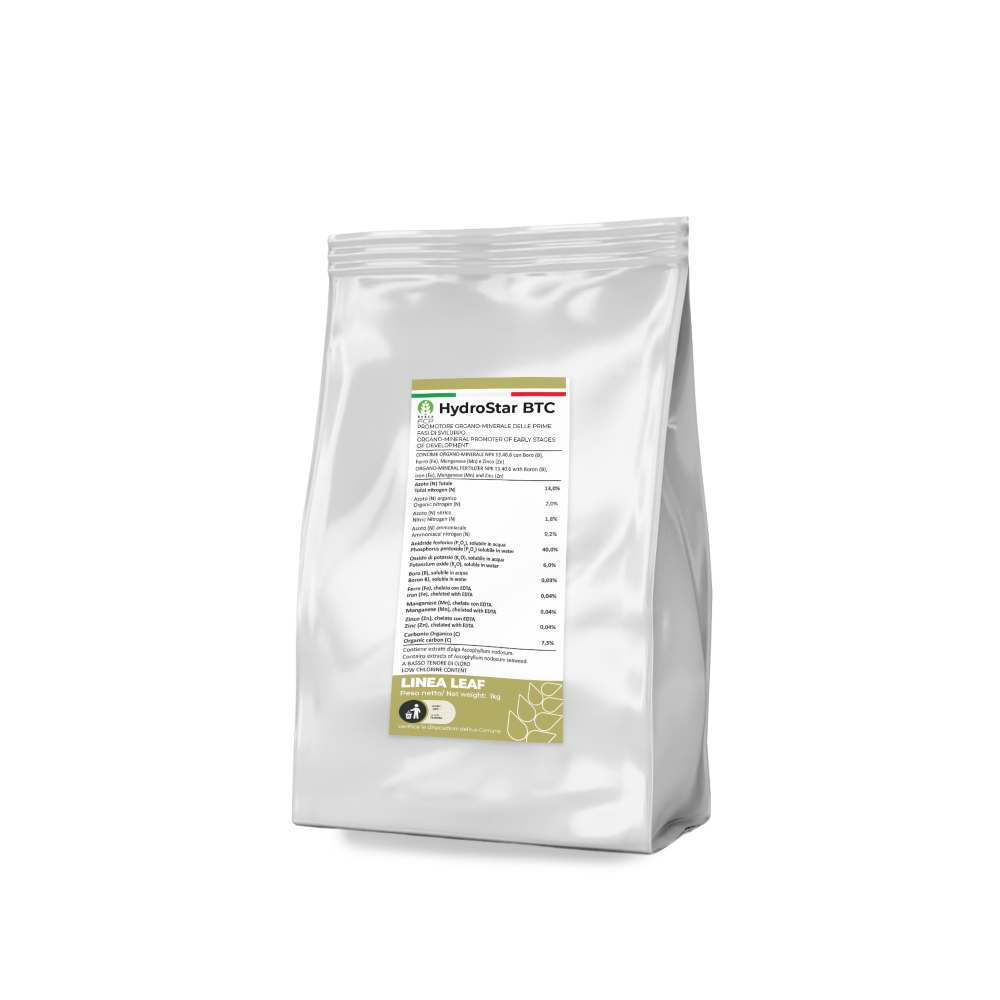


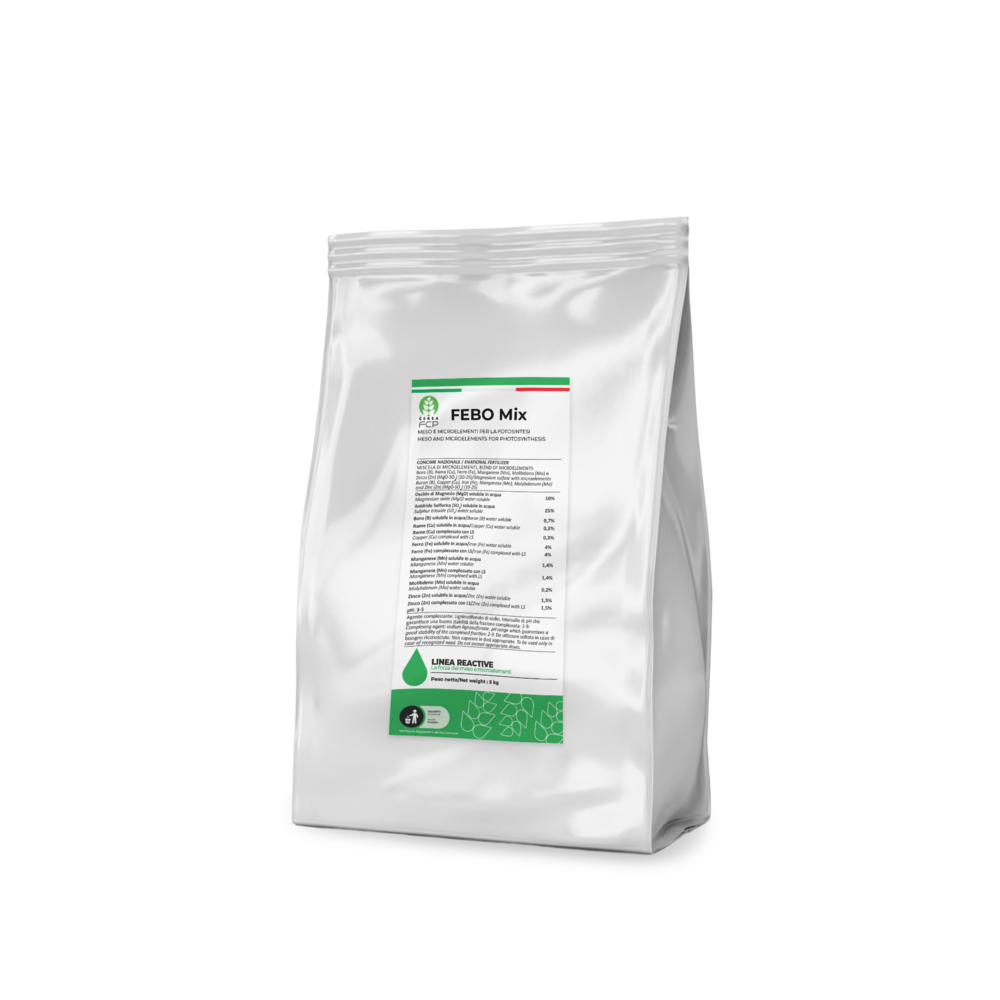


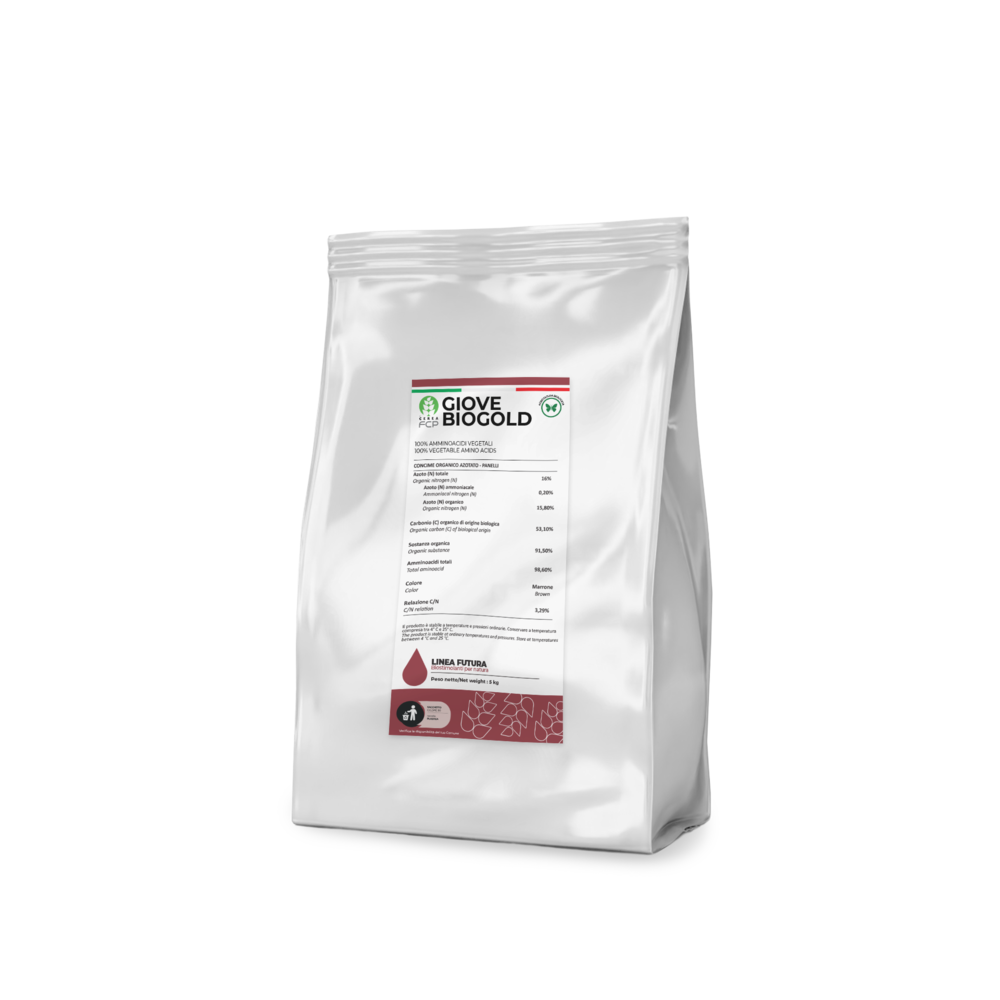
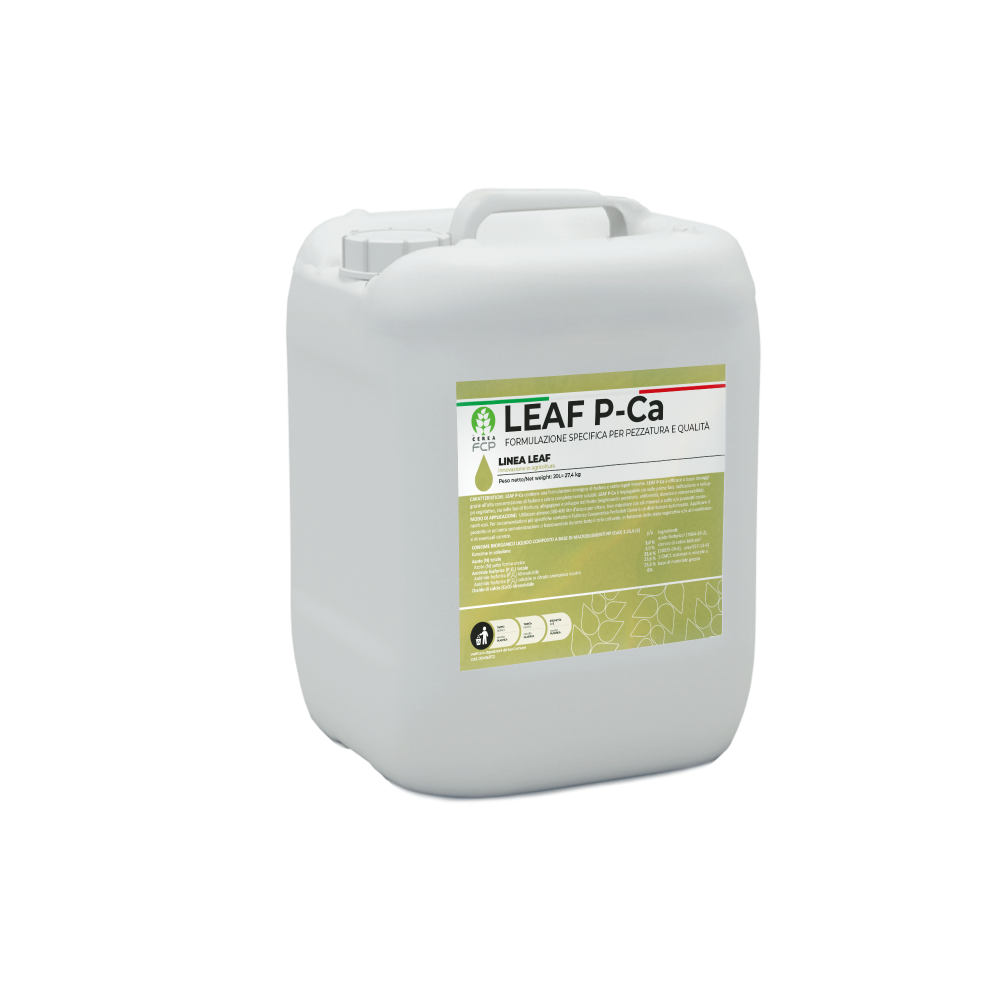
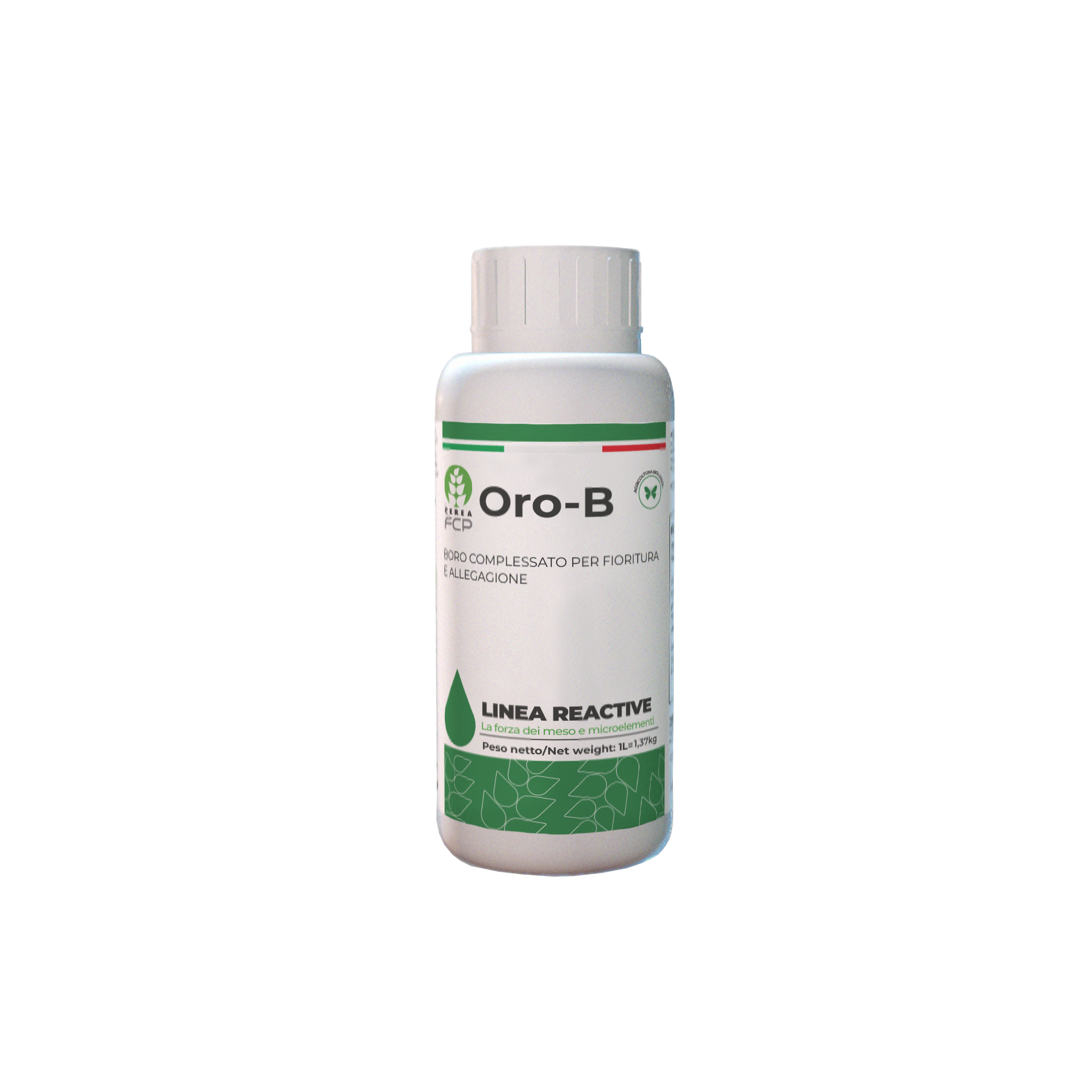


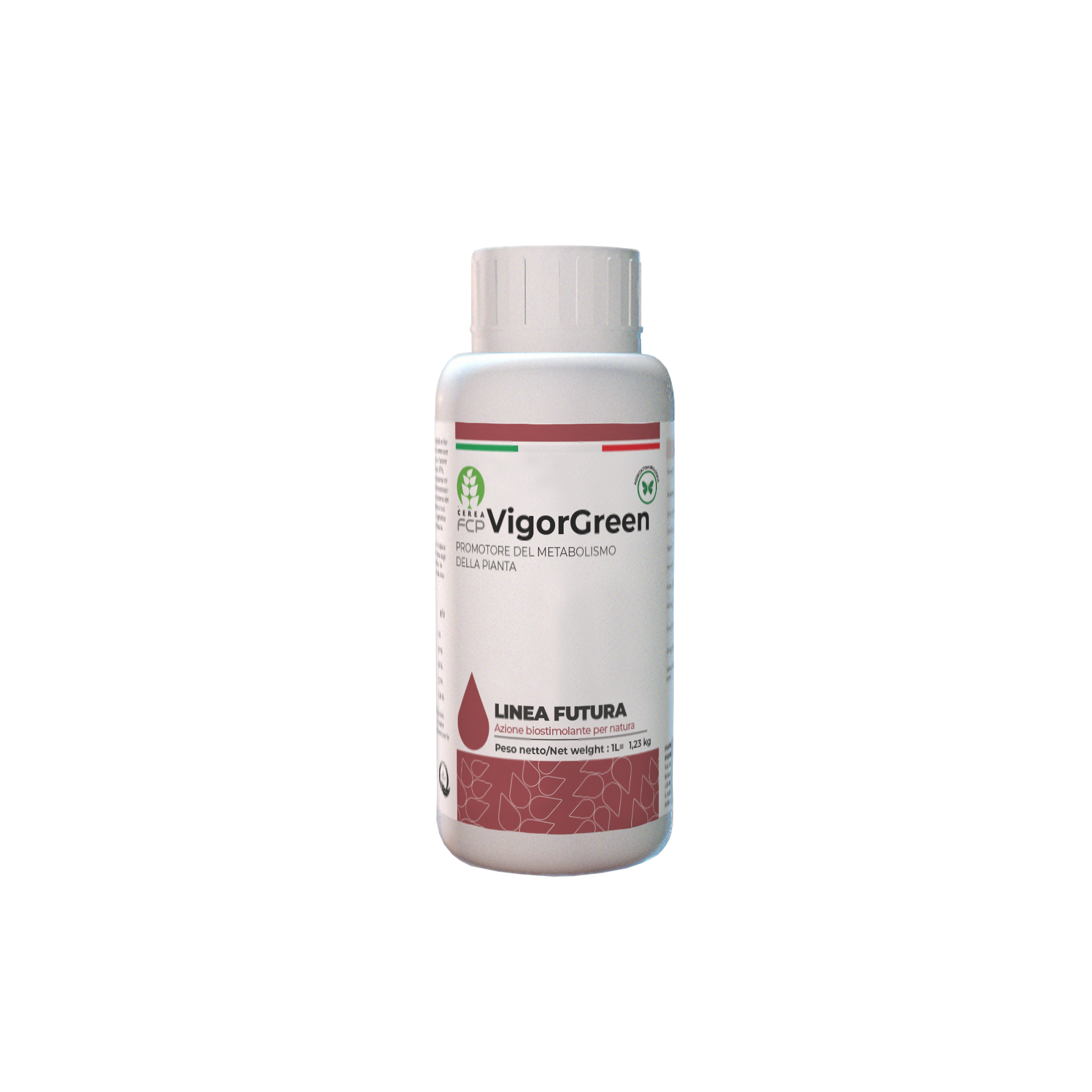

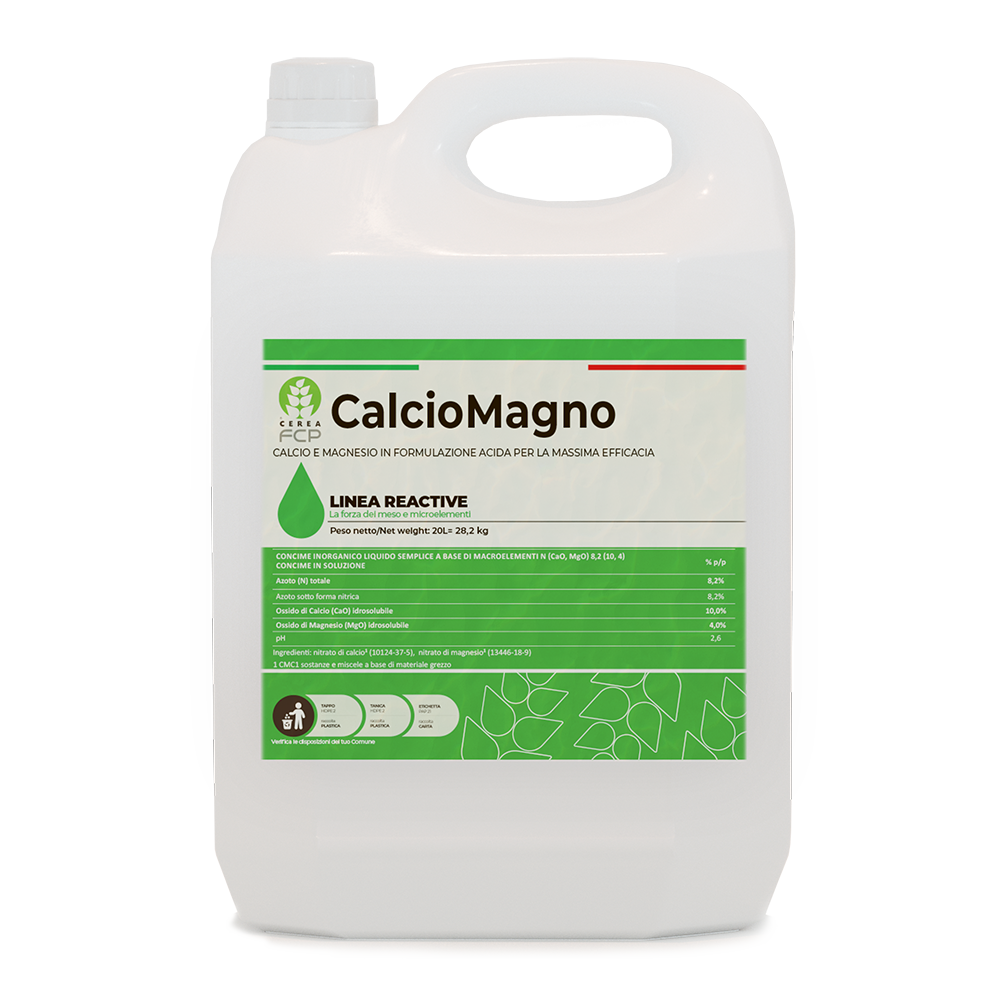


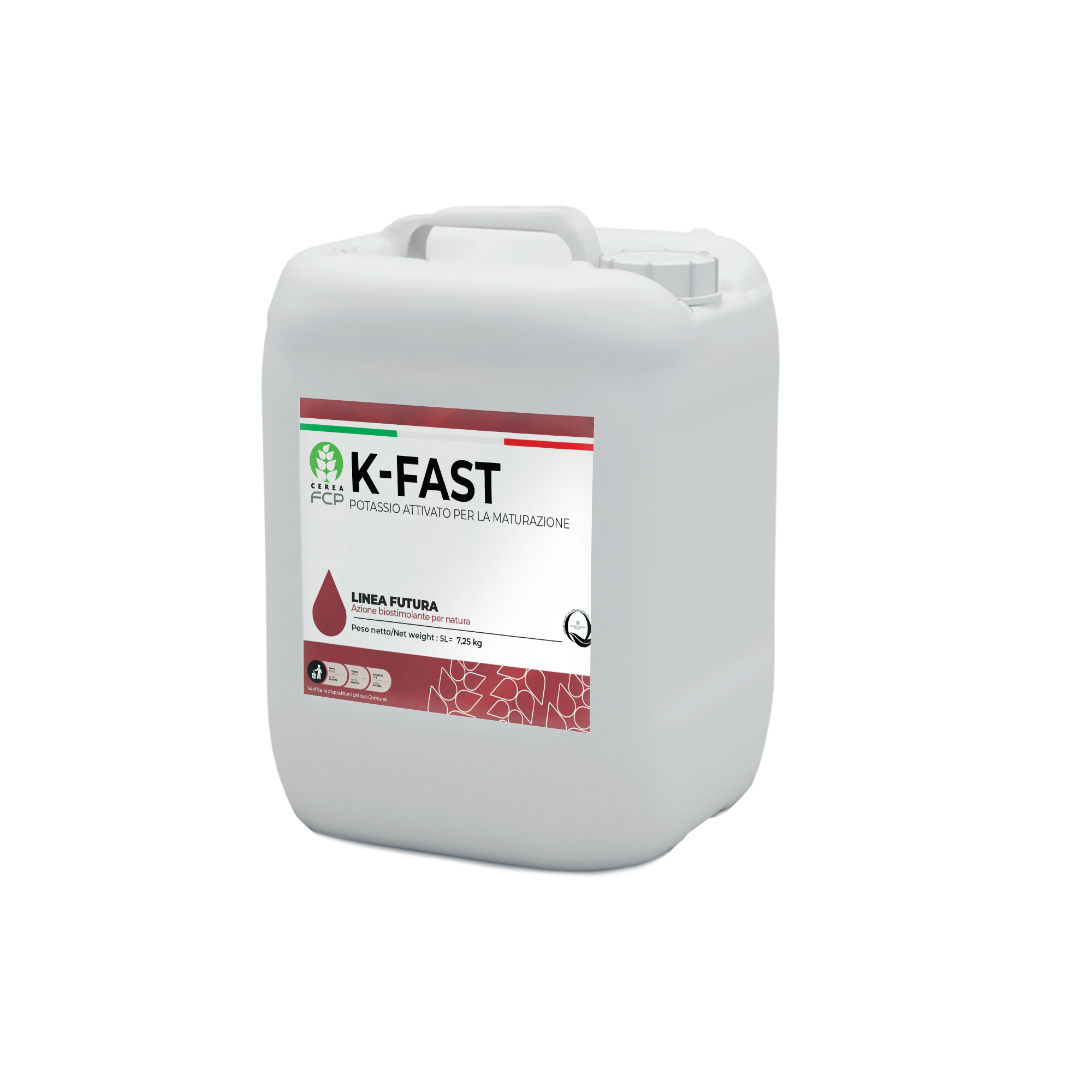

For problems of iron chlorosis, we recommend interventions with Nano.T Fe via the roots. Dosage based on the soil's chlorinating power index.
To strengthen the plant and make it more resistant to biotic and abiotic stress, we recommend using Nano.T Cu foliarly every 15 days from vegetative development onwards.
In saline, sodic, calcareous soils with an alkaline pH, add CALCITO at a dose of 10 l/ha every 25-30 days.
To create favorable environments for maintaining healthy leaves, shoots, and fruits, use Nano.T Total
PRODUCT POSITIONING BY PHENOLOGICAL PHASE - ORGANIC LINE


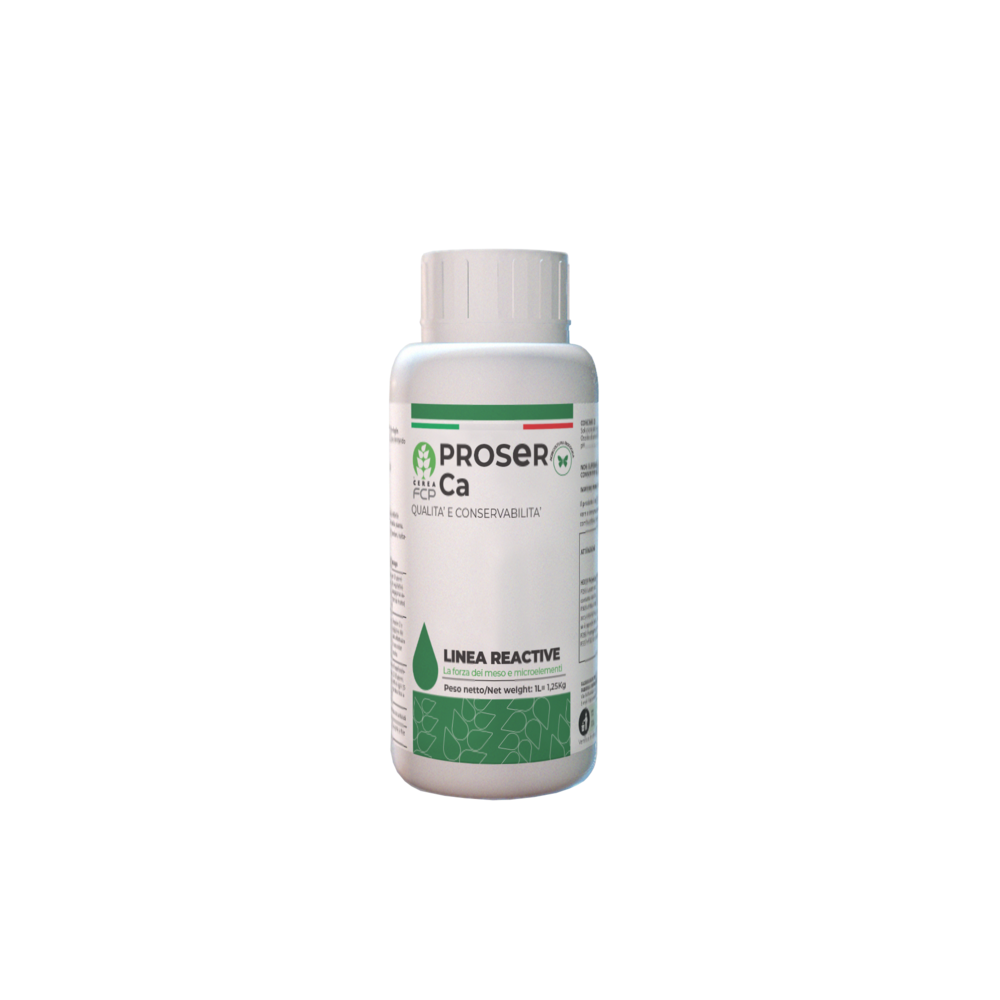
For iron chlorosis problems, we recommend applying Nano.T Fe BIO through the roots. Dosage depends on the soil's chlorinating power index.
To strengthen the plant and make it more resistant to biotic and abiotic stress, we recommend using Nano.T Cu BIO foliar application every 15 days from vegetative growth onwards.

Need assistance?
It is important to use products that thicken and reinforce the plant’s cell walls and membranes.
Equally important is to stimulate the vine to produce its own elicitor substances, which trigger the plant’s natural self-defense mechanisms.
Nano.T Cu and Nano.T Cu Bio help the plant synthesize phytoalexins, ensuring uniform and complete coverage of the vegetative apparatus.
The post-harvest phase is crucial because it replenishes the nutrient reserves that were depleted during the production season and supports the maturation of canes and buds.
It also helps the vine recover from the stress of harvest.
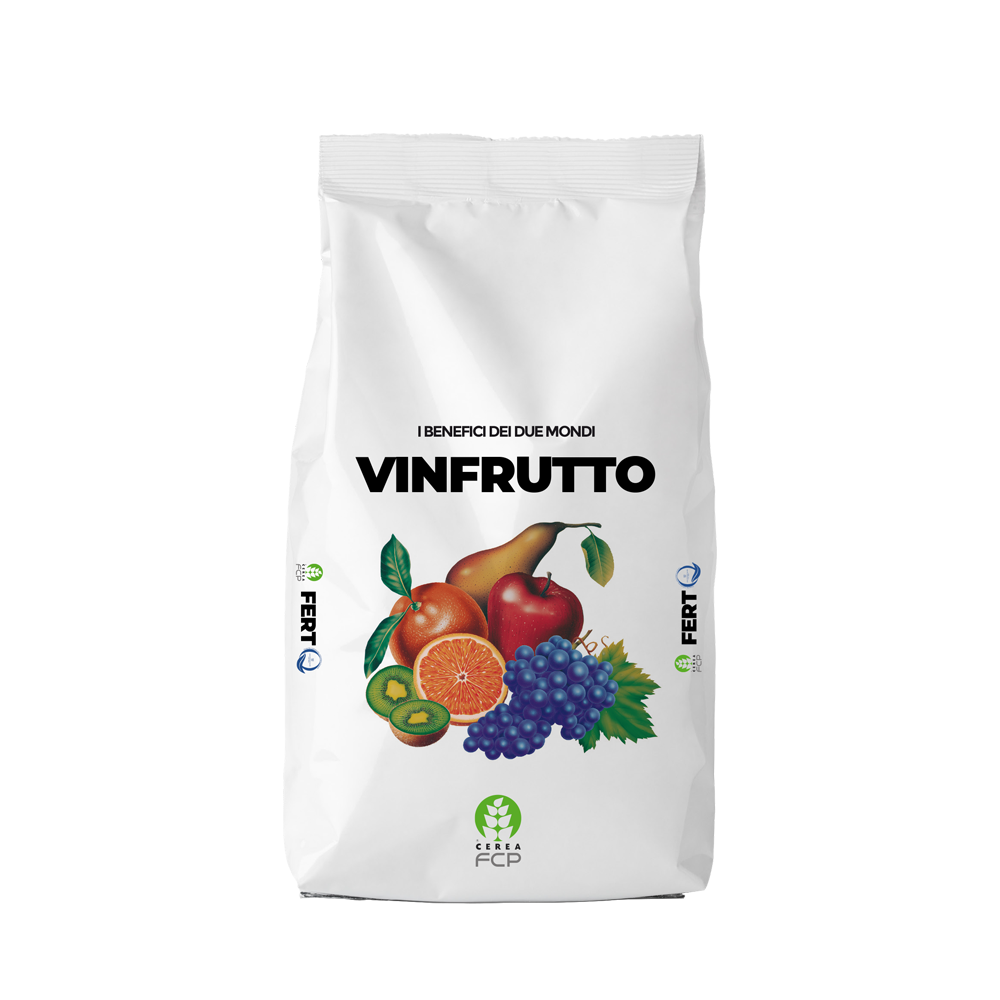
The use of organo-mineral granular fertilizers is ideal for this purpose (Vinfrutto).
A higher Brix level can be achieved through rational management of irrigation and nitrogen fertilization.
Additional support can be provided by using amino acid-based products, particularly those rich in methionine, a precursor of ripening that enhances sugar accumulation without causing over-ripening (Glycos Plus).
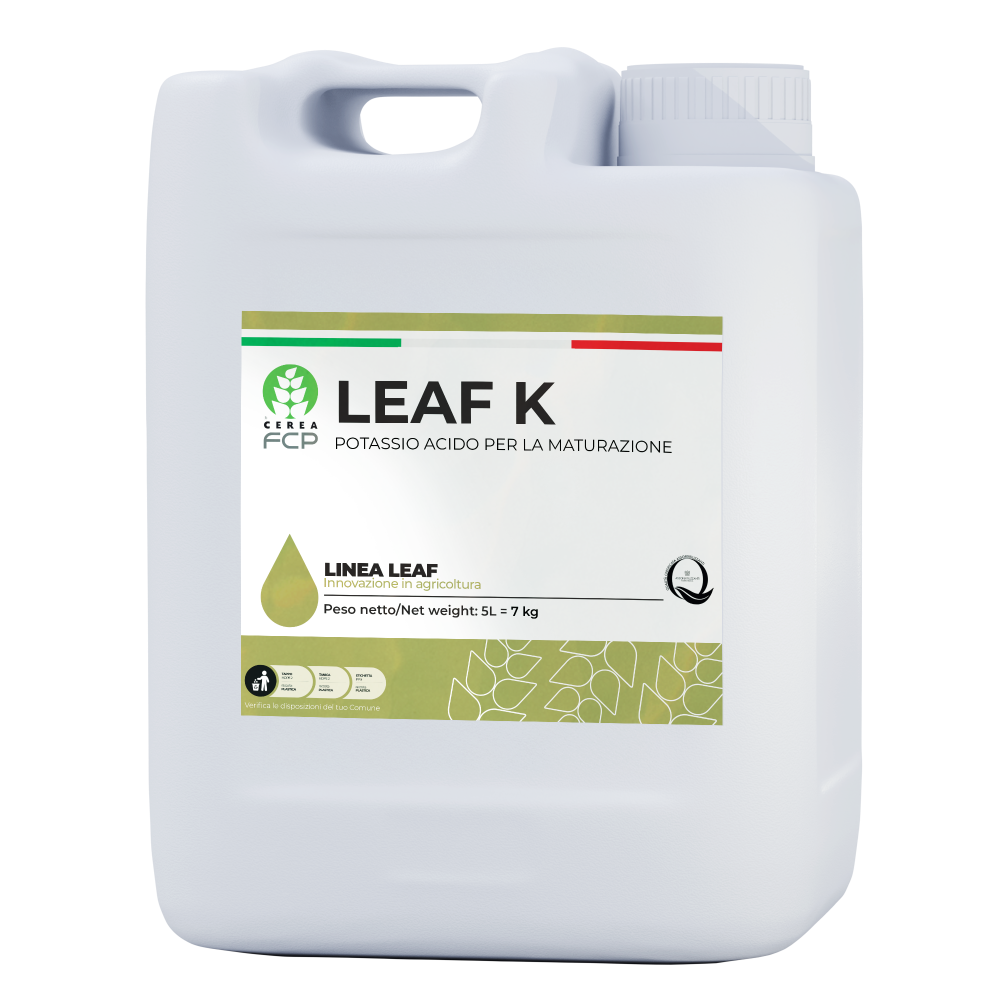
Potassium also plays a key role in this process, especially when applied in combination with the aforementioned products (Leaf K).