



Zucchini (Cucurbita pepo) is widely cultivated in many countries, primarily China and India. Italy is among the European leaders along with Spain, with most production in open fields.
The domestic market absorbs almost the entire Italian production. Italy also stands out for its extraordinary varietal diversity: from the dark “Milanese” zucchini of the North, to the light “Emilian” types, to Lazio and Tuscany zucchinis with flowers, and the striped Romanesco-Florentine varieties.
Zucchini is a fast-growing plant that prefers warm climates, with a staggered flowering pattern ensuring continuous production. Both the fruit and the flowers have an interesting and profitable market.
Main challenges include fungal diseases (especially downy mildew and powdery mildew), viruses transmitted by aphids and whiteflies, and nematodes.
Nutritional Advice for Zucchini
- Apply a base fertilization with NPK formulations emphasizing nitrogen and potassium.
- Phosphorus applied through fertigation is important post-transplant to stimulate rooting and support flowering.
- The highest nutrient uptake occurs during flowering and fruit enlargement, when the plant accumulates maximum dry matter.
- During these stages, calcium and magnesium combined with microelements and amino acids are crucial to ensure good fruit firmness.
- The use of microbial pools is recommended to regenerate tired soils and counteract phytopathologies.
Below, you will find the most effective strategies for optimal zucchini fertilization.

PRODUCT POSITIONING BY PHENOLOGICAL PHASE - TRADITIONAL LINE




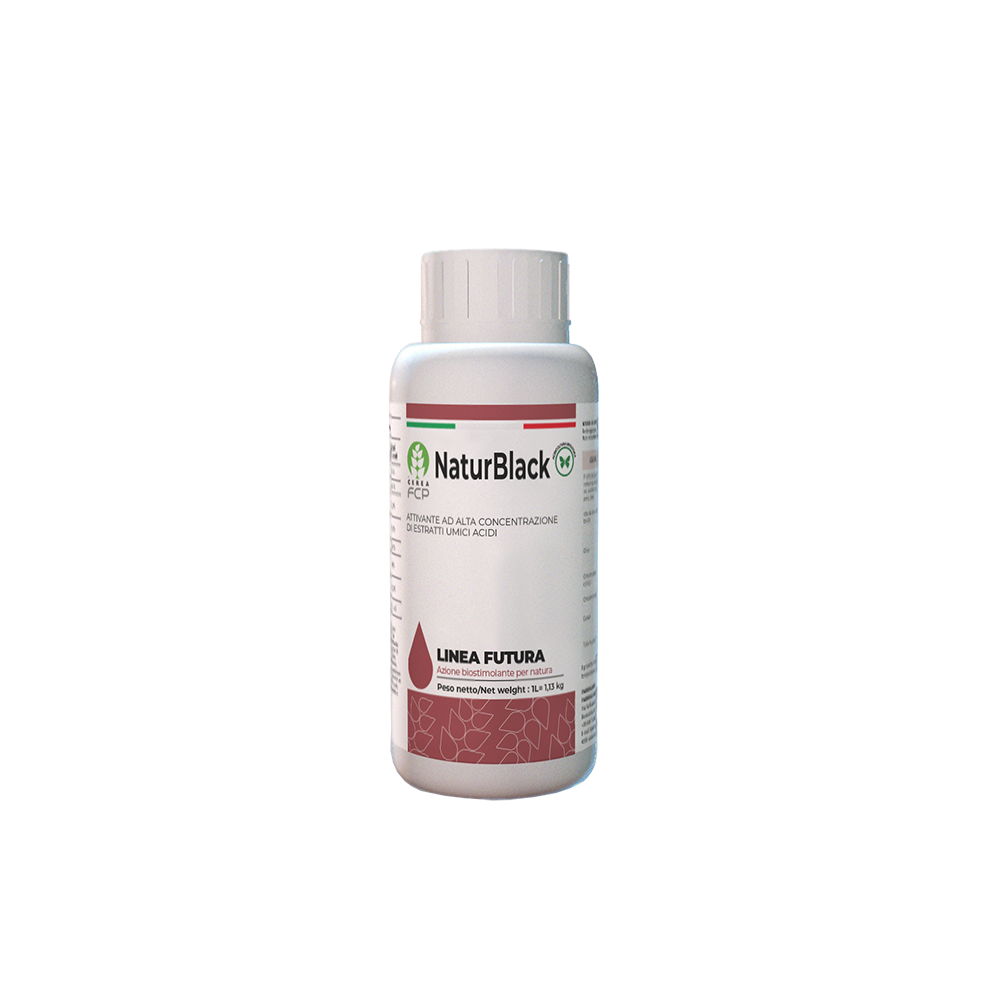
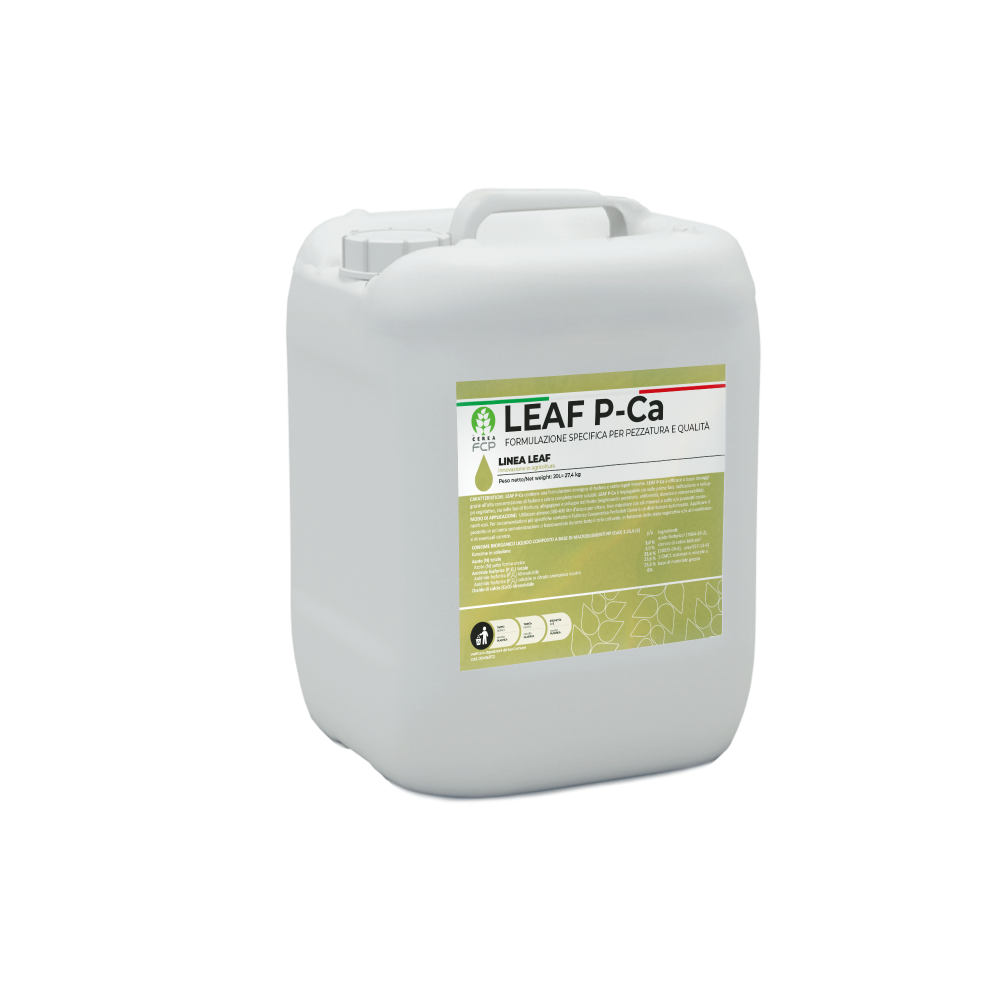


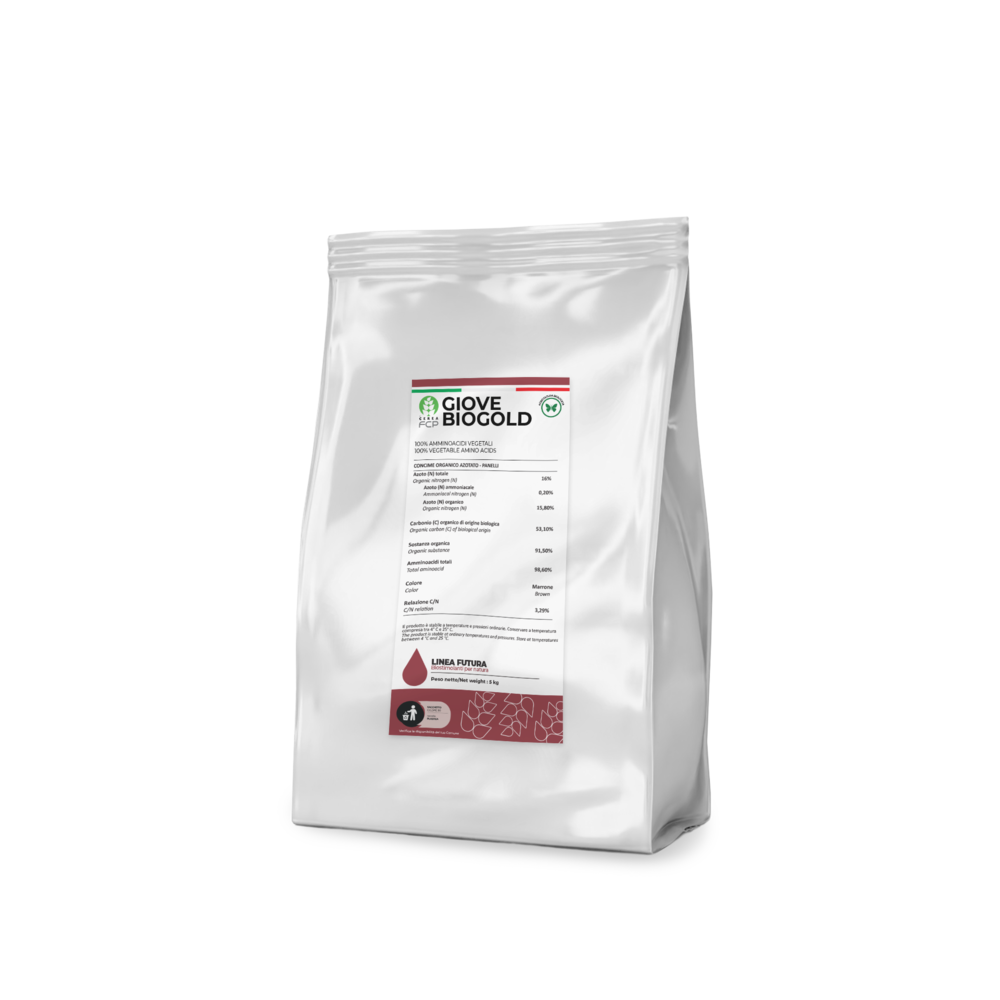
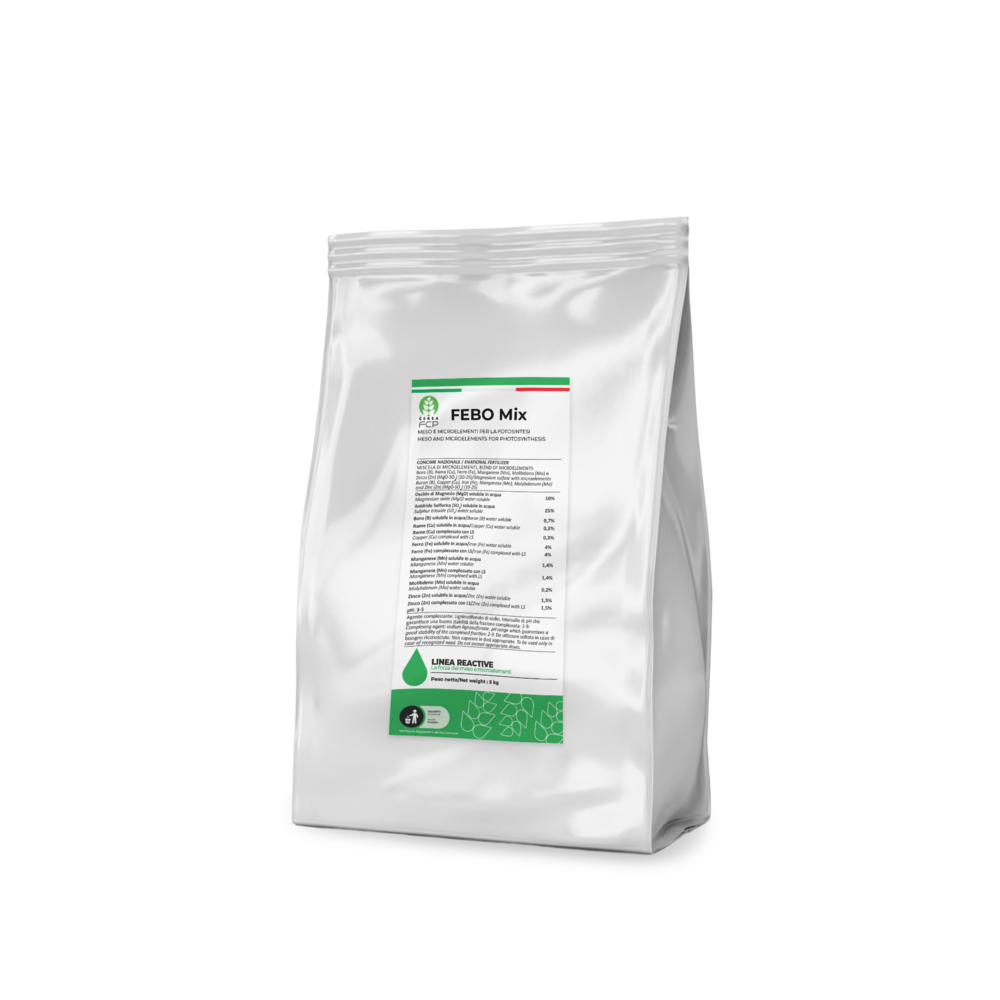







For problems of iron chlorosis, we recommend interventions with Nano.T Fe via the roots (or foliar). Dosage based on the soil's iron chlorosis index.
To strengthen the plant and make it more resistant to biotic and abiotic stress, we recommend using Nano.T Cu foliarly every 15 days from vegetative development onwards.
In saline, sodic, calcareous soils with an alkaline pH, add CALCITO at a dose of 10 l/ha every 25-30 days.
To create favorable environments for maintaining healthy leaves, shoots, and fruits, use Nano.T Total and A-Myco
To create favorable environments for healthy root systems, use Mycovix.
PRODUCT POSITIONING BY PHENOLOGICAL PHASE - ORGANIC LINE

For iron chlorosis problems, we recommend applying Nano.T Fe BIO through the roots (or foliar). Dosage depends on the soil's iron chlorosis index.
To strengthen the plant and make it more resistant to biotic and abiotic stress, we recommend using Nano.T Cu BIO foliar application every 15 days from vegetative growth onwards.
To create favorable environments for maintaining healthy leaves, shoots, and fruits, use A-Myco
To create favorable environments for healthy root systems, use Mycovix.

Need assistance?
To improve zucchini plant production, it is important to avoid excessive vegetative growth and promote the development of fruits as closely spaced as possible (shorter but more productive plants). For this reason, alternating Leaf P-Ca and monopotassium phosphate is recommended to obtain more compact plants with enhanced flowering and fruiting.
During certain periods (when market demand is particularly high), it may be necessary to speed up fruit development. In these cases, Crisco is recommended, as it promotes cell division and accelerates fruit growth in a relatively short time.
Products containing microbial pools (such as Mycovix) help restore beneficial soil microfauna, especially in overexploited soils, creating an environment favorable for root development and unfavorable for biotic stress. These microbial pools also enhance nutrient uptake by the fine root system.