


Cultivation and Fertilization of the Pear Tree
The pear tree (Pyrus communis) is one of the most valuable pome fruit crops in European agriculture, particularly in Italy, where it has found ideal growing conditions in the Po Valley.
The pear thrives in cool, humid climates with cold winters and mild summers.
Main Challenges in Pear Cultivation
Climate change, marked by increasingly high summer temperatures, can negatively affect both the visual and qualitative aspects of the fruits. In this context, spring frosts also pose a risk when flowering begins too early.
In soils with high active lime content, pear trees are susceptible to iron chlorosis, which can lead to a significant reduction in yields.
Nutritional Recommendations for the Pear Tree
Nitrogen applications are very important after harvest to restore the plant’s nutrient reserves and should be carefully adjusted, especially for varieties prone to alternate bearing. Aside from this, the same guidelines for basal fertilization and nutrient replenishment described for apple trees also apply to pear trees.
Particular attention should be given to potassium supply in spring, before flowering, as this element is crucial for the flowering process and determines the final sugar content of the pears. Potassium, combined with calcium, also enhances resistance to water stress and improves fruit storability.
In calcareous soils—a common condition in many Italian growing areas—pear trees often show symptoms of iron chlorosis, characterized by the yellowing of young leaves, which in severe cases may lead to necrosis or leaf drop. Preventive or corrective action should involve fertigation with easily absorbable, non-precipitating iron-based products that help acidify the rhizosphere.
Follow our recommendations to achieve healthy plants and pears that are crisp, flavorful, and have excellent shelf life.

PRODUCT POSITIONING BY PHENOLOGICAL PHASE - TRADITIONAL LINE
Products used in this phase








For problems of iron chlorosis, we recommend interventions with Nano.T Fe via the roots (or foliar). Dosage based on the soil's iron chlorosis index.
To strengthen the plant and make it more resistant to biotic and abiotic stress, we recommend using Nano.T Cu foliarly every 15 days from vegetative development onwards.
In saline, sodic, calcareous soils with an alkaline pH, add CALCITO at a dose of 10 l/ha every 25-30 days.
To create favorable environments for maintaining healthy leaves, shoots, and fruits, use Nano.T Total
PRODUCT POSITIONING BY PHENOLOGICAL PHASE - ORGANIC LINE
Products used in this phase

For iron chlorosis problems, we recommend applying Nano.T Fe BIO through the roots (or foliar). Dosage depends on the soil's iron chlorosis index.
To strengthen the plant and make it more resistant to biotic and abiotic stress, we recommend using Nano.T Cu BIO foliar application every 15 days from vegetative growth onwards.

Need assistance?
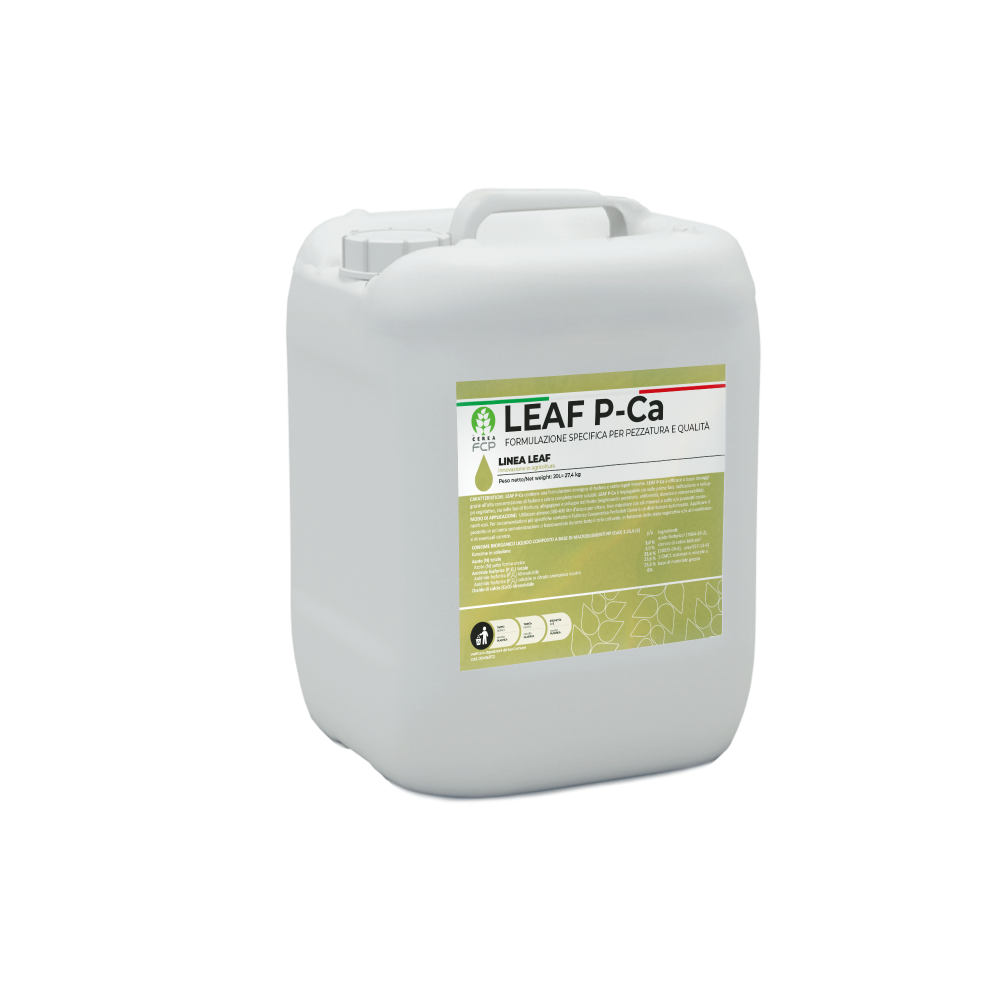
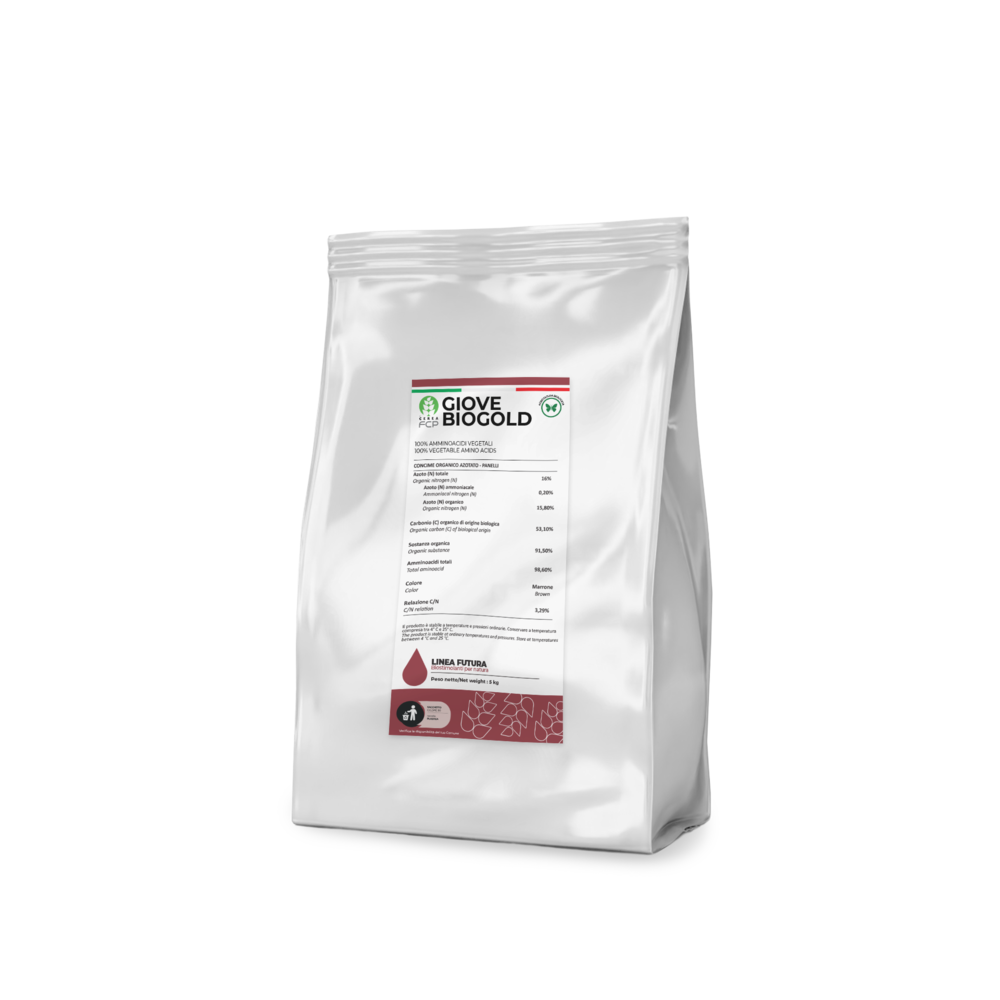
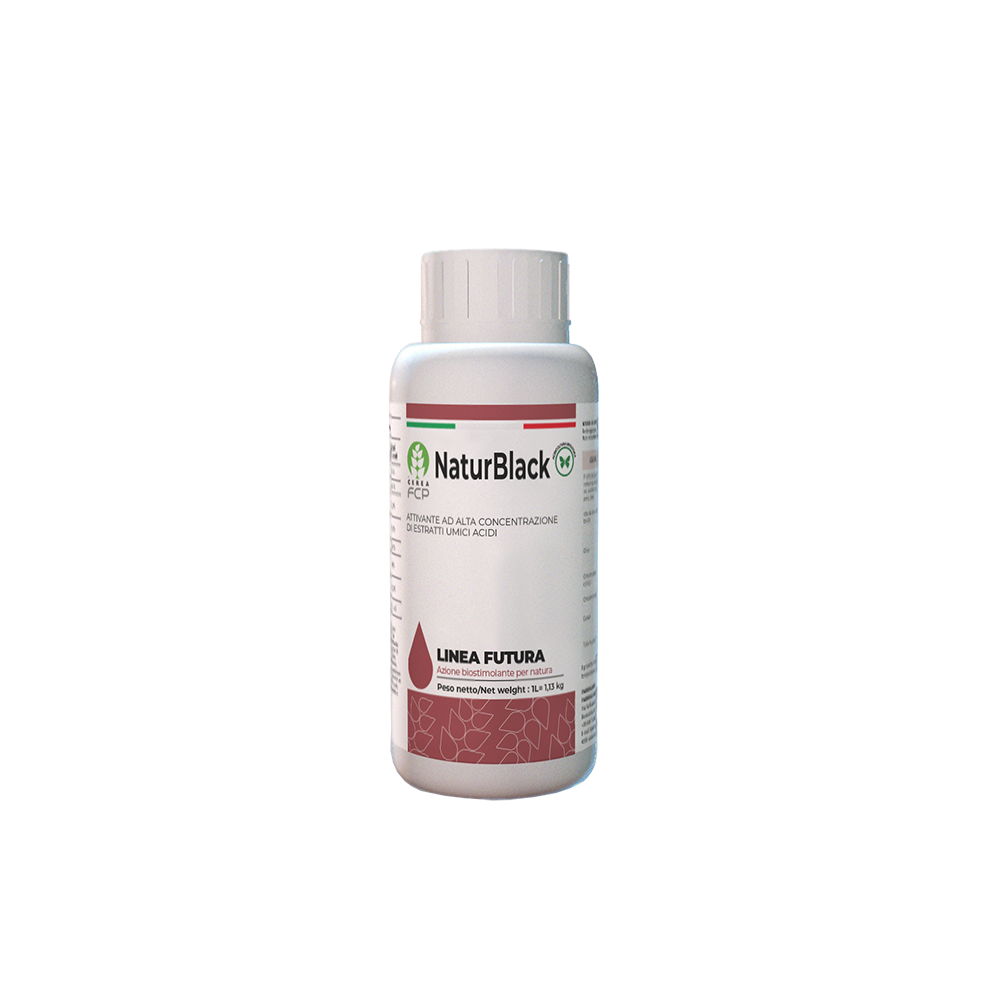
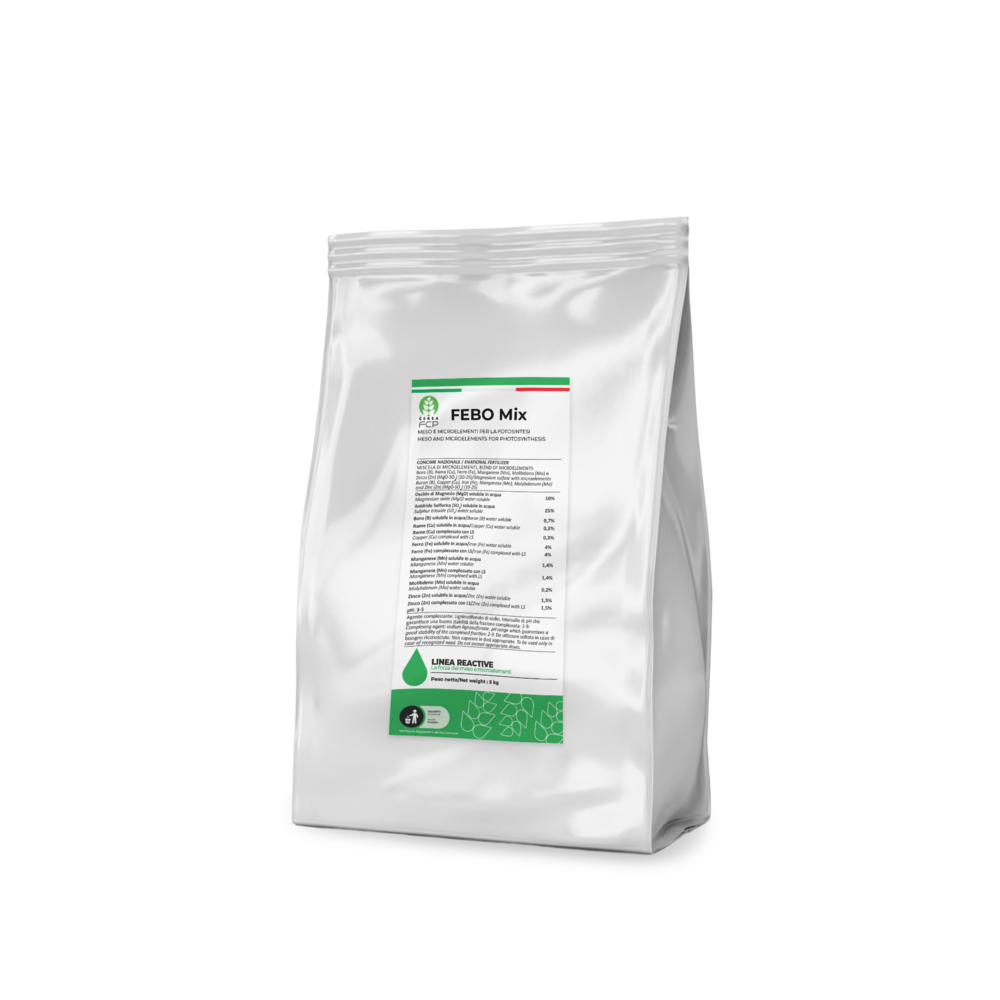
It is essential to provide a balanced supply of micronutrients (Febo Bio, Febo Mix) and to help the plant cope with environmental stress by using products with fruit-set–stimulating properties (Naturblack, Giove Bio Gold). Phosphorus also plays a key role during this delicate phenological phase (Leaf P-Ca).
It is recommended to use highly available iron-based products, especially in the presence of calcareous, sodic, alkaline, or saline soils and water. Nano.T Fe and Nano.T Fe Bio ensure a fully available iron supply for plants, even under “difficult” soil and water conditions. These products are non-leachable and non-photolabile, providing a steady and prolonged release of iron.
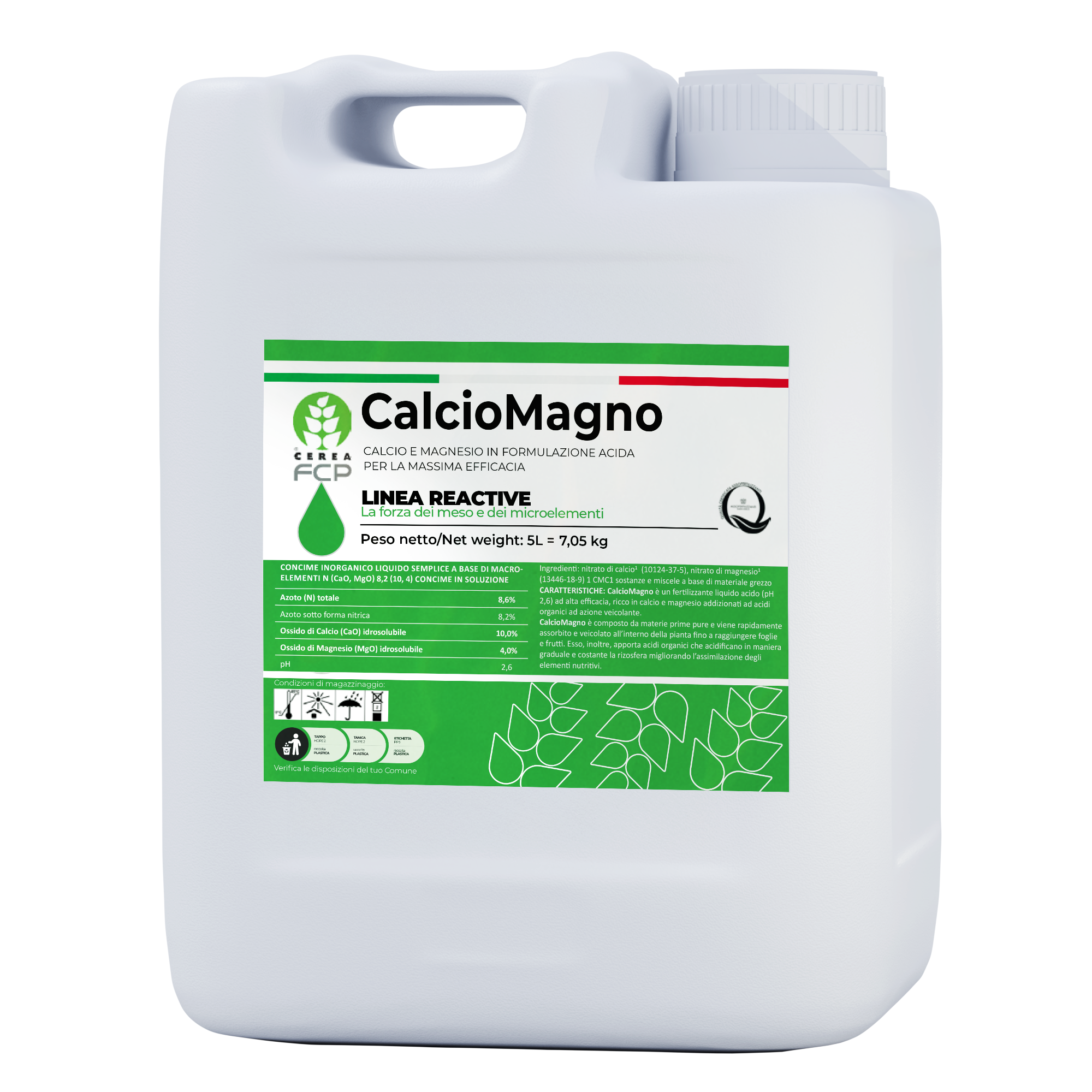
The storability of pear fruits is one of the key factors that enhances production quality. It is crucial to achieve fruits that last longer both on the tree and after harvest. Therefore, ensuring an adequate calcium supply (Magnetical, Focus Ca, CalcioMagno) and using products that promote the formation of calcium pectates in the fruit (Nano.T CaPO) are highly recommended.