


Cultivation and Fertilization of Table Grapes
Italy is Europe’s leading producer of table grapes (Vitis vinifera), a strategic sector of the national agri-food industry despite increasing competition from Peru and Chile.
Cultivation is mainly concentrated in Puglia and Sicily, as the species thrives in warm, dry, and sunny climates.
Characteristics and Main Challenges
A distinctive feature of table grape cultivation is its wide varietal range, which allows growers to extend the marketing season, ensuring a continuous supply of fresh fruit and reducing competition among producers.
Among the major phytosanitary threats are fungal diseases such as downy mildew and powdery mildew. Control strategies are diverse, but protective copper-based treatments remain the most traditional and effective.
A key physiological issue is rachis desiccation, a disorder directly linked to nutritional imbalances, which some studies associate with iron deficiency. This condition leads to rachis drying and berry drop, causing significant production losses.
Nutritional Recommendations for Table Grapes
Achieving phenological synchronization with large clusters and uniform berry size requires careful calibration of nitrogen inputs.
Biostimulant products rich in seaweed extracts help stimulate rachis elongation and berry enlargement without compromising color or sugar content.
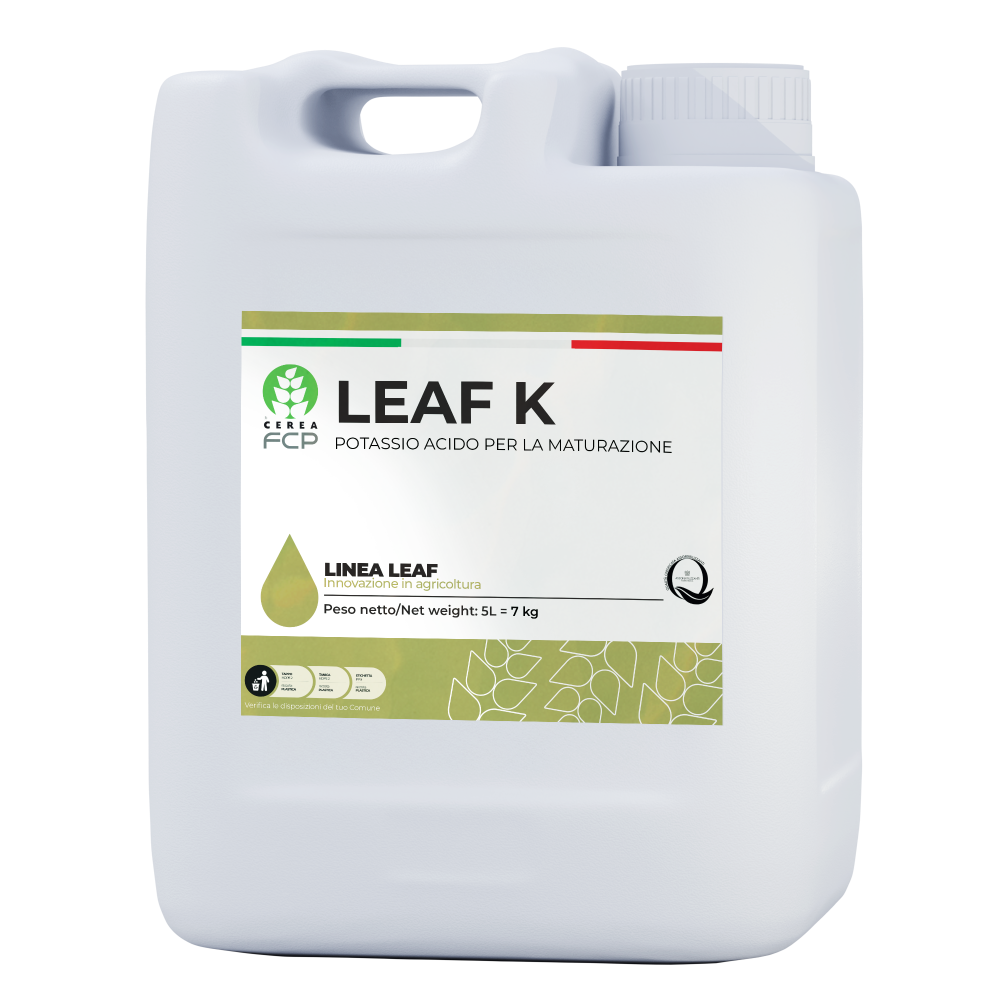
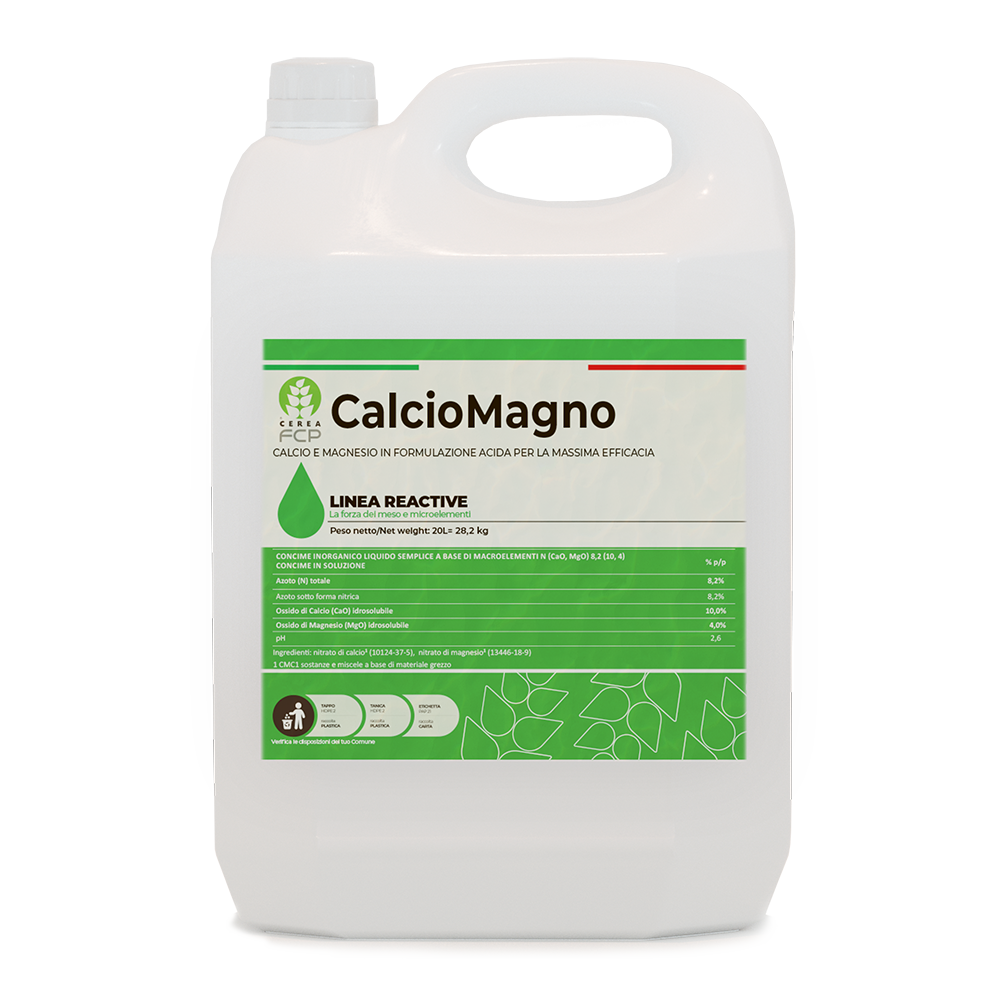
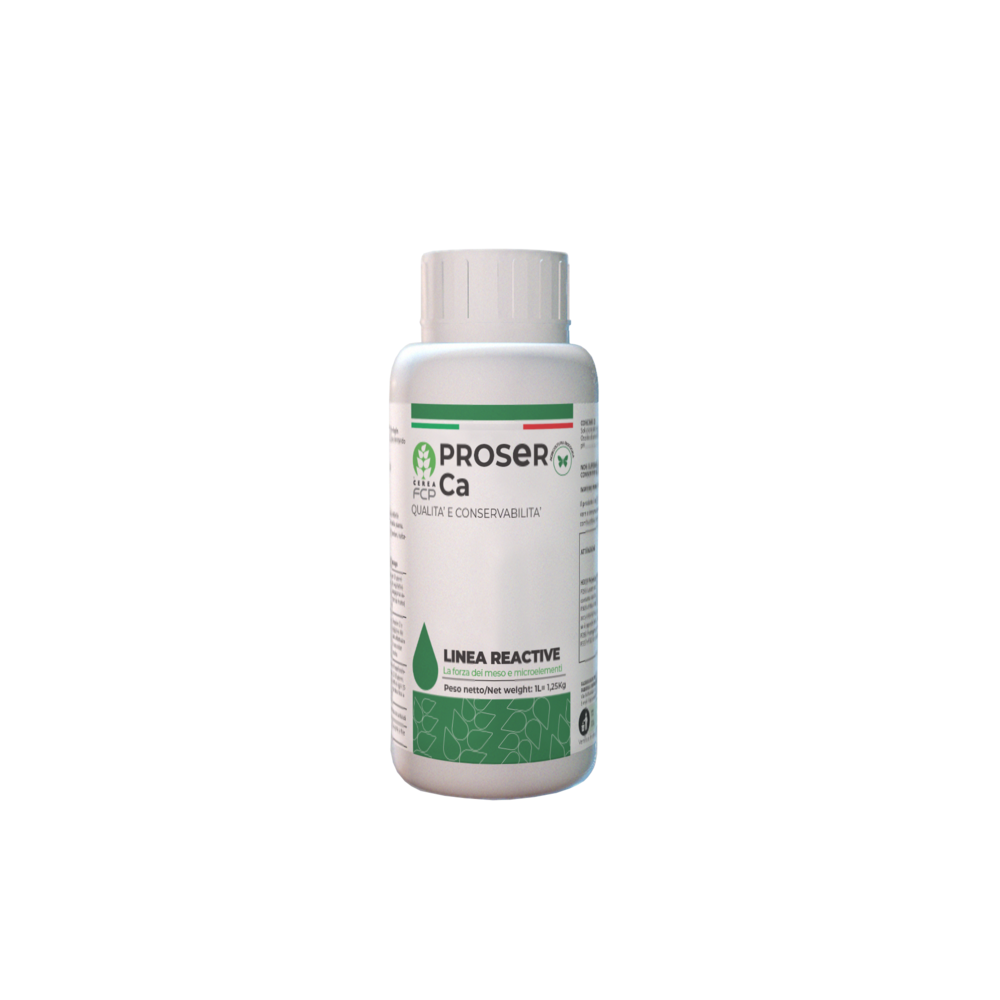
Special attention should be given to potassium supply before flowering, as this nutrient is crucial for blooming and determines the final sugar concentration. Combined with calcium, potassium enhances stress resistance and improves postharvest shelf life.
In combination with potassium, the use of amino acid-based products is also recommended to improve and standardize berry skin coloration.
To mitigate stress and nutrient deficiencies, foliar applications of copper-based nanonutrients or fertigation treatments with iron-based formulations are effective in preventing and controlling iron chlorosis.
To remain competitive in an increasingly demanding market, nutrient management must be rational, targeted, and adapted to each phenological stage.
Follow our guidance on dosages and application methods to enhance photosynthetic activity, manage iron chlorosis, and promote color development and fruit storability — without compromising flavor and sweetness.

PRODUCT POSITIONING BY PHENOLOGICAL PHASE - TRADITIONAL LINE
Products used in this phase

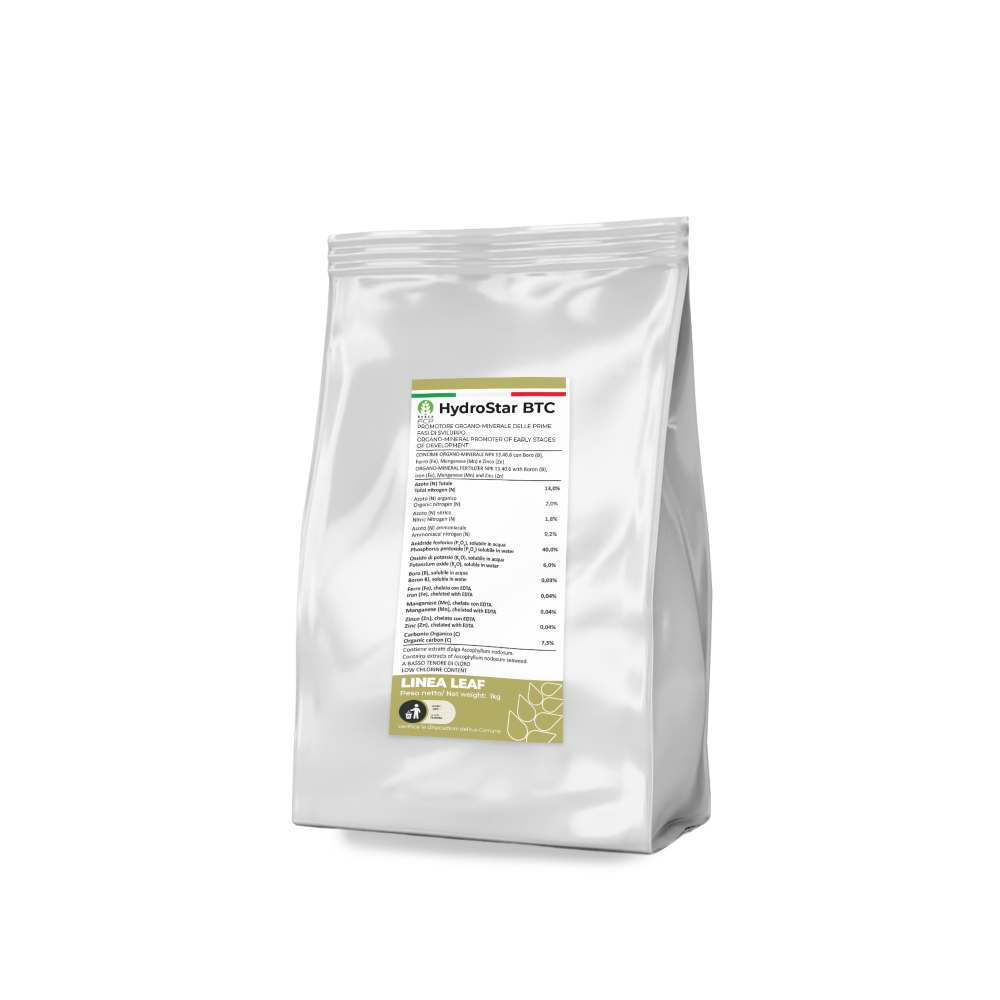



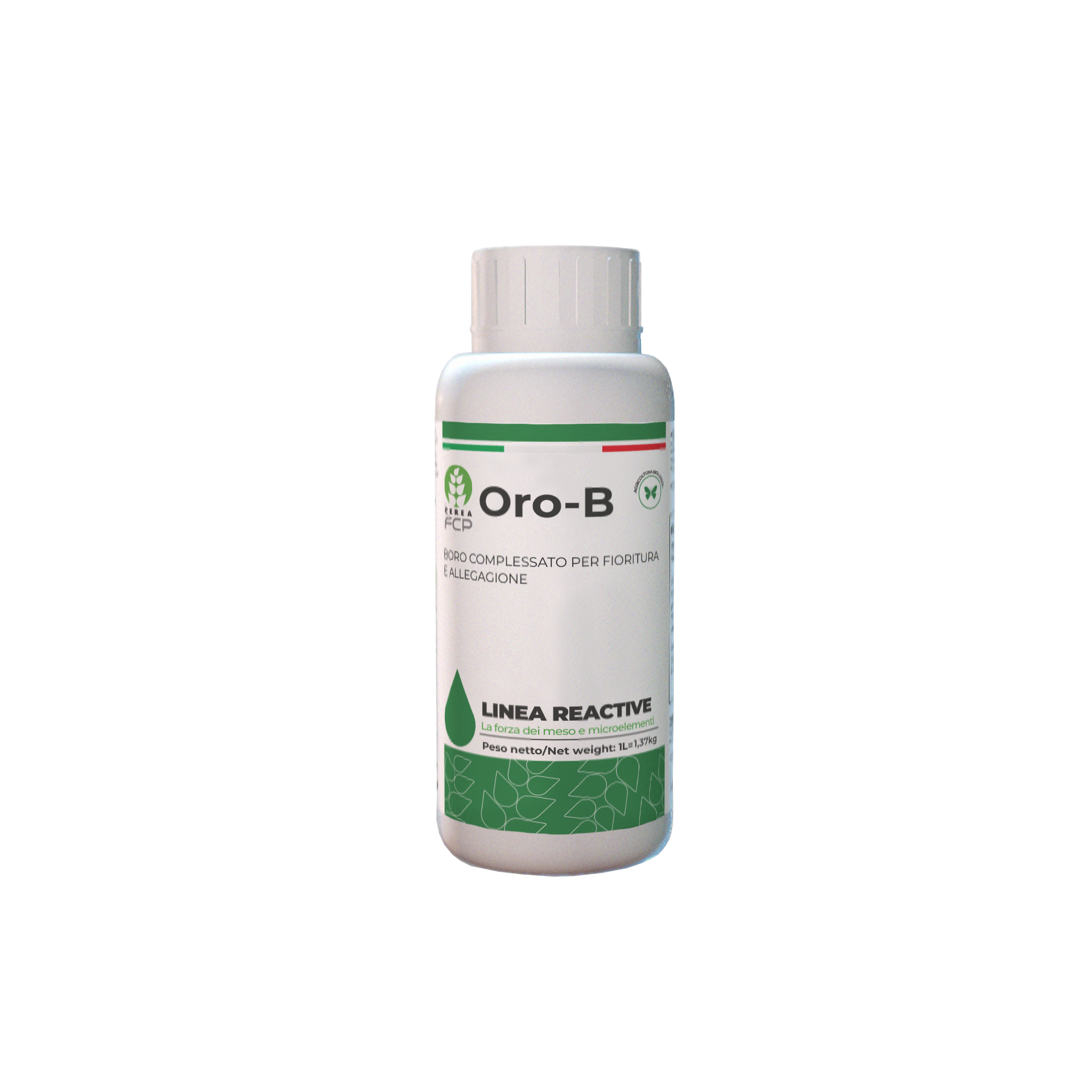







For problems of iron chlorosis, we recommend interventions with Nano.T Fe via the roots. Dosage based on the soil's chlorinating power index.
To strengthen the plant and make it more resistant to biotic and abiotic stress, we recommend using Nano.T Cu foliarly every 15 days from vegetative development onwards.
In saline, sodic, calcareous soils with an alkaline pH, add CALCITO at a dose of 10 l/ha every 25-30 days.
To create favorable environments for maintaining healthy leaves, shoots, and fruits, use Nano.T Total
PRODUCT POSITIONING BY PHENOLOGICAL PHASE - ORGANIC LINE

For iron chlorosis problems, we recommend applying Nano.T Fe BIO through the roots. Dosage depends on the soil's chlorinating power index.
To strengthen the plant and make it more resistant to biotic and abiotic stress, we recommend using Nano.T Cu BIO foliar application every 15 days from vegetative growth onwards.

Need assistance?
A key factor in achieving homogeneous and synchronized flowering is ensuring a regular and uniform bud break along the entire cane.
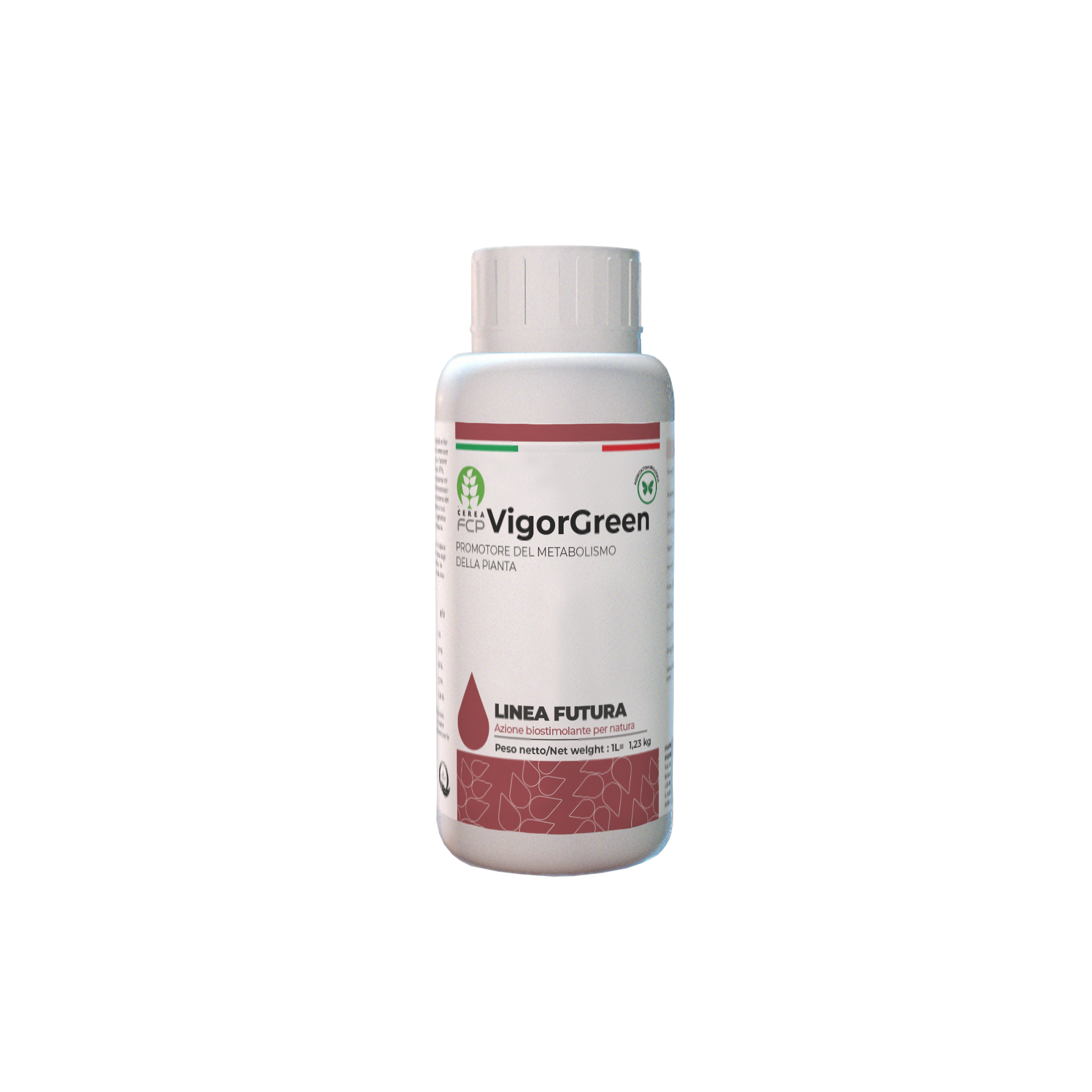
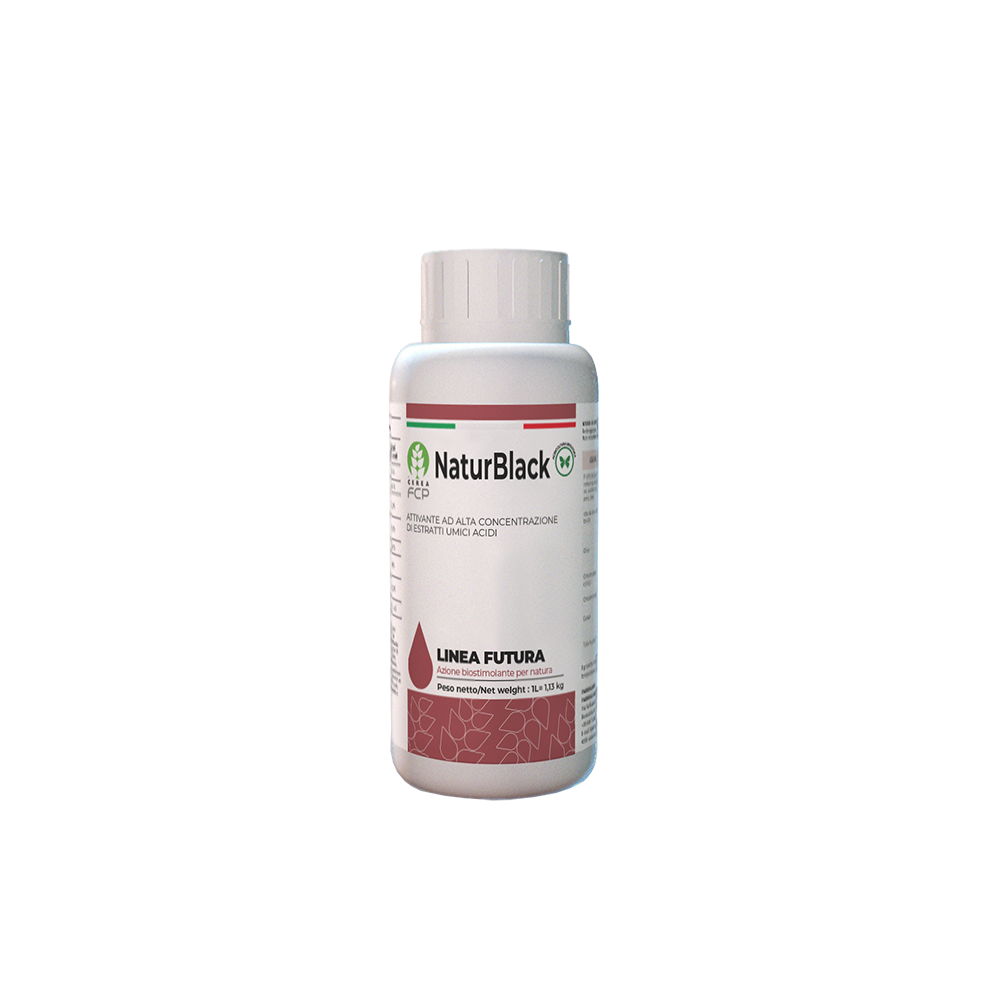
It is therefore important to stimulate the plant with free plant-based amino acids (Giove Bio Gold), fulvic and humic acids, specific carboxylic acids (Naturblack), and seaweed extracts (VigorGreen).
These substances promote even and vigorous shoot growth without causing stress or weakening the plant.
It is recommended to use iron-based products with high availability, especially in calcareous, sodic, alkaline, or saline soils and waters.
Nano.T Fe and Nano.T Fe Bio ensure a fully available iron supply, even under “difficult” soil and water conditions.
These products are non-leachable and photostable, releasing iron gradually and consistently over time.
A uniform and intense coloration is a crucial quality parameter for table grapes.
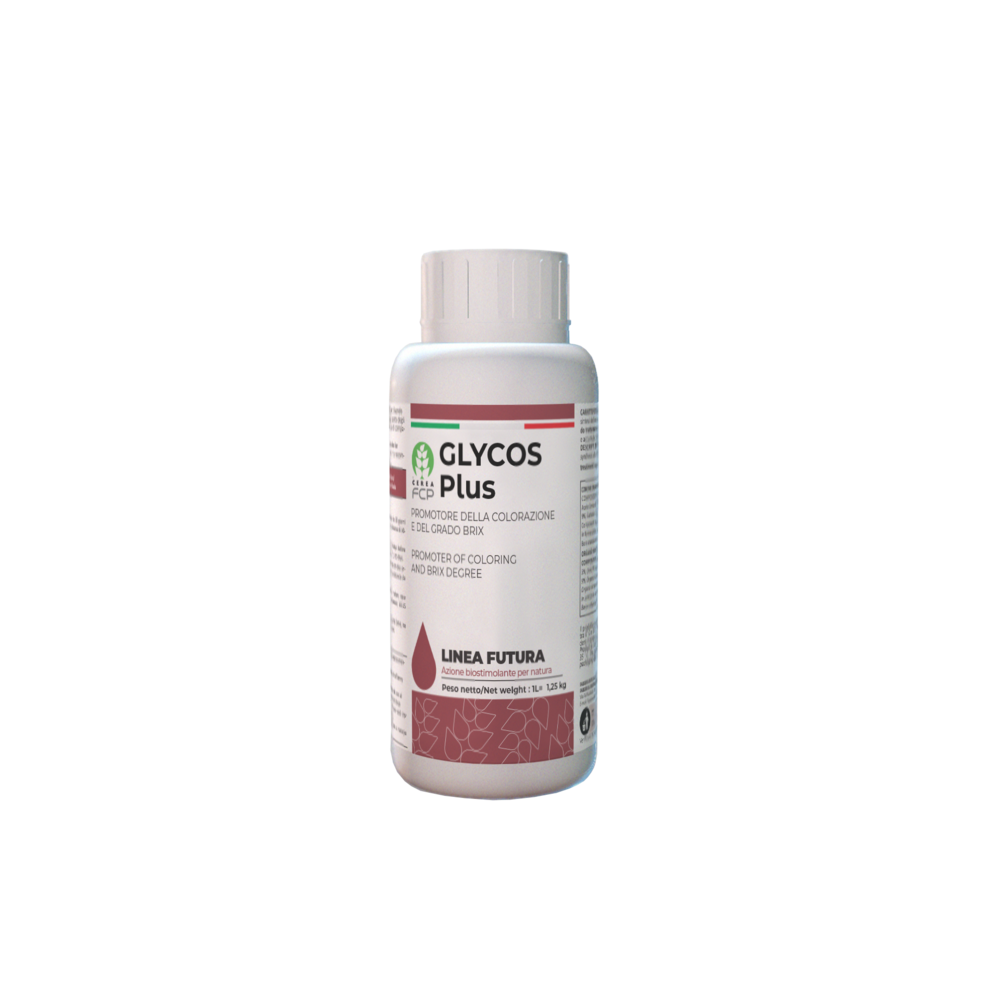
To achieve this, the use of products rich in amino acids that act as precursors of color and ripening is recommended, as they do not stress the plant, have no negative side effects (no risk of over-ripening), and also provide nutritional support (Glycos Plus).
Their application should follow a specific protocol, beginning from the veraison stage.